What a holdover trout is
It's incredibly frustrating when you hear experienced anglers talk about "holdover trout" and you're left scratching your head, wondering if it's some secret handshake or just another piece of fishing jargon. You're trying to improve your skills and understand Vermont's waters better, but terms like this can feel like a barrier. This comprehensive guide is designed to demystify the holdover trout, explaining exactly what they are, why they're so sought after, and how you can find and catch them in Vermont's diverse fishing environments.
Defining the Elusive Holdover Trout
Let's cut right to it: a "holdover trout" is essentially a trout that was stocked by the state, typically as a young fish, but survived past the initial intense fishing pressure and successfully overwintered in the stream, river, or pond. These aren't wild fish born in the stream, but they're not the "stockies" that anglers often dismiss as easy targets either. They've lived in the natural environment for months, sometimes years, since their initial release, adapting to forage for natural food, avoid predators, and cope with changing water conditions.
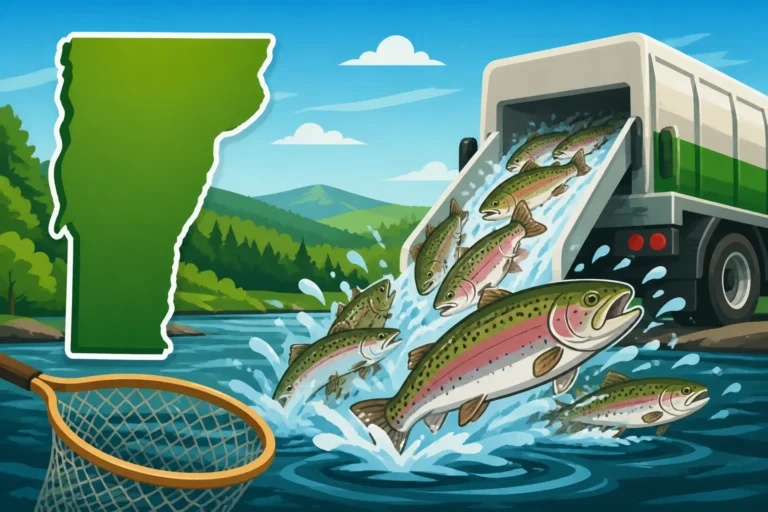
Think of it this way: when Vermont's Fish & Wildlife Department releases thousands of trout each spring, many are caught fairly quickly. But a good number, either by luck or by being particularly hardy, evade capture. They find deep pools, dense cover, or rich feeding lanes, and they settle in. Over time, these fish grow, become smarter, and often develop the vibrant coloration and firm flesh that makes them almost indistinguishable from truly wild trout, at least to the untrained eye. They are, in many ways, the best of both worlds – offering the challenge and reward typically associated with wild fish, but originating from stocking programs.
These fish are fascinating because their survival often speaks volumes about the quality of the water they inhabit. A stream or pond that consistently produces holdovers tells you it has good habitat, ample food, and stable conditions, allowing these stocked fish to thrive and mature. It's a testament to nature's resilience and the fish's adaptability.
The Life and Times of a Vermont Holdover
The journey from a hatchery truck to a seasoned holdover is quite an adventure for a trout. When fish are first stocked, they often exhibit behaviors typical of their hatchery upbringing: they might be less wary, used to pellet food, and prone to congregating in easily accessible spots. However, the ones that become holdovers quickly shed these habits.
Adapting to the Wild
Once released, these trout face a steep learning curve. They have to transition from a sheltered, food-rich environment to one where every meal is earned, and every shadow could be a predator. This means learning to forage on aquatic insects, small baitfish, and terrestrial insects that fall into the water. Their diets shift dramatically, which in turn influences their growth and flesh quality. Instead of the pale, sometimes soft flesh of a fresh stockie, a holdover will often have firm, pinkish-orange meat, indicative of a natural, protein-rich diet. This dietary shift is crucial for their long-term survival and makes them far more challenging to catch on artificial lures and flies.
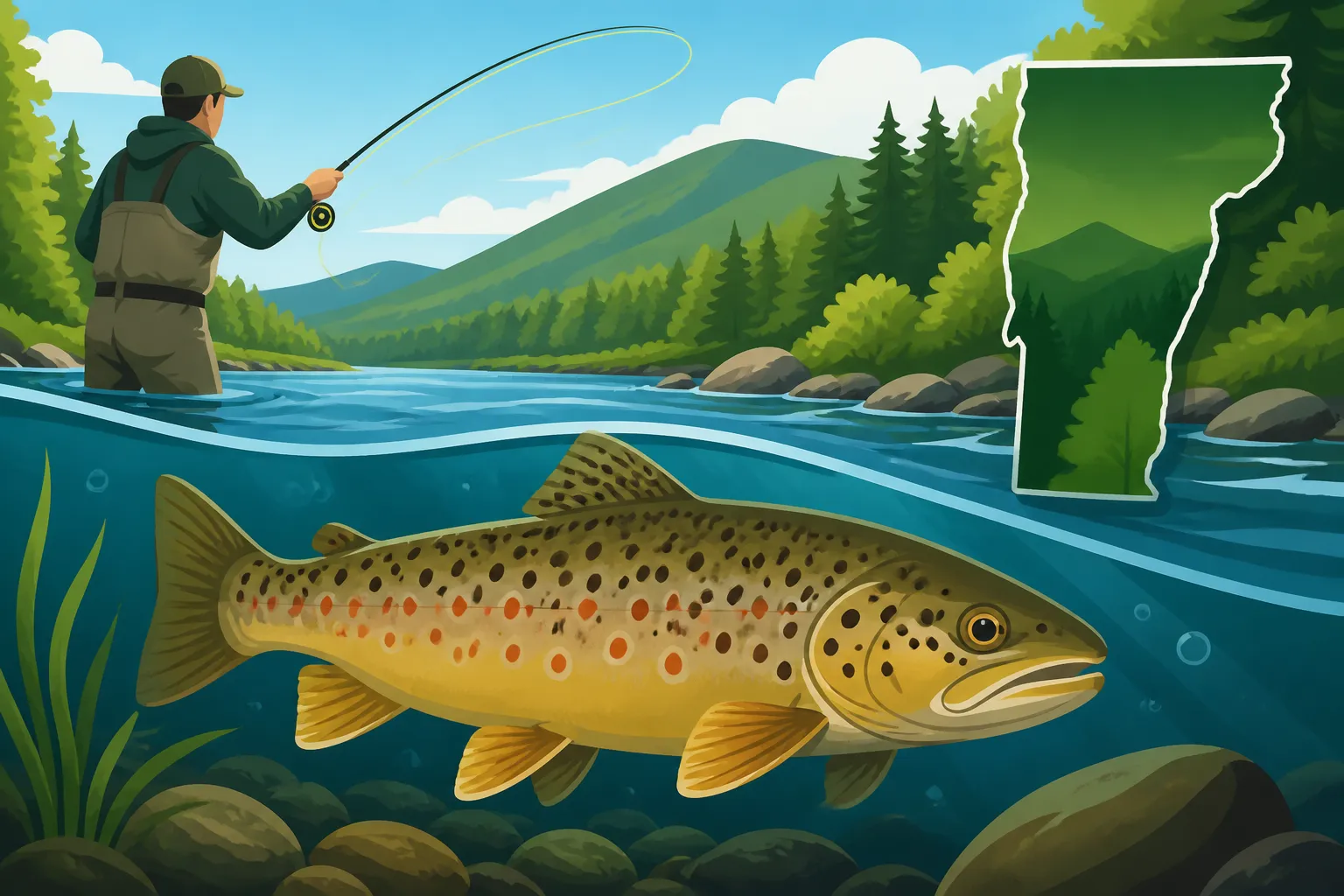
Another critical adaptation is becoming wary. They learn to recognize threats from above – be it a heron, an eagle, or an angler's shadow. They'll seek out cover like undercut banks, fallen logs, boulders, and deep pockets, using these sanctuaries to ambush prey and escape danger. Their colors also deepen and become more vibrant, helping them blend seamlessly with their natural surroundings. If you've ever caught a holdover brown trout, you've probably noticed its rich golden flanks and distinct red spots, a stark contrast to the often duller, uniform coloring of a newly stocked fish. Understanding the Brown Trout Habits in Vermont Streams can give you an edge in appreciating these adaptations.
Survival Through the Seasons
The true test for a potential holdover comes with the changing seasons, especially surviving the harsh Vermont winter. This isn't just about finding food; it's about enduring freezing water temperatures, periods of low oxygen under ice, and sustained metabolic slowdown. Trout are cold-blooded, and their activity levels drop significantly in winter. They need to find deep, stable pools where water temperatures remain consistent and they can conserve energy. Any fish that makes it through multiple winters truly earns the title of "holdover."
Come spring, these surviving holdovers are often larger and much more robust than their newly stocked counterparts. They've experienced floods, droughts, and bitter cold. They are tuned into the natural cycles of the stream, anticipating insect hatches and the movements of baitfish. Anglers targeting these fish in the spring will find a much more challenging, but ultimately more rewarding, experience than simply fishing for fresh stock. For those interested in where these initial fish come from, you might want to read about Rainbow Trout Stocking in Vermont.
Hunting for Holdovers: Where and When in Vermont
Finding holdover trout is less about sheer numbers and more about strategic location. These aren't fish that are going to jump into your net; you have to think like them.
Prime Locations for Holdovers
Holdovers are most commonly found in waters that offer a combination of good habitat, stable temperatures, and sufficient food sources.
- Larger Rivers and Streams: Rivers like the Battenkill, White River, and Otter Creek, which receive significant stockings, often have sections with excellent holding water. Look for deep pools, especially those with structure like large boulders, submerged logs, or undercut banks. These features provide cover from predators and current, as well as ambush points for feeding. The deeper sections remain cooler in summer and less prone to freezing solid in winter.
- Deep Ponds and Lakes: Many of Vermont's smaller, deeper ponds, even those heavily stocked, can hold some incredible holdovers. These often include state park ponds or those managed for public fishing access. The greater volume of water helps maintain stable temperatures year-round. Check the Vermont Fish Stocking Search Tool, Explained to find waters that consistently receive trout, as these are your best bets for holdovers. Understanding Best time to fish a stocked trout pond will also aid your efforts.
- Special Regulation Waters: Some areas, particularly those designated as "trophy trout" waters or fly-fishing-only sections, often have stricter regulations that allow trout to grow larger and survive longer. These areas are specifically managed to encourage holdover populations.
Remember, holdovers are often found in the same waters as their wild cousins, though they tend to occupy slightly different niches or concentrations depending on the specific waterbody. While truly wild Brook Trout: Vermont's Native Trout thrive in pristine, colder headwaters, holdovers are more commonly found in larger, lower-elevation systems that receive regular stocking.
Timing Your Holdover Hunt
While you can technically find holdovers year-round in suitable waters, certain times offer better opportunities or more comfortable conditions.
- Early Spring: After ice-out and once streams settle from spring runoff, holdovers are often actively feeding to regain energy lost during winter. The water is still cold, but insect activity begins to pick up. This is an excellent time to target them, especially before the heaviest fishing pressure of the main stocking season. Spring Trout Fishing Techniques for Vermont Streams can be particularly effective.
- Late Spring/Early Summer: As temperatures rise, holdovers will retreat to cooler, deeper water. Fishing during this period often requires more technical approaches, focusing on shaded areas, oxygenated riffles adjacent to deep pools, or targeting them during cooler parts of the day, like dawn or dusk.
- Fall: Many experienced anglers consider fall to be prime time for targeting large holdovers, especially brown trout. As water temperatures cool and brown trout prepare to spawn, they become incredibly aggressive, actively feeding and often moving into shallower water, making them more accessible. Their colors are at their most brilliant during this time.
Gear and Tactics for Targeting Vermont Holdover Trout
Successfully hooking a holdover trout requires a shift in approach compared to catching freshly stocked fish. You'll need to be more stealthy, more observant, and often more patient.
Essential Gear for the Holdover Angler
Your gear choice can significantly impact your success. Holdovers are smarter and often bigger, requiring more refined setups.
- Rods and Reels: A sensitive spinning rod in the 6'6" to 7'6" range, paired with a lightweight reel, is excellent for presenting smaller lures or bait with precision. For fly anglers, a 4- or 5-weight fly rod is versatile enough for most Vermont trout streams. You might consider a combo available on Amazon for convenience, like a quality medium-light action rod. Best Gear for Vermont Trout Fishing provides a comprehensive overview.
- Line: Fluorocarbon leaders are almost a must for holdovers due to their low visibility in clear water. Pair a sensitive monofilament main line (4-6 lb test) with a 2-4 lb fluorocarbon leader. For fly fishing, your leader and tippet selection should match the conditions, often favoring longer, lighter tippets (5X-7X).
- Waders and Boots: Stealth is paramount. Quality waders and wading boots (check out options on Amazon) allow you to move quietly and access prime spots without spooking fish from the bank. Best Waders for Vermont Trout Streams goes into more detail.
- Polarized Sunglasses: These are non-negotiable. Polarized lenses cut glare, allowing you to spot fish, submerged structure, and subtle changes in water depth that indicate holdover lies.
Effective Tactics for Wary Fish
Forget bright orange PowerBait on a bare hook for holdovers. These fish have seen it all and are looking for natural presentations.
- Natural Baits: If bait fishing, focus on natural options like live worms (nightcrawlers, garden worms), small minnows, or even caddis and mayfly larvae collected from the stream itself. Present them as naturally as possible, with minimal weight, allowing them to drift freely.
- Lures: Small, subtle lures work best. Think inline spinners in natural colors (gold, silver, black, brown), small spoons, or tiny crankbaits that mimic minnows. Vary your retrieve speed and depth until you find what triggers a strike. A lot of great choices can be found easily on Amazon, so you can try different styles and colors without breaking the bank.
- Fly Fishing: This is often the most effective method for holdovers, as it mimics their natural food sources.
- Nymphing: During most of the year, trout feed subsurface. Drift nymphs that imitate local insect larvae (e.g., Caddis larvae, Mayfly nymphs, Stonefly nymphs) along the bottom, focusing on current seams and structure.
- Streamer Fishing: For larger holdovers, especially brown trout, streamers that imitate baitfish can be incredibly effective. Strip them through deep pools and along undercut banks. Read up on Best Fly Rods for Vermont Trout Streams for ideal setups.
- Dry Fly Fishing: When there's an active hatch, dry flies can be exhilarating. Match the hatch as closely as possible, presenting your fly with a delicate, drag-free drift.
The Importance of Stealth and Presentation
Holdovers are survivors precisely because they are wary. Approach the water slowly and quietly. Avoid casting shadows over promising spots. Make accurate casts that land gently, minimizing disturbance. If you're fishing a river, work your way upstream to keep any disturbed silt or debris behind you, and to approach fish from behind, as they typically face upstream.
Remember that holdovers, having survived longer, are usually subject to the standard Vermont Trout Limit and Possession Rules and other specific regulations for the water body. Always check the current regulations before heading out. The more time and effort you invest in understanding their environment and behavior, the more rewarding your holdover trout fishing experiences will be.
Distinguishing a Holdover from Fresh Stocked or Wild Trout
It's natural to wonder if the trout you just landed is a fresh stockie, a seasoned holdover, or a truly wild fish. While it can be tricky, especially with some well-adapted holdovers, there are usually tell-tale signs.
Key Indicators to Look For
Here's a quick comparison to help you tell the difference:
| Characteristic | Freshly Stocked Trout | Holdover Trout | Wild Trout |
|---|---|---|---|
| Fins | Often worn, rounded, or damaged from hatchery concrete. | Less worn than stockies, but still might show past damage. | Pristine, fully-formed, sharp-edged fins. |
| Coloration | Dull, uniform, silvery, or faint markings. | Vibrant, darker, well-defined spots, rich hues. | Intense, natural camouflage, brilliant spots, often darker. |
| Body Shape | Often "football" shaped, sometimes soft-bodied or lean. | Streamlined, firm, muscular, well-fed appearance. | Very streamlined, hard-bodied, athletic. |
| Snout/Jaw | Can be rounded or slightly deformed from rubbing. | Increasingly pointed and natural, but may show subtle wear. | Sharp, pointed, fully developed jaw. |
| Diet (Stomach) | Often contains remnants of hatchery pellets. | Natural insects, small fish, crustaceans. | Exclusively natural forage. |
| Behavior | Less wary, congregates, readily takes common baits. | Wary, seeks cover, selective, takes natural presentations. | Extremely wary, territorial, highly selective. |
Why the Distinction Matters
Knowing the difference isn't just for bragging rights; it helps you become a better angler. If you're catching fish with tell-tale hatchery damage, you know you're likely in a heavily fished area with fresh stock. This might call for different tactics, like focusing on popular baits or brightly colored lures. Conversely, if you're targeting waters known for holdovers and catching fish with more natural characteristics, it suggests your stealth and refined techniques are paying off.
The satisfaction of catching a holdover trout is immense. It's a fish that has defied the odds, adapted to the wild, and grown larger and smarter in Vermont's beautiful waters. It represents a successful blend of conservation efforts through stocking and the resilience of nature itself. So, the next time you're on a Vermont stream or pond, keep an eye out for these incredible survivors – they're truly a treasure to behold and a challenge to pursue.
Disclaimer
This article is for general informational purposes only and does not constitute professional advice. Laws, prices and regulations vary by location and change over time. Consult a qualified professional for guidance on your specific situation.