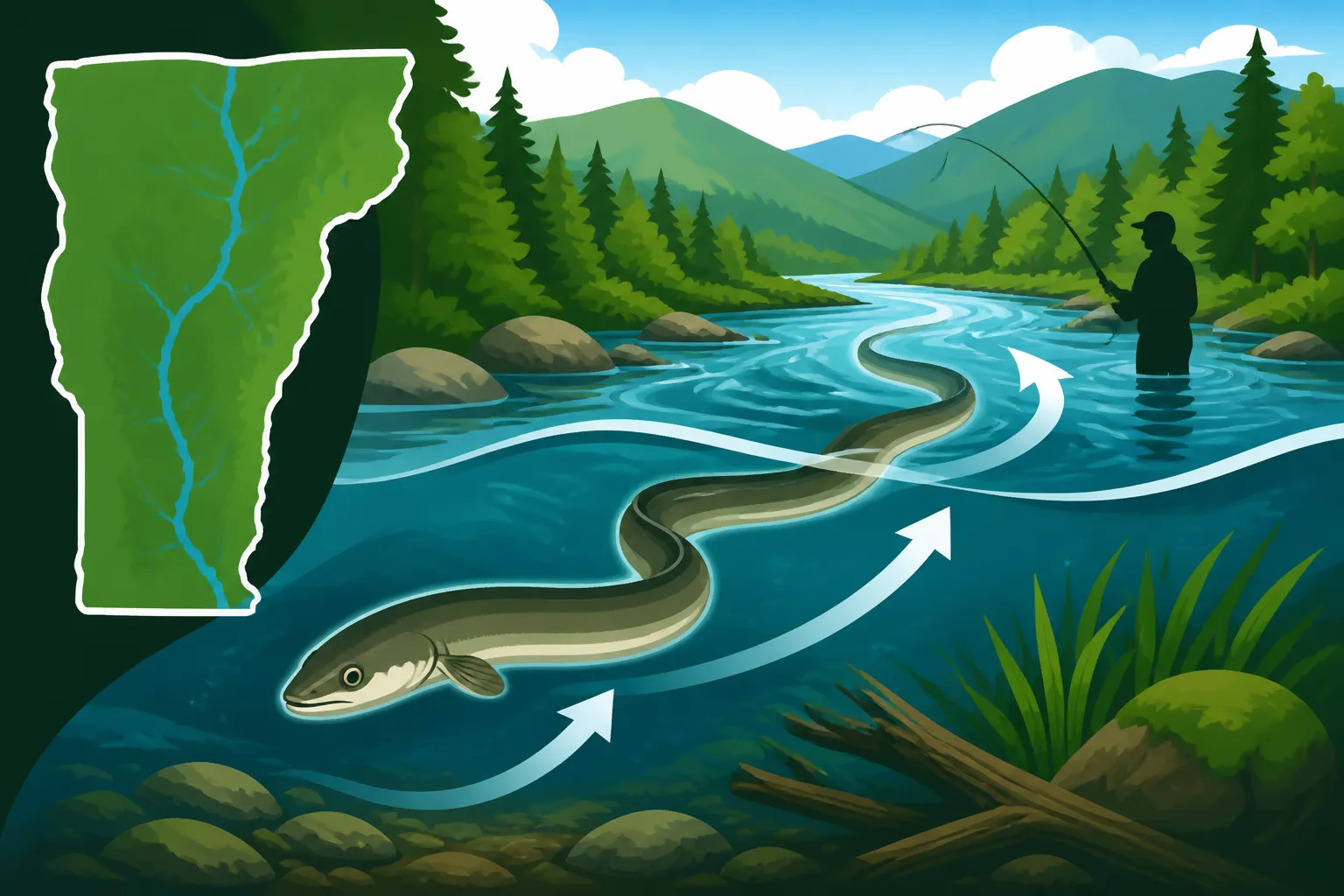
Where American eel travel in Vermont rivers
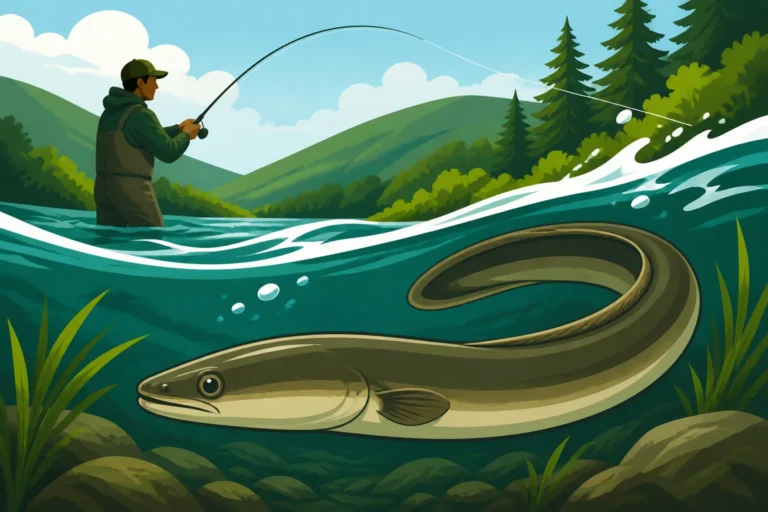
Many anglers are surprised to learn that the mysterious American eel, a fascinating fish with an incredible migratory journey, calls Vermont's rivers and lakes home for a significant portion of its life. While not a typical target species for most recreational fishing, understanding their presence and movements is crucial for appreciating the rich aquatic biodiversity of the Green Mountain State. This guide will take you on a deep dive into the extraordinary travels of American eels through Vermont's diverse river systems, helping you understand where they go and why their journey is so vital.
The Incredible Journey of the American Eel
The American eel ( Anguilla rostrata) undertakes one of the most remarkable migrations in the animal kingdom. Unlike salmon, which are anadromous (migrating from saltwater to freshwater to spawn), eels are catadromous, meaning they migrate from freshwater to saltwater to spawn. Their entire species originates from a single, vast spawning ground located thousands of miles away in the Sargasso Sea, a region of the Atlantic Ocean east of Florida. From microscopic larvae to mature adults, their life is a continuous odyssey.
From Ocean Depths to Vermont's Freshwaters
The journey begins as tiny, leaf-like larvae called leptocephali, drifting with ocean currents across the Atlantic. As they approach the North American coast, they transform into transparent, worm-like "glass eels." It's these glass eels that begin to ascend freshwater systems along the eastern seaboard, including Vermont's major river networks. As they continue upstream and grow, they develop pigmentation and become "elvers," which are essentially juvenile eels. These elvers are incredibly tenacious, capable of squirming over small obstacles, through wet grass, and even up damp streambanks around barriers to continue their relentless push upstream.
Once settled in freshwater, they become what are known as "yellow eels." This is the longest phase of their life, where they reside in rivers, streams, and lakes, feeding and growing for many years, sometimes for decades. They are primarily nocturnal hunters, preying on insects, crustaceans, small fish, and worms, and they play a vital role in the food web. Their ability to adapt to a wide range of aquatic environments, from slow-moving muddy rivers to clearer lake bottom structures, is a testament to their resilience.
Key Vermont Rivers and Waterways for Eel Passage
Given their oceanic origins, American eels can only enter Vermont's waters through drainages that connect directly to the Atlantic Ocean. For Vermont, this primarily means the Connecticut River system and, perhaps more surprisingly to some, the Lake Champlain basin, which ultimately drains into the St. Lawrence River and then the Atlantic. These two major systems serve as the aquatic highways for eels reaching the heart of Vermont. You might be surprised by the Vermont Fishing Seasons by Month how long eels are present in our waters.
The Connecticut River and Its Tributaries
The Connecticut River is the longest river in New England, flowing directly to Long Island Sound and the Atlantic Ocean. It forms Vermont's entire eastern border, making it a natural conduit for migrating American eels. Glass eels and elvers enter the lower Connecticut River and begin their arduous journey upstream. While large dams historically posed significant barriers, many have been equipped with fish ladders or eel passages to assist various migratory species, including eels.
From the main stem of the Connecticut, eels fan out into its numerous Vermont tributaries. They can be found in the lower reaches of rivers like the West River, White River, Williams River, Saxtons River, and the Deerfield River, often seeking out deeper pools and areas with plenty of cover. Anglers fishing for other species in these rivers, particularly in areas with muddy bottoms or dense aquatic vegetation, might occasionally encounter an eel. For those looking for access points along this mighty waterway, check out Connecticut River Fishing Access in Vermont.
Lake Champlain Basin and the St. Lawrence Seaway
The presence of American eels in Lake Champlain often surprises people. Lake Champlain does not flow directly to the Atlantic via an eastern route; instead, its waters exit northward via the Richelieu River, which then flows into the St. Lawrence River in Quebec, and finally to the Atlantic Ocean. Therefore, eels entering Lake Champlain actually travel much further north and west than those entering the Connecticut River.
Eels ascend the St. Lawrence River from the Atlantic, enter the Richelieu River, and then make their way into Lake Champlain. Once in the vast expanse of Lake Champlain, they disperse widely. From the lake, they can penetrate many of its large Vermont tributaries, including the Winooski River, Lamoille River, Otter Creek, and the Missisquoi River. These rivers, with their diverse habitats ranging from slow, meandering sections to more structured areas, provide excellent long-term homes for yellow eels. Understanding these pathways is key to understanding the American Eel in Vermont Rivers more broadly.
| Life Stage | Description | Primary Habitat/Travel Path |
|---|---|---|
| Leptocephalus | Larval stage, transparent, leaf-like | Sargasso Sea, drifting with ocean currents |
| Glass Eel | Transparent, worm-like juvenile | Near coastal waters, beginning ascent into freshwater |
| Elver | Pigmented juvenile, still small | Ascending rivers and streams, overcoming obstacles |
| Yellow Eel | Growing sub-adult, dark coloration, residential stage | Freshwater rivers, streams, and lakes (e.g., Vermont waters) |
| Silver Eel | Sexually mature, silver/bronze, ready to spawn | Migrating downstream to the ocean, returning to Sargasso Sea |
Understanding Eel Habits and Habitat in Vermont
Once American eels arrive in Vermont's freshwaters and settle into their "yellow eel" stage, they are quite at home, making these waters their primary residence for many years. Their preferred habitats are generally areas that offer plenty of cover and food sources. They are incredibly robust and can tolerate a wide range of water conditions, contributing to their widespread distribution. Knowing What American eel look like and where they live can help you identify them if you encounter one.
Preferred Habitats Within Vermont's Rivers and Lakes
In rivers, American eels often favor sections with soft, muddy bottoms where they can burrow during the day to hide from predators and ambush prey at night. They also love rocky crevices, undercut banks, and submerged logjams that provide excellent cover. Areas with dense aquatic vegetation also offer ideal hiding and hunting grounds. These features allow them to remain largely unseen during daylight hours, emerging under the cover of darkness to forage. Look for them in the slow, deep pools of major rivers like the Winooski or Lamoille. For specific locations, you might consult guides like Winooski River Fishing Spots or Lamoille River Fishing Guide.
In larger bodies of water like Lake Champlain, eels gravitate towards shallow, vegetated coves but also occupy deeper areas with soft sediment bottoms, where they can find plenty of worms, insect larvae, and smaller fish. Structures such as old dock pilings, rock piles, or sunken trees in lakes also provide excellent habitat. Their diet is quite varied, making them adaptable foragers, contributing to the health of the aquatic ecosystem. While you might not be targeting them, knowing where they hide can be interesting for understanding the broader aquatic life. Many comprehensive fishing maps found on platforms like Amazon can help identify areas with these types of features.
The Return Journey: Silver Eels and Spawning Migration
After years, sometimes up to 20 or more, spent growing and maturing in Vermont's freshwaters, the yellow eels undergo a dramatic transformation. They change physically, becoming "silver eels" with larger eyes, a darker dorsal side, and a silvery belly, signifying their sexual maturity and readiness for their epic return journey. Their digestive system atrophies, as they will not feed during this final, massive migration.
These silver eels begin their downstream migration, usually in the late summer and fall, traveling back towards the ocean. They navigate the same river systems they ascended years ago, heading towards the St. Lawrence or Connecticut Rivers, and eventually out to the open Atlantic, destined for the Sargasso Sea. This journey is incredibly energy-intensive and fraught with danger, as they must bypass obstacles, evade predators, and navigate thousands of miles of open ocean. Once they reach the Sargasso Sea, they spawn and then die, completing their single, incredible reproductive cycle.
Conservation and Awareness of American Eels in Vermont
The American eel population has faced significant challenges over the years, primarily due to human activities. Understanding their unique life cycle and the obstacles they face is crucial for their conservation. While they may not be as charismatic as a trophy trout, their ecological importance and incredible migratory feat make them a vital part of Vermont's natural heritage. This is particularly important when considering the overall health of fish species in Vermont, including Endangered and Protected Fish Species in Vermont.
The Impact of Dams and Fish Passage Efforts
One of the biggest hurdles for American eels is the presence of dams on rivers. Each dam represents a physical barrier to their upstream migration as elvers and often a dangerous passage during their downstream journey as silver eels. While they are remarkable climbers, scaling wet dam faces, large hydropower dams present an insurmountable obstacle without aid. This habitat fragmentation can severely impact their ability to colonize suitable freshwater habitats and complete their life cycle.
However, there are ongoing efforts to mitigate these impacts. Fish passage facilities, often designed for salmon and other migratory fish, can sometimes aid eels as well. Dedicated "eel ladders" or "eelways" are specifically designed to help elvers ascend over dam structures, providing a slippery, textured path for them to climb. These projects are vital to ensure the continued presence of eels in Vermont's waterways. Information on Vermont Fishing Regulations Explained often touches on broader aquatic health and conservation efforts.
Angler's Role in Eel Conservation
As an angler in Vermont, you might occasionally catch an American eel, especially if you're fishing with bait on the bottom in rivers or lakes where they reside. While typically not targeted, it's important to know how to handle them if you do. Eels are notoriously slimy and can be difficult to unhook. The best practice for catch-and-release is to minimize handling. If the eel is deeply hooked, it's often best to simply cut the line as close to the hook as possible rather than attempting to remove a deeply embedded hook, which can cause more harm. Eels have a remarkable ability to survive with hooks that will eventually rust away.
Awareness is key. By understanding that eels are present in Vermont's rivers and lakes, and by appreciating their unique journey, anglers can contribute to their conservation. Supporting efforts for fish passage, being mindful of proper catch-and-release techniques for non-target species, and generally respecting our aquatic environments helps all the species that call these waters home. For more information on navigating Vermont's waters, especially with a boat, consider reviewing Vermont Boating Laws for Anglers to ensure you're always operating safely and responsibly. You can also find resources like specialized fish handling tools or books on eel biology on Amazon to deepen your understanding and improve your practices.
Disclaimer
This article is for general informational purposes only and does not constitute professional advice. Laws, prices and regulations vary by location and change over time. Consult a qualified professional for guidance on your specific situation.