Common carp size and habits in Vermont lakes
Many anglers in Vermont might find themselves pondering the large, often shadowy figures moving in the shallows, wondering about the identity and behavior of these powerful fish. The common carp, a species frequently misunderstood or overlooked, plays a significant role in many of our state's lakes. If you've ever been curious about how big these fish truly get or what makes them tick in their watery homes, this guide is designed to shed light on the common carp's impressive size and intriguing habits within Vermont's aquatic landscapes.
What Makes a Common Carp Common in Vermont Lakes?
Often, when anglers talk about fish in Vermont, the conversation quickly turns to trout, bass, or maybe walleye. But there's another large, powerful fish swimming in many of our lakes and ponds that often gets overlooked, or worse, dismissed: the common carp. They might not be native, but they've certainly made themselves at home, and understanding them is key to appreciating their role, and even their sporting potential. This section will dive into what common carp are, how to identify them, and why they've become such a fixture.
Identifying the Distinctive Features of Common Carp
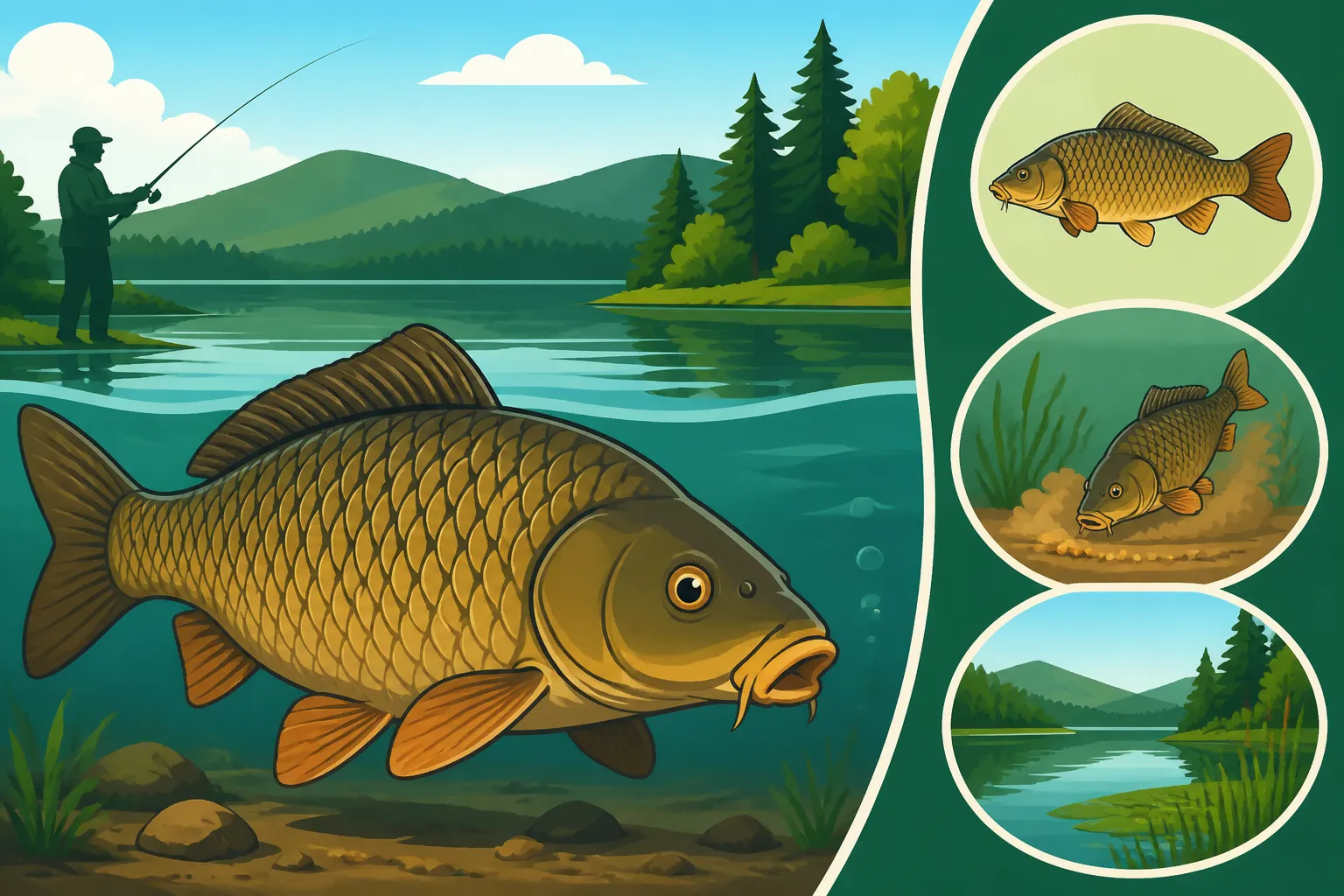
Before we even talk about size or habits, let's make sure we're all on the same page about what a common carp looks like. These aren't your typical golden shiners or even a chunky bullhead. Common carp, or Cyprinus carpio, have a very specific set of characteristics that make them stand out. You'll notice their large, often brassy or golden-brown scales that can be quite prominent. They have a deep, robust body that tapers towards the tail, giving them a somewhat torpedo-like shape when mature. Their mouth is small and protrusible, designed for sucking up food from the bottom.
But perhaps the most defining feature, and one that differentiates them from species like buffalo or goldfish (which are sometimes confused with carp), are the two pairs of barbels, or fleshy whiskers, located on either side of their mouth. One pair is typically longer than the other. These barbels are sensory organs, crucial for helping carp locate food in murky water or on the lakebed. If you see a large, golden-scaled fish with whiskers rooting around the bottom of a shallow bay, you've almost certainly spotted a common carp. They're built for power, and even a medium-sized one can give a respectable fight.
Many anglers initially confuse carp with other bottom feeders or even larger members of the minnow family. However, once you learn to spot those barbels and appreciate their distinct body shape, they become quite easy to identify. While some might think of them as "trash fish," it's worth remembering that in many parts of the world, carp are highly prized for both food and sport, and their unique physiology makes them incredibly adaptable to a variety of environments, including many of our beautiful Vermont lakes. If you're looking for further details, you might check out more on Common Carp in Vermont Waters.
The Carp's Long History in Vermont's Waters
It might surprise some to learn that common carp are not native to North America. They were actually introduced to the United States in the mid-to-late 19th century, primarily from Europe, with the intention of becoming a valuable food source. Vermont, like many other states, saw initial stockings in its waters. The idea was that these fast-growing, hardy fish would provide an abundant protein source for a growing population.
However, the enthusiasm waned over time, and carp quickly spread far beyond their initial stocking locations. Their incredible adaptability, prolific breeding habits, and ability to thrive in waters that might be less hospitable to native species allowed them to establish robust populations. They can tolerate a wide range of water temperatures and oxygen levels, making them successful in diverse aquatic environments, from large, deep lakes to shallower, warmer ponds. Over the decades, they've become a permanent fixture in many of Vermont's larger bodies of water, quietly going about their business at the bottom of the food chain, often unseen by those not specifically looking for them.
This history is important because it shapes how we view and interact with carp today. While some might still see them as an "invasive" species impacting native fish populations (a topic of ongoing debate and research, and you can learn more about this in Invasive Fish Species in Vermont Waters), others have come to appreciate them for their unique challenges and strength as a sport fish. They represent a complex ecological story in Vermont, a testament to how introduced species can adapt and become part of the landscape, even if they aren't originally from here.
How Big Do Common Carp Get in Vermont Lakes?
One of the most impressive aspects of common carp is their sheer size and powerful build. When you hook into one, especially a larger specimen, you'll quickly understand why they're often called "freshwater submarines." They're not just big; they're incredibly strong and can put a serious bend in your rod. So, what kind of size can you really expect when you encounter these robust fish in Vermont? Let's dive into their typical dimensions and the factors that contribute to their impressive growth.
Typical Size Expectations for Carp in Vermont
In many Vermont lakes and larger ponds where carp have established themselves, it's not uncommon to encounter fish in the 10 to 20-pound range. These are solid fish, often measuring between 24 and 30 inches in length, and they will give you a memorable fight. Picture pulling in a small bowling ball on the end of your line, and you're getting close to the feeling! For the uninitiated, landing a carp of this size can be a surprising and exhilarating experience. This makes them a challenging and exciting target, often rivaling the fight of Smallmouth Bass Fishing in Vermont.
However, carp can grow much, much larger. It's not out of the realm of possibility to hook into fish exceeding 30 pounds, especially in some of the more productive waters. These truly massive carp can push 35 to 40 inches or more, showcasing an incredible girth. While these giants might not be an everyday occurrence for every angler, they are certainly present and waiting to be challenged. Anecdotal evidence from seasoned carp anglers in places like Lake Champlain suggests that even larger specimens are out there, quietly patrolling the depths. The biggest carp represent a significant angling achievement and require stout tackle to bring them to hand.
It's important to set realistic expectations; while a 30-pounder is a possibility, most of your catches will likely be in that respectable 10-20 pound bracket. But even a 10-pound carp fights harder than many other fish twice its size, making every encounter a thrilling one. If you're looking for a powerful freshwater adversary that doesn't require a boat or expensive gear, the common carp certainly fits the bill, often found in many of the Best Fishing Lakes in Vermont.
Factors Influencing Carp Growth and Longevity
The impressive size of common carp isn't just a fluke; it's a result of several key factors that contribute to their robust growth and long lifespans. Firstly, carp are incredibly adaptable omnivores. They aren't picky eaters, consuming a wide variety of plant matter, insects, crustaceans, and detritus found on the lakebed. This broad diet means they can consistently find food, even in environments where other species might struggle. Abundant food sources, especially those rich in protein, are crucial for rapid growth.
Secondly, water temperature plays a significant role. Carp thrive in warmer waters, which are conducive to higher metabolic rates and faster growth. Many of Vermont's shallower lakes and bays, which warm up considerably in the summer months, provide ideal conditions for carp to put on weight. While they can tolerate colder water, their most active feeding and growth periods align with the warmer seasons. Lastly, their longevity is a major contributor to their potential for giant size. Common carp can live for a surprising number of years, often into their teens and even beyond in ideal conditions. The longer a fish lives, and the more consistent its food supply, the larger it can ultimately grow.
Consider a scenario in a nutrient-rich body of water like the shallower sections of Lake Champlain or even some of the larger state park ponds. Here, a carp has access to an endless buffet of insect larvae, aquatic vegetation, and bottom-dwelling organisms. Combine that with warm summer temperatures and a long lifespan, and you have the perfect recipe for a fish that can easily tip the scales at impressive weights. These factors, alongside their natural hardiness, allow common carp to become some of the largest freshwater fish you can target in Vermont.
Where Common Carp Live and What They Eat in Vermont Lakes
Understanding where common carp prefer to hang out and what they're actually munching on is crucial for anyone looking to find and potentially catch them. These aren't pelagic hunters cruising open waters; they are primarily bottom dwellers, and their habits are closely tied to the availability of food and shelter in specific lake environments. Let's explore their preferred real estate and their diverse dietary preferences in Vermont's aquatic ecosystems.
Carp's Preferred Hangouts in Vermont Lakes
If you're searching for common carp, you won't typically find them suspended in the middle of a deep, crystal-clear lake. Instead, focus your efforts on shallower, warmer areas, often with soft, muddy, or silty bottoms. These are their prime foraging grounds. Think about the calmer bays, river backwaters, and the shallower flats of larger lakes like Lake Champlain or Lake Bomoseen. They love areas with abundant aquatic vegetation – lily pads, submerged weeds, cattails – as these provide both cover from predators and a rich source of food.
Carp are often found near inlets and outlets of rivers or streams, where nutrient-rich water flows in, bringing with it food and stirring up the bottom. Look for turbid or slightly discolored water, as their constant rooting and stirring of the bottom (a behavior known as "mudding") can be a dead giveaway. You might even see strings of bubbles rising to the surface, indicating active feeding below. Shorelines with overhanging trees or rip-rap can also attract them, especially if there's an abundance of insects falling into the water or structure to hide near. Best Shore Fishing Spots in Vermont are often excellent places to find carp.
During colder months, carp will often retreat to deeper sections of these same areas, or find holes and channels in shallower bodies of water, becoming less active. But during spring, summer, and fall, those warm, shallow, weedy, and soft-bottomed areas are absolutely key. They are adaptable, though, and can be found in a surprising variety of lakes and ponds throughout the state, demonstrating their ability to thrive where other species might struggle. Knowing their preferred haunts will dramatically increase your chances of locating these powerful fish.
A Diverse Palate: The Carp's Omnivorous Diet
One of the reasons common carp are so successful and grow to such impressive sizes is their incredibly diverse, omnivorous diet. They are true bottom feeders, and their mouths are perfectly adapted for sucking up anything edible from the lakebed. Their diet primarily consists of insect larvae, worms, small crustaceans (like amphipods and ostracods), and mollusks. They'll root around in the muck, sifting through the sediment to find these tasty morsels.
Beyond invertebrates, carp also consume a significant amount of plant matter. This can include aquatic weeds, algae, and even fallen seeds or berries from shoreline vegetation. In agricultural areas, they are famously attracted to corn, which has become a staple bait for carp anglers worldwide. Their diet is largely dictated by what's available and abundant in their specific environment, making them highly opportunistic feeders. This adaptability means that even if one food source diminishes, they can easily switch to another, ensuring a consistent intake of nutrients.
This broad diet means they are constantly foraging, making them accessible to anglers using a variety of baits. Whether it's a simple kernel of corn, a dough ball made from bread, or specialized boilies (often available from places like Amazon if your local tackle shop doesn't carry them), carp are generally willing to investigate a presented food source. Their feeding habits are also a reason for concern among some conservationists, as their constant "mudding" can disturb bottom sediments, uproot vegetation, and potentially affect water quality or habitat for other species. However, it's this very habit that makes them such unique and fascinating fish to study and target.
Engaging with Common Carp: Fishing and Management Approaches
While not always the first fish that comes to mind when planning a Vermont fishing trip, common carp offer a truly unique angling experience. They're strong, often abundant, and can be quite challenging to hook and land. Beyond the rod and reel, their presence in Vermont's waters also raises questions about their ecological impact and how they are managed. This section explores why some anglers target them and the broader context of their role in our aquatic environments.
The Unsung Sport Fish: Targeting Carp in Vermont
For many anglers, the pursuit of common carp is a passionate endeavor, far removed from the casual bobber fishing of childhood. Carp fishing, often called "carping," has a dedicated following, and for good reason: these fish fight with incredible power and endurance. If you've never hooked a 20-pound common carp, you're in for a serious surprise. They make long, powerful runs and can often lead to epic battles, even on relatively heavy tackle. This makes them an excellent target for those seeking a true freshwater challenge without needing to travel to exotic locations.
The techniques for targeting carp are often specific and thoughtful. Anglers frequently use heavy-duty spinning or baitcasting rods, often 9-12 feet long, paired with robust reels spooled with strong monofilament or braided line. The terminal tackle is typically designed for stealth and effectiveness, using hair rigs to present baits like corn, boilies, or specialized dough baits (which can be found on Amazon, along with other carp-specific gear). Patience is a virtue when carping; it's often a waiting game, sitting on the bank, watching for subtle bites, or using bite alarms. Best Bank Fishing Techniques for Vermont Lakes can definitely be adapted for carp, focusing on still-fishing tactics. You could also apply some of the principles from Panfish Fishing in Vermont, scaling up your gear considerably.
Many carp anglers practice catch-and-release, especially for the larger "trophy" fish, recognizing their sporting value. This approach helps sustain the population for future enjoyment. While they might not have the traditional glamour of a trout or a bass, the common carp provides an accessible, thrilling, and often overlooked sport fishing opportunity right here in Vermont. It's an experience that truly tests an angler's skill and patience.
Carp's Role in the Ecosystem and Management Approaches
Common carp, being a non-native species, present a complex picture in Vermont's aquatic ecosystems. While they can be a fun sport fish, their presence also carries ecological considerations. Their bottom-feeding habits, often described as "rooting" or "mudding," can stir up sediments, increasing water turbidity. This can, in turn, reduce light penetration, affecting the growth of aquatic plants that provide critical habitat and food for native fish and waterfowl. In some cases, this disturbance can also release nutrients from the bottom, potentially contributing to algal blooms. These are concerns that are actively studied in the context of Invasive Fish Species in Vermont Waters.
However, the impact of carp is highly variable and depends greatly on the specific water body and the density of the carp population. In some very large, diverse systems, their impact might be less pronounced than in smaller, more sensitive ponds. Vermont, like other states, manages its fisheries with these dynamics in mind. While there isn't a widespread eradication program for common carp, there are often no bag limits or size restrictions, and anglers are generally encouraged to harvest them if they wish. Some consider carp for the table, though proper preparation is often key to enjoying their unique flavor. Best Eating Fish Species from Vermont Lakes often sparks debates on carp.
Ultimately, common carp are here to stay in many Vermont lakes. Understanding their habits, appreciating their sporting qualities, and being aware of their ecological role allows for a more informed and nuanced approach to these powerful freshwater residents. Whether you choose to target them with specialized gear, simply observe them in their natural habitat, or consider them as a potential meal, common carp are undeniably a significant part of Vermont's diverse aquatic tapestry. You might even find some useful guides or specialized recipes for carp on Amazon if you're keen to try preparing them.
Common Carp Characteristics Table
To give you a clearer picture, here's a comparison of common carp characteristics with a typical Vermont gamefish:
| Characteristic | Common Carp | Typical Vermont Gamefish (e.g., Bass or Perch) |
|---|---|---|
| Appearance | Large, prominent scales; often golden-brown; torpedo-shaped; 2 pairs of barbels | Varied (e.g., darker green/brown for bass, yellow/striped for perch); no barbels |
| Diet | Omnivorous bottom feeder (insects, crustaceans, plant matter, detritus, seeds) | Carnivorous (minnows, crayfish, insects, smaller fish) |
| Preferred Habitat | Warm, shallow, weedy areas; muddy/silty bottoms; tolerant of lower oxygen | Cleaner, structured areas (rocks, weeds, drop-offs, timber); prefers higher oxygen |
| Typical Size Range | 10-30 lbs, 24-35 inches | 1-5 lbs (bass), 0.5-1.5 lbs (perch); 12-20 inches (bass), 6-12 inches (perch) |
| Sporting Value | Known for strong, powerful runs; endurance; highly prized in carp fishing | Aggressive strikes; acrobatic fights (bass); good numbers (perch) |
| Edibility | Edible; flavor often debated; best prepared fresh; specific cleaning needed | Widely considered good eating; mild flavor |
| Native Status | Non-native, introduced | Native |
Disclaimer
This article is for general informational purposes only and does not constitute professional advice. Laws, prices and regulations vary by location and change over time. Consult a qualified professional for guidance on your specific situation.