Are Carp Good to Eat from Vermont Waters?
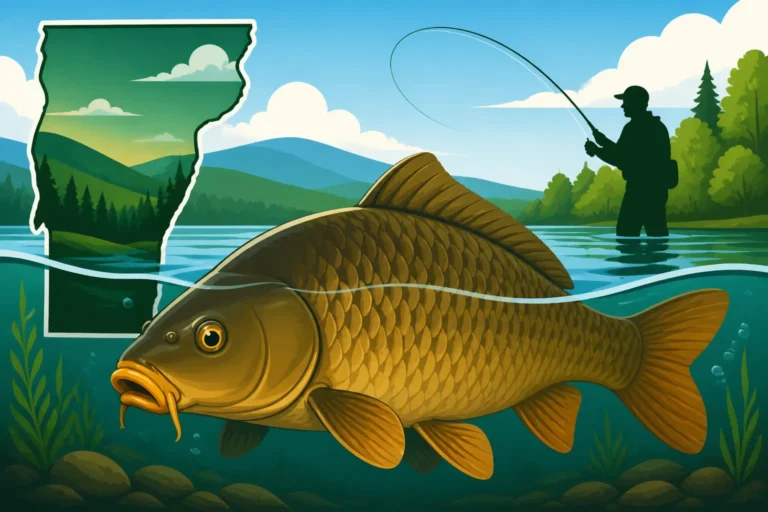
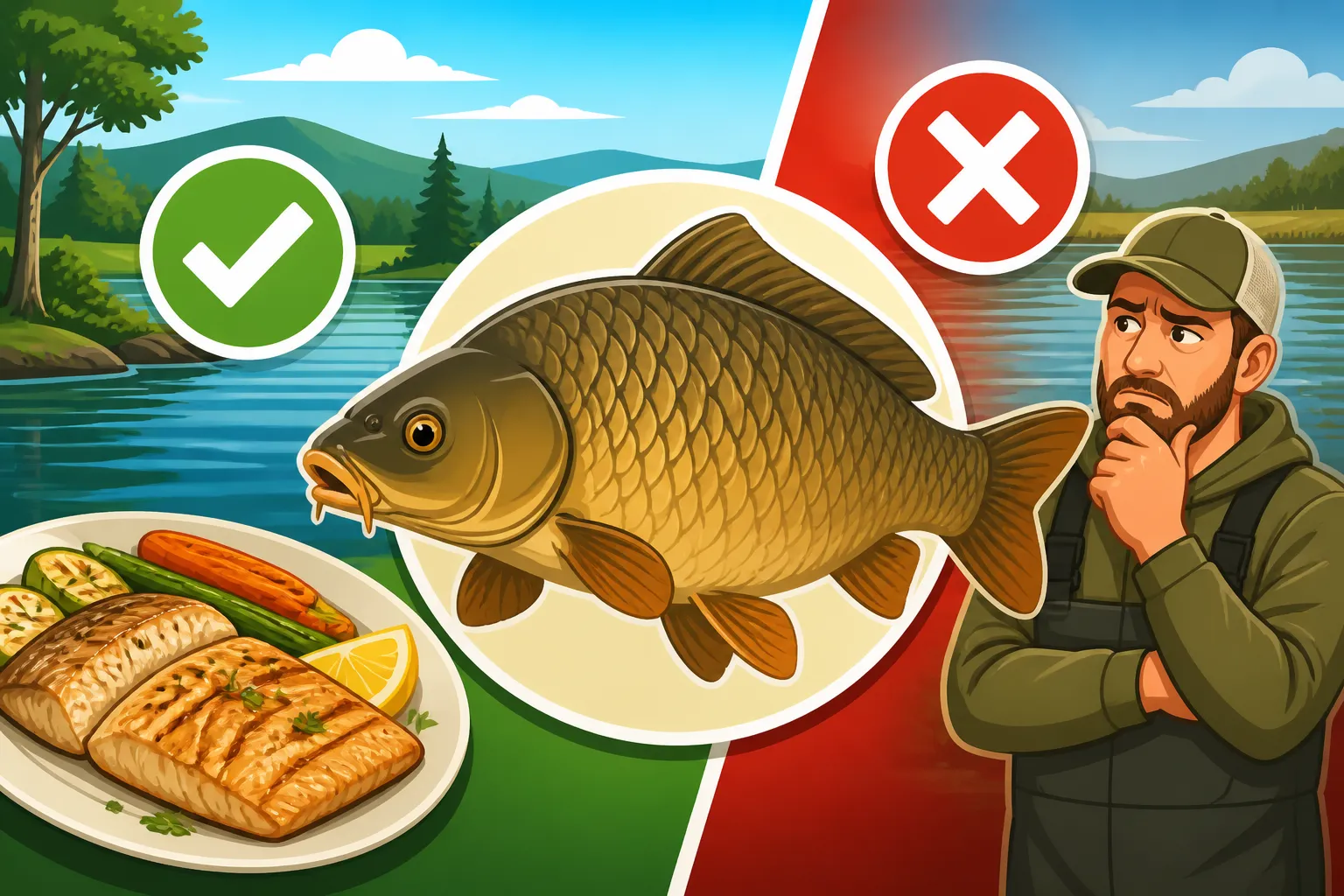
It's a question many Vermont anglers, especially those new to the scene or just curious about what's lurking beneath the surface, have pondered: are those big, often overlooked common carp swimming in our beautiful lakes and rivers actually good to eat? There's a lot of old wives' tales and ingrained biases out there about carp, often unfairly painting them as "trash fish." But before you dismiss them entirely, let's dive deep into the reality of carp as a food source in Vermont, busting myths and offering practical advice on how to turn this abundant fish into a surprisingly delicious meal.
The Misunderstood Common Carp: A Culinary History
For many North American anglers, the common carp holds a peculiar status. It's often viewed as an invasive species, a bottom feeder that muddies the waters and isn't worth keeping. This perception, however, is a relatively modern and regional one. Step outside of the continent, and you'll find a completely different story.
Why Carp Get a Bad Rap in North America
The reputation of common carp in North America largely stems from a few key factors. When they were introduced to the continent in the late 19th century, they adapted incredibly well, sometimes too well, outcompeting native species in certain environments and altering habitats by stirring up sediment. This ecological impact, combined with their sometimes murky-tasting flesh when harvested from poor water quality, led to a cultural rejection. Anglers here often prefer trout, bass, salmon, and other "game" fish, relegating carp to a lesser status. There's also the challenge of their bony nature, which can be off-putting for those unfamiliar with proper preparation techniques.
Many people also associate carp with sluggish, stagnant waters, and frankly, some of the waters they thrive in might not be the most appealing places to pull a fish out for dinner. This association, while sometimes fair, is not universally true, especially in a state like Vermont with generally good water quality. It's easy to dismiss a fish based on what you think it might taste like, rather than giving it a fair shot.
A Global Perspective: Carp as a Delicacy
Contrast the North American view with that of Europe, Asia, and other parts of the world, where carp is not just eaten, but revered as a culinary staple and even a delicacy. In many European countries, especially around Christmas, carp is the star of the festive meal, prepared with care and pride. Cultures have developed intricate methods for preparing carp to maximize its flavor and minimize its "fishy" or muddy taste, often involving purging techniques or specific cooking styles.
From carp baked with herbs and vegetables in Germany to carp prepared sweet and sour in China, or even the traditional gefilte fish of Eastern European Jewish cuisine, carp is celebrated for its rich, firm flesh. These traditions highlight that the issue isn't inherently with the carp itself, but rather with cultural perception and preparation knowledge. When you understand how different cultures approach this fish, it really opens your eyes to its potential.
Dispelling Common Myths About Carp Taste and Quality
Let's address some of the most common myths head-on.
- Myth: Carp always taste muddy. This is perhaps the biggest and most pervasive myth. While carp can taste muddy, especially if caught from stagnant, warm, or polluted water, this is not a universal truth. The taste is heavily influenced by the water quality and diet of the fish. Carp from clean, cool, flowing water, or large, deep lakes often have a mild, pleasant flavor, sometimes even described as sweet. Proper preparation also plays a huge role in mitigating any off-flavors.
- Myth: Carp are full of parasites and unhealthy. Like any wild fish, carp can host parasites. However, proper cooking to an internal temperature of 145°F (63°C) will kill any potential parasites, making the fish safe to eat. Furthermore, carp from healthy waters are generally robust and healthy fish themselves. As with any wild food, responsible sourcing and preparation are key.
- Myth: Carp are too bony to eat. Yes, common carp have a lot of intramuscular bones (y-bones) that can be challenging for the uninitiated. But this isn't an insurmountable problem. Many cultures have perfected filleting techniques to remove or minimize these bones, or they cook the fish in ways that soften or dissolve them, such as pressure cooking or pickling. Smoking carp also makes the bones much easier to pick out. Don't let the bones intimidate you; with a little practice, it's quite manageable.
Assessing Vermont Carp: Factors Affecting Flavor and Safety
So, bringing it back home to Vermont, how do our local carp stack up? The truth is, many Vermont waterways offer excellent conditions for carp that can be delicious to eat.
Water Quality and Habitat: The Biggest Flavor Influencers
The most critical factor influencing the taste of carp is the environment it comes from. Carp are highly adaptable and can survive in a wide range of conditions, but they will taste best when harvested from clean, cool, oxygen-rich waters with a good food source.
- Clean Water: This is paramount. Waters free from industrial pollutants, heavy agricultural runoff, or significant sewage will produce fish with cleaner flavors. Vermont, with its strong environmental regulations and vast stretches of relatively pristine wilderness, offers many such locations.
- Cooler Temperatures: Just like trout, carp from cooler waters tend to have firmer flesh and a less "muddy" taste. The colder months, or deeper sections of large lakes, can yield the best-tasting carp.
- Moving Water: Rivers and streams with good current tend to produce cleaner fish than stagnant ponds, as the water is constantly refreshed and less likely to develop the algae and bacteria that can contribute to off-flavors.
- Diet: Carp are omnivores, eating everything from aquatic insects and crustaceans to plant matter and detritus. A varied diet from a healthy ecosystem contributes to better flavor.
Consider the mighty Lake Champlain Fishing Guide, for instance. This massive body of water, with its deep, cold sections and constant current, supports a population of carp that can be quite good. Similarly, carp caught from the Connecticut River or other larger, flowing rivers in Vermont often yield excellent table fare.
Size Matters: Younger, Smaller Carp Tend to Taste Better
When it comes to carp, younger and smaller specimens generally offer superior eating quality.
- Flavor Profile: Younger carp (typically in the 2-5 pound range) tend to have milder, sweeter flesh with less of the strong, "fishy" flavor that some associate with larger, older carp. As carp age and grow, their flesh can become coarser and more prone to developing earthy or muddy notes, especially if they've spent a lot of time rooting around in silty bottoms.
- Flesh Texture: The flesh of smaller carp is often firmer and flakier. Larger carp can sometimes have softer, fattier flesh, which some people prefer for smoking but others find less appealing for frying or baking.
- Manageability: Smaller carp are also much easier to handle for filleting and deboning. A 2-3 pound carp is far more manageable on a cutting board than a 15-pound behemoth.
This isn't to say that large carp are inedible, but if you're looking for the best culinary experience, aim for those in the medium size range.
Vermont's Waterways and Carp Habits
Carp are present in many of Vermont's larger lakes and rivers. You'll find them in places like Lake Champlain Walleye Fishing areas, where they often share habitat with other popular species. They prefer slow-moving or still waters with soft bottoms, where they can root around for food. This doesn't mean they're exclusively in muddy sloughs, however. They are quite prevalent in the bays and shallower sections of Lake Champlain, the Connecticut River, and many of the state's larger ponds and reservoirs.
Knowing where the fish comes from is key. If you're pulling a carp from a pristine, clear-water lake, chances are it will taste much better than one from a shallow, muddy farm pond that warms up significantly in the summer. Don't hesitate to check out Best Fishing Lakes in Vermont and Best Fishing Rivers in Vermont to get an idea of where carp might be present in cleaner waters.
Here's a quick comparison of potential carp quality based on habitat:
| Habitat Type | Potential Flavor Profile | Ease of Preparation (Bones) | Best Size for Eating | Notes |
|---|---|---|---|---|
| Deep, Cold Lakes (e.g., Champlain) | Mild, sweet, firm | Moderate | 2-5 lbs | Often excellent quality due to clean, cold water. |
| Flowing Rivers (e.g., Connecticut) | Clean, slightly earthy | Moderate | 2-7 lbs | Good current keeps water fresh; flavor can vary slightly by river section. |
| Warm, Shallow Ponds | Stronger, potentially muddy | Moderate | 1-3 lbs (younger) | Highest risk of muddy taste; best to stick to very small, young fish or avoid for eating. |
| Clear, Deep Ponds | Mild, clean | Moderate | 2-5 lbs | Can be surprisingly good if the pond is clean and has good water turnover. |
Preparing Carp for the Table: Techniques to Maximize Flavor
Okay, you've caught a nice, mid-sized carp from clean Vermont water. Now what? The preparation process is absolutely critical to enjoying carp. This is where most North American anglers go wrong, treating it like any other fish, when carp requires a few specific steps to truly shine.
The Crucial First Step: Bleeding and Icing Your Catch
This step cannot be overstated for carp, or any fish you intend to eat, but especially for carp. Bleeding a fish immediately after capture helps to remove blood from the flesh, which is often a major contributor to "fishy" or "muddy" tastes.
- How to Bleed: As soon as you land the carp, make a deep cut just behind the gills, severing the arteries. You can also cut off the tail. Place the fish immediately into a cooler filled with ice water, head down if possible, to allow it to bleed out thoroughly. Let it bleed for at least 15-30 minutes. This cold environment helps stop bacterial growth and firm up the flesh.
- Why it Matters: Blood carries metabolic waste, and if it's left in the flesh, it can impart off-flavors as it oxidizes. By bleeding the fish, you're essentially ensuring a cleaner, milder tasting fillet. Think of it like preparing game meat – proper field dressing is essential for flavor.
- Icing: Keep the fish on ice or in an ice slurry until you're ready to clean it. The colder you keep it, the better the texture and flavor will be. If you're looking for a good cooler to keep your catch fresh, you can find many options on Amazon, from basic foam coolers to high-performance rotomolded ones.
Filleting and Removing the "Mud Line"
Once bled and chilled, the next critical step is proper filleting. This is where you tackle those pesky y-bones and the "mud line."
- Standard Filleting: You'll want to remove the fillets from the backbone, just like with a bass or pike. Use a very sharp fillet knife.
- Addressing the Y-Bones: The common carp has a unique set of intramuscular bones (y-bones) running through its lateral line, especially in the thickest part of the fillet. There are several ways to deal with these:
- "Ribbon" Filleting: For smaller carp, you can make a series of shallow cuts (every 1/8 to 1/4 inch) across the fillet, through the y-bones but not through the skin. This "scores" the bones, making them so tiny they essentially disintegrate when cooked, especially by frying or pressure cooking.
- V-Cut Filleting: For larger carp, after removing the main fillet, you can make two V-shaped cuts along the lateral line to remove the entire strip of flesh containing the y-bones. This sacrifices a small amount of meat but results in a completely bone-free fillet.
- Smoking/Pressure Cooking: For larger carp, these methods soften the bones to the point where they are either edible or easily picked out.
- The "Mud Line" (Red Meat): Along the lateral line, you'll often find a darker, reddish band of meat. This is often referred to as the "mud line" or "blood line" and is typically where most of the stronger, sometimes muddy, flavors reside. Always cut this dark meat out completely. It's tough, stronger tasting, and detracts from the overall flavor of the fillet. Removing it makes a huge difference.
Cooking Methods: From Smoking to Frying
Once you have clean, deboned (or scored) fillets, the cooking possibilities are endless.
- Smoking: This is hands-down one of the most popular and effective ways to prepare carp, especially larger ones. The long, slow smoking process breaks down the y-bones, infuses the meat with incredible flavor, and results in a moist, flaky product. Smoked carp is fantastic on crackers, in salads, or even as a main dish.
- Frying: For smaller, scored fillets, deep frying or pan-frying is excellent. The high heat crisps the exterior and makes the scored bones virtually undetectable. Think fish and chips! A simple breading or batter (cornmeal works great) is all you need.
- Baking/Roasting: Carp can be baked or roasted, often whole for smaller fish, or as fillets. Stuffing a whole carp with aromatic vegetables and herbs can be delicious. Ensure the internal temperature reaches 145°F.
- Pickling: A traditional method for bony fish, pickling carp (often after a initial cooking step) can also soften the bones and create a delicious, tangy dish.
- Soups/Stews: The rich flavor of carp can be excellent in heartier dishes, especially if you've used the V-cut method to remove the bony section, leaving you with bone-free chunks of meat.
Don't be afraid to experiment! Many recipes online from European and Asian cuisines offer fantastic inspiration. You can even find specialized filleting knives on Amazon that can make the process easier.
Health Considerations and Consumption Advisories for Vermont Carp
While carp from clean Vermont waters can be a delicious and healthy protein source, it's absolutely vital to be aware of local fish consumption advisories. Like all fish, carp can accumulate contaminants from their environment.
Understanding Fish Consumption Advisories
State agencies, like the Vermont Department of Health and the Vermont Fish and Wildlife Department, regularly test fish from various waterbodies for contaminants such as mercury and PCBs (polychlorinated biphenyls). Based on these tests, they issue consumption advisories that recommend limits on how much fish from specific waters, or specific species, you should eat. These advisories are particularly important for sensitive populations like pregnant women, nursing mothers, and young children.
These advisories are not meant to scare you away from eating fish, but rather to help you make informed choices to protect your health. They are based on scientific data and are crucial for safe consumption. For more details on what these advisories mean, you can check out resources like Which Vermont waters have fish consumption advisories.
General Guidelines for Eating Carp from Vermont
Even if there isn't a specific advisory for carp in a particular waterbody, it's always wise to follow some general best practices:
- Source Matters Most: As discussed, prioritize carp from large, clean, cool, and flowing waters over stagnant, warm, or potentially polluted areas.
- Smaller is Better: Opt for smaller, younger carp. Larger, older fish tend to accumulate more contaminants over their longer lifespans.
- Trim the Fat: Contaminants like PCBs tend to accumulate in the fatty tissues of fish. When cleaning carp, trim away all the dark meat, fatty belly sections, and skin. This can significantly reduce your exposure to potential contaminants.
- Vary Your Diet: Don't rely solely on one type of fish, even from clean waters. A varied diet that includes fish from different sources and species helps spread out any potential risks. Panfish Fishing in Vermont might inspire you to try other species, for example.
- Cooking Method: While not directly reducing contaminant levels in the flesh, cooking fish thoroughly is important for killing any bacteria or parasites.
Local Information Is Key: How to Check Specific Waterbodies
The most important step you can take before eating any fish from Vermont waters is to check the current consumption advisories. These advisories can change, and they are often specific to certain water bodies and fish species.
- Vermont Department of Health: This is your primary resource. Their website will have the most up-to-date information on fish consumption advisories for various lakes, rivers, and ponds across Vermont. They often have detailed maps and tables.
- Vermont Fish and Wildlife Department: This department also provides information related to fish health and regulations. Their annual Vermont Fishing Regulations Explained guide often includes or references consumption advisories.
- Local Knowledge: Talk to local bait shop owners, experienced anglers, or park rangers. They often have firsthand knowledge of specific water quality conditions and fishing trends in their area.
You might find general advisories, for example, for "bottom-feeding fish" in certain sections of Lake Champlain Fishing Guide, which would include carp. Always err on the side of caution and consult these resources before planning your carp feast. Understanding Mercury advisory fish species in Vermont waters will give you broader context on fish safety in the state.
So, are carp good to eat from Vermont waters? Absolutely! With the right knowledge about sourcing and preparation, a Vermont carp can be transformed from a "trash fish" into a delicious, sustainable, and truly rewarding meal. Don't let old prejudices or the fear of a few bones deter you. Give it a try, and you might just discover a new favorite for your dinner table.
Disclaimer
This article is for general informational purposes only and does not constitute professional advice. Laws, prices and regulations vary by location and change over time. Consult a qualified professional for guidance on your specific situation.