Life span of a walleye in the wild
It's always fascinating to think about the journey a fish takes from a tiny egg to a mature adult, especially when you're casting lines in Vermont's beautiful waters. Many anglers, myself included, often wonder just how long these finned creatures live. If you've ever pulled a hefty walleye from the depths of Lake Champlain, you might have paused to consider its age. This guide dives deep into the wild lifespan of a walleye, exploring the many elements that influence how long these incredible fish survive and thrive in their natural environment.
Understanding Walleye Lifespan in Vermont's Waters
The life of a walleye in the wild is a testament to resilience and adaptation, a dance with nature that determines how many seasons it will see. For those of us who spend our days on the water, understanding this lifespan helps us appreciate each catch and the ecosystems we're part of. It's not just about a number; it's about the entire story of the fish.
Average Lifespan: What to Expect
When we talk about the average lifespan of a walleye in the wild, we're typically looking at a range that can vary quite a bit depending on where they live. In a prime habitat like Lake Champlain, where food is abundant and conditions are generally stable, a walleye can often live for 7 to 10 years. However, it's not uncommon to find older individuals, with some reaching up to 15 or even 20 years in exceptional circumstances. Think of it like us humans; while the average lifespan might be in the 70s, some folks easily make it into their 90s or even beyond. It's all about the hand they're dealt and how they play it.
Generally, female walleye tend to live longer than males. This isn't unique to walleye; it's a common pattern in many fish species. Females often grow larger and invest more energy into reproduction over many seasons, requiring a longer life to maximize their reproductive output. Males mature earlier but might not live as long, dedicating their prime years to spawning efforts. This difference in longevity is a natural part of the species' survival strategy, ensuring a robust population generation after generation.
Factors Influencing Longevity
The number of years a walleye lives isn't set in stone; it's a fluid figure influenced by a complex web of environmental and biological factors. Imagine living in a constantly changing world where your next meal, a safe place to rest, and even the air (or water, in this case) you breathe can dictate your survival.
- Habitat Quality: This is huge. Walleye need clean, well-oxygenated water, especially during warmer months. They prefer cooler, deeper areas during the day, often near structure like rocky reefs, drop-offs, or submerged timber. If their habitat is degraded by pollution, excessive sedimentation, or lack of suitable structure, their stress levels rise, and their ability to find food and evade predators diminishes, all of which shorten their lives.
- Food Availability: A walleye needs to eat to grow and maintain its health. Abundant forage fish, like rainbow smelt or yellow perch, mean healthier, faster-growing walleye that can better withstand disease and harsh conditions. If the food chain breaks down or prey species decline, walleye will struggle to thrive, leading to shorter lifespans.
- Water Temperature: Walleye are cool-water fish. While they can tolerate a range of temperatures, prolonged exposure to overly warm water, especially during summer heatwaves, can stress them, making them more susceptible to disease and reducing their overall vigor. Conversely, extremely harsh winters with prolonged ice cover can also pose challenges.
- Disease and Parasites: Like all creatures, walleye can fall victim to diseases and parasites. A healthy immune system, often linked to good nutrition and low stress, can fend off many threats, but widespread outbreaks can significantly impact local populations and shorten individual fish lives.
- Fishing Pressure: This is where we, as anglers, come into play. Areas with high fishing pressure and high harvest rates will naturally have fewer older, larger walleye. While regulations like Vermont Walleye Limit on Lake Champlain are in place to manage this, consistent removal of mature fish means fewer individuals reach their maximum potential age. Catch-and-release practices, especially for larger breeding stock, can help extend the lives of individual fish and contribute to the overall health of the fishery.
The Journey from Fry to Old Age: A Walleye's Life Stages
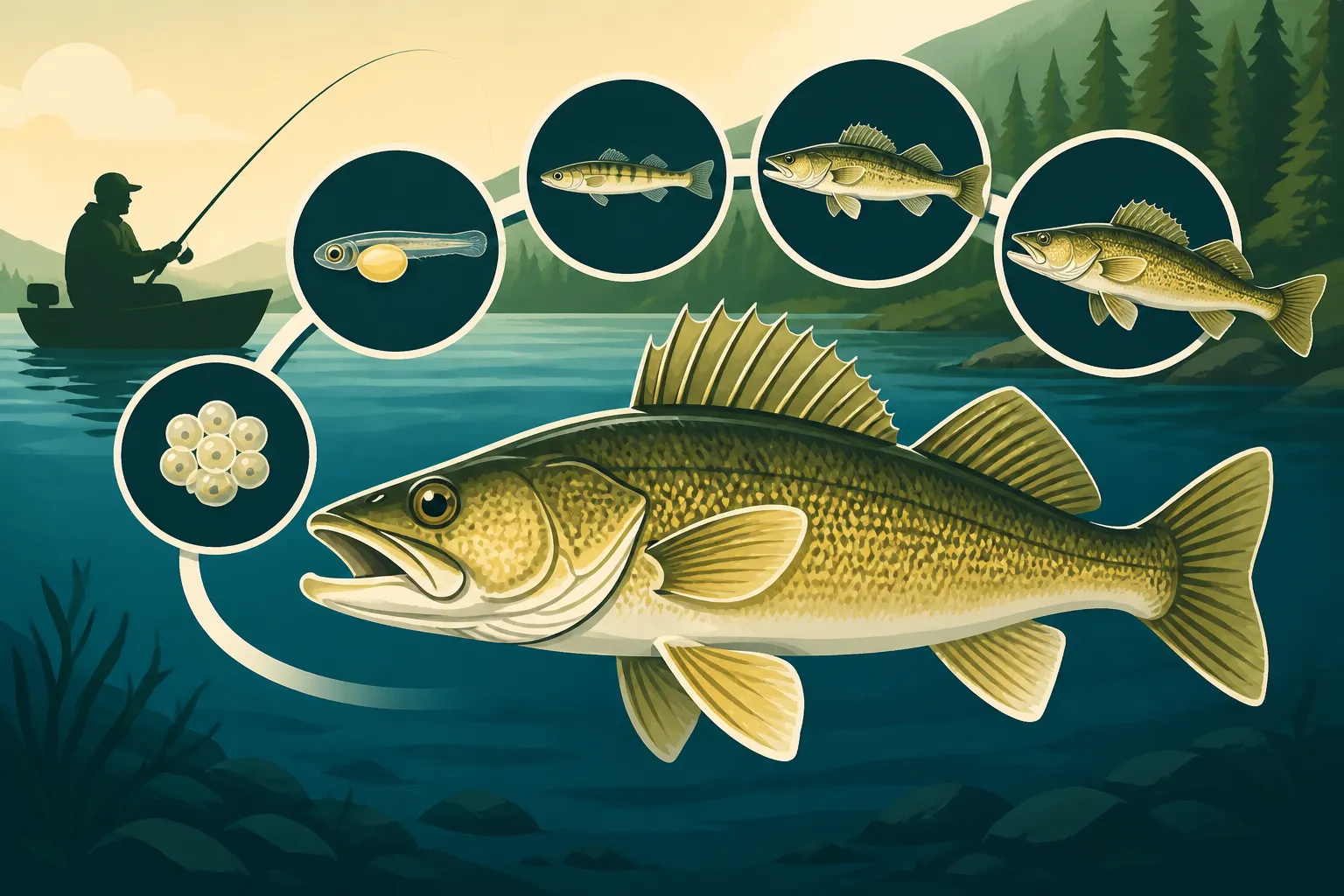
A walleye's life is a fascinating progression, each stage presenting its own set of hurdles and opportunities. From a microscopic egg to a seasoned veteran of the lake, every year passed is a victory. This journey shapes not only the individual fish but the entire population dynamics.
Early Life and Survival Challenges
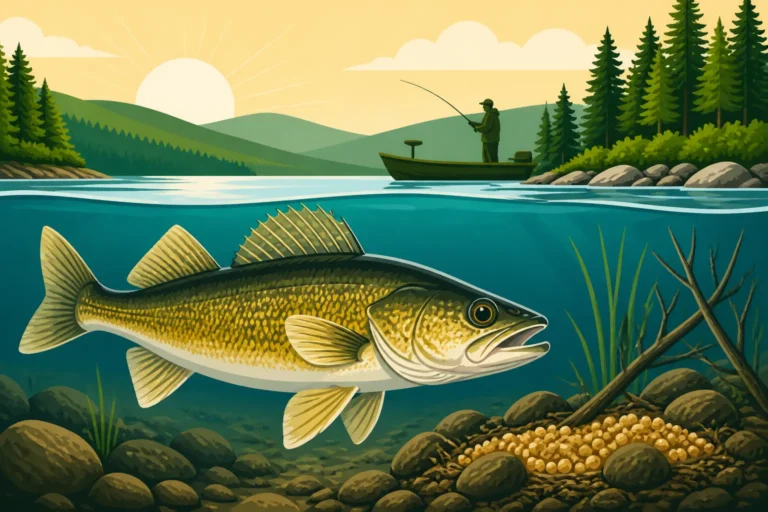
The beginning of a walleye's life is arguably its most precarious. Spawning typically occurs in the spring, often over rocky shoals or gravel beds in rivers or shallow lake areas. Female walleye scatter tens of thousands of eggs, which are then fertilized by males. These tiny, sticky eggs are left to fend for themselves, with no parental care.
The mortality rate during the egg and fry (newly hatched fish) stages is incredibly high. A vast majority of these eggs and fry won't make it to their first birthday. They face numerous threats:
- Predation: From other fish to aquatic insects and birds, almost everything bigger than a walleye fry sees it as a potential meal.
- Environmental Stresses: Fluctuations in water temperature, sudden changes in water levels, sedimentation that smothers eggs, and strong currents can all devastate an entire year class of walleye. A late spring cold snap, for instance, can be disastrous for developing eggs.
- Food Scarcity: Once hatched, fry need a consistent supply of zooplankton and then small insects. If food isn't available, they simply won't survive their first few weeks.
Only a small fraction of walleye ever make it past this initial gauntlet. Those that do reach the juvenile stage begin to feed more aggressively on small fish and grow rapidly, increasing their chances of survival.
Prime Years: Growth and Reproduction
Once a walleye survives its vulnerable early stages and enters its prime, typically around 3 to 7 years old, it experiences its most significant growth and becomes reproductively mature. This is when they truly start to look and act like the magnificent fish we know.
During these prime years, walleye dedicate considerable energy to feeding, growing, and spawning. Females begin to produce eggs, contributing to the next generation. A healthy 5-year-old female, for example, can lay tens of thousands of eggs each spring, ensuring the continuation of the species. This period is critical for the overall health of the walleye population. The bigger and healthier the fish are during these years, the more successful their spawning efforts will be.
It's also during these years that they become a prized catch for anglers. A prime walleye is strong, vibrant, and actively feeding, making for an exciting fight on the line. Anglers often target specific areas known for good walleye populations, utilizing techniques like those described in How to Catch Walleye on Lake Champlain or Best Techniques for Fall Walleye.
Senior Walleye: The End of the Line
As walleye age beyond their prime, typically past 10-12 years, their growth rate slows down considerably. While they might still pack on some weight, the rapid increase in length from their younger years diminishes. Their reproductive output might also start to decline, with fewer or less viable eggs produced in older females.
Natural causes of death become more prevalent for senior walleye. Their metabolism slows, their immune systems might weaken, and they become less efficient at hunting or evading predators.
- Declining Health: Organs might begin to fail, or they might simply succumb to old age.
- Reduced Efficiency: Older fish might struggle to compete with younger, more vigorous walleye for food resources or prime habitat spots.
- Increased Vulnerability: Their slower reactions make them easier targets for larger predators (though fully grown walleye have few natural predators other than other large fish or occasional birds of prey).
Eventually, all walleye will complete their life cycle. A walleye that reaches 15-20 years old is truly a veteran, having navigated countless challenges and contributed significantly to its species. These ancient fish are often revered by anglers who understand the rarity of such a catch.
Role of Environment and Angling in Walleye Lifespan
The delicate balance of an ecosystem plays a massive role in the health and longevity of its inhabitants, and walleye are no exception. Our actions as humans, particularly as anglers and stewards of the environment, also leave a significant footprint.
Impact of Water Quality and Habitat
Walleye are incredibly sensitive to their environment. They rely on specific conditions to survive and thrive, and any deviation can impact their lifespan.
- Clean Water: Just like we need clean air, walleye need clean water. Pollutants, whether from agricultural runoff, industrial discharge, or stormwater, can introduce toxins that stress fish, reduce their growth rates, impair their reproductive functions, and directly shorten their lives. A sudden influx of chemicals can lead to widespread fish kills, but even chronic, low-level pollution takes a toll over time.
- Oxygen Levels: Walleye need dissolved oxygen in the water to breathe. Warm water holds less oxygen, which is why walleye often retreat to deeper, cooler parts of lakes like Lake Champlain during summer. Algal blooms, often fueled by nutrient pollution, can lead to oxygen depletion when the algae die and decompose, creating "dead zones" where fish cannot survive. Maintaining healthy oxygen levels is paramount.
- Suitable Structure: Walleye are ambush predators and depend on structure for both hunting and protection. Rocky reefs, gravel beds, submerged timber, and healthy weed lines provide crucial habitat. These areas are vital for spawning, foraging, and resting. Loss of such habitat, perhaps due to shoreline development or dredging, directly impacts where walleye can live and reduces the overall carrying capacity of the water body. For example, understanding Where to Find Walleye on Lake Champlain often involves knowing the key structural elements they favor.
Predation and Competition
While humans are a significant factor, walleye also face natural predation and competition throughout their lives.
- Natural Predators: In their early stages, walleye eggs and fry are food for a wide array of creatures, including other fish, insects, and birds. As they grow, larger walleye, northern pike, and even lake trout can prey on smaller walleye. Birds like ospreys and cormorants can also take their toll, particularly on younger fish. However, once walleye reach a substantial size, their predators in the water become fewer, mainly restricted to the largest of their kind or other apex predators.
- Competition for Food: Walleye aren't the only fish in the lake. They compete with species like smallmouth bass, northern pike, and lake trout for forage fish. If the food base is insufficient, intense competition can lead to slower growth rates, reduced fat reserves, and overall weaker fish that are less likely to survive through harsh periods or resist disease. This competition can influence What walleye eat on Lake Champlain and force them to adapt their diets.
Angling Pressure and Catch-and-Release
Our impact as anglers is undeniable and often the most directly manageable factor influencing walleye lifespan.
- Harvest Rates: If too many walleye are harvested, especially the larger, older breeding females, it can skew the population structure, reduce the number of fish reaching older ages, and potentially impact future spawning success. Regulations exist, such as specific length limits and daily bag limits (like Vermont Walleye Limit on Lake Champlain), to help manage this. These limits aim to allow enough fish to reach reproductive age and contribute to the population before being harvested.
- Catch-and-Release: The practice of catch-and-release is vital for sustaining healthy fisheries, especially for species that can live long lives. When done properly, it allows fish to return to the water and continue their life cycle, potentially growing larger and spawning again. This is particularly important for trophy fish, as an older, larger fish has proven its genetic fitness and likely contributed significantly to the gene pool. If you're practicing catch-and-release, minimizing handling time, using appropriate tackle to avoid deep hooking, and releasing fish gently are all crucial steps.
- Tournament Fishing: While often well-regulated, tournaments can place additional stress on fish, particularly if fish are held in livewells for extended periods or subjected to rapid changes in water temperature and pressure. Best practices in tournaments focus on minimizing stress and ensuring high survival rates post-release.
Identifying a Walleye's Age (and Why It Matters to Anglers)
While you're not going to be pulling out calipers and magnifying glasses on the water, understanding how fish age is determined gives you a deeper appreciation for the science behind fisheries management and the fish you catch. It also helps us appreciate the true "trophy" status of a truly old walleye.
Scientific Methods for Age Determination
Fisheries biologists use a few incredibly clever methods to determine the age of a fish. It's much like how we can tell the age of a tree by counting its rings.
- Otoliths (Ear Bones): These small, calcium carbonate structures found in a fish's inner ear are the most accurate way to age many fish, including walleye. As the fish grows, the otoliths grow, adding layers that appear as rings, similar to tree rings. By carefully slicing an otolith and examining it under a microscope, biologists can count these annual growth rings (annuli) to determine the fish's exact age. This process usually requires sacrificing the fish, so it's only done on a subset of sampled fish.
- Scales: While less accurate than otoliths, scales also show annual growth rings. Biologists can take a few scales from a fish, mount them, and count the annuli. This method is non-lethal and often used in conjunction with length and weight measurements to estimate growth rates and overall fish health. The rings on scales can be harder to interpret accurately, especially in older fish where the rings become very close together.
This data is crucial for effective fisheries management. By knowing the age structure of a walleye population (how many young fish, how many mature, how many old), biologists can:
- Assess population health: Are there enough young fish surviving? Are older fish being overharvested?
- Set appropriate regulations: Age data helps determine if current bag limits and length limits are allowing enough fish to reach reproductive age and contribute to the population.
- Monitor growth rates: If fish are growing slowly, it might indicate issues with food availability or habitat quality.
- Understand spawning success: By tracking age classes, biologists can see which years had strong hatches and which were weaker.
Estimating Age in the Field
As an angler, you're certainly not going to be performing otolith readings on the boat! However, you can develop a general sense of a walleye's age based on its size, with a few important caveats.
- Size-to-Age Approximations: Generally, a larger walleye is an older walleye. Here's a very rough table for Lake Champlain walleye, but remember, growth rates can vary wildly based on food, genetics, and environmental conditions:
| Approximate Age (Years) | Typical Length Range (Inches) | Notes |
|---|---|---|
| 1-2 | 8-12 | Often still growing rapidly; immature. |
| 3-4 | 13-17 | Reaching maturity, consistent growth. |
| 5-7 | 18-22 | Prime reproductive years, good size. |
| 8-10 | 23-26 | Mature, significant growth slows. |
| 10+ | 27+ | Older, trophy-sized fish. |
- Visual Cues for Older Fish: Beyond just length and weight, older walleye can sometimes show subtle signs of their age. They might have a slightly larger head-to-body ratio, especially if they've lost some condition in their later years. Their fins might show more wear and tear, and their overall appearance can convey a sense of a seasoned survivor.
- Why an Angler Might Care: Knowing the general age of the fish you catch adds another layer of appreciation to your fishing experience. Catching a walleye over 25 inches, for instance, isn't just about the size; it's about connecting with a fish that has likely survived for over a decade in the wild. It underscores the importance of practices like catch and release walleye fishing on Lake Champlain for preserving these long-lived individuals. It makes you think about all the seasons that fish has seen, all the challenges it has overcome. It's a true survivor, and that's something special to respect and celebrate.
Understanding the life span of a walleye in the wild makes every fish you encounter a part of a much larger, ongoing story in Vermont's incredible waters.
Disclaimer
This article is for general informational purposes only and does not constitute professional advice. Laws, prices and regulations vary by location and change over time. Consult a qualified professional for guidance on your specific situation.