Where chain pickerel live in Vermont
It can be incredibly frustrating when you're geared up for a specific fish species, like the feisty chain pickerel, but aren't quite sure where to begin your search in a state as diverse as Vermont. You know they're out there, lurking, but pinpointing their preferred watery homes can feel like a puzzle. This guide aims to demystify the chain pickerel's habitat, helping you understand exactly where these toothy predators thrive across Vermont's beautiful lakes, ponds, and rivers.
Understanding the Chain Pickerel's Preferred Environment
Chain pickerel are fascinating fish, and once you understand their ecological niche, you'll start to see potential habitats everywhere. They're not the open-water cruisers like some trout or salmon; instead, they are masters of ambush, perfectly evolved to strike from cover. This inherent predatory style dictates their living preferences, making certain types of water bodies far more appealing than others.
The Appeal of Shallow, Vegetated Waters
If there's one defining characteristic of prime chain pickerel habitat, it's shallow water loaded with vegetation. Think lily pads, cattails, submerged weeds, and brush piles – basically anything they can hide in or around. These dense underwater jungles provide the perfect camouflage for a pickerel to lie in wait, ready to dart out and snatch an unsuspecting minnow, frog, or even a smaller fish. The shallower depths mean these areas warm up faster in spring and retain heat, fostering a rich ecosystem of baitfish and amphibians that pickerel absolutely love. This also means these spots are often accessible to shore anglers or those in smaller craft like kayaks and canoes.
Many anglers might pass over these "weedy" spots, thinking they're too difficult to fish or just full of snags. But for the chain pickerel, it's paradise. They thrive where other fish might struggle to maneuver, using the dense cover to their advantage both for hunting and for protection from larger predators. When you're out on the water, don't shy away from these green havens; they're often goldmines for pickerel.
Water Clarity and Temperature Tolerances
While chain pickerel aren't overly picky about water clarity, they often favor waters that aren't crystal clear. Slightly stained or turbid water can actually enhance their ambush tactics, making it harder for prey to spot them before it's too late. Extremely clear, cold mountain streams, for example, are rarely pickerel territory; those are typically reserved for trout. Pickerel prefer a more moderate temperature range, often found in the warmer, slower-moving waters of ponds and lake bays. They are quite tolerant of a wide range of temperatures, meaning they can be active from ice-out well into the late fall.
You'll find them active even under the ice, which is why Vermont Ice Fishing Season Dates often see anglers targeting them. However, during the peak heat of summer, they might retreat to slightly deeper pockets within their preferred shallow areas, especially if those spots still offer ample cover like dense weed beds or submerged timber. They're resilient fish, but like all creatures, they'll seek comfort and optimal hunting conditions.
Ambush Predators and Structure Dependence
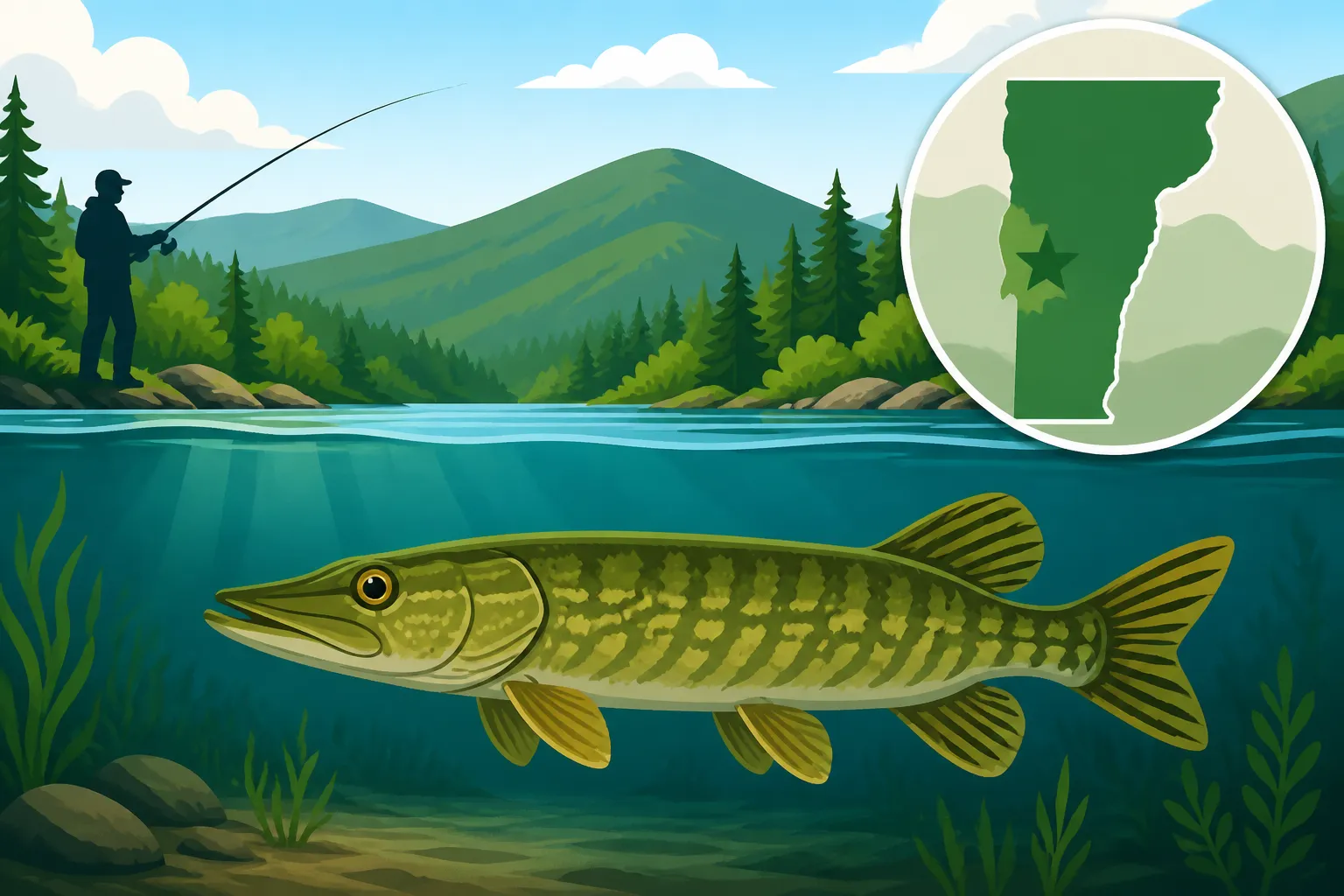
Chain pickerel are classic ambush predators. Their elongated, torpedo-shaped bodies and sharp teeth are built for explosive, short-distance strikes. This means they are highly dependent on structure – anything that breaks up the open water and allows them to conceal themselves. This isn't just about weeds; it can also include fallen trees, submerged logs, rock piles, old dock pilings, or even changes in bottom contour that create a ledge or drop-off near shallow flats. The more complex the cover, the more options a pickerel has for hiding and launching an attack.
Think about fishing around an old beaver lodge or a section of shoreline choked with brush that's fallen into the water. These are perfect scenarios. The pickerel will sit perfectly still, often camouflaged by their distinctive chain-link pattern, waiting for an opportune moment. This also means that anglers targeting pickerel need to consider weedless lures and robust tackle to pull these fighters out of their snag-filled homes. You can find a vast array of weedless spoons and soft plastics suitable for pickerel fishing on Amazon.
Prime Vermont Waterbodies for Chain Pickerel
Vermont is blessed with a diverse array of water bodies, and while many hold various fish species, certain types truly stand out as prime chain pickerel territory. Knowing what kind of water to look for can drastically improve your chances of a successful outing.
Small Ponds and Backwaters
Hands down, some of the best chain pickerel fishing in Vermont can be found in smaller, often overlooked ponds and the quiet backwaters of larger lakes and rivers. These typically feature extensive shallow flats, abundant aquatic vegetation, and often less fishing pressure than main lake bodies. They are usually warmer and have a rich insect and baitfish population, creating a perfect nursery and hunting ground for pickerel. Places like beaver ponds, small glacial kettle ponds, and the shallow coves of larger lakes are quintessential pickerel haunts.
When exploring these smaller bodies of water, look for areas where streams feed in or out, creating slightly different depths or currents, but always with that characteristic cover. These smaller, more intimate settings can offer some truly fantastic action. It's in these quiet corners that you'll likely find a good number of pickerel, sometimes even trophy-sized ones that have grown fat on the plentiful forage. For more details on these specific locations, check out Best pickerel ponds in Vermont.
Large Lakes and Their Weedy Bays
While the main basins of Vermont's larger lakes might be too deep and open for the average chain pickerel, their sprawling bays, coves, and shallower arms are absolutely prime real estate. Think of Lake Champlain, Lake Memphremagog, Lake Bomoseen, or Lake Dunmore – each of these has numerous protected bays and shallower sections that are choked with weeds, offering ideal conditions. These areas often feature extensive beds of milfoil, coontail, or lily pads that extend outwards from the shoreline, providing endless ambush points.
For instance, on Lake Champlain, anglers often find pickerel in the shallow, vegetated sections of Missisquoi Bay or the shallower southern reaches of the lake. These bays act like giant warm-water ponds, complete with all the habitat features pickerel crave. Lake Champlain Fishing Guide offers more insight into different species, but don't overlook its weedy bays for pickerel. You'll often find them sharing these spaces with largemouth bass, and they'll readily strike the same lures.
Slow-Moving River Sections and Oxbows
Rivers might seem less obvious than ponds, but chain pickerel are perfectly at home in slow-moving river sections, oxbow lakes, and back channels where the current is minimal. The key here, again, is the presence of ample vegetation and structure, and the lack of strong currents that pickerel tend to avoid. Many of Vermont's larger rivers, such as the Winooski River or the Lamoille River, have stretches that fit this description. Look for bends in the river where the current slows, creating eddies, or old river channels that have been cut off, forming stagnant or slow-flowing oxbows.
These riverine habitats often come with the added bonus of fallen trees and debris, providing even more cover than just aquatic plants. A perfect example would be the slower, shallower sections of the Connecticut River on Vermont's eastern border. While many associate the Connecticut with smallmouth bass and trout, its backwaters and slower segments can hold good numbers of pickerel. Fishing these spots often requires a boat or kayak to access the prime areas, allowing you to thoroughly work the edges of weed lines and submerged timber. A reliable fishing kayak, easily found on Amazon, can be a great tool for this.
Here's a quick comparison of common pickerel habitats:
| Habitat Type | Typical Depth | Vegetation Presence | Water Flow | Common Pickerel Size | Accessibility |
|---|---|---|---|---|---|
| Small Ponds/Kettle Lakes | Very Shallow (2-10 ft) | Abundant | Stagnant | Small to Medium | Shore, Kayak, Canoe |
| Large Lake Weedy Bays | Shallow (3-15 ft) | Abundant | Minimal | Medium to Large | Boat, Kayak |
| Slow River Sections/Oxbows | Shallow to Moderate (4-12 ft) | Moderate to Abundant | Slow to Stagnant | Small to Medium | Shore, Kayak, Canoe |
| Marshy Backwaters | Very Shallow (1-5 ft) | Extremely Abundant | Stagnant | Small | Kayak, Canoe |
Regional Hotspots and Specific Vermont Locations
Vermont is a state of distinct geographical regions, and each offers unique opportunities for finding chain pickerel. While they aren't found in every single water body, certain areas are renowned for their pickerel populations.
The Champlain Valley and its Connected Waters
The Champlain Valley, particularly the shallower areas of Lake Champlain itself and its numerous tributaries and associated ponds, is a major stronghold for chain pickerel. The expansive weed beds, warm water, and abundant forage found in the lake's bays (like Missisquoi Bay, Mallets Bay, and the southern portions) create an ideal environment. Beyond the big lake, the smaller ponds and marshy areas connected to the lake basin often hold excellent numbers of pickerel. These include places like the Dead Creek in Addison County or certain sections of the Otter Creek, where the current is slack and aquatic vegetation flourishes.
Anglers targeting largemouth and smallmouth bass in these areas will frequently encounter pickerel, as they share very similar habitat preferences. It's not uncommon to catch a feisty pickerel while flipping a jig into lily pads for bass. The sheer volume of suitable habitat in this region makes it a top destination for pickerel anglers. Understanding Vermont Bass Minimum Length Limits or Vermont Largemouth Bass Minimum Length Limit can be helpful if you're targeting multiple species in these shared habitats.
Southern Vermont's Ponds and Reservoirs
Moving south, Vermont's landscape changes, but the pickerel populations remain strong in specific water bodies. Southern Vermont is dotted with numerous small to medium-sized ponds and a few larger reservoirs that offer excellent chain pickerel fishing. Lakes like Lake Bomoseen, Lake St. Catherine, and Harriman Reservoir all have ample shallow, vegetated areas that pickerel call home. These lakes are popular for a variety of species, but the pickerel definitely carve out their niche in the weedier sections.
Many of these southern ponds are easily accessible, offering good shore fishing opportunities or easy kayak launches. The key, as always, is to seek out those distinct areas of dense aquatic growth. Don't be afraid to cast into seemingly impenetrable weed beds; that's often exactly where the pickerel are hiding. For instance, Lake Bomoseen Fishing Guide will give you a broader overview of the lake, but remember to focus on its shallower, weedy coves for pickerel.
The Northeast Kingdom's Hidden Gems
The rugged and wild Northeast Kingdom of Vermont might be more famous for its cold-water trout and salmon lakes like Lake Willoughby or Seymour Lake, but it also holds a surprising number of excellent pickerel waters. These are often smaller, less-pressured ponds and boggy areas that provide perfect shallow, vegetated habitat. While some of the larger, deeper lakes might have pickerel in their specific shallow bays, it's often the smaller, named or unnamed ponds that offer the most consistent action.
Look at maps for ponds with extensive shallow contours and marshy edges. Places like Newark Pond, Joe's Pond, or many of the smaller interconnected ponds in the region can be fantastic. These can often feel like true wilderness experiences, adding an extra layer of enjoyment to your fishing trip. While Lake Willoughby Landlocked Salmon Fishing might draw the crowds, a quiet pond nearby could be teeming with pickerel.
How to Identify Potential Pickerel Habitat on Your Next Outing
Finding pickerel isn't just about knowing which lakes or rivers to go to; it's about knowing what to look for once you're there. Developing an eye for pickerel habitat will make you a much more effective angler.
Visual Cues: Weeds, Logs, and Lily Pads
The most obvious visual cues for pickerel habitat are dense growths of aquatic vegetation. Look for patches of lily pads, particularly those with open lanes or edges nearby, which create perfect ambush points. Submerged weed beds, identifiable by darker patches of water or areas where weeds break the surface, are also critical. Beyond vegetation, keep an eye out for any kind of woody cover: fallen trees, brush piles, old dock remnants, or even just individual logs sticking out of the water. These structures offer concealment and shade.
When you approach a likely spot, observe the water carefully. Sometimes you'll see baitfish darting nervously, indicating a predator might be lurking. Even the ripple from a recent strike could point you in the right direction. Remember, pickerel are often found in water as shallow as one or two feet, so don't overlook areas that seem too skinny for fish.
Using Maps and Technology to Find Cover
Before you even launch your boat or step onto the bank, modern tools can give you a significant advantage. Topographic maps, especially those designed for anglers, often highlight depth contours and shallow areas. Look for sections with extensive shallow flats that are likely to hold vegetation. Satellite imagery on mapping apps can reveal broad patterns of aquatic growth, especially lily pad fields and large weed beds.
Fish finders, especially those with good side-imaging or down-imaging capabilities, can reveal submerged logs, brush piles, and the edges of weed lines that are invisible from the surface. Pay attention to sudden changes in depth or structure that create an edge. These edges are often highways for baitfish and prime patrol routes for pickerel. Using a portable fish finder, readily available on Amazon, can be a game-changer for identifying pickerel hotspots.
Reading the Water for Pickerel Activity
Beyond the visual and technological aids, learning to "read the water" is an invaluable skill. This involves observing subtle signs that indicate fish presence. Surface activity, like a splash from a feeding fish, or baitfish scattering, are obvious clues. But also pay attention to how the wind and current are affecting the water. Wind-blown points or shorelines can concentrate baitfish, in turn attracting pickerel.
Consider the time of day and year. Early morning and late evening often see pickerel becoming more active in shallower water. During cooler seasons, they might hug the bottom structure more tightly. After a rain, runoff might create slightly stained water near inlets, which can be an attraction. By combining these observations with your knowledge of their preferred habitat, you'll be well on your way to consistently finding chain pickerel in Vermont.
Disclaimer
This article is for general informational purposes only and does not constitute professional advice. Laws, prices and regulations vary by location and change over time. Consult a qualified professional for guidance on your specific situation.