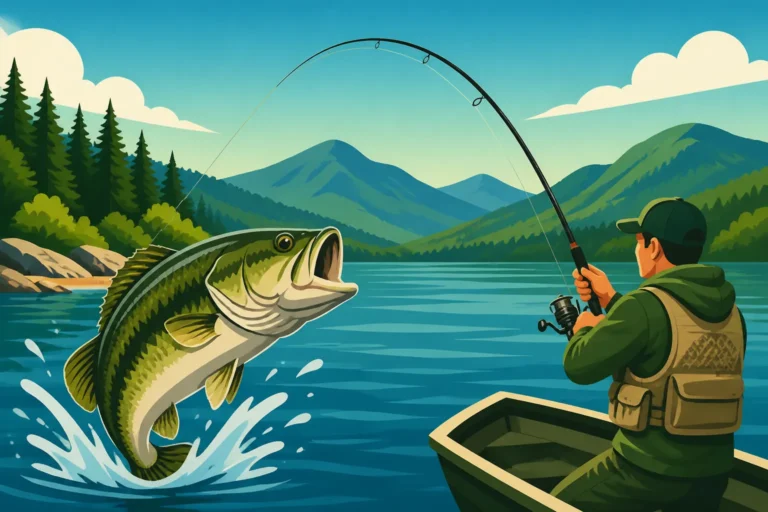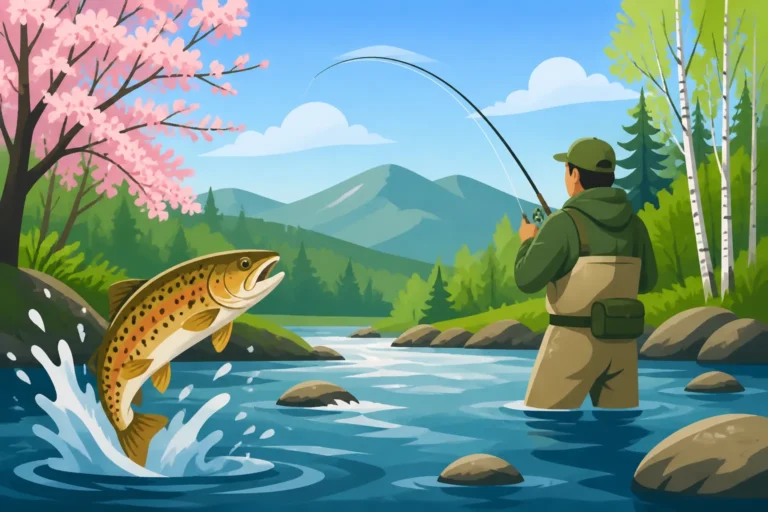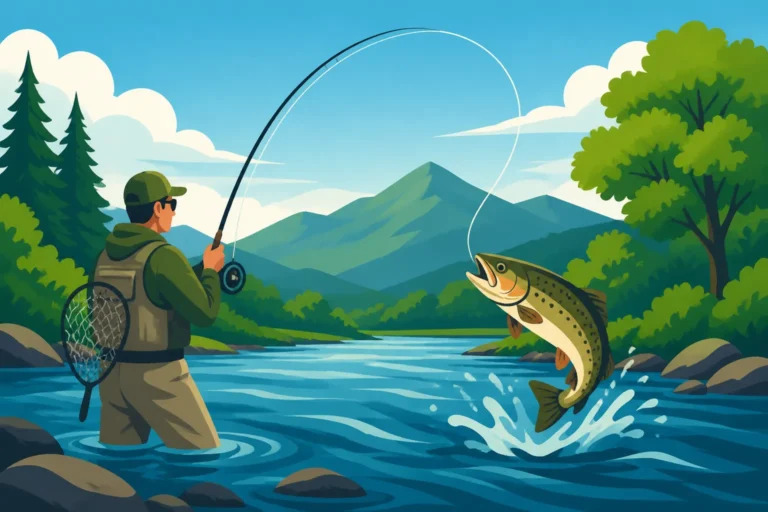
Lake Willoughby Landlocked Salmon Fishing
There’s something truly special about chasing landlocked salmon, and when you combine that with the pristine, deep waters of Lake Willoughby, you're in for an unforgettable experience – and often, a real challenge. Many anglers dream of battling these powerful fish, but the unique conditions of Willoughby can make it tricky to find them, let alone entice a strike. This comprehensive guide is designed to help you unravel the mysteries of Lake Willoughby's landlocked salmon fishery, equipping you with the knowledge, spots, and techniques to make your next trip a triumph.
Understanding Lake Willoughby's Landlocked Salmon Fishery
Lake Willoughby isn't just any lake; it's a geological marvel, often dubbed the "Lucerne of America" due to its stunning fjord-like appearance. But for anglers, its deep, cold, and incredibly clear waters create a unique ecosystem that perfectly suits the elusive landlocked salmon.
The Allure of Landlocked Salmon in Vermont
For many Vermont anglers, the landlocked salmon is a fish of legend. These aren't your typical stocked trout; they possess an undeniable wildness, a raw power that makes every hook-up an adrenaline-fueled battle. They're streamlined, silver torpedoes, built for speed and fighting ferocity. What makes them "landlocked" is exactly what it sounds like – they are Atlantic salmon that, through natural or human intervention, no longer have access to the ocean. Instead, they complete their entire life cycle in freshwater, adapting to large, deep, cold lakes like Willoughby.
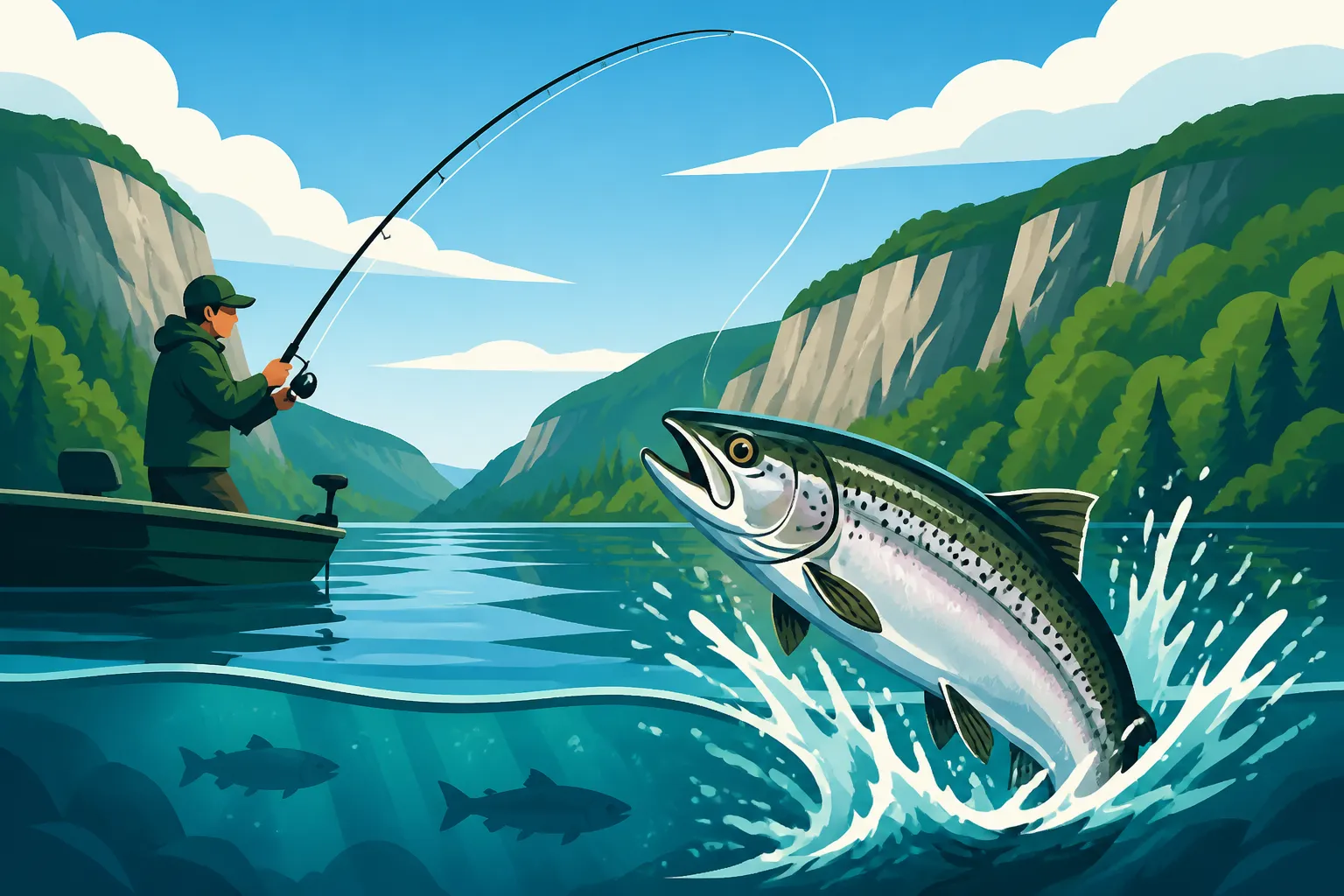
Vermont's landlocked salmon are revered not just for their fight, but for their beauty and the challenge they present. They thrive in these deep, oxygen-rich environments, feeding primarily on baitfish like rainbow smelt. This specialized diet and habitat preference make them a highly sought-after species, and Lake Willoughby is arguably one of the best places in the state to target truly impressive specimens. Their iridescent silver flanks, punctuated by small dark spots, shimmer with an almost ethereal glow when you finally bring one boatside. It’s a moment of pure angling joy that keeps us coming back for more, despite the hours of effort that often precede it.
Unique Characteristics of Lake Willoughby
Lake Willoughby stands out even among Vermont's many beautiful lakes. Formed by glacial action, it plunges to depths exceeding 300 feet, making it the deepest lake entirely within Vermont. This extreme depth is crucial for landlocked salmon, as it provides the cold, stable temperatures and high oxygen levels they demand, especially during the warmer summer months. The lake's clarity is also remarkable, often boasting visibility of 30 feet or more, which means these fish are often spooky and require a stealthy approach.
The steep, rocky shorelines quickly drop off into deep water, creating abrupt changes in contour that salmon often patrol. There are fewer extensive shallow flats compared to other lakes, meaning salmon can be found suspended at various depths over vast, open water, or hugging the steep underwater cliffs. Understanding this topography is key to finding fish, as they will relate to these depths for thermal comfort and for hunting their primary food source: smelt. The crystalline water, while beautiful, also means that your presentation needs to be incredibly natural and subtle, as these fish have plenty of time to inspect your offering.
Seasonal Movements and Behavior
Landlocked salmon in Lake Willoughby are highly migratory, their movements dictated primarily by water temperature and the availability of their favorite meal, rainbow smelt. Their behavior changes dramatically throughout the year, meaning your tactics need to adapt with the seasons.
During ice-out in early spring, usually April or early May, salmon will cruise the upper water column and even nearshore areas as the water warms slightly and smelt move into shallower water to spawn. This is a fantastic time for aggressive trolling or even casting from shore in specific spots. As summer progresses, the lake stratifies, forming a distinct thermocline. Salmon retreat to the deeper, colder, oxygen-rich waters below the thermocline, often suspending over depths of 50 to 100 feet or more. This is when downriggers become indispensable for reaching fish that might be 30, 40, or even 60 feet down. The challenge here is finding the "sweet spot" within this vast vertical range. Come fall, typically late September through November, water temperatures begin to cool and homogenize. This triggers the salmon's spawning run. They move into shallower areas, especially around tributary mouths or rocky shoals, where they prepare to lay their eggs. This can be an incredible time for targeting them with flies or shallow-running stickbaits, as they become more accessible and aggressive. During the ice fishing season, usually December through March, salmon will still be found suspended in the water column, often associated with deep points or humps, though they can be harder to pinpoint through the ice. Understanding these seasonal shifts is the first step to consistent success. For a broader overview of when different species are active, check out our guide on Vermont Fishing Seasons by Month.
Prime Fishing Spots and Access on Lake Willoughby
Lake Willoughby can feel immense, and trying to find the best spots for landlocked salmon without a map or local knowledge can be like finding a needle in a haystack. Knowing where these fish tend to congregate and how to access those areas is critical.
Key Trolling Lanes and Depths
For most anglers targeting landlocked salmon on Willoughby, trolling is the name of the game, and certain areas consistently produce better results. The north end of the lake, particularly the deeper sections leading into the narrower northern basin, is a well-known salmon haunt. Fish often stage here, especially during the spring and fall. Trolling a grid pattern over depths ranging from 60 to 120 feet, varying your lure depths, is a common and effective strategy. Focus on the sharp drop-offs and underwater points that extend from the shoreline.
Another productive area is the mid-lake basin, particularly along the deeper troughs and humps. While seemingly featureless on the surface, your fish finder will reveal subtle contours and depth changes that act as fish magnets. In summer, concentrate on depths where the thermocline sits, often around 30-60 feet down, over actual bottom depths of 80-150 feet. Landlocked salmon love to suspend just above or within the cooler, oxygenated water. During periods of low light, such as dawn or dusk, don't be afraid to experiment with shallower presentations, even over deep water, as salmon might push bait closer to the surface. It's all about finding that optimal temperature and food source, and often, the fish are suspended high above the deepest parts of the lake.
Shoreline and Tributary Access Points
While Willoughby is famous for its deep-water trolling, there are opportunities for shore-based anglers, especially during the early spring and late fall. The north beach area provides excellent public access, and in the spring, as smelt move into shallower waters to spawn, salmon will follow. Casting spoons or stickbaits from shore can be surprisingly effective during these periods. The mouth of the Willoughby River at the southern end, and other smaller unnamed tributaries, become critical staging areas for spawning salmon in the fall.
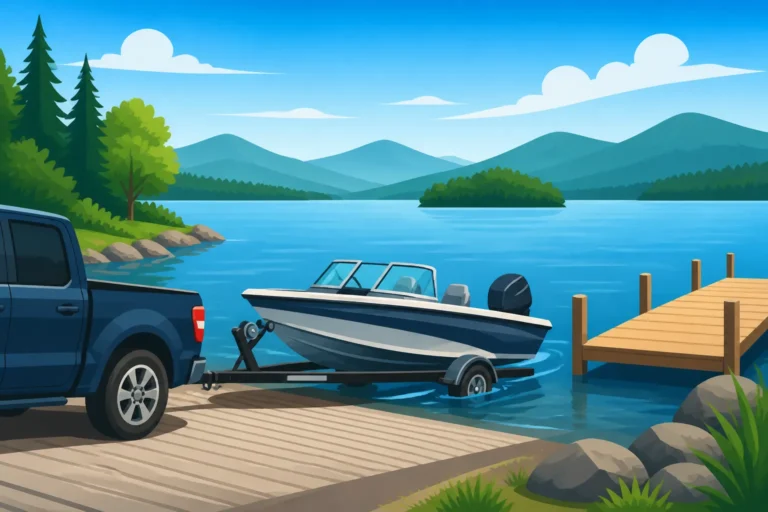
Access to Lake Willoughby is generally good. The public boat launch on the west shore, off Route 5A, is a primary access point for trailer boats. There's also access from the north end. For those looking to explore with smaller craft, various pull-offs along Route 5A offer limited, informal access for kayaks and canoes. Always be mindful of private property and respect the local rules. If you're interested in alternative access methods, learning about Best Kayak Fishing Spots in Vermont might offer some ideas, even if not specific to salmon, the principles of access can apply. Remember, even from shore, knowing the general rules for species like salmon is key, which you can find in resources like Vermont Landlocked Salmon Regulations.
Navigating Willoughby's Challenges
Lake Willoughby's beauty comes with its own set of challenges that anglers need to respect. First and foremost is the depth and coldness. Even in summer, the deep water below the thermocline remains frigid, and sudden capsizing or falling overboard can be incredibly dangerous. Always wear a PFD, especially when boating alone. The sheer size of the lake, combined with its north-south orientation, means winds can whip up quickly, creating significant waves that can be hazardous for smaller boats. Always check the weather forecast before heading out.
The lake's exceptional clarity means that salmon are often very line-shy and can spot boats or unnatural presentations from a distance. Long fluorocarbon leaders are essential. Fishing during low light conditions (dawn, dusk, or overcast days) can also improve your chances as the fish feel more secure. Finally, finding these pelagic fish in such a vast body of water is a challenge in itself. It requires patience, good electronics, and a willingness to constantly experiment with depths, speeds, and lures. Don't get discouraged if you don't find them immediately; persistence is key on Willoughby.
Essential Gear and Tackle for Willoughby Salmon
Just like any specialized fishing, targeting landlocked salmon on Lake Willoughby demands the right tools for the job. You wouldn't bring a butter knife to a sword fight, and you shouldn't bring ultralight panfish gear for these powerful, deep-water predators.
Rods, Reels, and Line for Trolling
When it comes to trolling for landlocked salmon, a dedicated setup is invaluable. You'll want medium-light to medium-action rods in the 7 to 8-foot range, preferably fiberglass or a composite blend, which offer a forgiving parabolic bend that helps absorb the shock of a strike and prevent hooks from pulling out. These rods should have enough backbone to handle the fight of a strong salmon but also be sensitive enough to detect the subtle movements of your lure.
Pair these rods with high-quality baitcasting or levelwind reels that have a smooth drag system and ample line capacity. Reels like a Penn Squall or a Shimano Tekota are popular choices. For line, a strong braided mainline (20-30 lb test) is often preferred for its no-stretch properties, allowing for better feel and hook sets, especially when using planer boards or lead core. However, direct tie to braid isn't ideal in Willoughby's clear water. This is where fluorocarbon leaders (8-12 lb test, 15-30 feet long) come into play, providing invisibility and abrasion resistance. When employing methods like lead core, you'll want to spool your reel with 18-27 lb test lead core, typically in 100-foot sections (colors), followed by a monofilament or fluorocarbon backing and then your fluorocarbon leader. Downriggers are also commonly used, allowing you to precisely target specific depths. Understanding the benefits of different lines can be crucial, as detailed in our guide on Best Fluorocarbon Line for Clear Lake Water.
Lures and Baits That Fool Willoughby Salmon
Landlocked salmon on Willoughby are primarily piscivorous, meaning they eat other fish, with rainbow smelt being their absolute favorite. Therefore, your lure selection should heavily mimic these slender, silver baitfish.
Spoons are incredibly effective, especially those with a strong fluttering action that imitates a wounded smelt. Popular choices include the Mooselook Wobbler, Sutton Spoons, and DB Smelt in silver, blue/silver, or green/silver patterns. Sizes typically range from 2 to 3.5 inches. Stickbaits like the Rapala Husky Jerk or Smithwick Rogue, especially in silver, black/silver, or chartreuse patterns, can also be deadly when trolled. These should be shallow-running or used in conjunction with weights or lead core to get them down to desired depths. Don't overlook flies – classic streamer patterns like the Grey Ghost, Black Ghost, or Mickey Finn, fished behind a dodger or small flasher, can be irresistible. These flies often excel during early morning or late evening when salmon are more active in the upper water column. While live bait is effective for many species, strict regulations often apply for landlocked salmon, so always double-check the current Vermont Fishing Regulations Explained before considering its use. The right lure can make all the difference, and a good variety allows you to adapt to what the fish are keying on.
Electronics and Accessories
Modern electronics have revolutionized landlocked salmon fishing, especially on a deep, expansive lake like Willoughby. A high-quality fish finder/chartplotter combination is practically mandatory. Look for units with strong sonar capabilities to mark fish and bait schools, and detailed mapping to identify depth contours, drop-offs, and humps. Features like Side Imaging or Down Imaging can give you a better understanding of the underwater structure. Garmin, Humminbird, and Lowrance offer excellent options that can literally show you where the fish are hiding. We've compiled some great information on Best Fish Finders for Vermont Lakes that might help with your choice.
Beyond the core electronics, several accessories will greatly enhance your trip. A GPS is vital for marking waypoints where you find fish or structure and for repeating successful trolling passes. A water temperature gauge is also highly beneficial, as salmon are incredibly sensitive to temperature changes, helping you locate the thermocline. A large, rubberized landing net is crucial for safely landing and releasing these powerful fish without damaging their delicate scales and fins. Finally, bring a good cooler with ice to properly preserve any salmon you decide to keep. Don't forget polarized sunglasses for cutting glare and spotting subtle surface activity.
Effective Techniques for Catching Landlocked Salmon
Catching landlocked salmon on Lake Willoughby isn't just about having the right gear; it's about employing smart techniques and adapting to the conditions. These are intelligent, wary fish, and a methodical approach will yield the best results.
Trolling Strategies and Speeds
Trolling is undeniably the most popular and effective method for covering water and finding landlocked salmon on Lake Willoughby. The key is to vary your speed and depth until you find what the fish are reacting to. A common starting point is a slow troll, around 1.8 to 2.5 miles per hour, but don't be afraid to experiment. Sometimes, a faster pace will trigger a chasing bite, while other times, a slower crawl is necessary. Incorporating S-turns into your trolling path is a classic tactic; as your boat turns, your lures on the outside speed up and rise, while those on the inside slow down and sink. This change in action often provokes a strike from hesitant fish.
Your depth presentation needs to be precise. During spring and fall, salmon might be found anywhere from the surface down to 30-40 feet. In summer, they'll often be much deeper, typically within or just above the thermocline, which could be 40 to 80 feet down. Use downriggers to target exact depths, or lead core line to achieve consistent depth without heavy weights. Pay close attention to your fish finder; if you see baitfish or salmon at a specific depth, adjust your presentation accordingly. Don't be afraid to run multiple lines at different depths and with different lure types to figure out the pattern. This often involves using planer boards to spread lines out, maximizing your coverage. For more general insights into getting lures down to fish, our article on Trolling Techniques for Vermont Lake Trout offers principles that are quite transferable to salmon.
Fly Fishing Opportunities
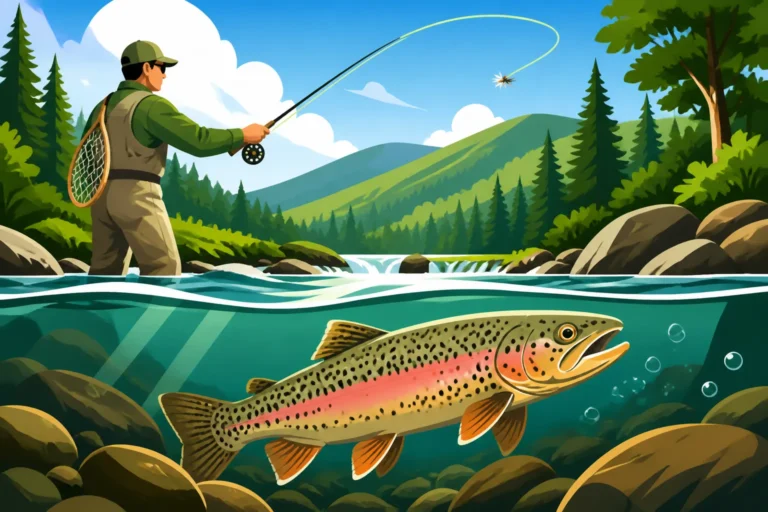
While trolling dominates the discussion for Lake Willoughby, fly fishing for landlocked salmon can be an incredibly rewarding experience, particularly during specific times of the year. In early spring, just after ice-out, when smelt are shallow and salmon are cruising near the surface, casting large streamer patterns from shore or a boat can be very effective. Patterns like the Grey Ghost, Supervisor, or Black Ghost, stripped slowly or swung in current, can entice hungry salmon.
The true highlight for fly anglers, however, comes in the fall during the spawning run. As the water cools, salmon move into the shallow rocky areas and tributary mouths, particularly at the southern end of the lake where the Willoughby River enters. While fishing directly for spawning fish can be controversial and is highly regulated (always check specifics in the Vermont Bag and Possession Limits by Species), there are often opportunities to target non-spawning salmon or post-spawn "drop-backs" in the surrounding waters. Large, flashy streamers or egg patterns can be effective during this period. Wading these areas requires caution and respect for the fish and their habitat. It's a truly beautiful way to experience the lake and these magnificent fish, offering a more intimate connection than trolling.
Reading the Water and Adjusting Tactics
Successful landlocked salmon fishing on Lake Willoughby is less about brute force and more about subtle observation and adaptability. You need to become a detective on the water. Start by understanding water temperature. Salmon have a preferred temperature range, typically in the low to mid-50s Fahrenheit. Use your electronics to find the thermocline and focus your efforts there. If one side of the lake is getting more sun or has more current, that might subtly affect temperatures and baitfish concentrations.
Baitfish presence is another critical clue. If your fish finder is showing dense schools of rainbow smelt, salmon are likely nearby. Observe how the baitfish are behaving – are they tightly schooled, or scattered? This can give you an indication of whether predators are actively feeding. Finally, pay attention to the weather and light conditions. Overcast days or periods of low light often bring salmon closer to the surface and make them less wary in Willoughby's clear waters. After a major cold front, fish might become lethargic and drop deeper. Don't be afraid to change your lures, depths, or trolling patterns if you're not getting bites. The fish will tell you what they want if you pay close enough attention. Sometimes, simply changing the lure color or adding a subtle scent can make all the difference between a slow day and a successful outing.
Understanding Regulations and Conservation for Willoughby Salmon
Fishing for landlocked salmon on Lake Willoughby is a privilege, and it comes with the responsibility of understanding and adhering to the regulations designed to protect this incredible fishery. Vermont's Fish & Wildlife Department works tirelessly to manage these resources, and our cooperation is essential.
Vermont's Specific Salmon Regulations
Vermont has specific rules for landlocked salmon that differ from other trout species or warm-water fish. These regulations cover everything from daily limits and minimum length requirements to specific season dates. For instance, the general daily limit for landlocked salmon in Lake Willoughby and other large lakes is typically two fish, with a minimum length of 15 inches. However, these rules can change, and special regulations might apply to specific bodies of water or during certain times of the year, especially around spawning runs. It is absolutely crucial to consult the most current Vermont Fishing License Guide for 2026 and the official Vermont Fish & Wildlife Department fishing guide before you head out. Ignorance of the law is never an excuse, and penalties for violations can be steep, including fines and loss of fishing privileges.
Always measure your fish accurately from the tip of the nose to the tip of the tail, being sure to keep it wet if you plan to release it. Knowing the difference between the various salmonid species is also important, as similar-looking fish like lake trout have different regulations. Our guide on Vermont Trout Season and Stocking Rules offers a broader look at trout regulations, but remember to always verify salmon-specific rules.
Conservation and Responsible Angling
The health of Lake Willoughby's landlocked salmon population depends on all of us practicing responsible angling. If you plan to release fish, which is highly encouraged for larger, breeding-stock salmon, understanding proper catch and release techniques is paramount. Minimize the fight time by using appropriate tackle. Handle the fish as little as possible, keeping it in the water. Use a rubberized landing net to avoid stripping off its protective slime coat. Remove hooks quickly with pliers or forceps, and if the fish is deeply hooked, consider cutting the line rather than attempting to rip the hook out.
Revive the fish by holding it gently in the water, facing into the current (or moving it gently back and forth if there's no current), until it can swim away under its own power. Avoid lifting large fish vertically by their jaws, which can damage their internal organs. Protecting the delicate ecosystem of Lake Willoughby also means being mindful of what you bring in and take out. Prevent the spread of invasive species by cleaning, draining, and drying your boat and gear after every use. Respect private property, properly dispose of all trash, and leave the shoreline and waterways cleaner than you found them. The future of landlocked salmon fishing relies on our stewardship. You can also explore the Landlocked Salmon Life Cycle in Vermont Lakes to better understand why protecting these fish is so vital.
Planning Your Trip and Hiring a Guide
Planning a successful landlocked salmon trip to Lake Willoughby involves more than just packing your gear; it requires logistical thought. First, decide on the best time of year based on the fishing experience you're seeking (spring for aggressive shallow fish, summer for deep-water trolling, fall for spawning runs). Secure your Vermont Fishing License Guide for 2026 in advance, and make sure you understand the specific rules for Lake Willoughby. Book accommodations early, especially during peak season, as the Northeast Kingdom is a popular destination.
For those new to the lake or looking to maximize their chances, hiring a local fishing guide can be an invaluable investment. Guides possess intimate knowledge of the lake's ever-changing conditions, secret spots, and the most effective techniques. They can save you countless hours of trial and error, providing equipment, sharing insights, and putting you directly on the fish. Websites like FishingBooker make it incredibly easy to connect with experienced captains who know Lake Willoughby inside and out. Many anglers find success by learning from seasoned pros; services such as FishingBooker allow you to browse verified guides and their specializations, ensuring you get the most out of your Willoughby adventure. Navigating permits and finding the best spots can be daunting; booking a trip through platforms like FishingBooker often means your guide handles the details, letting you focus on the fishing. Whether you're looking for a full-day trolling excursion or a half-day introduction, a quick search on FishingBooker can link you with the perfect expert. Don't underestimate the value of local knowledge, especially on a lake as unique as Willoughby. Check out FishingBooker to explore available charters and make your salmon dream a reality. Learning about Best Time of Day to Catch Landlocked Salmon from a guide can also greatly enhance your outing.
Disclaimer
Please note that fishing regulations, conditions, and recommended techniques can change. Always consult the latest Vermont Fish & Wildlife Department regulations before planning your trip. The information provided in this guide is for informational purposes only and should not replace official sources.