Lake Memphremagog Smallmouth Bass Fishing
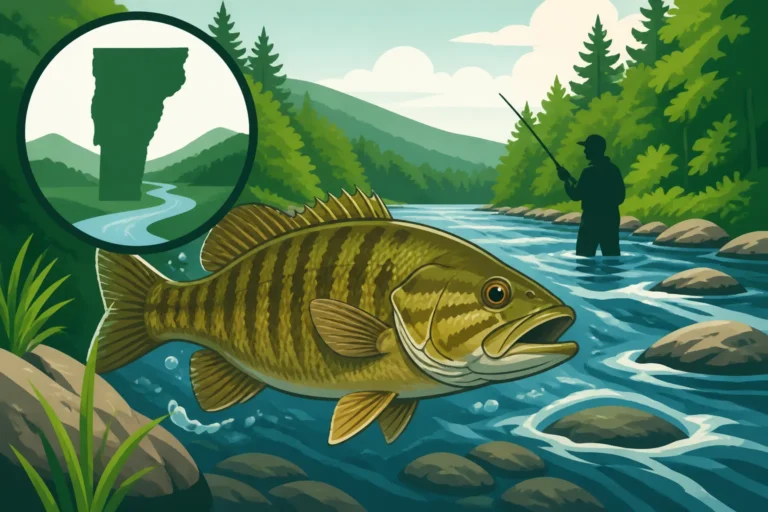
Lake Memphremagog is a truly unique body of water, shared by both Vermont and Quebec, and it's famous for its diverse and often challenging fishing opportunities. While many anglers chase the legendary muskellunge or the deep-dwelling lake trout, it’s the feisty smallmouth bass that consistently provides thrilling action for those who know where and how to find them. This guide will walk you through everything you need to know to target and successfully catch smallmouth bass on this magnificent, deep glacial lake, validating the frustrations that come with fishing a sprawling, often unpredictable environment.
Understanding Lake Memphremagog's Smallmouth Bass Habitat
Fishing a large, deep lake like Memphremagog can feel overwhelming at first. It’s not just a big puddle; it’s a complex ecosystem with varying depths, structures, and forage that dictate where the smallmouth bass will be at any given time. Knowing these critical habitat features is your first step to unlocking consistent success.
Key Structural Elements for Smallmouth
Smallmouth bass are intrinsically linked to structure. Unlike their largemouth cousins who often prefer thick vegetation, smallmouth typically gravitate towards hard, rocky cover. On Lake Memphremagog, this means focusing on specific underwater topography. Think rock piles, gravel beds, rocky points, and steep drop-offs. These features offer not just ambush points for feeding but also protection from predators and strong currents. You'll often find them congregating on the edges of these structures, where shallower water transitions abruptly to deeper depths.
Additionally, submerged humps and reefs that rise from the deeper basin are absolute magnets for smallmouth. These structures act like underwater islands, providing a perfect home base in an otherwise featureless expanse. Consider areas where old roadbeds or foundations might exist near shore, or where smaller feeder streams enter the lake, creating subtle current breaks and depositing gravel. Even man-made structures like bridge pilings or docks can hold smallmouth, especially early in the season or during periods of heavy boat traffic when they seek refuge.
Forage and Water Conditions
Smallmouth bass in Lake Memphremagog have a diverse diet, and understanding what they're eating can significantly influence your lure selection. Their primary forage typically includes crayfish, various baitfish like alewives and smelt, and even insects during certain hatches. The presence of these bait sources will dictate where smallmouth choose to hunt. If you can locate schools of baitfish, you're often just a stone's throw away from active smallmouth.
Water conditions, including temperature and clarity, play a huge role. Smallmouth prefer cooler, oxygen-rich waters compared to largemouth. They thrive in clear to moderately stained water, which is common in many parts of Lake Memphremagog. Clarity allows them to use their keen eyesight to hunt. During bright, sunny days, they might push deeper or tighter to cover to escape the light, while overcast conditions often bring them shallower and make them more aggressive. Pay attention to sudden changes in weather, as cold fronts or significant rain can drastically alter their behavior, often making them more lethargic and requiring slower presentations.
Prime Times for Lake Memphremagog Smallmouth Success
Knowing when to fish can be just as crucial as knowing where on a lake of Memphremagog’s size. Smallmouth bass behavior is heavily dictated by the seasons, with distinct patterns emerging as water temperatures fluctuate. Don't let a slow day discourage you; it might just mean you're not aligned with the current seasonal pattern.
Spring and Pre-Spawn Activity
Ah, spring! This is often considered one of the most exciting times to target smallmouth bass on Lake Memphremagog. As the ice melts and water temperatures begin to climb into the 45-55°F range, smallmouth move from their deep wintering grounds to shallower staging areas. They are driven by an instinct to feed heavily and prepare for the upcoming spawn. You'll find them concentrating on rocky points, shallow reefs, and the warmer northern bays that tend to heat up first.
During the pre-spawn, these fish are often aggressive and willing to chase a meal. Jerkbaits, crankbaits, and suspending stickbaits are incredibly effective as they imitate the baitfish smallmouth are gorging on. As the water warms further (into the 55-60°F range), they’ll start building nests on hard bottoms in relatively shallow, protected areas. While it's tempting to target bedding fish, it's generally best practice to leave them undisturbed to ensure successful spawning and healthy future populations. Be sure to check the specific Vermont Bass Catch-and-Release Season, Explained to understand the legalities around targeting bass during this sensitive period.
Summer Patterns and Deep Water Tactics
Once the water temperatures climb into the 65-75°F range, Lake Memphremagog's smallmouth transition to their summer patterns. This is where the lake's depth truly becomes an advantage for the bass, as they can retreat to cooler, more stable conditions. You'll often find them relating to offshore structures such as deep humps, main lake points, and abrupt drop-offs that lead to the deep basin. They might move up to feed during low light conditions (dawn/dusk) or overcast days, but generally, expect to find them deeper during the bright daylight hours.
During the summer, vertical presentations become key. Drop-shot rigs, tube jigs, and football jigs are excellent choices for methodically working deep structure. Trolling can also be highly effective, especially when covering large expanses of water to locate schools of actively feeding fish. Understanding "Best Time to Fish Lake Champlain in Summer" might offer some parallel insights into how large, deep lakes influence smallmouth behavior during the warmest months, as many principles apply to Memphremagog as well. Look for thermoclines using your fish finder, as smallmouth will often suspend just above this layer where oxygen levels are optimal and baitfish congregate.
Fall Feeding Frenzy
As autumn approaches and water temperatures begin to drop from the high 60s back into the 50s, Lake Memphremagog's smallmouth bass enter another intense feeding period. This is the "fall feeding frenzy" as they stock up on calories for the long winter ahead. They become incredibly active and often migrate from their deepest summer haunts back to shallower, yet still rocky, staging areas. Main lake points, large rock fields, and deep transition zones where baitfish are schooling up are prime targets.
This is a fantastic time for aggressive presentations. Crankbaits that dive to different depths, large jerkbaits, and even topwater lures on warmer, calmer days can elicit explosive strikes. Spinnerbaits and bladed jigs can also be deadly when fished around cover. The key is often to cover water efficiently and present baits that mimic the larger forage fish they are targeting. Keep an eye on baitfish activity, as the smallmouth will be right there with them. This is often when you catch the biggest smallmouth of the year, so don't miss out on those crisp fall days!
Top Techniques and Baits for Memphremagog Smallmouth
The vastness of Lake Memphremagog demands a versatile approach when it comes to smallmouth bass fishing. Relying on just one technique might work for a day or two, but successful anglers adapt their methods to the conditions, depth, and the fish's mood.
Jigging Deep Water Structures
When smallmouth are holding deep, whether during summer or late fall, jigging is an indispensable technique. The beauty of jigging is its precision and ability to mimic a bottom-dwelling crayfish or a dying baitfish. Common choices include tube jigs, football jigs, and hair jigs. For tube jigs, choose colors that imitate crayfish (greens, browns, oranges) or baitfish (whites, grays). Rig them with an internal jig head for a natural fall.
Football jigs, often paired with a craw-style trailer, are excellent for navigating rocky bottoms without snagging excessively. The wide head helps them stand up, presenting the trailer enticingly. Hair jigs, though less common for some, are exceptionally effective in clear water or during tough bites due to their subtle action. Experiment with different weights to ensure your jig is maintaining bottom contact, especially in current-prone areas or deeper zones. A slow, methodical retrieve with occasional hops and pauses is often all it takes to trigger a strike from a cautious smallmouth.
Crankbaits and Jerkbaits for Covering Water
Crankbaits and jerkbaits are your best friends when smallmouth are active and you need to cover a lot of water quickly to find them. These lures excel in pre-spawn, post-spawn, and fall conditions when fish are shallower and aggressively chasing prey.
- Crankbaits: Different crankbaits are designed to dive to specific depths. Have a selection that can target fish from 5 to 20 feet. Colors mimicking local baitfish (silver, blue, perch patterns) or crayfish (brown, red crawl) are usually good starting points. Vary your retrieve speed – a steady retrieve, a stop-and-go, or even bumping them off rocks can draw reaction strikes.
- Jerkbaits: Suspending jerkbaits are particularly effective in colder water or when fish are lethargic. Their ability to hang motionless in the water column is irresistible to a wary smallmouth. Work them with a series of jerks and pauses, varying the length of the pause until you find what the fish prefer. The flash and erratic movement of a jerkbait can call fish in from a distance. Brands like Rapala, Lucky Craft, and Megabass make excellent jerkbaits that have proven effective on clear-water smallmouth.
Drop-Shotting for Finesse
When the bite is tough, fish are pressured, or they are very deep, a drop-shot rig can be a game-changer. This finesse technique allows you to present a small, soft plastic bait above a weight, keeping it suspended directly in the fish's strike zone with minimal movement. This is incredibly effective when fish are suspended over deep structure or when they’re finicky.
Common baits for drop-shotting include small worms, minnow imitations, and creature baits, usually in sizes ranging from 3 to 5 inches. Natural colors like green pumpkin, watermelon, or light browns are often best. The beauty of the drop-shot is that you can impart subtle action with tiny twitches of the rod tip without moving the weight from the bottom. This keeps your bait precisely where the fish are holding, often resulting in more bites when other techniques fail. You might find similar tactics useful as described in "Best Baits for Smallmouth Bass on Lake Champlain", given the similar characteristics of these two large Vermont lakes.
Essential Gear for Lake Memphremagog Smallmouth Anglers
Fishing a lake the size of Memphremagog, with its potential for big fish and varied conditions, requires more than just a rod and reel. Having the right equipment, from your tackle to your boat, can make the difference between a frustrating day and a memorable one.
Rods, Reels, and Line
For smallmouth bass on Lake Memphremagog, versatility is key. You'll want a mix of spinning and casting setups to handle various techniques.
- Spinning Gear: A medium-light to medium power spinning rod, 6'6" to 7'6" in length, paired with a 2500-3000 size spinning reel, is ideal for finesse techniques like drop-shotting, throwing lighter jigs, or small crankbaits. Spool it with 8-10 lb braided line, tied to a 6-10 lb fluorocarbon leader for stealth and abrasion resistance. This setup provides excellent sensitivity for feeling subtle bites.
- Casting Gear: A medium to medium-heavy power casting rod, 6'8" to 7'4" in length, with a high-speed baitcasting reel, is perfect for heavier jigs, larger crankbaits, and jerkbaits. Spool this with 10-15 lb fluorocarbon or 15-30 lb braid with a fluorocarbon leader. The backbone of these rods allows for strong hooksets and better control over larger fish in deeper water. For a comprehensive look at suitable gear, check out "Best Fishing Rods for Vermont Lakes".
Electronics and Navigation
On a large, deep lake like Memphremagog, a reliable fish finder and GPS unit are not just luxuries; they are necessities. They will help you locate the subtle underwater structures where smallmouth hide and navigate safely.
- Fish Finder: Look for units with clear side-imaging and down-imaging capabilities. These technologies allow you to scan wide areas for structure and baitfish schools, giving you a comprehensive view of the underwater world. Features like CHIRP sonar provide incredibly detailed returns, helping you distinguish individual fish from structure. Brands like Humminbird and Lowrance offer excellent options. Make sure you understand "Best Fish Finders for Vermont Lakes" to choose one that fits your budget and needs.
- GPS: An integrated GPS is crucial for marking productive spots, navigating safely around submerged hazards, and finding your way back to your honey holes, especially when fishing unfamiliar waters or in low light. Pre-loaded lake maps can show you contours, depths, and navigation aids, which is incredibly helpful on a lake that spans two countries.
Boat and Safety Considerations
Your choice of boat will significantly impact your ability to effectively fish Lake Memphremagog. Given its size and potential for rough water, a stable platform is essential.
- Boat Type: While kayaks can be effective for shoreline access in calm conditions, a dedicated bass boat, multi-species boat, or even a sturdy deep-V aluminum boat is preferable for safely navigating the main lake. These boats handle chop better and provide the speed to cover large distances. Consider a boat in the 17-20 foot range with a reliable outboard. Don't forget to review "Vermont Boating Laws for Anglers" before you hit the water.
- Safety Gear: Always prioritize safety. This includes having enough life jackets for everyone on board (and ensuring children under 12 wear them), a throwable flotation device, a whistle or horn, navigation lights, a fire extinguisher, and a first-aid kit. File a float plan with someone on shore, especially if you're venturing far from launch points. Weather can change rapidly on large lakes, so keep an eye on forecasts.
Navigating Regulations and Conservation
Fishing Lake Memphremagog is an incredible experience, but it comes with the responsibility of understanding and adhering to the specific fishing regulations. Remember, this is an international body of water, meaning you might encounter slightly different rules on the Canadian side if you venture across the border. Always prioritize conservation to ensure this fishery remains vibrant for years to come.
Vermont Fishing License and Species Limits
Before you even think about wetting a line, you absolutely need a valid Vermont fishing license. The rules can vary depending on whether you are a resident or non-resident, and by age. For instance, there are specific Vermont Youth Fishing License Rules by Age that apply. You can learn all about acquiring one in the "Where and How to Buy a Vermont Fishing License" guide.
Beyond the license, it’s crucial to understand the species-specific regulations for smallmouth bass. This includes minimum length limits and daily possession limits. These rules are put in place to protect the fish population and ensure sustainable angling. For smallmouth bass, Vermont typically has a minimum length limit and a daily creel limit, which can vary by water body. Always consult the current "Vermont Fishing Regulations Explained" before your trip, as rules can change annually. Disregarding these limits can result in hefty fines and the loss of your fishing privileges.
Catch and Release Best Practices
Lake Memphremagog is home to some truly impressive smallmouth bass, and many anglers practice catch and release to preserve these trophies. If you plan to release your catch, doing so properly is vital for the fish's survival. Here are some key best practices:
- Minimize Handling: Try to keep the fish in the water as much as possible. If you must remove it for a quick photo, do so quickly and support its body horizontally.
- Use Barbless Hooks: Crushing the barb on your hooks or using barbless hooks makes removal much easier and less damaging to the fish's mouth.
- Appropriate Landing Net: Use a rubberized or knotless landing net. These types of nets are much gentler on the fish's slime coat, fins, and scales compared to knotted nylon nets. You can find recommendations in "Best Landing Net for Trout", which often apply to bass as well.
- Quick Release: Have your camera ready, snap a quick picture, and release the fish immediately. If the fish seems stressed, gently hold it upright in the water until it swims away under its own power. Avoid releasing a fish that is struggling or can't maintain its balance.
International Considerations and Conservation Efforts
Since Lake Memphremagog straddles the US-Canada border, there are unique considerations. If you plan to fish both sides of the lake, you will need separate fishing licenses for both Vermont and Quebec. Moving between countries on the water also entails specific customs and border crossing regulations, so research these thoroughly before your trip to avoid any legal issues.
Beyond individual regulations, both Vermont Fish & Wildlife and Quebec's Ministry of Forests, Wildlife and Parks are actively involved in conservation efforts on Lake Memphremagog. These efforts often include habitat protection, water quality monitoring, and managing fish stocking programs. By adhering to regulations, practicing responsible angling, and supporting conservation initiatives, you contribute to the long-term health of this incredible international fishery. If you're looking for local insights or even to book a guided trip to ensure you're fishing legally and effectively on both sides, services like FishingBooker can help connect you with experienced local guides who know the ins and outs of both Vermont and Quebec waters.
Planning Your Lake Memphremagog Smallmouth Adventure
Preparing for a trip to Lake Memphremagog involves more than just packing your tackle box. This massive lake can be unpredictable, and a little forethought goes a long way in ensuring a safe and successful outing. From understanding the local nuances to leveraging available resources, being well-prepared is your ticket to a fantastic experience.
Access Points and Launch Ramps
Getting your boat onto Lake Memphremagog requires knowing the available public access points. On the Vermont side, Newport City Dock, located right in Newport, Vermont, is a popular and convenient launch point. It offers good facilities and provides access to the central and northern parts of the Vermont side of the lake. Another option might be the public access in Derby, which can provide a different starting point for exploring various coves and points.
When choosing an access point, consider the wind direction and your intended fishing areas. On a large lake, a long run across open water in choppy conditions can be uncomfortable or even dangerous. Choosing a launch that puts you closer to protected bays or your target structure can save you time and provide a more pleasant experience. Always check for current conditions and any launch fees that might apply before you head out.
Weather and Water Conditions
Lake Memphremagog is notoriously susceptible to strong winds, especially given its long, narrow shape. A calm morning can quickly turn into a white-capping, boat-rocking afternoon. Always check the marine forecast before and during your trip. Pay close attention to wind speed and direction. A strong north wind can be particularly challenging, funneling down the lake and creating significant waves.
Water temperature is another critical factor. Knowing the current water temperatures helps you predict where the smallmouth might be holding in the water column and what techniques might be most effective. Many anglers use resources like surface temperature maps or even local fishing reports to get real-time information. Cold fronts, significant rainfall, or sudden temperature drops can shut down a bite, so factor these into your planning and adjust your tactics accordingly. Sometimes, adjusting your fishing hours to target early morning or late evening can mitigate the impact of less-than-ideal daytime conditions.
Hiring a Local Guide for an Edge
If you're new to Lake Memphremagog or even if you've fished it before but want to unlock its secrets more quickly, hiring a local fishing guide can be an invaluable investment. A professional guide has spent countless hours on the water, knows the current patterns, the best spots, and the most effective techniques for that specific day. They can save you a tremendous amount of time searching and experimenting, putting you directly on fish.
A guide can also provide all the necessary gear, expertise on navigation (especially crucial on a border lake), and insights into local regulations. It's a fantastic way to learn the lake's nuances and accelerate your learning curve. Platforms like FishingBooker are excellent resources for finding reputable, licensed fishing guides specializing in Lake Memphremagog smallmouth bass. They offer a range of options, from half-day trips to full-day excursions, catering to all skill levels from beginner to seasoned angler. This can make the difference between a frustrating trip and a truly successful and educational one.
| Season | Best Time of Day | Typical Water Temp Range | Key Locations | Top Lure Types | Notes |
|---|---|---|---|---|---|
| Spring | Mid-morning to Afternoon | 45-60°F | Rocky points, shallow reefs, northern bays | Jerkbaits, suspending stickbaits, lipless crankbaits | Fish move shallow; pre-spawn feeding. Be mindful of bass minimum length limits. |
| Summer | Early Morning/Late Evening | 65-75°F | Offshore humps, deep main lake points, steep drop-offs | Drop-shot, tube jigs, football jigs, deep crankbaits | Fish go deep; thermocline is key. |
| Fall | All day, especially overcast | 50-65°F | Main lake points, rock fields, transition zones | Deep diving crankbaits, large jerkbaits, spinnerbaits | Intense feeding frenzy; fish fattening up for winter. |
Disclaimer
The information provided in this guide is for general informational purposes only and is subject to change. Always consult the official Vermont Fish & Wildlife Department regulations for the most current and accurate rules and licensing requirements before engaging in any fishing activities. Fishing conditions can vary, and personal safety should always be your top priority.