Are Zebra Mussels Affecting Lake Champlain’s Fishery?
If you've spent any time fishing on Lake Champlain, you've probably heard the whispers, seen the headlines, or perhaps even encountered them firsthand: zebra mussels. These tiny invaders have dramatically altered the pristine waters we love, leaving many of us wondering, "Are zebra mussels affecting Lake Champlain's fishery?" It's a valid concern that touches every aspect of our angling experience, from water clarity to the very fish we seek. This guide will dive deep into the pervasive impact these unwelcome guests have had on Lake Champlain's delicate ecosystem and, by extension, on the fishing we hold so dear.
Understanding the Zebra Mussel Invasion in Lake Champlain
The story of zebra mussels in Lake Champlain isn't just about a small shell; it's about a dramatic ecological shift. These creatures, though tiny, wield an outsized influence on the underwater world, and understanding their origin and characteristics is key to grasping their impact.
What are Zebra Mussels and How Did They Arrive?
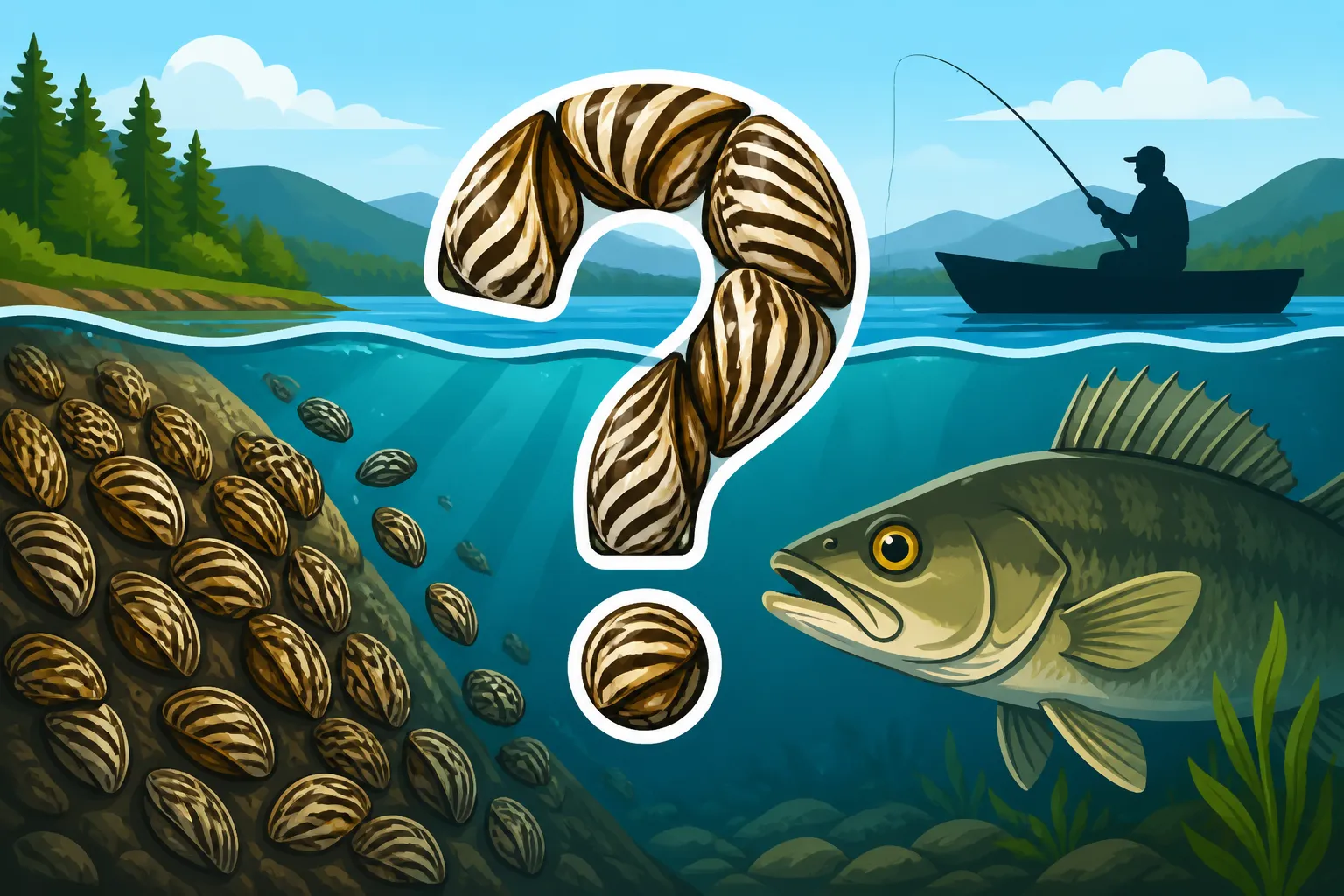
Zebra mussels (scientific name Dreissena polymorpha) are small freshwater mollusks, typically growing no larger than a human thumbnail. They get their name from the distinctive stripe patterns on their D-shaped shells, though not all individuals have prominent stripes. What makes them particularly insidious is their ability to attach themselves to hard surfaces using strong byssal threads. They aren't native to North America; their ancestral home is the Ponto-Caspian region of Eastern Europe and Western Asia.
Their journey across the Atlantic is a classic tale of invasive species introduction: likely hitchhiking in the ballast water of transatlantic ships. These ships would take on water in European ports, inadvertently sucking in tiny zebra mussel larvae (veligers), and then discharge that water in North American ports, releasing the invaders into new environments. From the Great Lakes, they spread through connected waterways, eventually making their way into Lake Champlain. Once they arrived, their prolific reproductive rates and lack of natural predators allowed them to explode in population, quickly becoming a dominant force in the lake's ecosystem.
How They Transform the Lake Environment
Once established, zebra mussels don't just exist; they fundamentally alter the environment around them. Their primary mode of action is filter feeding. Each individual mussel can filter up to a liter of water per day, removing vast quantities of microscopic organisms, primarily phytoplankton, from the water column. When you have billions upon billions of these mussels, the cumulative effect is astounding.
This intense filtering leads to significantly increased water clarity. While clear water might sound appealing for swimming, it has profound ecological consequences. The removal of phytoplankton, which form the base of the aquatic food web, directly impacts zooplankton, which feed on phytoplankton. This disrupts the entire nutrient cycle, essentially taking energy out of the open water and depositing it onto the lake bottom in the form of mussel waste and shells. Furthermore, zebra mussels are masters of habitat alteration. They colonize almost any hard surface, covering rocks, submerged logs, native mussel shells, docks, and boat hulls, transforming the physical structure of the lakebed and competing directly with native species for space and resources.
Direct Impacts on Lake Champlain's Ecosystem and Fishery
The changes wrought by zebra mussels ripple through the entire food web of Lake Champlain, affecting everything from microscopic organisms to the trophy fish we anglers pursue. It's a complex chain reaction with winners and losers.
Disruptions to the Food Web
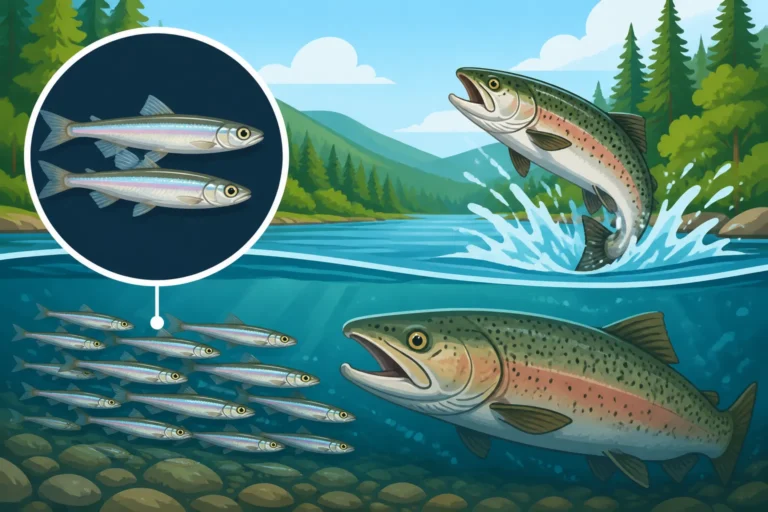
The most immediate and significant impact of zebra mussels is on the lake's food web. By voraciously filtering phytoplankton, they essentially starve the zooplankton populations that feed on these tiny plants. Zooplankton are the critical link between primary producers and many baitfish species. Less zooplankton means less food for the smaller fish like smelt, minnows, and juvenile perch. These baitfish, in turn, are the primary forage for larger game fish like Lake Champlain Walleye Fishing and Lake Champlain Lake Trout Fishing.
This "bottom-up" effect means a reduction in the energy available throughout the entire aquatic food chain. While some fish species, particularly visual predators, might initially benefit from clearer water, the overall reduction in food availability can lead to slower growth rates, reduced population sizes, and shifts in the condition of game fish. For species like What rainbow smelt are and why they matter to salmon, a decline in their primary food source can have significant consequences, ultimately affecting the larger predators that rely on them.
Alterations to Fish Behavior and Distribution
The crystal-clear water brought about by zebra mussels can dramatically alter how fish behave and where they choose to live. Many fish species, especially prey fish, rely on some degree of turbidity or cover to evade predators. With the water becoming increasingly transparent, these fish may be forced into deeper, darker waters or seek out denser submerged vegetation for refuge.
This shift impacts predator behavior as well. Fish like Lake Champlain Smallmouth Bass Fishing that are visual hunters might initially find it easier to spot prey, but their prey might also become more wary or move to less accessible areas. Anglers often report that fish seem to be holding deeper or congregating around specific structures more tightly than they used to. This can necessitate changes in fishing techniques, requiring longer casts, more subtle presentations, or different approaches to targeting fish. Overall, the balance of vulnerability and refuge in the lake has been profoundly disturbed.
Impact on Native Species and Biodiversity
Beyond game fish, zebra mussels pose a grave threat to the native biodiversity of Lake Champlain. Our indigenous mussel species, which play their own vital roles in the ecosystem, are particularly vulnerable. Zebra mussels often colonize the shells of native mussels in such high densities that they can't feed or move, effectively suffocating them. This has led to dramatic declines in native mussel populations across many affected waterways.
The overall reduction in phytoplankton also impacts other filter feeders and species that rely on a diverse base of aquatic organisms. While some species might adapt, others struggle, leading to a simplification of the ecosystem. This reduction in biodiversity can make the lake more susceptible to other stressors and less resilient overall. Understanding these broader impacts helps us appreciate the complexity of managing Invasive Fish Species in Vermont Waters and the interconnectedness of all life in the lake.
| Factor | Pre-Zebra Mussel | Post-Zebra Mussel (Typical) | Implications for Fishery |
|---|---|---|---|
| Water Clarity | Moderate to Low | High | Increased visibility for predators and anglers, but spooky fish. |
| Phytoplankton (Base Food) | Abundant | Significantly Reduced | Less food for zooplankton & baitfish. |
| Zooplankton | Abundant | Reduced | Less food for baitfish, impacts growth & survival. |
| Baitfish (e.g., Smelt) | Strong populations | Potentially Reduced | Less forage for game fish. |
| Game Fish Distribution | More widespread | Often deeper, more structure-oriented | Anglers need to adapt techniques and locations. |
| Native Mussel Populations | Healthy | Severely Impacted | Loss of biodiversity, ecosystem imbalance. |
| Docks & Boats | Minimal fouling | Heavy fouling | Increased maintenance, potential damage. |
Indirect Effects and Broader Implications for Anglers
The presence of zebra mussels isn't just an ecological problem; it translates into tangible challenges and adjustments for those of us who love to fish Lake Champlain. These indirect effects impact our gear, our strategies, and even our wallets.
Changes in Water Clarity and Fishing Strategies
The most noticeable change for many anglers is the dramatic increase in water clarity. What was once murky or stained water now often appears almost gin-clear. While this can be a blessing for sight fishing in certain situations, it also presents significant challenges. Fish, being more easily spooked in clear water, often hold deeper or tighter to cover. This means anglers need to adapt their approach considerably.
You might find yourself needing to use lighter Best Fluorocarbon Line for Clear Lake Water or longer leaders to prevent fish from seeing your tackle. Lure colors that once produced might need to be swapped for more natural, subtle hues, or perhaps extremely bright ones that pop in the intense clarity. The overall presentation becomes more crucial, with slower retrieves and more finesse often being the order of the day. Anglers accustomed to fishing certain spots on Lake Champlain might need to explore new depths or areas where fish feel more secure from predators, both avian and human. Adjusting to these conditions requires experimentation and a willingness to step outside traditional methods.
Nuisance and Infrastructure Challenges
Beyond the ecological changes, zebra mussels are a significant nuisance. Their strong byssal threads allow them to attach to virtually any hard surface submerged in the water. This means boat hulls become encrusted, requiring regular and often difficult cleaning. Motors, especially cooling intakes and lower units, can get clogged, leading to overheating and potential damage. Docks, moorings, and even submerged rocks and ladders become covered in sharp-shelled colonies, posing a hazard to swimmers and waders alike.
For boaters, the increased maintenance is a real headache and can be costly. Specialized hull cleaners, scraping tools, and diligent checks are now part of routine boat care. Products specifically designed for removing tough aquatic growth can be found on platforms like Amazon, but prevention is always better. The sheer number of mussels attached to underwater structures can even add considerable weight and drag, affecting boat performance and fuel efficiency. This constant battle against fouling is a frustration many Lake Champlain users understand all too well.
Economic and Recreational Impacts
The cumulative effects of zebra mussels also have economic and recreational ripple effects. For local businesses that depend on recreational boating and fishing, increased boat maintenance costs and potentially harder fishing can impact revenue. If anglers perceive fishing as less productive or more difficult, it could deter some from visiting the lake. This isn't just about catching fish; it's about the entire experience.
From a broader perspective, the ongoing management of invasive species adds to the burden on state agencies and taxpayers. While we focus on the angling aspect, these mussels impact municipal water intake pipes, power generation facilities, and other critical infrastructure, adding millions in maintenance costs annually. For anglers, while the sheer joy of being on the water remains, the underlying concerns about the health of the fishery and the challenges they introduce can subtly alter the recreational experience. These concerns are part of the larger picture of Vermont Lake Champlain Fishing Rules and the stewardship of our precious natural resources.
Managing the Challenge and What Anglers Can Do
Dealing with an established invasive species like the zebra mussel is a long-term challenge, but there are ongoing efforts and, crucially, steps that every angler and boater can take to help. We all have a role to play in protecting Lake Champlain.
Ongoing Management and Research Efforts
Once an invasive species like the zebra mussel becomes established in a large, complex ecosystem like Lake Champlain, complete eradication is often deemed impossible. The focus shifts instead to management, containment, and mitigation. State agencies, like the Vermont Fish and Wildlife Department, and research institutions continually monitor zebra mussel populations and their impacts. This includes studying changes in water quality, phytoplankton and zooplankton levels, and fish populations.
Research also explores potential control methods, though these are often limited in open water bodies due to scale and environmental concerns. The lessons learned from managing other invasives, such as the long-running Sea Lamprey Control on Lake Champlain program, provide valuable insights into sustained effort and adaptive strategies. While there isn't a silver bullet to remove zebra mussels, understanding their dynamics helps inform broader conservation efforts aimed at bolstering native populations and maintaining the overall health of the lake.
The "Clean, Drain, Dry" Imperative
The most powerful tool we have against the spread of zebra mussels and other aquatic invasive species is prevention, and that's where every single boater and angler comes in. The "Clean, Drain, Dry" protocol is absolutely critical for anyone moving a boat, kayak, or fishing gear from one body of water to another.
Here's what it entails:
- Clean: Before leaving the launch, inspect your boat, trailer, and all gear (anchors, lines, waders, nets, Best Landing Net for Muskellunge) for any visible plants, animals, or mud. Remove and dispose of them properly, away from the water. Zebra mussel veligers are microscopic, so even if you don't see mussels, larvae could be present. Using a stiff brush or a power washer to clean your hull thoroughly can be a great step, and you can find various cleaning tools on Amazon.
- Drain: Pull your boat's drain plug, empty all bilge water, live wells, bait buckets, and any other water-holding compartments. Make sure your motor is trimmed down to drain all water. This is crucial for removing any unseen larvae.
- Dry: Allow your boat, trailer, and all fishing gear to thoroughly dry for an extended period, typically at least 5-7 days, before launching into another body of water. Heat and sunlight are effective at killing any remaining invasive species. If drying isn't possible, a high-pressure hot water wash (140°F) is recommended.
| Step | Action | Why It's Important |
|---|---|---|
| Clean | Remove all visible plants, animals, and mud from boat, trailer, and gear. | Prevents the transport of adult mussels, plant fragments, and other aquatic invaders. |
| Drain | Empty all water from bilge, live wells, bait buckets, and motor. | Eliminates microscopic larvae (veligers) of zebra mussels and other organisms. |
| Dry | Allow boat and gear to thoroughly dry for 5-7 days or more. | Kills any remaining invisible larvae and other aquatic invasive species. |
By diligently following these steps, we become the first line of defense, preventing zebra mussels from spreading to other vulnerable Vermont lakes and rivers.
Supporting Lake Health and Responsible Angling
Beyond "Clean, Drain, Dry," there are other ways anglers can contribute to Lake Champlain's health. Staying informed about Vermont Lake Champlain lake trout regulations and other species-specific rules is paramount. Participating in local clean-up initiatives or citizen science programs, if available, can provide valuable data and support conservation efforts.
We can also choose to support organizations dedicated to protecting Lake Champlain's ecosystem. Whether through donations, volunteering, or simply spreading awareness among fellow anglers, our collective voice and actions make a difference. Ultimately, responsible angling means not just enjoying the resource but actively working to preserve it for future generations, ensuring that the magic of fishing in Vermont's largest lake endures, even in the face of invasive challenges.
Disclaimer
This article is for general informational purposes only and does not constitute professional advice. Laws, prices and regulations vary by location and change over time. Consult a qualified professional for guidance on your specific situation.