Are There Protected or Endangered Fish Species in Vermont?
It’s a truly commendable thing when anglers pause to consider the broader ecosystem while they’re out enjoying Vermont’s incredible waterways. We all love the thrill of the catch, but knowing which species are struggling and need our extra care is paramount for the long-term health of our fisheries. This guide is dedicated to shedding light on the protected and endangered fish species that call Vermont home, helping you become a more informed and responsible steward of our aquatic natural heritage.
What "Protected" and "Endangered" Really Mean in Vermont
When we talk about protected or endangered fish, it's not just a casual term. These classifications carry significant legal weight and are the result of extensive scientific study by state and federal agencies. Understanding these distinctions is the first step in appreciating their importance.
Understanding Vermont's Legal Classifications for Fish
In Vermont, as in many states, fish species can be listed at both the state and federal levels, or sometimes just one. The Vermont Fish and Wildlife Department, along with the U.S. Fish and Wildlife Service, monitors populations and habitats to determine if a species requires special protection. The key classifications you’ll often hear are:
- Endangered: This is the most critical designation. An endangered species is one that is in immediate danger of becoming extinct throughout all or a significant portion of its range. Their numbers are critically low, and without intervention, they face a very high risk of disappearing forever. For anglers, this often means strict prohibitions on harvesting these fish, and sometimes even specific restrictions on fishing in their known habitats during sensitive times, like spawning.
- Threatened: A threatened species is one that is likely to become endangered in the foreseeable future. While not as immediately imperiled as an endangered species, their populations are declining, or their habitat is shrinking, putting them on a dangerous trajectory. Conservation efforts often focus on preventing them from slipping into the endangered category. Regulations might be slightly less stringent than for endangered species, but careful handling and release are usually mandated.
- Special Concern: This is more of a watch list. Species of special concern aren't yet threatened or endangered, but they exhibit characteristics that make biologists worry. This could be due to small or isolated populations, declining trends, or specific habitat vulnerabilities. This category serves as an early warning system, prompting monitoring and research to prevent more severe declines. While there might not be explicit fishing restrictions for these species, understanding their status encourages responsible practices.
It’s easy to get caught up in the excitement of a fishing trip, but remembering these classifications helps put our passion into perspective. They are not arbitrary rules; they are crucial safeguards.
The Purpose Behind These Designations
You might wonder, why go to all this trouble for a fish? The truth is, every species plays a role in the intricate web of an ecosystem. When one species declines, it can have ripple effects, impacting the food chain, water quality, and even the health of other fish you do want to catch. The purpose of designating a species as endangered, threatened, or special concern is multifaceted:
- Preventing Extinction: This is the most obvious goal. Losing a species means losing a unique part of our natural heritage forever.
- Maintaining Biodiversity: A healthy ecosystem is a diverse one. Each species contributes to the overall resilience and stability of the environment.
- Protecting Habitat: Often, protecting a fish species means protecting the rivers, lakes, and wetlands where it lives. These habitats benefit countless other plants and animals, and in turn, our own water sources and recreational areas.
- Scientific Study: These classifications highlight areas where we need more research and understanding to inform better conservation strategies.
Factors like habitat degradation from development, pollution from agricultural runoff or industrial waste, the introduction of Invasive Fish Species in Vermont Waters, and historical overfishing have all contributed to the precarious state of some of Vermont’s native fish. Our efforts as anglers, big or small, are part of the solution.
Vermont's List of Critically Endangered Fish Species
While Vermont boasts a vibrant array of fish species, a few are truly teetering on the brink. Knowing these specific fish allows us to be extra vigilant and ensure we're not inadvertently contributing to their struggles.
The Eastern Sand Darter: A Tiny Fish with a Big Conservation Story
Perhaps the most prominent example of a critically endangered fish in Vermont is the Eastern Sand Darter ( Ammocrypta pellucida ). This tiny, elusive fish is not what most anglers typically target, but its existence is a powerful indicator of stream health. If you’ve heard about the Vermont eastern sand darter protected status, you know it’s a big deal.
Eastern Sand Darters are typically only found in clear, shallow streams and rivers with sandy or gravel bottoms, often where there's a gentle current. They are masters of camouflage, burying themselves in the sand with only their eyes peeking out, waiting for small aquatic insects to drift by. They are quite small, usually only growing to about 3-4 inches long, with slender, translucent bodies that can be tricky to spot even in clear water.
Their critical status stems primarily from habitat loss and degradation. Siltation from erosion, agricultural runoff, and altered stream flows can smother the clean sandy bottoms they rely on for spawning and feeding. Pollution, even in small doses, can be devastating to their sensitive systems. In Vermont, their known populations are incredibly limited, primarily confined to a few specific tributaries within the Lake Champlain basin. Every individual is precious, and every effort to protect their delicate habitat is crucial.
The Realities of Endangered Species for Anglers
The likelihood of an angler accidentally catching an Eastern Sand Darter is low, simply because of their small size and habitat preference. However, the principle of knowing what to do if you did encounter such a fish is vital for any endangered species.
The rule is simple and absolute: Do not harvest it, and release it immediately and with the utmost care.
If you believe you've accidentally caught a protected fish (or any fish you can't identify), here's what to do:
- Handle with Care: Wet your hands before touching the fish. Avoid squeezing or holding it by the gills.
- Minimize Time Out of Water: Get it back into the water as quickly as possible.
- Remove Hook Gently: Use a de-hooking tool if necessary. Barbless hooks can make this much easier and cause less damage. You can find excellent de-hookers and other responsible fishing tools on platforms like Amazon, ensuring you’re prepared for any unexpected catch.
- Observe and Release: Allow the fish to revive itself in the water, supporting it if needed until it swims away under its own power.
- Report if Necessary: If you suspect you've encountered a particularly rare or protected species in an unusual location, it's a good idea to report it to the Vermont Fish and Wildlife Department. This helps biologists monitor populations and identify new areas of concern.
Understanding these actions is a cornerstone of responsible angling, demonstrating respect for all life in our waters, not just the ones we seek to take home. Remember, Vermont fishing without a license penalty is one thing, but illegally harvesting an endangered species can carry far more severe consequences.
Threatened and Special Concern Fish in Vermont
Beyond the critically endangered, Vermont also has species that are recognized as "threatened" or "special concern." These categories represent important conservation efforts designed to prevent species from ever reaching the critical endangered stage.
Exploring Threatened Species
Threatened species are those whose populations are declining or whose habitats are facing significant pressures, putting them at high risk of becoming endangered in the near future. While Vermont currently has few fish species formally listed as "threatened" at the state level (the Eastern Sand Darter often overshadows others due to its endangered status), it's important to understand the concept.
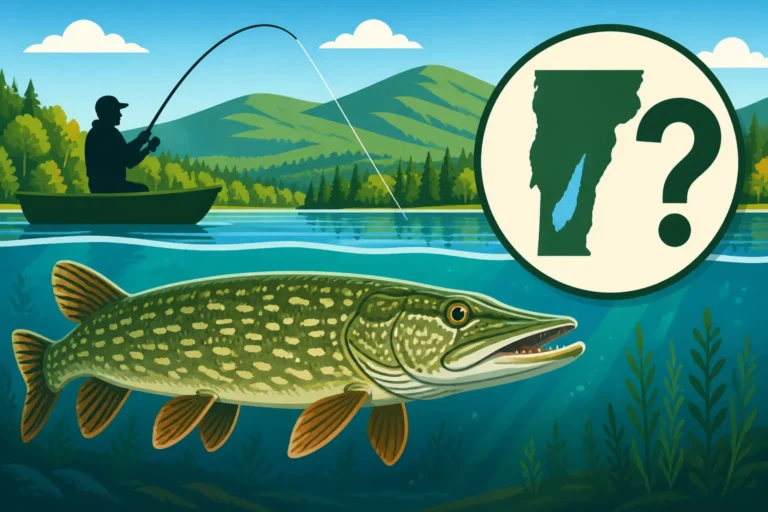
For instance, historically, species like the Northern Pike (Esox lucius) might see localized populations become threatened due to extensive habitat destruction in certain wetland areas. While Northern Pike are generally abundant in many Vermont waters, particularly Lake Champlain, localized pressures can always impact specific populations. Protecting spawning grounds and juvenile nursery areas for species that are still relatively common is a proactive approach to prevent future declines.
The implications for anglers fishing near areas where a threatened species might reside could include specific gear restrictions, catch-and-release mandates, or even temporary closures during critical spawning periods. It’s always worth checking the latest Vermont Fishing Regulations Explained before heading out, as these things can change based on conservation needs.
Special Concern Species: Early Warning Signs
The "special concern" designation is perhaps the most proactive of the categories. These are species that, while not currently threatened or endangered, exhibit characteristics that suggest they could be headed that way without careful management and monitoring. They might have very specific habitat requirements, small geographic ranges, or be susceptible to environmental changes.
Examples of species that might fall under "special concern" could include certain minnow species or suckers that are vital forage fish but are impacted by water quality issues or barriers to migration. While not charismatic "game fish," these species are the bedrock of the food chain, supporting the larger fish that anglers love to pursue. If these foundational species start to struggle, it's an early warning sign for the entire ecosystem.
Anglers can inadvertently contribute to the decline of special concern species through improper handling, discarding bait buckets containing non-native species, or disturbing sensitive shoreline habitats. Conversely, by being aware and practicing sound conservation habits, we become part of the solution.
Here’s a quick overview of what these classifications mean:
| Classification | Definition | Angler Impact |
|---|---|---|
| Endangered | In immediate danger of extinction; critically low numbers. | Strict protection, illegal to harvest. Immediate, careful release if accidentally caught. Avoid known habitats during sensitive periods. |
| Threatened | Likely to become endangered in the foreseeable future; declining numbers. | May have specific catch-and-release rules or gear restrictions. Careful handling and immediate release are crucial. Focus on habitat protection. |
| Special Concern | Exhibiting vulnerability; population trends or habitat issues causing worry. | No specific harvesting restrictions usually, but responsible angling practices are encouraged. Avoid habitat disturbance. Report unusual sightings to aid monitoring. |
This table provides a snapshot, but remember that the specifics for any species can be detailed in the official state regulations. Always consult the Reading the Vermont Fishing Regulations Guide for the most up-to-date information.
How Anglers Can Help Protect Vermont's Fish
As anglers, we are often the first line of defense for our aquatic environments. Our actions, both on and off the water, have a direct impact. Embracing responsible practices isn't just about following rules; it's about being an active participant in conservation.
Practicing Catch and Release Properly
For many species, especially those that are stressed, proper catch and release is absolutely vital for their survival. It’s not enough to simply throw a fish back; how you release it makes all the difference.
- Wet Hands Only: Always wet your hands before touching a fish. Dry hands can remove the fish's protective slime layer, making it vulnerable to disease and infection.
- Minimize Air Exposure: Keep the fish in the water as much as possible, especially during hook removal and photos. A fish out of water isn't breathing, and even a few seconds can be incredibly stressful, especially for larger or more sensitive species like trout or salmon.
- Use Barbless Hooks: Crushing the barb on your hooks or using specifically designed barbless hooks makes hook removal much faster and causes less tissue damage. This is a game-changer for fish survival.
- Employ a Rubberized Landing Net: Knotless, rubberized landing nets are far gentler on a fish's scales, fins, and slime coat than traditional nylon nets. They reduce abrasion and injury. You can find excellent options on Amazon, which can be a valuable investment for any angler committed to catch and release.
- Utilize De-hooking Tools: Long-nosed pliers or specialized de-hookers allow you to remove hooks quickly and efficiently, often without even touching the fish. Again, these are readily available online.
- Revive the Fish: Hold the fish gently in the water, facing into a mild current if possible, until it regains its strength and can swim away on its own. Never vigorously push a fish back and forth, as this can force water over its gills in the wrong direction.
These practices aren't just for endangered species; they contribute to the health of all fish populations and ensure that future generations of anglers can enjoy the same opportunities we do.
Being Aware of Your Surroundings and Regulations
Ignorance of the law is never an excuse, especially when it comes to fishing regulations designed to protect our natural resources.
- Know Before You Go: Before every fishing trip, take a few minutes to review the current Vermont Fishing Regulations Explained. Pay close attention to season dates, bag and possession limits, and especially any rules pertaining to specific bodies of water, which might be designated as Special Regulation Waters in Vermont.
- Identify Your Catch: Make an honest effort to identify the fish you catch. If you’re unsure, it’s always best to release it, especially if it’s a species that looks unusual or unfamiliar. Learning Trout Species Identification Guide for Vermont or Panfish Species Identification Guide for Vermont can be really helpful.
- Respect Private Property: Always be mindful of land ownership. Accessing water through private land without permission can lead to unpleasant encounters and damage angler-landowner relationships, potentially jeopardizing future access for everyone.
Protecting Habitat and Water Quality
Our fishing spots are only as good as the water quality and habitat they provide. We all have a role in safeguarding these critical elements.
- Pack It In, Pack It Out: This is a golden rule of outdoor ethics. Never leave trash behind – that includes fishing line, bait containers, and food wrappers. Even small pieces of litter can harm wildlife and degrade the beauty of our fishing spots.
- Prevent the Spread of Invasive Species: Invasive plants and animals can outcompete native species and drastically alter ecosystems. Always "clean, drain, and dry" your boat, waders, and gear between fishing locations to avoid transferring unwelcome hitchhikers. This includes not dumping bait buckets into new bodies of water.
- Support Conservation Efforts: Consider purchasing a Vermont combination hunting and fishing license cost even if you only fish, as a portion of license fees directly funds fish and wildlife conservation programs. You can also get involved with local conservation groups or participate in stream clean-up days.
Reporting Sightings and Further Resources
Being an active participant in conservation means not just following rules, but also contributing to the knowledge base that guides future protection efforts.
When and How to Report a Rare Fish Sighting
If you believe you’ve caught or observed a rare, unusual, or potentially endangered fish species, particularly in an unexpected location, your report can be incredibly valuable to state biologists.
- Document Everything: If it’s safe and doesn’t further stress the fish, try to take a clear photograph. Note the exact location (GPS coordinates are best), the date, time, and any distinguishing features of the fish.
- Contact Vermont Fish and Wildlife: Reach out to the Vermont Fish and Wildlife Department directly. They have biologists dedicated to monitoring and managing fish populations. You can typically find their contact information on their official website. Provide them with all the details you’ve gathered. Your observation might contribute to a new understanding of a species' range or population health.
- Don't Over-Handle: Remember, the priority is always the fish’s well-being. A blurry photo and a quick release are better than a perfect photo of a dead fish.
Staying Informed and Getting Involved
Conservation is an ongoing process, and the more informed we are, the better we can contribute.
- Utilize Online Resources: The Vermont Fish and Wildlife Department website is a treasure trove of information, from species profiles to detailed regulation guides. Tools like the Vermont Fish Stocking Search Tool, Explained can give you insights into fish management efforts.
- Join Local Groups: Many local angling clubs and conservation organizations are actively involved in habitat restoration, stream clean-ups, and educational initiatives. Getting involved is a fantastic way to meet like-minded people and make a tangible difference.
- Continuous Learning: The natural world is dynamic. Species populations shift, new threats emerge, and conservation strategies evolve. Staying curious and continuing to learn about Vermont’s aquatic environments will make you a more effective and appreciative angler. Understanding the Differences between Vermont's lake and river fish populations for example, helps tailor your conservation efforts to specific environments.
By taking these steps, every angler in Vermont can move beyond simply enjoying the resource to actively helping protect it for generations to come.
Disclaimer
This article is for general informational purposes only and does not constitute professional advice. Laws, prices and regulations vary by location and change over time. Consult a qualified professional for guidance on your specific situation.