Vermont combination hunting and fishing license cost
It's incredibly frustrating trying to keep track of all the different licenses and permits required for outdoor recreation, especially when you love both hunting and fishing. Juggling separate documents, remembering different renewal dates, and calculating individual costs can feel like a part-time job! Thankfully, Vermont offers a convenient solution: the combination hunting and fishing license. This guide will walk you through everything you need to know about this all-in-one license, its costs, and how it can simplify your outdoor adventures in the Green Mountain State.
Understanding the Vermont Combination Hunting and Fishing License
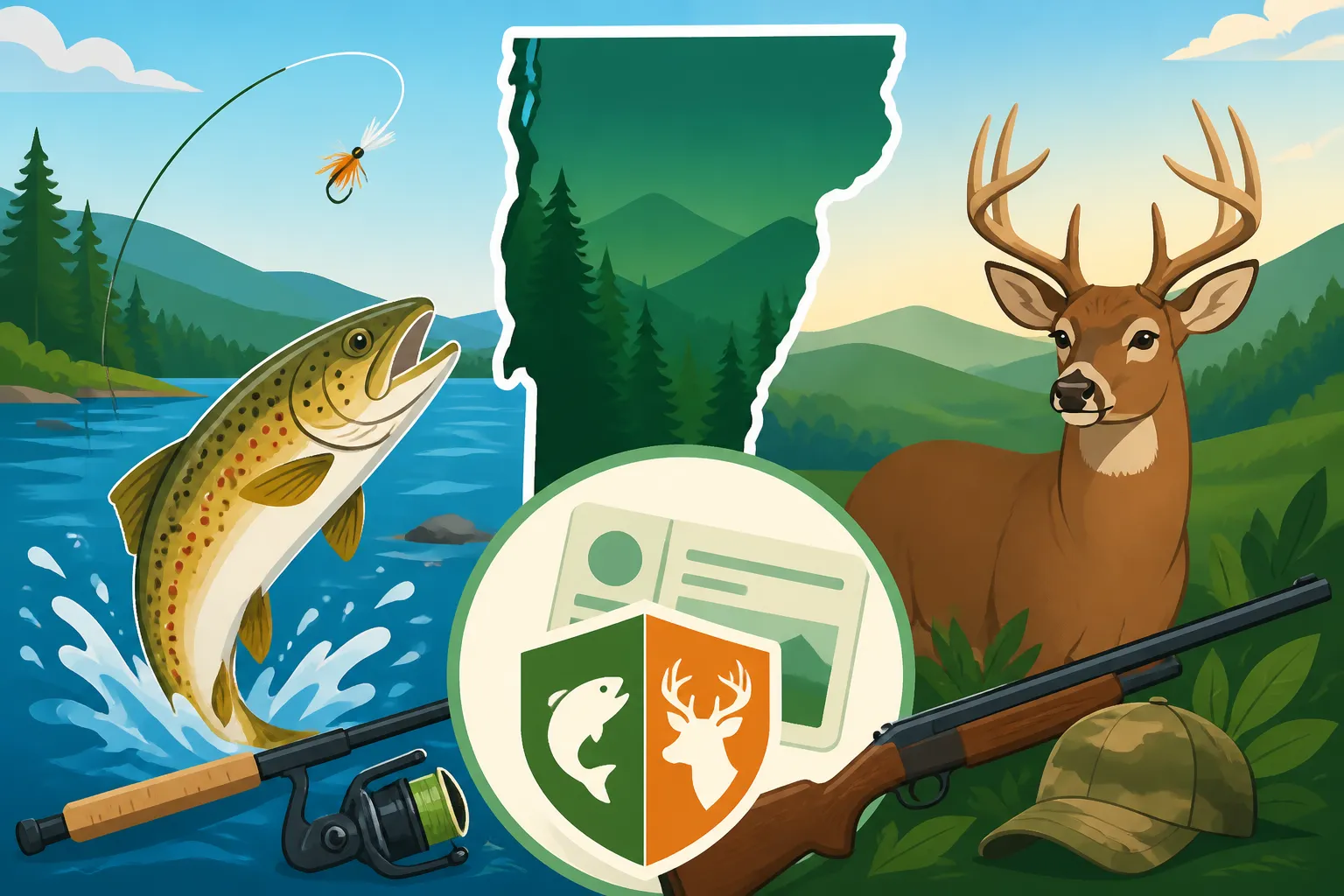
For those who enjoy both the thrill of the hunt and the peaceful pursuit of fish, Vermont's combination license is designed to make your life a little easier. It's a singular document that grants you the privileges of both a basic hunting license and a basic fishing license, wrapped up in one purchase. This means less paperwork, fewer separate transactions, and a streamlined process to get you out into Vermont's incredible natural landscapes faster.
What the Combination License Offers
This all-encompassing license is a real game-changer for multisport enthusiasts. Instead of needing to acquire a separate hunting license and a separate fishing license, the combination option bundles these fundamental permissions into one. It’s perfect for individuals who regularly participate in both activities throughout the year. Imagine heading out for a morning hunt in the fall, and then spending the afternoon casting lines for trout in a nearby stream – all under the umbrella of a single, valid license. This kind of flexibility is what makes the combination license so appealing, cutting down on administrative hassle and allowing you to focus on the outdoor experience itself.
However, it’s important to understand what the "basic" license covers. While it provides the fundamental permissions for both hunting and fishing, it doesn't automatically include specialized stamps or permits you might need for specific activities, like migratory bird hunting or trophy trout waters. Think of it as your foundation, upon which you might build with additional endorsements. Before you head out, make sure you've consulted the Vermont Fishing Regulations Explained to ensure you're fully compliant with any specific rules or requirements for the species you're targeting or the method you're using.
Who is Eligible for a Combination License
Eligibility for a Vermont combination hunting and fishing license largely hinges on two main factors: your residency status and your age. Like all Vermont licenses, there are different rates and requirements for residents versus non-residents, and specific rules for youth and senior anglers and hunters. Generally, if you qualify for an individual resident hunting license and an individual resident fishing license, you'll qualify for the resident combination license. The same goes for non-residents.
For residents, Vermont defines residency based on living in the state continuously for at least six months prior to applying for the license, and maintaining your primary domicile here. Non-residents, on the other hand, are individuals who do not meet these criteria. There are also specific Vermont Youth Fishing License Rules by Age that apply, as well as provisions for a Vermont Senior Fishing License Discount. It's always best to double-check the latest guidelines from the Vermont Fish & Wildlife Department, especially if you're new to the state or if your living situation has recently changed, to ensure you select the correct license type and avoid any unexpected issues.
Breaking Down the Costs for Residents and Non-Residents
The cost of a Vermont combination hunting and fishing license can vary significantly based on your residency status and age. It’s always a good idea to look at the official Vermont Fish & Wildlife Department website for the most current pricing, as these rates can be adjusted annually. However, we can break down the typical structure you'll encounter.
Resident Combination License Costs
For Vermont residents, the combination license offers a genuinely good value. As of recent years, an adult resident combination hunting and fishing license often runs around $45. This price point makes it an attractive option compared to purchasing both an individual resident hunting license (typically around $28-30) and an individual resident fishing license (around $28-30) separately, which would easily total over $50. This immediate saving is a big plus for local outdoor enthusiasts.
Younger residents also benefit from discounted rates. For example, a youth resident combination license for individuals aged 15-17 is significantly less, often in the range of $15. Children under a certain age (typically 14 and under) are generally exempt from needing a fishing license at all, and have specific rules for hunting licenses, but the combination license is geared towards those who would otherwise need both adult licenses or the youth versions. Furthermore, there are often special considerations or discounts for qualifying Vermont residents with disabilities or for active military personnel. When you're considering your purchase, remember that the "annual" license typically expires at the end of the calendar year, usually on December 31st, regardless of when you purchase it.
Non-Resident Combination License Costs
If you're visiting Vermont from out of state and planning on both hunting and fishing, the non-resident combination license is your go-to. However, the cost for non-residents is substantially higher than for residents, reflecting the state's intent to offer more affordable access to its full-time inhabitants. A non-resident adult combination license often costs around $140. This can feel like a significant investment, but it still often represents a cost-effective choice compared to buying individual non-resident licenses. For context, a non-resident annual fishing license might be around $50-60, and a non-resident annual hunting license could be upwards of $100. So, combining them still usually results in a small saving and, more importantly, much less hassle.
For non-resident youth aged 15-17, the combination license might be around $20-25. It’s crucial for non-residents to accurately declare their residency status, as misrepresenting this can lead to serious penalties, including fines and revocation of privileges. Before planning your trip, you might want to review the Resident vs Nonresident Fishing License Costs in Vermont for a clearer comparison. Keep in mind, too, that some non-residents opt for shorter-term fishing licenses, such as 3-day or 7-day permits, if their visit is primarily for fishing, but these typically cannot be combined with a hunting license in the same way the annual combo does.
Here’s a quick overview of typical license costs, though always check the Vermont Fish & Wildlife Department website for the most current rates:
| License Type | Resident (Approx.) | Non-Resident (Approx.) | Notes |
|---|---|---|---|
| Adult Combo (Hunting & Fishing) | $45 | $140 | Most common option for multi-sport adults |
| Youth Combo (15-17) | $15 | $25 | Great value for young hunters and anglers |
| Senior Fishing (65+) | $28 | N/A (adult non-res) | Discounted fishing for senior residents |
| Individual Adult Hunting | $28 | $100 | If you only plan to hunt |
| Individual Adult Fishing | $28 | $50 | If you only plan to fish |
| Total Individual (Adult) | $56 | $150 | Shows potential savings with combo license for individuals |
Factors Influencing Your License Purchase
Deciding on the right license isn't just about the initial cost; it also involves understanding the validity period and any additional permits you might need. A little planning can save you headaches and ensure your outdoor excursions are fully compliant with Vermont law.
Annual Renewal and Validity Period
One of the most critical things to remember about the Vermont combination hunting and fishing license, along with most other annual licenses in the state, is its validity period. Typically, these licenses are valid for a calendar year, expiring on December 31st, regardless of when you purchased them during the year. So, if you buy your license in July, it still expires on December 31st of that same year. This means that if you're planning a trip early in the new year, you'll need to purchase a new license.
This annual expiration date makes it easy to remember when to renew, but it's also a point of frustration for some who wish for a 365-day license from the purchase date. However, this system simplifies enforcement and administration for the state. If you often find yourself forgetting these dates, consider setting a reminder on your phone or marking it on a calendar. Many folks like to renew their Vermont Fishing License Guide for 2026 right around the holiday season or in early January to ensure they're ready for the first spring fishing opportunities.
Additional Stamps and Permits
While the combination license covers your basic hunting and fishing privileges, it's not a "one-and-done" for every type of outdoor pursuit. Certain activities require additional stamps or permits, which are layered on top of your base license. For example, if you plan to hunt migratory game birds like ducks or geese, you'll need to purchase a Vermont Migratory Waterfowl Stamp and a Federal Duck Stamp. These stamps fund conservation efforts and are crucial for legal waterfowl hunting. You can often find Federal Duck Stamps, along with other outdoor essentials, on platforms like Amazon if you prefer shopping online.
Similarly, while the combination license covers general fishing, some special regulations apply to specific species or waters. For instance, if you're targeting Vermont Landlocked Salmon Regulations or certain trophy trout in designated waters, there might be specific requirements you need to be aware of, though often these are covered by the basic fishing privilege with just length and bag limits. Always check the current Vermont Fish & Wildlife regulations carefully, especially the section on "Special Regulation Waters in Vermont," before embarking on a specialized trip. Ignoring these can lead to fines and a ruined day on the water.
Where and How to Purchase Your Combination License
Getting your hands on a Vermont combination hunting and fishing license is straightforward, with options ranging from the convenience of online shopping to the traditional experience of visiting a local vendor.
Online Purchase Options
For many, buying a license online is the easiest and most preferred method. The Vermont Fish & Wildlife Department's official website provides a user-friendly portal where you can purchase your combination license (and any necessary stamps) from the comfort of your home, 24/7. This is incredibly convenient, especially if you're planning a last-minute trip or prefer to avoid queues. The process typically involves creating an account, selecting your license type, providing personal information, and making a secure payment.
Once purchased, you'll usually have the option to print your license immediately or save a digital copy to your phone. It’s always a good idea to have a physical copy, or at least a readily accessible digital version, with you when you're in the field. This can be critical during a game warden check. If you're wondering about the specifics, you can find a comprehensive guide on How to Buy a Fishing License Online in Vermont, which covers the steps in detail. Before you click "purchase," just double-check all your information to ensure accuracy, especially your residency status.
In-Person Vendors and Local Shops
If you prefer a more traditional approach, or simply enjoy chatting with local experts, Vermont has a wide network of authorized license vendors. These include many town clerks' offices, sporting goods stores, bait and tackle shops, and some general stores across the state. Visiting a local vendor can be a great way to get up-to-date local fishing reports, tips on current hotspots, or even pick up some last-minute gear like a new lure or some bait.
For example, places like O.C. McAllister & Sons in Morrisville or Frank's Bait & Tackle in Swanton are often hubs for local outdoor enthusiasts, offering not just licenses but also a wealth of knowledge. When buying in person, you'll need a valid form of identification. If you're a non-resident, be prepared to show proof of your non-resident status if requested. It’s also a fantastic opportunity to support local businesses that are integral to Vermont’s outdoor community. After securing your license, you might even browse their selection for a good Best Tackle Box Setup for Vermont Anglers, or ask for advice on local Best Fishing Lakes in Vermont.
Why a Combination License Can Be a Smart Choice
For many, the decision to opt for a combination hunting and fishing license boils down to two key benefits: convenience and potential cost savings. Let's explore why this bundled option often makes the most sense.
The Convenience Factor
Picture this: you've planned a weekend trip to a beautiful spot near Lake Champlain. On Saturday, you want to try your hand at smallmouth bass fishing, and on Sunday, you've got an early morning duck hunt planned. Without a combination license, you'd need to ensure you had both a valid fishing license and a valid hunting license, potentially two separate pieces of paper (or digital files) to keep track of. With the combination license, it's just one document. This singular approach significantly reduces the mental load and the physical clutter in your wallet or tackle bag.
This convenience extends beyond just carrying the license. It means one purchase transaction, one renewal date (December 31st!), and one less thing to worry about when you're trying to get out the door for an adventure. In an age where simplicity is often valued, the combination license truly delivers. It’s also incredibly helpful if you're planning a full outdoor calendar that spans different seasons, ensuring you’re covered for whatever pursuit you decide to engage in on any given day. You could even use some of the time saved to research new gear on Amazon!
Potential Cost Savings
Beyond the undeniable convenience, the combination license often provides a tangible financial benefit, especially for Vermont residents. As highlighted in the cost breakdown, purchasing an individual resident hunting license and an individual resident fishing license separately would typically cost you more than the single combination license. For non-residents, while the absolute cost is higher, the proportional savings can still be attractive, making it a more economical choice than buying two separate annual non-resident licenses.
These savings, while perhaps not monumental, add up over time. That extra money could be put towards new lures, a tank of gas for your boat, or even a good pair of Best Waders for Vermont Trout Streams. It's a smart financial decision for anyone who plans to actively participate in both hunting and fishing throughout the year in Vermont. Even if you only hunt for a few days and fish sporadically, if both activities are on your annual agenda, the combination license usually offers a better deal than buying individual licenses. It’s an investment in a full year of diverse outdoor enjoyment, offering both peace of mind and a little extra cash in your pocket.
Disclaimer
Please remember that fishing and hunting regulations, including license costs and requirements, can change. Always consult the official Vermont Fish & Wildlife Department website or their printed regulation guides for the most current and accurate information before planning your outdoor activities. This guide is intended for informational purposes only and does not supersede official state regulations.