Best Tackle Box Setup for Vermont Anglers
There’s nothing quite as frustrating as finally getting out on a beautiful Vermont lake or stream, only to open your tackle box and find a tangled mess, rusty hooks, or the absolute wrong lures for the conditions. It can derail an otherwise perfect day on the water before you even cast a line. This comprehensive guide will walk you through creating the ideal tackle box setup, ensuring you’re always prepared for the diverse and rewarding angling opportunities Vermont has to offer.
Understanding Vermont's Diverse Fisheries
Vermont isn't just one type of fishing destination; it's a mosaic of different water bodies, each with its own unique challenges and rewards. A truly effective tackle box for Vermont needs to reflect this incredible variety. You wouldn't use the same gear chasing brook trout in a mountain stream as you would jigging for walleye on Lake Champlain, and trying to do so is a recipe for disappointment. Understanding these distinctions is the first step to building a truly adaptable setup.
Rivers and Streams: The Trout & Smallmouth Domain
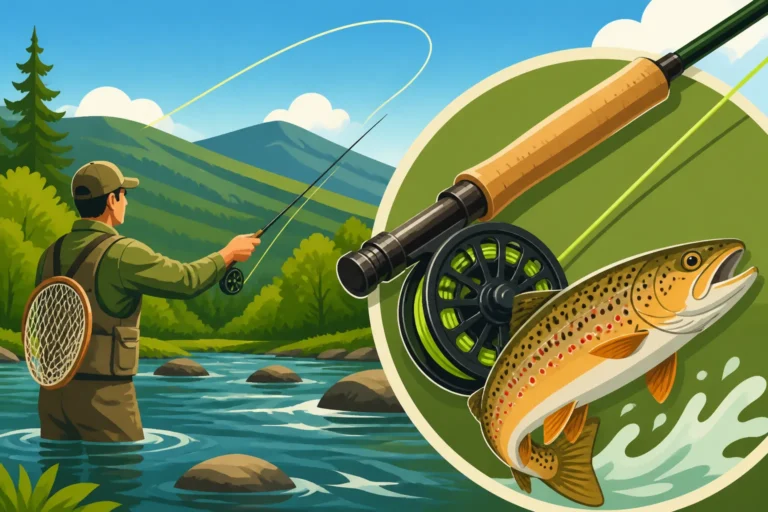
When we talk about Vermont's rivers and streams, especially in the Green Mountains, many anglers immediately think of trout. Our smaller, colder rivers and babbling brooks are prime habitat for native brook trout, as well as wild and stocked brown and rainbow trout. These waters often demand lighter tackle, smaller lures or flies, and a more stealthy approach. You’ll encounter varying currents, from slow, meandering stretches to swift rapids and deep pools. Successful stream fishing often means being able to present small offerings precisely and naturally.
But it’s not just trout! Larger rivers like the Winooski, Lamoille, and Otter Creek also hold fantastic populations of smallmouth bass, especially in their lower reaches. These areas might call for a different approach entirely, shifting from delicate fly rods to spinning gear capable of casting crankbaits or soft plastics. Being ready for both possibilities means having a versatile selection within your box. For those looking to delve deeper into trout specifics, our Best Trout Streams in Vermont guide offers excellent starting points.
Lakes and Ponds: A World of Variety
Vermont's lakes and ponds are incredibly diverse, ranging from tiny, secluded high-mountain ponds holding brook trout to massive Lake Champlain, a freshwater inland sea teeming with everything from smallmouth bass and walleye to lake trout and northern pike. This incredible range means your tackle box can't be one-size-fits-all. A tiny pond might only need a handful of panfish jigs, while a day on Lake Champlain could require heavy trolling gear, specialized bass tackle, or even a robust setup for muskellunge.
Consider the depth, clarity, and dominant forage base of the lakes you frequent most. Are you chasing trophy bass in a weed-choked pond, or are you focused on deep-water lake trout? Each scenario dictates different lure types, line weights, and even the type of tackle box or bag you might carry. For serious lake anglers, having separate, organized trays or smaller boxes dedicated to specific lake species can be a game-changer. Don't forget to check out our Lake Champlain Fishing Guide for a more focused approach on that incredible fishery.
Ice Fishing: A Winter Wonderland of Opportunities
When the lakes freeze over, a whole new world of angling opens up, and with it, a need for a different tackle setup. Ice fishing gear is distinct: shorter rods, smaller reels, specialized jigs, and often insulated tackle storage to prevent lines from freezing and hands from getting too cold. While many of the same species are targeted (perch, walleye, pike, trout), the presentation and specific tackle choices are entirely different.
Your ice fishing tackle box might be a small, portable bucket organizer or a dedicated hard-sided box designed for tip-ups, jigging rods, and a myriad of tiny baits. Even within ice fishing, there’s specialization. Are you punching holes for panfish with micro-jigs, or setting tip-ups for pike or lake trout with larger live bait? Planning for these scenarios will ensure you're not caught unprepared when the ice is thick. Curious about when to hit the ice? Our Vermont Ice Fishing Season Dates post has the details you need.
The Foundation: Choosing Your Tackle Box or Bag
Before you even think about what goes inside, you need to pick the right container. This isn't just about storage; it's about organization, protection, and accessibility. The "best" option depends entirely on your fishing style, the species you target, and how much gear you realistically need to carry.
Traditional Hard Boxes: Durability and Classic Organization
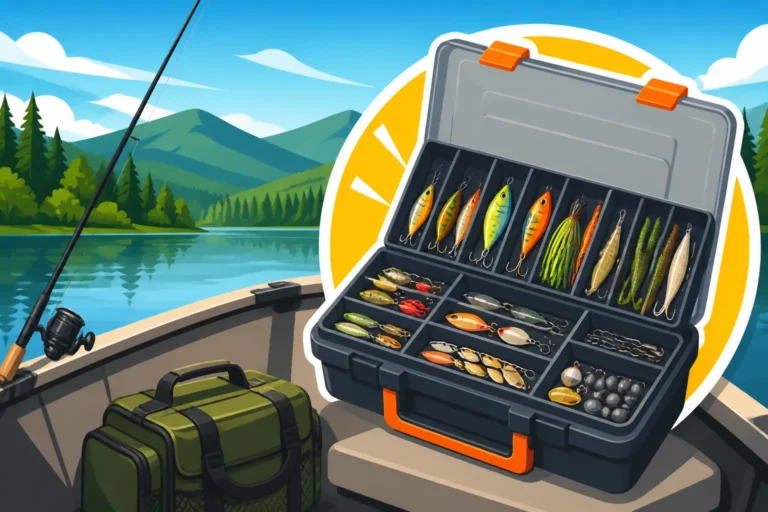
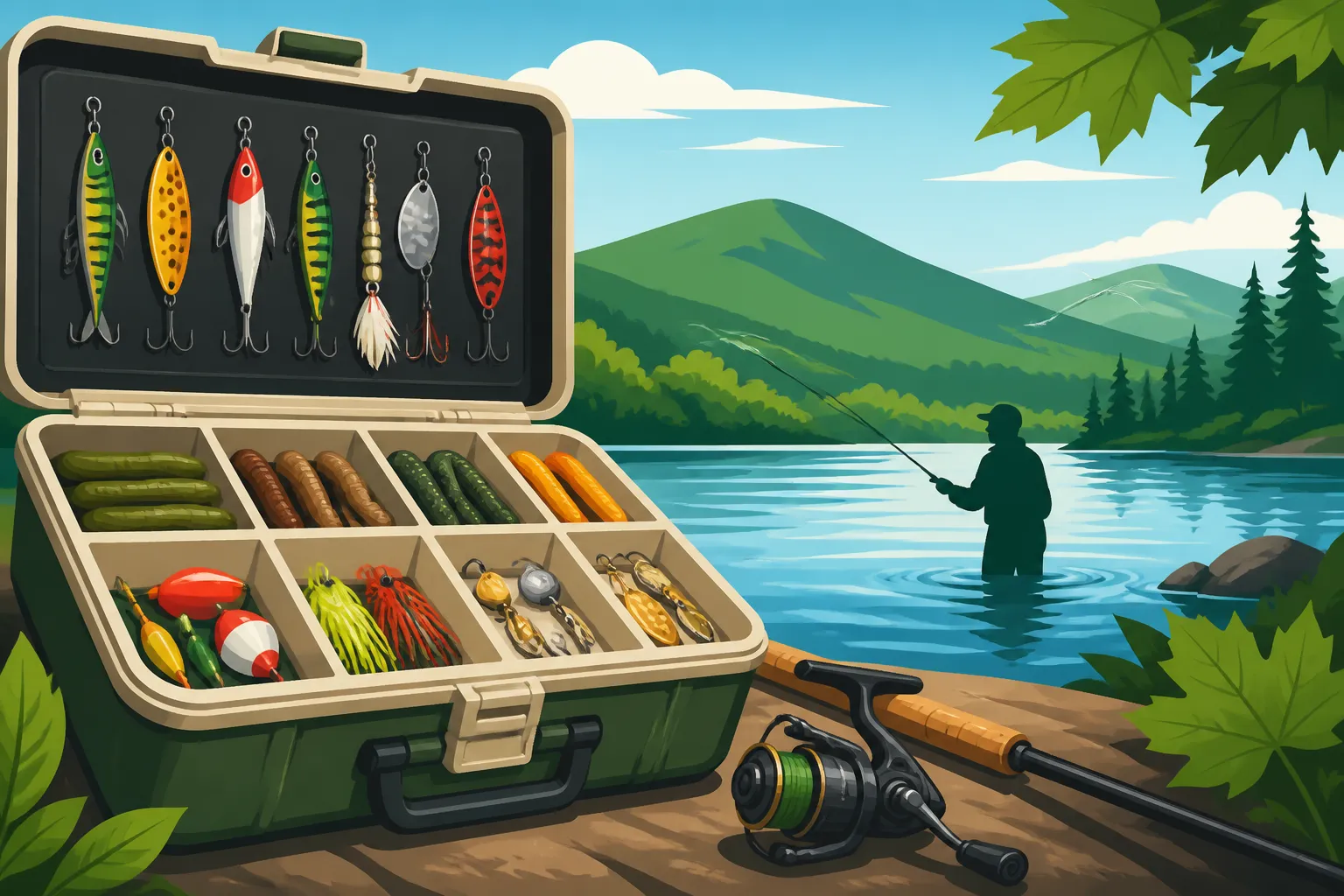
The classic, hard-sided tackle box is what many of us grew up with. These boxes, often made of durable plastic, feature hinged lids, multiple trays that swing out, and deeper compartments below. Their primary advantages are their robustness and the rigid protection they offer to your gear. They're excellent for keeping hooks and lures from getting crushed, and many are designed to be quite waterproof or at least highly water-resistant.
- Pros: Extremely durable, excellent protection for contents, often stackable, good for storing heavier or bulkier items. They're easy to clean and resist punctures.
- Cons: Can be bulky and heavy, trays might be less customizable, carrying them can be awkward, and they tend to get messy if not meticulously organized. They’re not always the easiest to carry long distances.
- Best Use Cases in Vermont: Anglers who primarily fish from a boat or shore in one spot, those who need to protect expensive electronics or fragile baits, or those who keep a dedicated box for a single species like large pike or muskellunge.
Soft-Sided Bags and Backpacks: Portability and Customization
In recent years, soft-sided tackle bags and backpacks have soared in popularity, especially among mobile anglers. These typically feature a main compartment that holds several plastic utility boxes (like those from Plano or Flambeau), along with numerous external pockets for tools, soft plastics, and personal items. Tackle backpacks take this a step further, allowing for hands-free transport, which is invaluable for hiking into remote ponds or wading rivers.
- Pros: Highly portable, customizable with interchangeable utility boxes, comfortable to carry (especially backpacks), ample external storage, often come with tool holders and specialized pockets. Many are made with water-resistant materials. You can often find great options from brands like Bass Pro Shops or even a wide selection on Amazon.
- Cons: Less rigid protection for contents (though the plastic utility boxes inside help), can be prone to getting wet if not properly sealed, external pockets can snag on brush.
- Best Use Cases in Vermont: Fly anglers, river waders, kayak anglers, bank anglers who cover a lot of ground, or anyone needing to carry gear for multiple species in a compact, organized fashion.
Specialty Organizers: For the Hyper-Focused Angler
Beyond the main tackle box or bag, many Vermont anglers benefit from specialty organizers. These can include:
- Small, waterproof fly boxes: Absolutely essential for delicate dry flies, nymphs, and streamers when fly fishing for trout. Fly Fishing for Trout in Vermont dives into this technique.
- Dedicated worm or bait binders: For storing soft plastic worms, grubs, and creature baits without them melting together or losing their shape.
- Jig boxes: Specialized boxes with slotted foam or compartments designed to hold jig heads securely without dulling hooks or tangling.
- Tip-up bags: For ice fishing, these keep your tip-ups organized, protected, and prevent tangles.
- Lure wraps: Soft, clear plastic wraps with pockets that roll up, perfect for storing large, individual crankbaits or swimbaits to prevent hook tangles and paint chips.
These smaller, specialized containers can be stored within a larger soft-sided bag or backpack, or carried independently for quick, targeted trips. The key is to think about what you fish for most often and how to make that specific gear the most accessible.
Here’s a quick comparison of the main types of tackle storage:
| Feature | Traditional Hard Box | Soft-Sided Bag/Backpack | Specialty Organizer (e.g., Fly Box, Jig Box) |
|---|---|---|---|
| Durability | High (impact resistant) | Moderate (fabric, depends on internal boxes) | Varies (usually good for specific contents) |
| Portability | Low to Moderate (can be bulky) | High (especially backpacks for hands-free) | High (small, often pocket-sized) |
| Organization | Fixed trays, deep storage | Highly customizable with utility boxes | Very specific to content type |
| Protection | Excellent (crush-proof) | Good for contents in utility boxes | Excellent for delicate items |
| Capacity | Moderate to High | Moderate to High (multi-box system) | Low (focused on one type of gear) |
| Water Resistance | Often good, some are fully waterproof | Varies, many have water-resistant bottoms | Often waterproof or highly water-resistant |
| Best Use | Boat, dock, shore fishing, heavy gear | Mobile bank, kayak, river, hiking anglers | Specific lures, flies, terminal tackle |
Essential Terminal Tackle for Vermont
Terminal tackle – the bits and bobs at the end of your fishing line – might not be as exciting as a shiny new crankbait, but it's absolutely crucial. Having the right hooks, weights, swivels, and leaders can make or break your day on the water. Skimping here is a common mistake, leading to lost fish and endless frustration.
Hook Selection: Size, Style, and Strength
Vermont's diverse fish population means you'll need a range of hook sizes and styles. From tiny panfish hooks to robust hooks for musky, it's about matching the hook to the bait and the fish's mouth.
- J-Hooks (Baitholder, Aberdeen): These are your all-around workhorses for live bait or cut bait. Baitholder hooks have barbs on the shank to keep bait from sliding off, while Aberdeen hooks are thinner, making them ideal for delicate baits and panfish. Sizes will range from tiny #10-#14 for trout and panfish to #2 or even 1/0 for larger shiners or worms for bass and pike.
- Treble Hooks: Found on most lures like crankbaits and spoons. It's smart to carry a few replacement trebles in various sizes (e.g., #4, #6, #8) as they can get dull, bent, or rusty. Always consider barbless trebles or crimping down barbs for easier catch and release, especially when fishing our precious trout waters.
- Worm Hooks (EWG, Straight Shank): Essential for soft plastic bass fishing. Extra Wide Gap (EWG) hooks are great for Texas rigging larger worms and creature baits, while straight shank hooks can be good for flukes or smaller plastics. Sizes from 1/0 to 4/0 will cover most Vermont bass scenarios.
- Jig Heads: A variety of weights and hook sizes are vital. From tiny 1/32 oz or 1/16 oz jigs for panfish and stream trout, to 1/8 oz, 1/4 oz, and even 1/2 oz for bass or walleye, you'll want a selection. Pair them with plastic grubs, tubes, or small swimbaits.
- Circle Hooks: Gaining popularity, especially for bait fishing. These hooks are designed to hook fish in the corner of the mouth, reducing gut-hooking and improving survival rates for released fish. Ideal for larger live baits when targeting species like northern pike or even larger bass. Always make sure to have a few of these in your terminal tackle stash.
Weights and Sinkers: Getting to the Strike Zone
Weights get your bait or lure to the desired depth and can help with casting distance in windy Vermont conditions.
- Split Shot: Small, versatile lead or lead-free weights that clip onto your line. Essential for adding just a little extra weight to a float rig, nymphing setup, or for getting a small live bait down. Carry an assortment of sizes (BB, 3/0, 7).
- Bullet Weights: Tapered weights, usually made of lead or tungsten, that are popular for Texas rigging soft plastics. They slide easily through weeds and cover. Have various sizes from 1/8 oz to 3/8 oz for different depths and cover types.
- Carolina Keepers / Egg Sinkers: Used for Carolina rigs, allowing your bait to drift naturally behind the weight. Good for covering ground on the bottom.
- Drop Shot Weights: Specifically designed for drop shot rigs, these are typically slender cylinders or round weights that attach to the tag end of your line, allowing for quick depth adjustments. Varying weights from 1/8 oz to 1/4 oz are handy.
- Bell Sinkers / Pyramid Sinkers: Heavier weights for stationary bottom fishing, especially in current or windy conditions. While less common for active lure fishing, they have their place for certain bait fishing setups.
Leaders and Line: The Invisible Connection
Your main line is important, but often a leader material is critical, especially in clear Vermont waters or when targeting toothy fish.
- Fluorocarbon Leaders: Nearly invisible underwater, fluorocarbon is fantastic for clear lakes and streams, making your presentation more natural. It's also more abrasion-resistant than monofilament. Carry spools of 6lb, 8lb, and 10lb test for general use, and heavier for bass or pike if needed. For those ultra-clear waters where trout get spooky, a 4lb fluorocarbon leader can be a game-changer.
- Steel or Heavy Fluorocarbon Leaders (for Pike/Musky): Absolutely essential when targeting northern pike or muskellunge. Their sharp teeth will shred standard monofilament or fluorocarbon. Carry pre-tied steel leaders or spools of heavy (30lb-80lb) fluorocarbon for tying your own. Remember to review Vermont Muskellunge Regulations on Lake Memphremagog if you're chasing these giants.
- Swivels (Barrel, Ball Bearing): Used to prevent line twist, especially when trolling or using lures that spin. Ball bearing swivels are more expensive but offer superior performance. Barrel swivels are great for most general applications. Have a variety of sizes to match your line and tackle.
- Snaps and Snap Swivels: Allow for quick changes of lures and rigs without having to re-tie. Just make sure they are strong enough for the fish you're targeting.
Essential Tools: Don't Leave Home Without Them
Beyond the tackle itself, a few basic tools are indispensable for any Vermont angler.
- Pliers/Forceps: Crucial for safely removing hooks, especially from toothy fish or deep-set hooks. Long-nose pliers are great for general use, while forceps are excellent for delicate work with small trout flies.
- Line Cutters/Scissors: Clean, sharp cuts are important for strong knots. Keep a dedicated pair in your box, or consider small fishing nippers.
- Hook Sharpener: A dull hook is a lost fish. A small file or sharpening stone can quickly bring hooks back to life.
- Tape Measure: Essential for ensuring your catch meets Vermont's minimum length limits before deciding whether to keep or release.
- Small First Aid Kit: Always, always have a few band-aids, antiseptic wipes, and pain relievers for those inevitable small cuts, scrapes, or hook pricks.
Lures and Baits for Vermont's Popular Species
This is where the fun begins for many anglers – the shiny, enticing world of lures! However, a well-stocked tackle box isn't about having every lure, but having the right lures for Vermont's diverse and beloved fish species.
Trout and Salmon Lures: Small but Mighty
Vermont’s trout and landlocked salmon are often found in clear, cold waters, making presentation key. They tend to prefer smaller, more natural presentations.
- Spinners: Classic trout lures. Brands like Mepps and Panther Martin are staples. Carry sizes from #0 to #3 in silver, gold, and copper blades, with different skirt colors (black, yellow, red/white). These are incredibly versatile for streams and small ponds.
- Small Spoons: Tiny Kastmaster or Little Cleo spoons in silver, gold, or flashy colors can be deadly for trout and landlocked salmon in larger streams and lakes, especially after ice-out or during colder periods.
- Inline Spinners/Jigs for Stream Fishing: For stream trout, small marabou jigs (1/32 to 1/8 oz) in white, black, or olive can imitate minnows or aquatic insects. Pair them with a sensitive ultralight rod.
- Soft Plastics/PowerBait: For stocked trout, prepared baits like PowerBait (in various colors like fluorescent chartreuse, rainbow, or white) or small scented soft plastics can be incredibly effective when fished on a small hook with a split shot or under a bobber.
- Flies: For fly anglers, a selection of dry flies (caddis, mayflies, stoneflies in various sizes), nymphs (pheasant tail, hare's ear, prince nymph), and streamers (woolly bugger, clouser minnow) is essential. Our Fly Fishing for Trout in Vermont guide gives a deeper dive into this. For specific trout regulations, check out Vermont Trout Limit and Possession Rules.
Bass Lures: Aggression and Versatility
Smallmouth and largemouth bass are immensely popular in Vermont, found in everything from Lake Champlain to countless smaller ponds. Their aggressive nature and varied habitats call for a wide range of lures.
- Crankbaits: Essential for covering water and targeting different depths. Carry shallow divers (for weed lines), medium divers, and deep divers in natural baitfish patterns (perch, shiner) and some brighter colors (chartreuse, firetiger).
- Spinnerbaits/Chatterbaits: Excellent for fishing around weeds, wood, and other cover. Spinnerbaits with willow leaf or Colorado blades, and chatterbaits in various weights and skirt colors (white, black/blue, green pumpkin) are a must-have.
- Jigs (Football, Flipping, Swim Jigs): Bass jigs with soft plastic trailers can imitate crawfish or baitfish. Football jigs for rocky bottoms, flipping jigs for heavy cover, and swim jigs for swimming through grass. Carry 1/4 oz to 1/2 oz.
- Soft Plastics: This is a huge category!
- Worms: Stick worms, curly tail worms, and large straight worms in green pumpkin, black, and junebug are staples. Texas rig them, Wacky rig them, or use them on a Carolina rig.
- Creature Baits/Craws: Mimic crawfish or other critters. Great for pitching into cover.
- Tubes: Versatile baits that can be jigged, pitched, or used on a Carolina rig, especially effective for smallmouth.
- Swim Baits: Small paddle tail swimbaits on a jig head can imitate baitfish in open water.
- Find a good selection of these from brands like Bass Pro Shops or on Amazon.
- Topwater Lures: When bass are active on the surface, topwaters are thrilling! Poppers, walking baits (Zara Spook style), and hollow body frogs (for heavy slop) in various colors. These are exciting to fish on warmer Vermont mornings and evenings.
- Jerkbaits: Especially effective in colder water or when fish are suspended. Neutral buoyancy jerkbaits in natural colors can elicit strikes from wary bass.
- Drop Shot Rigs: Excellent for clear water and pressured fish, or when bass are holding deep. Small worms or minnow-shaped soft plastics on a drop shot rig can be incredibly effective. For tips on catching bass, see How to Catch Smallmouth Bass in Vermont Lakes.
Panfish, Pike, and Pickerel Lures: Fun for All Ages
These species are abundant in many Vermont waters and offer fantastic action, especially for beginners or those looking for consistent bites.
- Panfish (Perch, Bluegill, Crappie):
- Small Jigs: Tiny 1/64 oz to 1/8 oz jigs tipped with small grubs, tubes, or live bait (wax worms, maggots). Marabou jigs are also excellent.
- Small Spinners: #0 or #1 spinners.
- Bobbers: Slip bobbers and fixed bobbers are essential for presenting small baits at a specific depth.
- Northern Pike and Chain Pickerel: These toothy predators will strike aggressively, often calling for more robust tackle.
- Larger Spoons: Daredevle, Johnson Silver Minnow, or other larger spoons in red/white, silver, or gold patterns.
- Spinnerbaits: Bigger spinnerbaits (1/2 oz – 1 oz) with large blades and robust hooks.
- Large Plugs/Crankbaits: Pike and pickerel will hit larger bass-style crankbaits.
- Live Bait: Large shiners or suckers fished under a bobber or on a quick-strike rig are highly effective.
- Steel Leaders: Absolutely critical when fishing for pike or pickerel to prevent bite-offs!
- Always check Vermont Northern Pike Limit and other regulations for these species.
Specialized Gear for Vermont's Unique Conditions
Vermont isn’t just about general fishing; it offers distinct seasons and specific challenges that call for tailored additions to your tackle setup. Being prepared for these unique conditions ensures year-round angling success.
Ice Fishing Additions: Staying Warm and Productive
When winter blankets Vermont, a whole new world of fishing opens up on our frozen lakes. Your "tackle box" might look completely different.
- Ice Jigs: These are smaller, often lead or tungsten, designed to be fished vertically. Think tiny teardrop jigs, Swedish Pimples, or small tungsten jigs for panfish, all the way up to larger spoons and jigs for walleye or lake trout. Colors like chartreuse, glow-in-the-dark, and silver are popular.
- Tip-Ups: These devices allow you to fish multiple lines (where legal) and signal a bite when a flag pops up. You’ll need spools of tip-up line, leaders, and appropriate hooks for live bait (shiners, smelt).
- Small, Sensitive Rods: Ice fishing rods are typically 24-36 inches long, often with very sensitive tips to detect light bites. Pair these with small spinning reels spooled with light monofilament or fluorocarbon.
- Ice Scooper: To keep your holes clear of slush.
- Portable Heater/Shelter: While not strictly "tackle," staying warm is paramount for an enjoyable ice fishing experience. Many ice anglers integrate their gear storage into a portable sled or shanty for convenience.
- Bait Pail: For live bait, ensure it's insulated and has an aerator to keep your minnows lively in the cold.
- For more on the winter fishery, check out Ice Fishing in Vermont.
Fly Fishing Essentials: The Art of the Cast
While a full fly fishing setup is a topic unto itself, every versatile Vermont angler should have at least a basic understanding or a few components for fly fishing, especially given the state's reputation for trout streams. Even if you primarily spin fish, a small fly box and a light spinning rod can open up opportunities.
- Fly Boxes: As mentioned, various sizes for dry flies, nymphs, and streamers. A crucial part of any fly angler's setup.
- Tippet Material: Spools of various sizes (e.g., 4X, 5X, 6X) are critical for building leaders and attaching flies. Fluorocarbon tippet is excellent for nymphing in clear water.
- Strike Indicators: Essential for detecting subtle takes when nymphing. Yarn indicators, pinch-on foam indicators, or even dry flies can serve this purpose.
- Split Shot: Small, non-toxic split shot for getting nymphs down to the fish’s feeding lane.
- Forceps/Hemostats: Smaller and more precise than pliers, ideal for delicately removing tiny flies.
- Leader Material: Tapered leaders (9ft, 5X or 6X) are a good starting point for trout fishing.
- For those dedicated to the fly rod, exploring Vermont Catch and Release Fly Fishing Only Waters can lead to some incredible experiences.
Lake Champlain Specifics: Big Water, Big Fish
Lake Champlain is a beast of a lake, demanding certain adaptations to your tackle box. What works on a small pond likely won't cut it on Champlain.
- Heavy Trolling Gear: If you're chasing lake trout or salmon in the deeper parts of Champlain, you'll need spoons, dodgers, and flashers designed for trolling at various depths, often with downriggers or leadcore line. Our guide on How to Catch Walleye on Lake Champlain offers some excellent tips for species-specific trolling.
- Walleye-Specific Lures: For Lake Champlain walleye, crankbaits (especially deep-diving models in perch, smelt, or crawfish patterns), spinner rigs, and jigging spoons are vital. A good selection of glow-in-the-dark options for low-light conditions is also smart.
- Muskellunge Tackle: If you venture to the northern end of Champlain or Lake Memphremagog for musky, your tackle box needs to scale up significantly. Huge bucktails, musky-specific crankbaits, gliders, and topwater baits are necessary, along with heavy leaders and specialized tools for handling these giants. Check out Muskellunge Fishing on Lake Memphremagog for more details on this exciting fishery.
- Heavy Duty Terminal Tackle: Larger swivels, snaps, and stronger hooks are generally required for the larger fish found in Champlain.
- Boat Accessories: While not directly in the tackle box, having a reliable fish finder, mapping GPS, and a good anchor system is invaluable on a lake the size of Champlain.
Organization Strategies for Efficiency on the Water
A tackle box full of great gear is only half the battle; if you can't find what you need quickly and efficiently, it's just a box of junk. Effective organization is about creating a system that works for you and your fishing style.
Compartmentalization: A Place for Everything
The absolute cornerstone of tackle box organization is compartmentalization. Those plastic utility boxes with adjustable dividers are your best friends here.
- By Lure Type: Dedicate one utility box to crankbaits, another to spinnerbaits/chatterbaits, another to soft plastics, and so on. This keeps similar items together and prevents hooks from tangling different lure types.
- By Species: If you often switch between targeting trout and bass, consider having separate, smaller boxes or trays specifically for "Trout Gear" and "Bass Gear." This way, you can grab just the relevant box for a quick trip.
- By Size/Weight: Grouping jigs, weights, or hooks by size ensures you're not fumbling for the tiny #10 hook when you need a 3/0. Labeling these compartments is a huge time-saver.
- Terminal Tackle Discipline: Keep all your hooks, swivels, snaps, and weights in small, clearly labeled compartments. Nothing is worse than trying to untangle a knot of various hooks when a bite is hot. Brands like Plano offer excellent small cases for just this purpose, readily available on Amazon or at Bass Pro Shops.
Seasonal Swaps: Adapting to Vermont's Calendar
Vermont fishing changes dramatically with the seasons. What you need in April for trout opening day is very different from what you need in August for bass or January for ice fishing.
- Spring Refresh: As the snow melts, focus on early season trout baits and lures. Vermont Trout Opening Day Traditions will guide your spring prep. For bass, consider jerkbaits and jigs for colder water.
- Summer Shift: As waters warm, topwater baits, soft plastics for bass, and panfish gear come to the forefront. Lighter lines and more finesse presentations are often key.
- Fall Focus: Walleye and lake trout become more active in cooler fall waters. Larger crankbaits, spoons, and live bait for pike can be effective. Bass are often putting on the feedbag, so larger, aggressive presentations can work.
- Winter Overhaul: Your entire tackle setup changes for ice fishing, as discussed earlier. Pack away the summer bass gear and bring out the ice jigs, tip-ups, and bait pails.
Instead of trying to keep everything in one gigantic box year-round, consider having a few main utility boxes that you swap in and out of a larger tackle bag depending on the season or your target species for the day. This keeps your primary carry much lighter and more focused.
Field Repairs and Maintenance: Keeping Your Gear Ready
A well-organized tackle box also accounts for the wear and tear your gear experiences.
- Spare Parts: Keep a small baggie of spare split rings, treble hooks, and jig skirts. Hooks get dull, rings can bend, and skirts can get chewed up. Being able to do a quick repair on a favorite lure can save your day.
- Rust Prevention: Vermont can be humid, and gear gets wet. Include a few desiccant packets (like those little silica gel bags that come with new products) in your tackle box to absorb moisture. Before storing for extended periods, wipe down metal lures and spray with a light protectant.
- Line Spool: Always have a small spool of your primary fishing line (e.g., 8lb mono or braid) in your box. You never know when you'll get a big tangle, a massive backlash, or need to respool a reel in a pinch.
- Cleaning Supplies: A small rag or towel for wiping lures and hands, especially if you're handling bait. A small brush for cleaning out dirt or debris from compartments.
By implementing these organization and maintenance strategies, your tackle box will become a tool that enhances your fishing experience, rather than a source of frustration.
Building Your Budget-Friendly Tackle Box
Getting into fishing, or expanding your gear for Vermont's varied waters, doesn't have to break the bank. You can build an incredibly effective tackle box without emptying your wallet, especially by prioritizing purchases and getting creative.
Prioritizing Purchases: Quality Over Quantity
When you're starting out or adding to your collection, it's easy to get overwhelmed by the sheer volume of lures and gadgets available. The key is to focus on versatile, proven performers.
- Versatile Lures: Instead of buying 10 different colors of the same crankbait, choose 2-3 reliable colors (e.g., natural baitfish, a bright color like chartreuse, and a dark, silhouette color like black/blue). Focus on lures that can catch multiple species or work in various conditions. Spinners, simple jigs, and a few reliable soft plastic worm colors are great starting points.
- Essential Terminal Tackle: This is where you really shouldn't skimp. Good quality hooks, swivels, and leaders are relatively inexpensive but crucial for landing fish. Invest in lead-free weights if possible for environmental reasons.
- One Good Rod and Reel: Instead of buying several cheap combos, invest in one decent medium-light to medium power spinning combo. This setup will be versatile enough for panfish, trout, and most bass fishing in Vermont. You can always expand later.
- Start with Core Species: If you primarily target trout, focus your initial lure purchases on trout-specific options like small spinners and jigs. If bass are your passion, then concentrate on a few versatile bass lures. You don't need a musky setup if you're only targeting brook trout.
DIY Solutions and Smart Shopping
There are plenty of ways to save money and still have a well-stocked tackle box.
- Bulk Buys for Soft Plastics: Many online retailers and even local shops will offer discounts on soft plastics when you buy them in larger quantities. You can split these with a fishing buddy.
- Lure Making/Repair: Simple lure repairs (changing hooks, adding split rings) can extend the life of your existing lures. If you're crafty, even tying your own flies or pouring your own soft plastics can be a fun and cost-effective hobby.
- Used Gear: Check out local yard sales, flea markets, or online marketplaces for used rods, reels, and even tackle boxes. Just be sure to inspect them thoroughly for damage before buying.
- Discount Bins and Sales: Keep an eye on the clearance bins at your local tackle shop or big box stores like Bass Pro Shops. Online retailers like Amazon often have sales on popular lures or bulk terminal tackle. You can score great deals if you're patient.
- Bait Alternatives: While live bait is effective, artificial baits often last longer and don't require constant refrigeration or care. Learning how to fish soft plastics effectively can save you money on live worms or minnows over time.
When to Splurge: Investment Pieces
While budgeting is important, some items are worth a slightly higher investment for their performance, durability, or safety.
- Quality Fishing Line: A good quality fishing line (fluorocarbon or braid) makes a noticeable difference in casting, sensitivity, and strength. It's the only connection between you and the fish, so don't cheap out here.
- Reliable Pliers/Tools: A good pair of rust-resistant fishing pliers or forceps will last for years and make hook removal much safer and easier.
- Comfortable Waders and Boots (if applicable): If you plan on wading Vermont's trout streams, investing in good quality, breathable waders and sturdy wading boots is crucial for comfort and safety. This falls under the category of safety and comfort, which we will discuss more in the Best Waders for Vermont Trout Streams guide.
- Good Rain Gear: Vermont weather can change quickly. A reliable, waterproof rain jacket and pants will keep you dry and comfortable, allowing you to stay on the water longer.
- Sun Protection: Quality polarized sunglasses and sun-protective clothing are investments in your long-term health and improve your ability to spot fish and structure in clear Vermont waters.
By thoughtfully planning your tackle box, you can assemble a powerful and effective arsenal of gear without breaking the bank, ensuring you're ready for whatever Vermont's waters throw your way.
Safety and Comfort Essentials for Your Vermont Fishing Adventures
Fishing in Vermont is not just about catching fish; it's about enjoying the stunning natural environment responsibly and safely. A truly comprehensive tackle box setup extends beyond just hooks and lures to include items that ensure your comfort, safety, and preparedness for unexpected situations.
First Aid & Sun Protection: Be Prepared for Anything
Even on a perfect day, accidents can happen. Being prepared for minor mishaps can prevent a small problem from becoming a big one.
- Basic First Aid Kit: This is non-negotiable. Include band-aids (various sizes), antiseptic wipes, gauze, medical tape, pain relievers, anti-itch cream (for bug bites), and a small bottle of hand sanitizer. If you have known allergies, carry any necessary medications like an EpiPen. Keep it in a small, waterproof container within your tackle bag. Hook punctures, minor cuts from fish fins, or scrapes from rocks are common.
- Sunscreen: Vermont's sun, especially reflecting off water, can be intense, even on cloudy days. Apply it generously and reapply throughout the day.
- Lip Balm with SPF: Don't forget your lips!
- Polarized Sunglasses: Not just for seeing fish (though they’re excellent for that in clear Vermont waters!), polarized sunglasses protect your eyes from harmful UV rays and from errant hooks. They significantly reduce glare, making it easier to navigate and spot structure.
- Hat: A wide-brimmed hat or a baseball cap offers crucial protection for your face and neck.
Navigation & Communication: Staying Connected and Safe
Especially if you're exploring remote areas or large bodies of water like Lake Champlain, having tools for navigation and communication is paramount.
- Charged Cell Phone: Always carry a fully charged cell phone. While service can be spotty in some remote Vermont locations, it's essential for emergencies. Consider a portable power bank for longer trips.
- Whistle: A simple, inexpensive whistle can be a lifesaver if you need to signal for help. It carries sound further than your voice, especially over water.
- Map/GPS (Physical or Digital): If you're venturing into unfamiliar territory, especially in wilderness areas or large lakes, a physical map and compass, or a reliable GPS device/app on your phone, is crucial. Know your planned route and emergency exit points. For those exploring larger waters, many advanced fish finders from brands like Garmin or Humminbird (available at Bass Pro Shops) also include detailed GPS mapping.
- Headlamp/Flashlight: Even if you plan to be back before dark, delays happen. A small headlamp (with extra batteries) is invaluable for tying knots, navigating uneven terrain, or packing up in low light.
Snacks & Hydration: Fueling Your Day
Long days on the water can be physically demanding. Staying fueled and hydrated is key to enjoying your trip and maintaining focus.
- Water Bottles/Hydration Bladder: Carry plenty of water. Dehydration can creep up quickly, even on cooler days. A reusable water bottle or a hydration bladder in a fishing backpack is excellent.
- Non-Perishable Snacks: Pack high-energy snacks like granola bars, trail mix, nuts, dried fruit, or jerky. These provide sustained energy and are easy to eat on the go. Avoid anything that melts easily in the summer sun.
- Small Cooler Bag: For longer trips or warmer weather, a small insulated cooler bag can keep drinks cold and prevent sandwiches from spoiling.
- Trash Bag: Always pack out what you pack in. A small plastic bag for all your trash, including discarded fishing line and bait containers, ensures you leave Vermont's natural beauty as pristine as you found it.
By considering these safety and comfort items as integral parts of your tackle box setup, you're not just preparing for a successful fishing trip, but a safe and enjoyable outdoor experience in the beautiful state of Vermont.
Disclaimer
This article is for general informational purposes only and does not constitute professional advice. Laws, prices and regulations vary by location and change over time. Consult a qualified professional for guidance on your specific situation.