Best tackle organizer for a small boat
Every small boat angler knows the struggle: you're out on a beautiful Vermont lake or river, the fish are biting, and suddenly you need that one specific lure, jig, or hook. You start digging, rummaging through a tangled mess of lines, lures, and forgotten snacks, only to realize the perfect moment has passed. This guide is all about tackling that common frustration head-on, offering a comprehensive look at the best tackle organizers designed specifically for the unique challenges of small boats, kayaks, and canoes, helping you stay organized, efficient, and ready for whatever Vermont's waters throw your way.
Understanding the Unique Challenges of Small Boat Tackle Organization
Fishing from a small boat, be it a nimble kayak, a sturdy jon boat, or a classic canoe, presents a completely different set of organizational hurdles compared to a larger bass boat or offshore cruiser. Space is, without a doubt, your most precious commodity. Every inch counts, and every item needs to serve a purpose or be left on shore. This isn't just about neatness; it's about safety, efficiency, and maximizing your time on the water.
Imagine trying to navigate a swift river like the Winooski River while fumbling for a new lure, or attempting to cast from a bobbing kayak on Lake Champlain with gear strewn all around your feet. It's a recipe for disaster, or at the very least, a tangled mess and missed opportunities. Small boats are inherently less stable and more exposed to the elements. A sudden chop from a passing boat or an unexpected gust of wind can send loose items tumbling overboard in an instant. This means your tackle needs to be not only organized but also secured, protected, and easily accessible without requiring you to perform contortions that could compromise your balance. Water intrusion is another major concern; a small boat is much more prone to taking on spray or even a bit of bilge water, which can wreak havoc on expensive hooks, reels, and sensitive electronics if they're not stored in waterproof or highly water-resistant containers.
The types of fishing you do also dictate your organizational needs. A fly angler targeting brook trout in a remote mountain stream from a canoe will have different requirements than a smallmouth bass angler working the rocky points of Lake Champlain from a kayak. The gear changes, the quantity of gear changes, and therefore the organizational system must adapt. This requires a thoughtful approach to selecting the right tools that not only fit your vessel but also complement your fishing style, ensuring your essential tackle is always within arm's reach and protected from the unpredictable Vermont weather.
Essential Characteristics of Small Boat Tackle Organizers
When you're staring at the rows of tackle boxes and bags, it's easy to get overwhelmed. For small boats, however, there are a few non-negotiable characteristics that should guide your choice. These aren't just features; they're vital for a successful and frustration-free day on the water.
Compact Footprint and Efficient Storage Design
The absolute king of criteria for small boat tackle organization is a compact footprint. You simply don't have the luxury of sprawling tackle systems. This means looking for organizers that are designed vertically, or that stack efficiently, maximizing internal storage without taking up excessive deck or hull space. Think about how the organizer will fit into existing compartments, under seats, or within the limited confines of a kayak hull. Many anglers find that "system" tackle boxes, which are essentially larger bags or boxes filled with smaller, removable utility boxes, offer the best solution. These smaller boxes can be customized for specific lures, baits, or tools, and then easily swapped in and out depending on the day's target species or fishing location. This modularity allows you to bring only what you truly need, reducing clutter and weight. For instance, if you're chasing panfish in a quiet pond, you don't need the heavy jigs and crankbaits you'd use for Walleye Fishing on Lake Champlain. A few small utility boxes dedicated to panfish tackle can be slipped into a compact soft-sided bag, leaving the bulk of your gear at home.
Durability and Water Resistance
Vermont weather is notoriously fickle. One moment it's sunny and calm, the next a squall rolls in, or a boat wakes splashes over your bow. Your tackle organizer must be able to withstand these conditions. Look for durable, marine-grade materials that resist cracking, fading, and corrosion. Hard plastic cases with strong latches and O-ring seals offer superior waterproofing, crucial for protecting metal hooks, weights, and electronics from rust and water damage. Soft-sided bags, while often more flexible for fitting into odd spaces, should feature heavy-duty, water-resistant fabrics and zippers, ideally with a waterproof base to keep moisture from seeping up from a wet deck. Even "water-resistant" means different things to different manufacturers, so always prioritize options that specifically state strong protection against water. No one wants to open their tackle box to a rusted collection of hooks and corroded snaps after a damp day on the lake.
Accessibility and Security
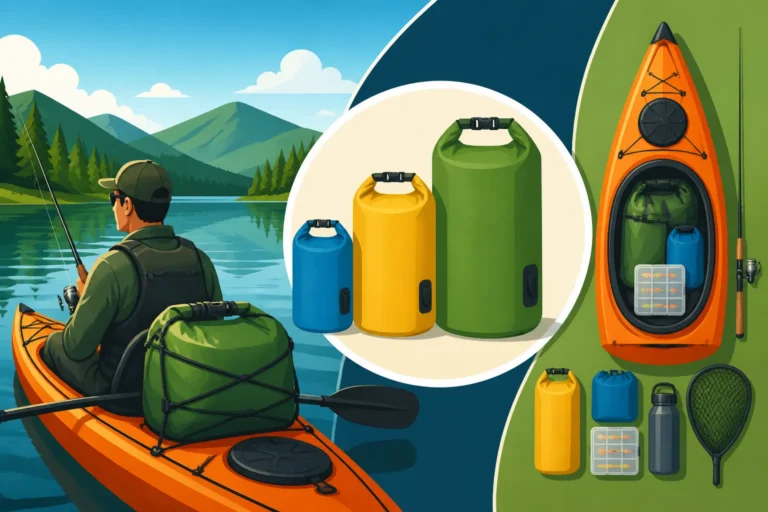
Once you're on the water, you need to access your gear quickly and safely. This means considering how the organizer opens, how its contents are displayed, and how securely it can be fastened within your boat. Fumbling with complicated latches or digging through layers of gear while drifting can be dangerous in a small craft. Top-loading boxes or bags with large, easy-to-grab handles are often preferable. Furthermore, the organizer needs to stay put. Sliding around a wet deck is not only annoying but a safety hazard. Look for non-slip bases, tie-down points, or designs that integrate with a kayak's bungee system or a jon boat's bench seat. Some soft-sided tackle bags, like those offered by Bass Pro Shops, often come with rubberized feet or non-skid bottoms specifically designed to prevent them from sliding on slick surfaces. For kayakers, consider Best Dry Bag for Kayak Fishing as a primary storage for sensitive items, and a smaller, easily accessible tackle bag for immediate needs.
Popular Types of Tackle Organizers for Small Boats
The market is flooded with tackle organization solutions, but not all are created equal when it comes to the confines of a small boat. Here's a breakdown of the most common and effective types, along with their pros and cons for the small boat angler.
Hard-Sided Tackle Boxes
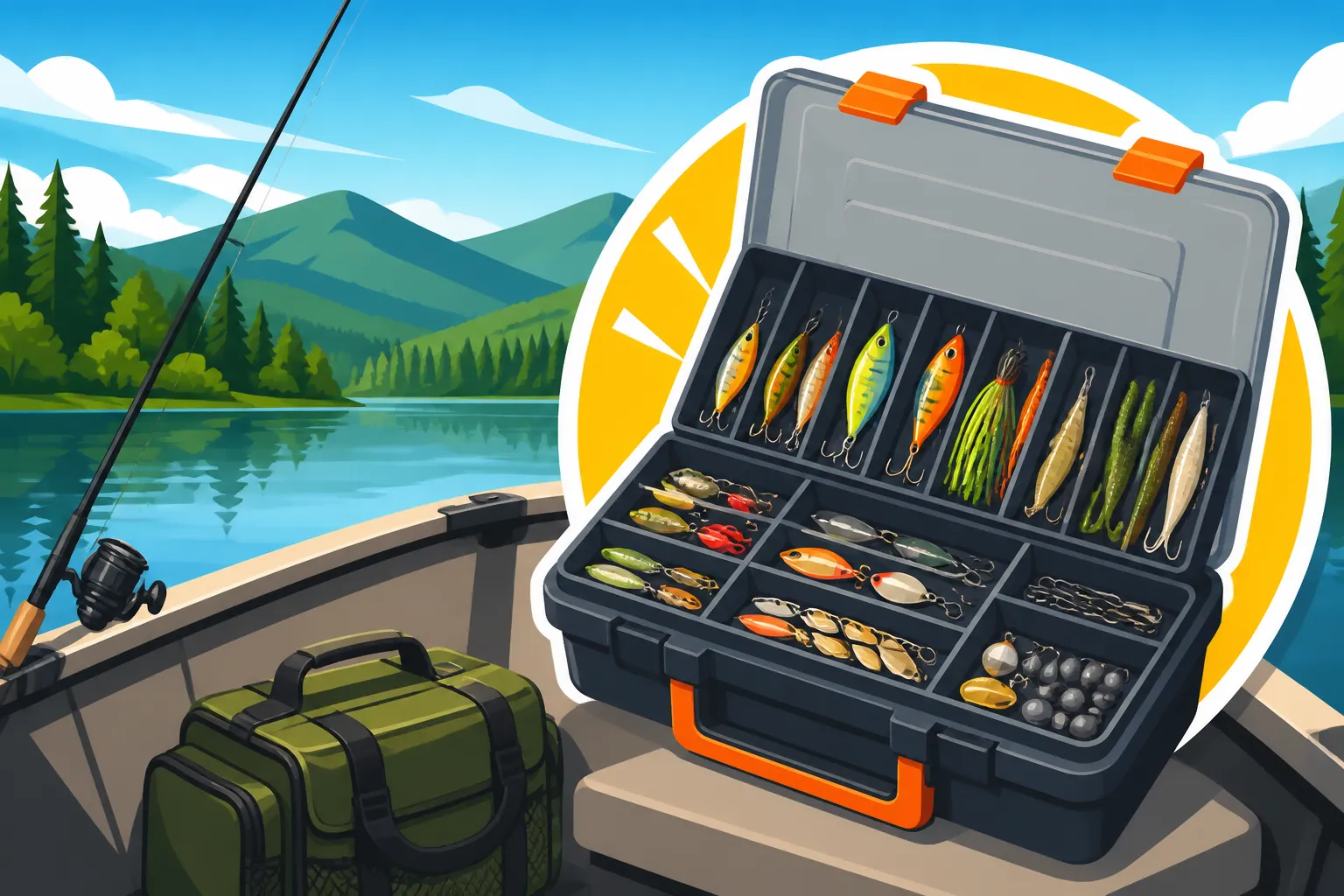
These are the classic workhorses of fishing, and for good reason. Modern hard-sided tackle boxes have come a long way from the clunky metal boxes of yesteryear. They typically feature sturdy plastic construction, often with multiple trays that swing out or stack, and various sized compartments for different lure types and accessories. The biggest advantage for small boats is their inherent rigidity and often superior water resistance, especially models with strong clasps and rubber gaskets. They protect your gear from crushing, which is important when gear might get shoved under a seat or have other items stacked on top of it.
However, hard-sided boxes can also be bulky and rigid, making them challenging to fit into irregularly shaped spaces common in kayaks or canoes. Their fixed compartments might not suit every angler's specific needs, though many now come with adjustable dividers. For a jon boat, a mid-sized hard box like a Plano Guide Series box can be a fantastic option, offering protection and organization for a wide array of Best Tackle for Vermont Smallmouth Bass. For smaller craft, opt for compact, vertical models that don't hog horizontal space. Always check the latching mechanism; secure, easy-to-operate latches are key when your hands might be cold or wet.
Soft-Sided Tackle Bags
Soft-sided tackle bags have surged in popularity, particularly among kayak and canoe anglers, due to their flexibility and portability. These bags are essentially durable fabric shells designed to hold multiple plastic utility boxes (often called 3600 or 3700 series boxes, referring to their dimensions). Their main appeal is versatility; you can swap out the utility boxes based on what you're fishing for, carrying only what you need. Need to focus on Fly Fishing for Trout in Vermont? Swap in boxes filled with fly patterns, leaders, and tippet. Switching to panfish? Grab those boxes.
Many soft bags also feature exterior pockets for tools, line spools, and other quick-access items. Brands like Bass Pro Shops and Amazon offer a wide range of these bags, from small shoulder sling packs perfect for a kayak to larger, multi-box systems. The downside is that they typically offer less crush protection than hard boxes, and while many are water-resistant, very few are truly waterproof unless they feature a full roll-top closure or are specifically designed with waterproof zippers and materials. For a day of Kayak Fishing Techniques for Vermont Lakes, a soft-sided bag that fits snugly behind your seat or in the bow can be a game-changer for quick access and streamlined organization.
Specialty Organizers: Crates, Systems, and Kayak Specific Solutions
Beyond the general tackle boxes and bags, there are specialized organizers that cater directly to small boat needs.
- Kayak Crates: For kayak anglers, a milk crate or a purpose-built fishing crate is a beloved solution. These open-top systems fit perfectly into the tankwell of most sit-on-top kayaks. They can be customized with rod holders, tool caddies, and multiple utility boxes. Companies like Perception and Wilderness Systems offer purpose-built fishing crates that are more refined than a simple milk crate, often with integrated features and better aesthetics. They're excellent for organizing your Best Gear for Vermont Trout Fishing in a way that's secure and accessible.
- Built-in Storage & Custom Solutions: Some smaller boats, especially jon boats or aluminum fishing boats, have built-in storage compartments under seats or in the bow. Maximizing these often involves using smaller utility boxes or soft cases that fit precisely. You can even fashion custom dividers or tool holders from marine-grade plywood or PVC to perfectly tailor the space.
- Waterproof Pouches and Cases: For absolute protection of essentials like your phone, car keys, wallet, or a small selection of premium lures, individual waterproof pouches or small, dry box cases are invaluable. These can be clipped into a larger tackle bag or secured independently. Best Dry Bag for Kayak Fishing are also excellent for this, ensuring critical items remain completely dry.
The key is to think about how each type of organizer complements your fishing style and your specific small boat's layout. A combination of these might be the ultimate solution, using a hard box for core, less frequently accessed gear, a soft bag for daily essentials, and a kayak crate for on-the-water rod and tool management.
Key Features to Look for in a Small Boat Tackle Organizer
Choosing the right tackle organizer isn't just about picking a type; it's about evaluating the specific features that will make your time on the water more productive and enjoyable.
Adjustable and Customizable Compartments
Fixed compartments are often a nuisance. Your lure collection, tool set, and bait preferences change with the seasons, target species, and even the body of water you're fishing. An organizer with adjustable dividers in its utility boxes (or within the main body if it's a hard-sided box) allows you to reconfigure the space to perfectly fit different lure sizes, spools of line, or even specific bait containers. This prevents lures from tangling, hooks from dulling, and gives every item its own snug spot. Many soft-sided bags come with several 3600 or 3700 size utility boxes that have these customizable dividers, offering immense flexibility. This is particularly useful when you're preparing for different types of fishing, like gearing up for Lake Champlain Smallmouth Bass Fishing one day and then heading to a local pond for panfish the next.
External Pockets and Tool Holders
On a small boat, fumbling inside a main compartment for pliers, line cutters, or a measuring tape is inefficient and can be precarious. External pockets, whether zippered, mesh, or open-top, provide quick access to frequently used tools and accessories. Look for dedicated tool holders or sleeves for pliers, fishing shears, and even a small first-aid kit. A well-designed bag will have these thoughtfully placed, often on the sides or front, ensuring that your essential tools are always within arm's reach without needing to open the main compartment. Some bags even have specific places to clip a small Best Portable Fish Finder for Kayak Fishing or attach a small, bright headlamp for dawn or dusk excursions.
Secure Closures and Handles
This might seem obvious, but not all closures and handles are created equal. Latches on hard-sided boxes should be robust, easy to operate with one hand, and resistant to accidental opening if the box is dropped or jostled. For soft-sided bags, heavy-duty zippers are a must – look for corrosion-resistant materials, large pull tabs, and ideally, self-repairing coils. Poor quality zippers are often the first point of failure. Handles should be strong, comfortable to grip, and securely attached. A padded shoulder strap can also be a huge plus, especially when portaging a canoe or carrying gear down to the water's edge. Carrying a heavy tackle bag with a flimsy handle across uneven terrain is just asking for a broken handle and scattered gear.
Non-Slip Base or Tie-Down Points
As mentioned earlier, stability is paramount in a small boat. A tackle organizer that slides around every time you shift your weight or hit a small wake is a major nuisance and safety risk. Look for features like rubberized feet, a textured or non-slip base, or integrated tie-down points (like D-rings or loops) that allow you to secure the organizer to your boat. Kayakers can use bungees or straps to secure crates and bags into tankwells or bow areas. For open boats, a good non-slip bottom can make all the difference, preventing your valuable gear from ending up in the drink. When you're out trying to land a big one on the Battenkill River Trout Fishing, the last thing you want is your gear sliding around your small craft.
Maximizing Space and Organization in a Small Boat
Even with the best organizer, small boat fishing demands a strategic approach to what you bring and how you store it. Every item should earn its place.
The "Less is More" Philosophy
This is the golden rule for small boat anglers. Resisting the urge to bring your entire tackle shop is crucial. Before each trip, think about your target species, the water body, and the expected conditions. If you're targeting brook trout in a high mountain stream, you likely don't need heavy jigs and massive crankbaits. Pack only the lures, baits, and tools you realistically expect to use. This isn't just about saving space; it reduces weight, which can impact a small boat's performance and stability, and it minimizes clutter, making it easier to find what you need quickly. Creating "trip-specific" utility boxes that contain only the necessary tackle for a given outing can dramatically streamline your setup. You can keep your larger, comprehensive tackle collection at home and just load the appropriate smaller boxes into your chosen soft-sided bag.
Vertical Storage and Stacking Solutions
When horizontal space is at a premium, go vertical. Look for tackle organizers that are designed to stack securely or that have a tall, narrow profile. For example, a kayak crate often provides a fantastic vertical storage solution, allowing you to stack utility boxes inside it and attach rod holders to the sides. Some hard-sided boxes are also designed with a smaller footprint but more internal depth, making them suitable for vertical placement in tight spots.
Consider also how items can be stored together. For example, some fishing rods might be stored alongside the tackle organizer. Speaking of rods, make sure you have a good system for your Best Spinning Rods for Smallmouth Bass or fly rods; vertical rod holders on a kayak or jon boat are excellent for keeping them out of the way but ready for action.
Utilizing Dead Space
Every nook and cranny in a small boat is potential storage space. Think about areas under seats, in the bow or stern, or along the gunwales. Small, flexible soft pouches can be tucked into odd-shaped spaces where a rigid box wouldn't fit. Velcro straps or bungee cords can secure items to the inside of the hull or to support structures. Some anglers even use suction cup organizers for tools or small items on smooth surfaces. Just be mindful of how easily these items can be retrieved without compromising your balance or stability. Even the humble PFD (personal flotation device) often has pockets that can hold a few essential items like line cutters or a whistle.
The Role of Clear Utility Boxes
Clear plastic utility boxes are a small boat angler's best friend. Being able to see the contents of each box at a glance saves precious time and eliminates the need to open multiple boxes to find what you're looking for. Labeling these boxes with a permanent marker (e.g., "Bass Jigs," "Trout Spinners," "Panfish Worms") takes this a step further, allowing for ultra-efficient organization. Most soft-sided tackle bags are designed around these clear utility boxes, making them a fantastic system for quick identification and selection of tackle. This is especially helpful when you have multiple boxes for different species or lure types, like those for Best Tackle for Panfish versus heavier gear for Lake Trout Fishing in Vermont.
Maintaining Your Tackle Organizer and Gear
Proper maintenance isn't just about keeping your gear looking good; it's about extending its life, preventing costly replacements, and ensuring everything functions flawlessly when you need it most. This is especially true for gear used in the often damp and sometimes corrosive environment of a small boat.
Regular Cleaning and Inspection
After every few trips, or certainly at the end of the season, it's wise to give your tackle organizer a thorough cleaning. Empty out all the contents and wipe down the interior and exterior with a damp cloth and mild soap. Pay special attention to corners and crevices where dirt, sand, or old bait residue might accumulate. For hard-sided boxes, check the latches and hinges for any signs of wear or corrosion, and lubricate them if necessary. For soft-sided bags, inspect zippers for smooth operation and clean any debris that might be caught in the teeth. This is also a good time to check the stitching and fabric for any tears or weak spots that could compromise water resistance. A quick rinse with fresh water can do wonders, especially if you've been fishing in brackish or slightly salty waters (though less common in Vermont, it's good practice).
While you're cleaning, take the opportunity to inspect your tackle. Look for rusted hooks, dull blades, or tangled lines. Remove any soft plastic baits that have "melted" or reacted with the plastic of the utility box, as they can cause damage to other lures. Replace any worn-out components. This proactive approach helps prevent minor issues from becoming major problems on your next outing.
Drying and Airing Out
Moisture is the enemy of fishing tackle. Never store your tackle organizer away wet. After a day on the water, especially if it rained or your boat took on some spray, open up all compartments and remove the utility boxes. Allow everything to air dry completely before reassembling and putting it away. If you use soft-sided bags, turn them inside out if possible, or hang them in a well-ventilated area. Even seemingly dry tackle can harbor moisture, leading to rust on hooks, lures, and even reels.
This is also a good practice for any soft plastics or jigs with skirts that might hold water. Lay them out to dry before returning them to their boxes. This simple step can dramatically extend the life of your gear, ensuring that your expensive lures and terminal tackle are in prime condition when you reach for them. Products like Rod & Reel Cleaner by Bass Pro Shops are excellent for cleaning metal parts after exposure to water.
Strategic Long-Term Storage
When the Vermont fishing season winds down, or if you're going to be off the water for an extended period, think about long-term storage for your tackle organizer and its contents. Store your tackle organizer in a cool, dry place away from direct sunlight, which can degrade plastics and fabric over time. Consider removing all terminal tackle from the utility boxes and storing it in a separate, completely dry container with desiccant packets to absorb any residual moisture. Lubricate any hinges or moving parts on hard-sided boxes. For soft-sided bags, ensure they are completely dry, perhaps stuffed with newspaper or old towels to maintain their shape, and stored where pests can't get to them. Taking the time for proper long-term storage means you'll open your tackle organizer next season to find everything in perfect working order, ready for Vermont Trout Opening Day Traditions or whatever your first trip might be.
When you're out there on a small craft, whether it's a nimble kayak on Lake Willoughby or a trusty jon boat navigating the Otter Creek, the last thing you want to be thinking about is where your gear is or if it's protected. By choosing the right tackle organizer, embracing a minimalist approach, and keeping everything well-maintained, you'll be able to focus on the pure joy of fishing, making every cast count.
| Organizer Type | Best For | Pros | Cons | Key Brands (Examples) |
|---|---|---|---|---|
| Hard-Sided Box | Jon Boats, small aluminum boats, general use | Excellent protection (crush, water), durable, secure latches. | Can be bulky, rigid, fixed compartments (unless adjustable). | Plano, Flambeau |
| Soft-Sided Bag | Kayaks, canoes, highly mobile anglers | Flexible, portable, customizable with utility boxes, extra pockets. | Less crush protection, usually water-resistant (not fully waterproof). | Bass Pro Shops, Wild River, Ugly Stik |
| Kayak Crate System | Sit-on-top kayaks | Maximizes tankwell space, integrates rod holders, highly customizable. | Kayak-specific, often open-top (less weather protection for contents). | Perception, Wilderness Systems, YakAttack |
| Waterproof Pouch/Case | Essentials, electronics, sensitive items | Full waterproofing, compact, highly protective. | Very limited capacity, not a primary tackle organizer. | SeaLine, Aquapac, Pelican |
Disclaimer
This article is for general informational purposes only and does not constitute professional advice. Laws, prices and regulations vary by location and change over time. Consult a qualified professional for guidance on your specific situation.