Best boat cover for winter storage
Vermont winters are absolutely brutal on anything left exposed, and our beloved fishing boats are no exception. Leaving your boat uncovered or with a flimsy tarp can lead to a host of headaches come spring – from cracked seats and damaged electronics to unwelcome critter nests and pervasive mildew. This guide is all about helping you understand why a top-notch boat cover for winter storage isn't just a nice-to-have, but an essential investment, and how to choose the right one to protect your vessel from the Green Mountain State's harsh elements.
Why a Quality Boat Cover is Non-Negotiable for Vermont Winters
When those first flakes start to fall and the mercury plummets, many of us anglers reluctantly put our boats away for the long winter nap. But that doesn't mean our responsibilities end. In fact, winter storage is where proper protection truly earns its keep. A quality boat cover isn't just about keeping leaves out; it's a fortress against moisture, ice, UV degradation, and critters that are all too eager to make a home in your fiberglass or aluminum haven. Skipping out on a good cover can cost you far more in repairs and heartache than the cover itself.
Protecting Against Snow, Ice, and Bitter Cold
Imagine the weight of a foot or two of heavy, wet Vermont snow piling up on a cheap, ill-fitting tarp. That sag in the middle becomes a massive basin, collecting even more snow and eventually ice. This immense weight can actually warp your boat's frame, stress its fittings, and even cause cracks in the hull or deck. Beyond the weight, the constant freeze-thaw cycles that are common in our shoulder seasons can expand and contract materials, leading to hairline fractures in gel coats or even damage to sensitive electronic components left inside. A proper winter cover is designed to shed snow and ice, preventing these structural nightmares.
The bitter cold itself, especially when coupled with wind, can also be incredibly damaging. Vinyl seats can become brittle and crack, plastic components can grow fragile, and even the boat's finish can suffer. While a cover doesn't heat your boat, it does create a microclimate underneath that helps moderate temperature swings, protecting your boat's interior and exterior from the most extreme cold and sudden temperature drops. Think of it as an extra layer of insulation, buffering your boat from the worst of winter's bite.
Preventing Moisture and Mildew Damage
One of the sneakiest enemies of a stored boat is moisture. Even if a cover keeps direct precipitation out, condensation can still form underneath. When a cover doesn't breathe, this trapped moisture has nowhere to go. It settles on surfaces, seeps into upholstery, and creates the perfect breeding ground for mold and mildew. The smell alone is enough to ruin your spring un-winterizing enthusiasm, not to mention the stubborn stains and potential health hazards.
A good winter boat cover is designed with breathability in mind, often incorporating vents or made from materials that allow air circulation while still repelling water. This crucial feature helps to prevent that damp, stagnant environment where mildew thrives. It allows any accumulated moisture to evaporate naturally, keeping the interior of your boat fresh and dry, ready for when you're itching to hit the water for Vermont Trout Opening Day Traditions.
Deterring Pests and Critters
Few things are more disheartening than pulling off your boat cover in spring only to discover that mice, squirrels, or even larger critters have turned your boat into their winter sanctuary. They'll chew through wires, nest in upholstery, leave droppings everywhere, and cause an incredible amount of damage that can be both costly and time-consuming to repair. These unwelcome guests are relentless in their search for shelter during the cold months.
A tight-fitting, robust boat cover acts as a significant deterrent. While no cover is 100% critter-proof, a cover that is properly secured and fits snugly reduces the entry points significantly. Coupled with some additional pest control measures inside the boat (like mothballs or dryer sheets, which critters reportedly despise), a good cover forms the first line of defense against these furry invaders, saving you from a nasty surprise in the spring.
Key Features to Look for in a Winter Boat Cover
Choosing a winter boat cover isn't just about grabbing the cheapest option off the shelf. There are specific features that distinguish a flimsy tarp from a true winter warrior designed to protect your investment through the harshest Vermont weather. Paying attention to these details will ensure you're getting the most bang for your buck and maximum protection.
Material Matters: Durability and Breathability
The fabric of your boat cover is its first and most important defense. You need something that is incredibly durable, able to withstand sharp ice, heavy snow, and strong winds without tearing. Polyester is a common choice, often treated for water resistance. It's strong, resistant to UV degradation (which can still happen on sunny winter days reflecting off snow), and holds up well. Look for denier counts – a higher number generally means a tougher, thicker fabric. Some covers will boast marine-grade fabrics specifically engineered for long-term outdoor exposure.
Equally important as durability is breathability. As we discussed, you want a cover that repels water from the outside but allows moisture vapor to escape from the inside. Many high-quality covers achieve this through specialized woven materials or integrated venting systems. Avoid anything that feels like a simple, heavy plastic tarp; those tend to trap moisture and lead to mildew. Remember, the goal is dry protection, not an airtight seal. Many reputable brands offer covers made with materials that strike this balance perfectly, ensuring your boat remains pristine inside.
Fit and Support: Avoiding Water Pooling
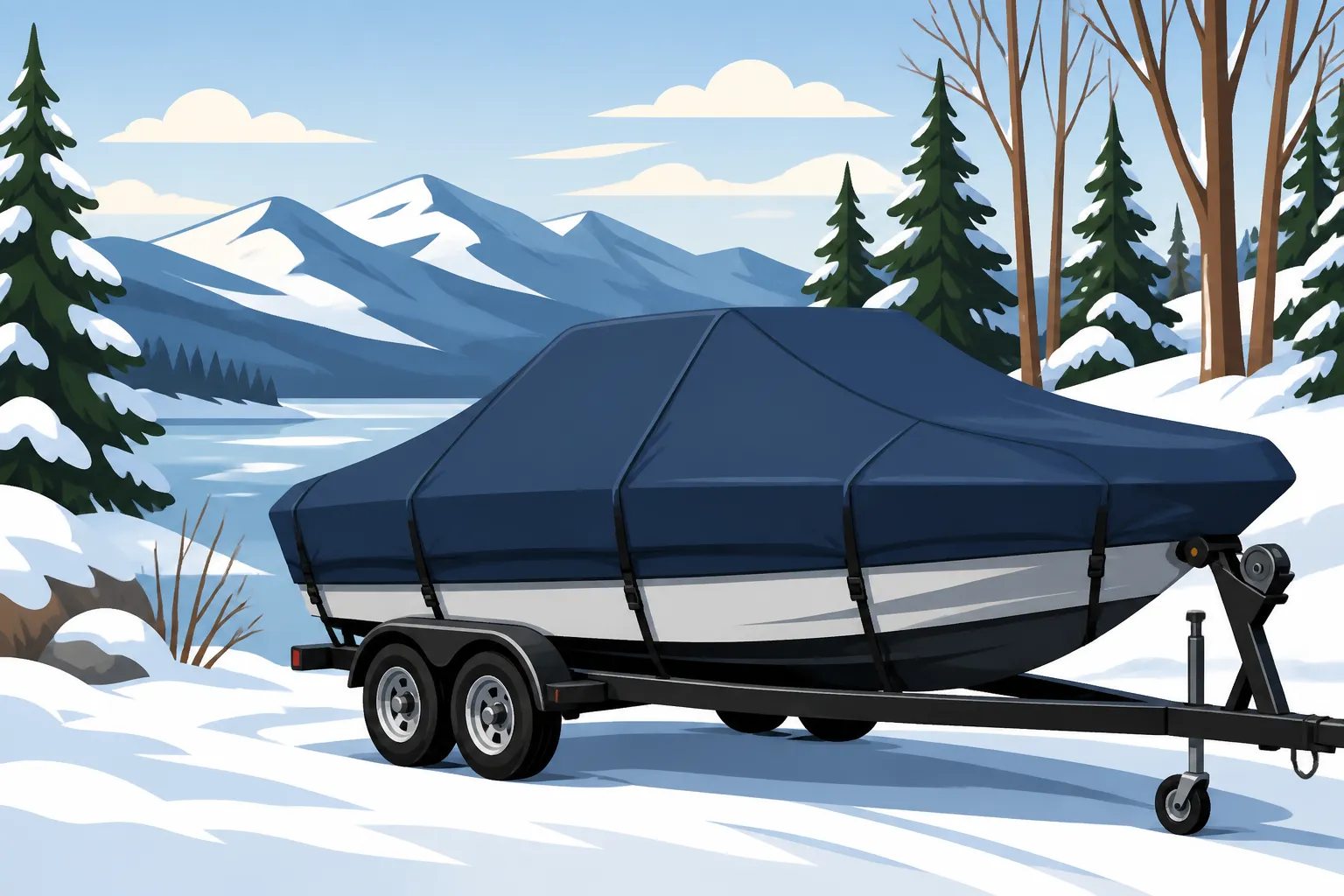
An ill-fitting cover is almost as bad as no cover at all, particularly during a snowy Vermont winter. Loose covers flap in the wind, chafing against your boat's finish, and more importantly, they create low spots where water, snow, and ice can accumulate. This pooling creates immense weight and pressure, eventually leading to structural damage and leaks. A good winter cover should fit snugly around your boat, ideally reaching down past the rub rail, but not so tight that it can't accommodate a support system.
A proper support system underneath the cover is absolutely critical, especially for V-hull boats or those with wide, flat decks. This system creates a peak, allowing snow and water to run off, much like a roof on a house. This can be achieved with boat cover support poles, frames, or even a simple DIY setup using PVC pipes or sawhorses. Many covers are designed with attachment points for these support systems, ensuring the cover maintains its shape and sheds precipitation effectively. This is vital for preventing the dreaded sag.
Securing Your Investment: Straps, Vents, and Reinforcements
Once you have the right material and fit, how the cover stays on and manages airflow is next. Strong, adjustable straps are essential to keep the cover securely in place against those famous Vermont winds. Look for covers that come with a comprehensive strapping system, often with buckles or quick-release clips, that cinch down tight around the hull and trailer. Reinforced attachment points where the straps connect to the cover are also key, as these are common failure points on lesser quality covers.
Integrated vents, often sewn into the cover at strategic points, are a hallmark of a good winter cover. These allow for that crucial air circulation we talked about, preventing moisture buildup without letting in rain or snow. They often have internal flaps or mesh to deter pests. Lastly, look for reinforced stress points, such as where the windshield or other sharp edges might press against the cover. These areas are prone to wear and tear, and extra padding or a double layer of fabric here can significantly extend the life of your cover.
Types of Boat Covers for Winter Storage
When it comes to covering your boat for winter, you've got a few main paths you can take, each with its own advantages and considerations. Understanding these options will help you decide which level of protection is best for your boat and your budget. Whether you're a weekend warrior or a dedicated angler with a trophy rig, there's a solution out there.
Custom-Fit vs. Semi-Custom vs. Universal Covers
This is perhaps the biggest decision point.
-
Universal Covers: These are the most affordable and readily available, often found at big box stores or online platforms like Amazon. They come in general sizes (e.g., "fits 17-19 ft V-hull boats"). While they are budget-friendly, their fit is often loose and baggy, making them prone to pooling and wind damage. They're a step up from a basic tarp, but they require a robust support system to prevent snow and water accumulation, and they offer the least protection against chafing. If your boat is older or you're on a very tight budget, they can work with extra effort, but they're not ideal for long-term, heavy-duty wintering.
-
Semi-Custom Covers: These covers are designed for specific boat styles and lengths, offering a much better fit than universal options. You'd typically select a cover for a "19 ft deep-V center console" or a "21 ft pontoon boat." They account for general hull shapes, windshields, and often have integrated motor covers. While not molded to every curve of your specific boat model, they provide a snugger fit, reducing flapping and pooling. These are a popular choice for many Vermont anglers, striking a good balance between cost and protection. They still benefit greatly from an internal support system to shed heavy snow. You'll often find these available from marine suppliers and larger outdoor retailers, like Bass Pro Shops, offering a wide range of options.
-
Custom-Fit Covers: This is the Cadillac of boat covers, specifically made for your exact boat year, make, and model, often accounting for towers, trolling motors, and other accessories. They offer the tightest, most protective fit, minimizing wind lofting, chafing, and water pooling. Because they fit so perfectly, they require less extensive internal support, though a few poles are still a good idea. Custom covers are typically the most expensive, but they offer unparalleled protection and often come with the best warranties and fabric quality. If you have a high-value boat or simply want the absolute best peace of mind for Vermont's winters, a custom cover is worth the investment. Many local marine canvas shops specialize in creating these, providing a truly bespoke solution.
Shrink Wrap: A Professional's Choice for Extreme Protection
For the ultimate winter protection, many boat owners, especially those with larger vessels or those who want absolute peace of mind, opt for professional shrink wrapping. Shrink wrap is a heavy-gauge plastic film that is custom-fitted over your boat and then heated, causing it to shrink and form a taut, seamless, drum-tight cover. It's like putting your boat in a giant, protective cocoon.
The advantages of shrink wrap are significant:
- Superior Water Shedding: Its smooth, taut surface sheds snow and ice effortlessly, eliminating any possibility of pooling water.
- Airtight Seal (with vents): While it forms an almost airtight seal, professionals will always install vents to allow for crucial airflow and prevent moisture buildup, making it surprisingly breathable in the right spots.
- Critter Proof: The tight seal leaves no entry points for pests.
- UV Protection: High-quality shrink wrap often includes UV inhibitors, protecting your boat from sun damage even in winter.
- Durability: It's incredibly tough and can withstand extreme winds and heavy snow loads.
The downside, of course, is the cost and the fact that it's typically a one-time use product. While some ambitious DIYers attempt it, it's generally best left to professionals who have the right equipment and experience. If you trailer your boat, look into companies that offer mobile shrink-wrapping services, or consider your local marina. It's a fantastic option for safeguarding your boat through the harshest Vermont cold.
| Cover Type | Fit | Cost | Protection Level | Best For |
|---|---|---|---|---|
| Universal | Loose, baggy | Low | Basic | Older boats, very tight budget, short-term |
| Semi-Custom | Good, specific | Medium | Good | Most anglers, good balance of cost/protection |
| Custom-Fit | Excellent, exact | High | Excellent | High-value boats, maximum peace of mind |
| Shrink Wrap | Drum-tight, sealed | High (annual) | Superior | Ultimate protection, larger boats, no DIY |
Preparing Your Boat and Applying the Cover for Winter
Getting your boat ready for its long winter nap involves more than just throwing a cover over it. Proper preparation is key to ensuring that the cover can do its job effectively and that your boat emerges in pristine condition come spring. This process can feel like a chore, but trust me, your future self will thank you. For more detailed winterization tips, you might find our guide on Vermont Boating Laws for Anglers helpful, particularly regarding proper care for your vessel.
Thorough Cleaning and Anti-Mildew Treatments
Before you even think about putting on that cover, your boat needs a serious deep clean. Any lingering fish scales, spilled bait, or general grime left on surfaces can attract pests and become breeding grounds for mold and mildew over the winter. Wash the exterior thoroughly, paying attention to the hull, deck, and any crevices. Don't forget to clean out the livewells, baitwells, and storage compartments.
For the interior, vacuum carpets, wipe down all surfaces, and clean upholstery. Once everything is sparkling clean and completely dry, consider applying a marine-grade anti-mildew spray to upholstery and other susceptible areas. You can also place moisture absorbers or desiccants in sealed compartments to further reduce humidity. Old-school tricks like placing dryer sheets or cedar blocks in various spots are also popular for deterring critters and leaving a fresher scent. The goal is to eliminate anything that could attract pests or foster fungal growth while the boat is buttoned up.
Creating an Internal Support Structure
As mentioned earlier, an internal support structure is paramount for any boat cover, especially for semi-custom and universal options, to prevent snow and water pooling. Without it, even the best cover will sag under the weight of Vermont's winter precipitation, leading to damage. This structure creates a "peak" or a gentle slope, allowing snow and rain to shed off rather than accumulate.
There are several ways to do this:
- Commercial Support Poles: Many marine stores and retailers (like Bass Pro Shops) sell adjustable boat cover support poles that fit into sockets or rest on padded bases inside your boat. These are designed to create high points.
- DIY PVC Frame: For a more custom and robust solution, you can build a simple frame out of PVC pipes. This involves creating a ridge pole down the center of your boat with uprights to support it, giving the cover a tent-like shape. This method is highly effective for dispersing weight.
- Sawhorse/Crate Method: For smaller boats, you might be able to strategically place small sawhorses or plastic crates (padded, of course) under the cover at key points to create elevation.
Whatever method you choose, ensure the support points are padded to prevent chafing or damage to your boat's interior, and that the structure is stable enough to withstand moderate impacts from falling snow.
Proper Installation and Tensioning
Once your boat is clean and your support system is in place, it's time to install the cover. Unfold it carefully to avoid snagging or tearing. Drape it over the boat, making sure any designated front/rear markings are correctly oriented. Start by loosely fitting it over the entire vessel, then begin to cinch it down.
Work systematically, pulling the cover taut from front to back and side to side. Connect all the straps and buckles, tightening them progressively to ensure an even, snug fit. The goal is to eliminate any significant sagging or loose areas where wind could catch or water could pool. Pay close attention to the hem, ensuring it pulls down past the rub rail to protect the sides of your hull. If your cover has vents, make sure they are open and unobstructed. A well-installed and tensioned cover will be drum-tight, allowing snow and ice to slide off rather than collect, providing the best possible protection against the harsh Vermont winter. You want it snug, but not so tight that it stresses seams or fabric.
Choosing Where to Buy Your Winter Boat Cover
Now that you know what you're looking for, the next step is actually making the purchase. You have several options, each with its own benefits and drawbacks. Knowing where to shop can make a big difference in the quality of advice you get, the variety of products available, and the support you receive.
Local Marine Shops vs. Online Retailers
When it comes to purchasing a boat cover, you generally have two main avenues:
-
Local Marine Shops: Visiting a local marine dealership or specialty boat accessories store in Vermont can be a fantastic option. The biggest advantage here is the personalized advice. The staff often consists of experienced boaters and anglers who understand the specific challenges of winterizing a boat in our climate. They can help you measure your boat correctly, recommend specific materials and brands based on your boat type, and even offer tips on installation and support systems. You can physically inspect the cover materials and construction, which is a huge plus. While prices might sometimes be slightly higher than online, the expertise and immediate availability can be invaluable. Plus, you're supporting local Vermont businesses, which is always a good thing!
-
Online Retailers: Websites like Amazon and large outdoor sports retailers such as Bass Pro Shops offer an incredibly vast selection of boat covers at competitive prices. You'll find everything from universal budget covers to high-end semi-custom and even some custom-fit options. The convenience of shopping from home and having it delivered is undeniable. The downside is that you can't physically examine the product before buying, and while product descriptions and customer reviews are helpful, they can't replace hands-on advice. You'll need to be very precise with your measurements and research to ensure you order the correct size and type. Always double-check return policies when buying large items like boat covers online, just in case the fit isn't quite right.
Understanding Warranties and Customer Support
Regardless of where you purchase your cover, understanding the warranty and the level of customer support is crucial. A good winter boat cover is an investment, and you want to ensure it's protected. Warranties on boat covers can vary widely, from a mere 1-year limited warranty for basic universal covers to 5, 7, or even 10+ years for premium custom-fit options. Read the fine print to understand what's covered (e.g., manufacturing defects, material degradation) and what's excluded (e.g., damage from improper installation, extreme weather beyond reasonable limits).
Customer support is also important. If you have questions about installation, need to troubleshoot an issue, or have a warranty claim, you want to know that the retailer or manufacturer will be responsive and helpful. Check reviews related to customer service, especially for online purchases. A strong warranty and reliable customer support provide an extra layer of confidence that your investment is sound and that your boat will remain protected through the long, snowy months of a Vermont winter. It's not just about the product, it's about the peace of mind.
Disclaimer
This article is for general informational purposes only and does not constitute professional advice. Laws, prices and regulations vary by location and change over time. Consult a qualified professional for guidance on your specific situation.