Best pedal kayak for hands-free fishing
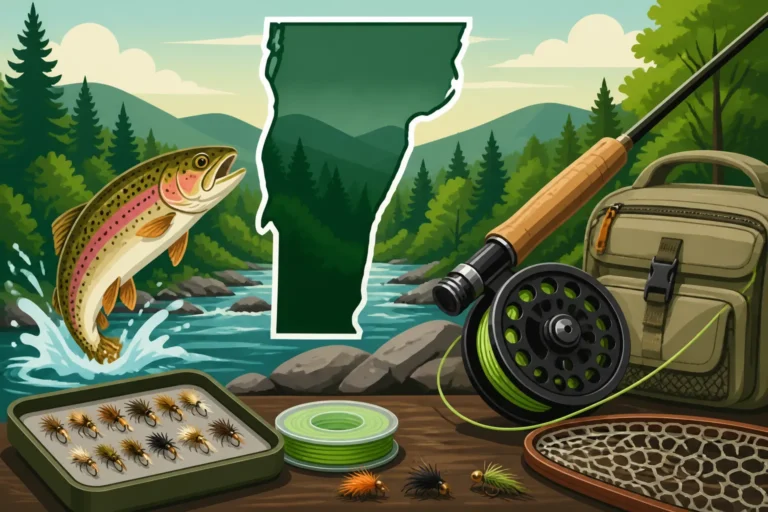
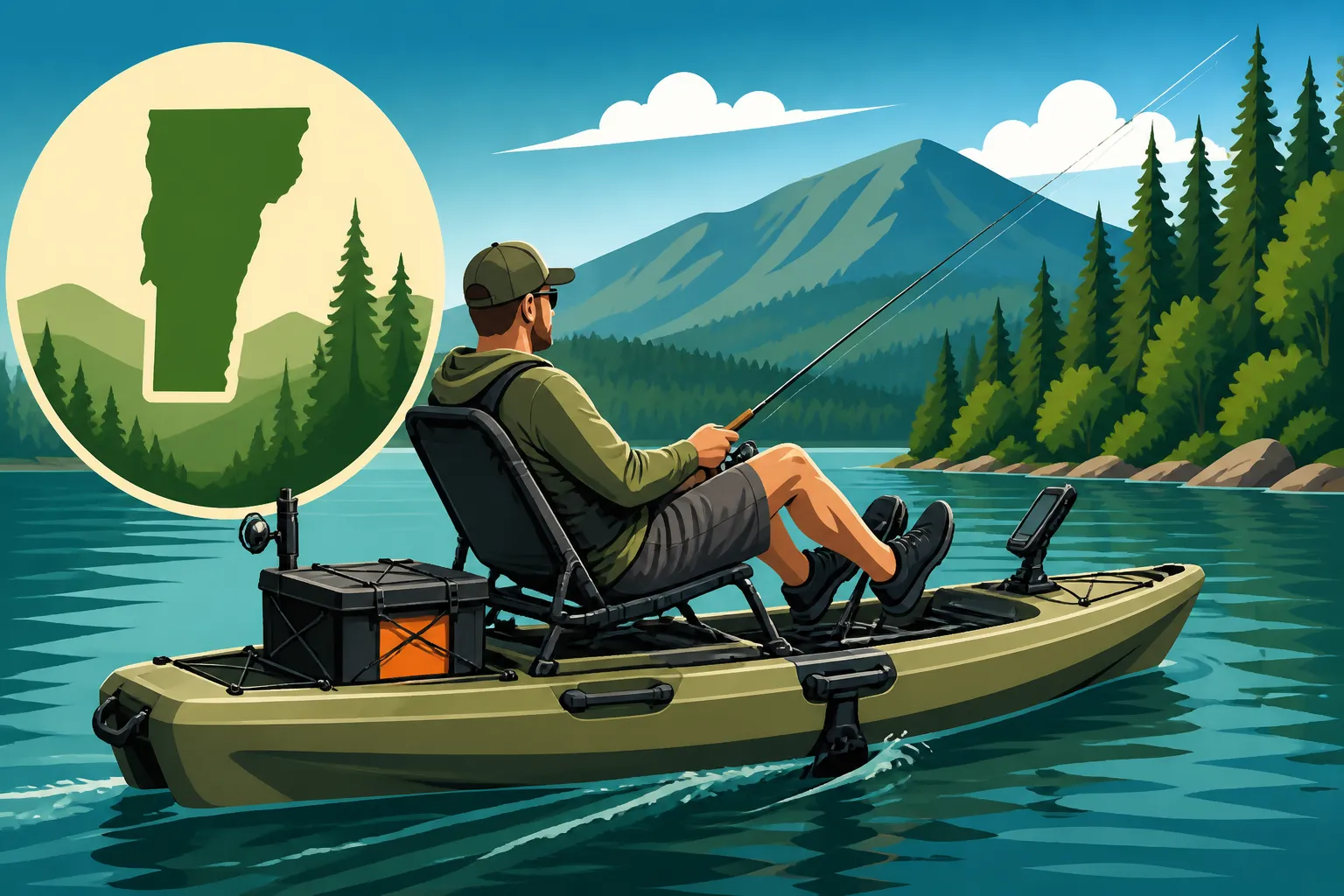
There's nothing quite as frustrating as being out on the beautiful waters of Vermont, rod in hand, a fish on the line, and suddenly realizing you need to adjust your position against the current or wind, or maneuver around a submerged log, all while trying to keep tension on your catch. It’s a dance that often ends in tangled lines, missed opportunities, or even a lost fish. This comprehensive guide is here to shed light on how pedal kayaks can revolutionize your fishing experience, offering you the ultimate hands-free freedom to focus on what truly matters: catching fish across Vermont's diverse lakes and rivers.
Why Pedal Kayaks are a Game-Changer for Vermont Anglers
Imagine being able to hold your rod, set the hook, and reel in a trophy smallmouth bass from Lake Champlain, all while subtly adjusting your position with a simple push of your feet. This isn't a pipe dream; it's the reality a pedal kayak offers. For Vermont anglers, where conditions can change rapidly from calm mornings to blustery afternoons, and currents can surprise you in rivers like the Winooski, hands-free propulsion is more than a luxury—it's a tactical advantage.
Hands-Free Control in Challenging Waters
One of the most immediate benefits of a pedal kayak is the ability to maintain precise boat control without ever putting your rod down. Think about those breezy days on a larger body of water, perhaps trying to troll for lake trout or walleye. With a paddle kayak, you're constantly putting the paddle down, making a cast, picking the paddle back up to correct your drift, and repeating the cycle. It's exhausting and distracting. A pedal kayak allows you to hold your line, manage your retrieve, and even fight a fish, all while your feet are doing the work of keeping you exactly where you want to be. This is especially crucial when navigating tricky currents or wind lanes, giving you an edge when targeting elusive species in specific structures.
Consider a scenario where you're sight fishing for wary trout in a clear mountain stream, or patiently working a weed line for largemouth bass. The subtle movements possible with a pedal drive mean you can creep into position, hold steady against a light breeze, or follow a cruising fish with minimal effort and noise. This level of control translates directly into more accurate casts, better lure presentation, and ultimately, more fish in the net. It transforms your kayak from a mere vessel into an extension of your fishing strategy, allowing for seamless execution of various techniques.
Stealth and Efficiency for Covert Approaches
Vermont's fish are smart, and often shy, especially in its clearer waters. The quiet operation of a pedal kayak is a massive advantage. Unlike the splashing and banging that can sometimes accompany paddle strokes, a pedal drive is incredibly silent. This stealth allows you to approach prime fishing spots like shallow flats, rocky points, or hidden coves without alerting the fish to your presence. You can glide into position, making the first cast count before the fish even know you're there.
Beyond stealth, pedal kayaks offer unparalleled efficiency in covering water. Your legs, being much stronger than your arms, can propel you across vast distances with less fatigue. This means you can explore more of a lake, follow a migrating school of baitfish, or quickly move between promising spots on a larger river without draining your energy reserves. This efficiency is a real boon when you're trying to figure out a pattern or when you've got a limited amount of time on the water, letting you maximize your fishing time rather than just paddling.
Ergonomics and Comfort for Long Days
Fishing is an endurance sport, and long days on the water can take a toll on your body. Traditional paddling can strain your shoulders, back, and arms, leading to discomfort and fatigue that cuts your trip short. Pedal kayaks, by engaging your leg muscles, distribute the effort more broadly, making for a much more comfortable experience, especially on those marathon fishing sessions. Many pedal kayaks feature elevated, adjustable seating, providing better posture and reducing strain on your back, which is invaluable for extended periods.
The comfort aspect extends beyond just propulsion. The ability to sit upright and make subtle positional changes with your legs means you're less likely to cramp up or feel stiff. This improved ergonomics allows you to stay focused and enjoy the beautiful Vermont scenery, whether you're chasing Lake Champlain Smallmouth Bass Fishing or navigating the tranquil waters of a secluded pond. When you're comfortable, you're more patient, more observant, and ultimately, a more effective angler.
Key Features to Look for in a Pedal Kayak for Vermont Fishing
Choosing the right pedal kayak means understanding the different systems and features available, and how they stack up against the unique demands of Vermont's waterways. It's not a one-size-fits-all decision; what works perfectly for a wide-open lake might be cumbersome on a smaller, rock-filled river.
Propulsion System: Propeller vs. Fin Drive
When you delve into pedal kayaks, you'll quickly encounter two main types of propulsion systems: propeller drives and fin drives. Each has its strengths and weaknesses, making the choice dependent on where and how you plan to fish in Vermont.
| Feature | Propeller Drive | Fin Drive |
|---|---|---|
| Mechanism | Uses a rotating propeller, similar to a boat motor. | Uses fins that flap back and forth to create thrust. |
| Power/Speed | Generally offers more direct power and higher top speeds, especially in open water. | Excellent for quick bursts of speed and precise maneuvering, good acceleration. |
| Obstructions | Propeller can be vulnerable to weeds, rocks, and shallow water. Often requires raising the drive. | Fins can typically retract flush against the hull, making them better for shallow or obstacle-rich water. |
| Reverse | Many offer instant, full-power reverse (by pedaling backward). | Some offer reverse, others require manual fin reversal or are forward-only. |
| Noise | Can sometimes create a bit more turbulence/noise from the propeller blade. | Generally considered quieter, especially the smooth fin motion. |
| Maintenance | Propeller may need clearing of weeds, possibility of bending a prop blade. | Fewer moving parts exposed, generally less susceptible to damage from minor impacts. |
| Ideal Use | Open lakes, large rivers, trolling for species like walleye on Lake Champlain. | Shallow rivers, weed beds, technical fishing where stealth and obstacle avoidance are key. |
For many Vermont anglers, a fin drive system offers a distinct advantage, especially if you plan to explore shallower streams or waters with submerged vegetation. The ability to quickly retract the fins out of the water is invaluable when you encounter rocks, log jams, or thick weeds, which are common in places like Otter Creek or the Lamoille River. However, if your primary goal is covering long distances on vast bodies like Lake Champlain or Lake Memphremagog for Walleye Fishing on Lake Champlain or trolling for Lake Trout Fishing in Vermont, a powerful propeller drive might be more to your liking, offering consistent speed and powerful reverse capabilities. Many anglers find products from major retailers like Bass Pro Shops or even a broad selection on Amazon to compare these systems.
Stability and Deck Layout
Stability is paramount in a fishing kayak. You want to feel secure whether you're casting, reeling, or even standing up to stretch your legs or get a better vantage point. Look for kayaks with a wide, flat hull design, which contributes to primary stability (how stable it feels when still) and secondary stability (how stable it feels when rocking). Many pedal kayaks are designed to be stable enough for standing, opening up new fishing techniques like sight fishing or accurate presentations over cover.
The deck layout is equally important. Think about where you'll store your gear: tackle boxes, rod holders, a cooler, and maybe a Best Fish Finders for Vermont Lakes. A clean, uncluttered deck with integrated track systems or mounting points for accessories is a huge plus. You want easy access to your tools and tackle without tripping over them. Good storage options, like bow and stern hatches, tackle box recesses, and rod holders, help keep everything organized and secure, preventing items from rolling around or falling overboard, especially on choppy water.
Seating Comfort for Long Hours
We touched on ergonomics, but the seat itself deserves special attention. A high-quality, adjustable seat can make or break your fishing day. Look for models with an elevated, framed seat that gets you off the floor of the kayak. This not only offers better visibility and comfort but also keeps you drier. The best seats are breathable, adjustable forward and backward (to accommodate different leg lengths for pedaling), and offer good lumbar support.
Some premium seats even recline, allowing for a quick rest or a more relaxed paddling position. Remember, you might be spending hours, if not an entire day, in this seat, so comfort isn't just a luxury – it's essential. Brands often highlight their unique seating designs, and it's worth trying them out if possible, perhaps at a local outdoor retailer or by reading extensive user reviews on sites like Amazon.
Portability and Transport
While pedal kayaks offer incredible advantages on the water, they are often heavier and bulkier than traditional paddle kayaks due to their robust construction and pedal drive system. Consider how you will transport your kayak to and from the water. Do you have a truck, a roof rack system, or will you need a kayak trailer? If you plan to fish more remote, smaller ponds or rivers with limited access, a lighter model or one with good carrying handles is crucial.
Think about the launching process as well. Some kayaks come with integrated wheels or can be easily outfitted with a kayak cart, which is a lifesaver for longer carries from your vehicle to the water's edge. This consideration is particularly important for exploring some of Vermont's less-trafficked fishing spots, where paved ramps might be scarce. For multi-day trips or exploring remote areas, also consider a Best Dry Bag for Kayak Fishing to protect your essentials.
Top Considerations for Vermont's Diverse Fisheries
Vermont's waterways are incredibly varied, from the vast expanse of Lake Champlain to the intimate, rocky stretches of its trout streams. Your choice of pedal kayak should reflect the types of water you'll be frequenting most often.
Lake Fishing vs. River Fishing Needs
If you're primarily a lake angler, especially on large bodies like Lake Champlain or Lake Memphremagog, you'll likely prioritize speed, tracking, and open-water stability. A longer, sleeker pedal kayak will cut through waves better and maintain its course with less effort. Here, a powerful propeller drive might be advantageous for covering vast areas, particularly if you're trolling or chasing fast-moving schools of baitfish. The ability to mount a Best Trolling Motor for a Fishing Kayak for even greater range and hands-free control might also be a consideration for these large lakes.
Conversely, if your passion lies in smaller rivers and streams, perhaps exploring for Vermont Trout Season and Stocking Rules or How to Catch Smallmouth Bass in Vermont Lakes in moving water, maneuverability and shallow-water capability become paramount. A shorter, wider, and more nimble kayak with a fin drive that can quickly retract will be easier to navigate around tight bends, over submerged rocks, and through shallower riffles. The added benefit of stealth from a fin drive is also a huge plus in these more intimate environments where fish are easily spooked. For river fishing, a Best Kayak for River Fishing in Vermont will usually emphasize durability and control in current.
Cold Water Safety & Storage
Vermont's fishing season often stretches into cooler months, from chilly spring mornings on Vermont Trout Opening Day Traditions to brisk fall days chasing Best Techniques for Fall Walleye. Cold water safety is a serious consideration. Pedal kayaks, with their inherent stability, offer a safer platform than many traditional kayaks, reducing the risk of an accidental capsize. However, it's still crucial to wear appropriate layers and a comfortable Life Jacket Requirements for Vermont Boaters.
The extra storage capacity of many pedal kayaks is also a benefit for cold water conditions. You'll likely need space for additional warm clothing, emergency supplies, and perhaps a hot beverage. Look for kayaks with ample dry storage compartments or large open tank wells that can accommodate a sizable cooler for your catch or extra gear, perhaps even a Best Cooler for a Fishing Boat to keep your fish fresh on those long hauls back to the ramp.
Durability for Rocky Shores
Vermont isn't known for its sandy beaches. Many of our boat launches, river access points, and shoreline fishing spots feature rocky terrain. The underside of your kayak will inevitably scrape against rocks and gravel, especially during launches and retrievals. Look for pedal kayaks made from durable, high-density polyethylene (HDPE), which is robust and forgiving against impacts.
While the hull material is important, also consider the design of the pedal drive system itself. Systems that are fully enclosed or those where the fins can retract flush to the hull are less susceptible to damage from groundings. Taking a few extra moments to carefully launch and land your kayak, even a durable one, can significantly extend its lifespan in Vermont's rugged landscape. Investing in proper padding for your roof rack or a quality kayak cart can also help protect your investment during transport and portaging.
Maintenance and Accessories for Your Pedal Kayak
Owning a pedal kayak is a bit like owning a small boat; it requires some basic care and the right accessories to maximize its potential and ensure its longevity.
Basic Maintenance for Longevity
Regular maintenance will keep your pedal kayak running smoothly for years of Vermont fishing adventures. After each use, especially if fishing in brackish or silty water, it’s a good practice to rinse down the hull and the pedal drive unit with fresh water. This removes salt, sand, and grime that can cause wear and tear.
Periodically inspect the pedal drive mechanism for any signs of wear, loose bolts, or obstructions. Lubricate any moving parts as recommended by the manufacturer. For propeller drives, check the propeller for dings or bent blades; for fin drives, inspect the fins for tears or damage. Storing your kayak out of direct sunlight when not in use will also help prevent plastic degradation and fading. Think of it as protecting a valuable piece of fishing equipment, much like caring for your Best Fishing Rods for Vermont Lakes.
Essential Accessories for Enhanced Fishing
Beyond the kayak itself, a few key accessories can significantly enhance your hands-free fishing experience:
- Life Jacket (PFD): Non-negotiable for safety on the water. Choose a comfortable, fishing-specific PFD with pockets for small tackle or tools.
- Paddle: Even with a pedal drive, a lightweight paddle is crucial for emergencies (if your drive malfunctions), navigating extremely shallow water, or pushing off obstacles.
- Anchor System: A proper anchor, especially one integrated with an Best Kayak Anchor Trolley System, allows you to hold your position precisely in wind or current, essential for working a specific piece of structure.
- Rod Holders: Most fishing kayaks come with flush-mount rod holders, but external, adjustable holders are often preferred for trolling or keeping your rod at the ready. Many options are available from retailers like Bass Pro Shops.
- Fish Finder: A compact fish finder can transform your understanding of the underwater world, helping you locate structure and fish. Many pedal kayaks are designed with easy transducer mounting points.
- Dry Bag/Box: To protect your electronics, wallet, and keys from splashes and unexpected dunkings.
- Rod Leashes: Simple but effective, these prevent your valuable rods from going overboard if you get jostled or drop them. You can find a wide variety of these on Amazon.
- Cart/Caddy: As mentioned earlier, a kayak cart can save your back and make solo launches and retrievals much easier, especially when fishing some of Vermont's less developed access points.
By carefully considering your fishing style, the specific waters you'll navigate in Vermont, and outfitting your pedal kayak with the right accessories, you'll unlock a truly game-changing fishing experience. The freedom of hands-free propulsion allows you to become a more focused, efficient, and ultimately, more successful angler.
Disclaimer
This article is for general informational purposes only and does not constitute professional advice. Laws, prices and regulations vary by location and change over time. Consult a qualified professional for guidance on your specific situation.