Best sit-on-top kayak for lake fishing
Oh, the sheer joy, and sometimes sheer frustration, of trying to figure out the right gear for our beautiful Vermont waters! So many of us dream of gliding across a glassy lake at dawn, rod in hand, reaching those hidden coves and quiet pockets that shore anglers or bigger boats just can't touch. But picking the perfect sit-on-top kayak for lake fishing can feel like trying to navigate the Winooski River without a map – confusing, with a lot of options that seem good on paper but might not be right for your specific needs. This guide is here to untangle that, helping you understand what truly matters in a sit-on-top kayak so you can make the best choice for your Vermont lake adventures.
Why a Sit-On-Top Kayak for Vermont Lakes is a Game Changer
There's a reason why sit-on-top kayaks have become incredibly popular with anglers, especially for lake fishing here in Vermont. They offer a unique blend of accessibility, versatility, and intimacy with the water that many other crafts just can't match. If you've ever felt limited by shoreline access or found yourself wishing you could sneak into those shallow bays without spooking every fish, then you already know the potential.
The Unmatched Versatility for Vermont's Diverse Waters
Think about the variety of lakes we have in Vermont, from the vast, sometimes choppy expanse of Lake Champlain to the smaller, calmer waters of Lake Willoughby or Lake Bomoseen. A sit-on-top kayak handles this diversity remarkably well. You're not stuck with a boat that's overkill for a pond or underpowered for a larger lake. These kayaks are designed to be stable enough for a variety of conditions, giving you confidence whether you're paddling a small pond for panfish or exploring the coves of a bigger body of water for smallmouth bass. You can easily transition from targeting Lake Champlain Smallmouth Bass Fishing to chasing panfish in a quiet state park pond.
For instance, on a blustery day on Lake Champlain, while a smaller, narrower sit-inside kayak might feel precarious, a wider, more stable sit-on-top can cut through the chop with surprising grace, keeping you dry and secure. Then, on a calm evening on Lake Dunmore, that same kayak can allow you to effortlessly glide into shallow areas where bigger boats fear to tread, giving you access to untouched fishing spots. It’s all about having the right tool for the varied jobs our Vermont fisheries present.
Ease of Use and Safety for Anglers of All Skill Levels
One of the biggest anxieties for new kayakers, and even seasoned anglers trying a kayak for the first time, is the fear of capsizing. Sit-on-top kayaks inherently alleviate a lot of that worry. Their open design means there's no cockpit to flood, and if you do happen to flip, re-entry is generally much simpler than with a sit-inside model. You can often just swing a leg over and pull yourself back on board, even in deeper water. This built-in safety net makes them incredibly approachable for beginners and less stressful for experienced anglers who might be more focused on their lines than their stability.
Imagine you're out on Lake St Catherine, hooked into a feisty northern pike, and it makes a sudden run, pulling you off balance. With a sit-on-top, the worst-case scenario is a quick dip and an easy climb back on. There's no claustrophobic feeling, no panic about being trapped. This sense of security allows you to focus on the joy of fishing and the beauty of your surroundings, whether you're trying How to Catch Smallmouth Bass in Vermont Lakes or just enjoying a quiet paddle.
Optimal Fishing Platform with Unrestricted Movement
Unlike traditional sit-inside kayaks that confine your lower body, sit-on-top models give you an open deck. This open space is invaluable for fishing. You can easily swivel to cast, reach for gear, or even stand up to sight fish in calmer, shallower waters – a huge advantage when you're trying to spot cruising bass or pickerel. It's also much easier to bring aboard a fish, manage your tackle, and simply stretch your legs.
Consider a scenario where you're casting a topwater lure for bass along the lily pads in a quiet cove on Waterbury Reservoir. Being able to stand up occasionally gives you a better vantage point to spot fish and make more accurate casts. Or, if you're fly fishing, the unrestricted leg room allows for a much smoother casting stroke compared to being wedged into a cockpit. This freedom of movement is a major selling point for any angler serious about maximizing their time on the water.
Key Features to Look For in a Lake Fishing Sit-On-Top Kayak
When you start browsing for a sit-on-top kayak, the options can be overwhelming. Manufacturers like Perception, Old Town, and Hobie offer a huge range, and while you can find some great options at a local Bass Pro Shops, or even online through Amazon, understanding the core features will help you sift through the noise and find what truly fits your needs for Vermont's lakes.
Stability and Hull Design
For lake fishing, stability is usually paramount. You'll be casting, retrieving, possibly standing, and certainly moving around to grab gear or net a fish. A stable kayak prevents unwanted wobbles and the dreaded capsize.
- Width: Generally, wider kayaks (30-36 inches) offer more initial stability, which means they feel very solid when you first sit in them. This is great for new kayakers or those who plan to stand up. However, wider kayaks can be slower to paddle and harder to maneuver.
- Hull Shape: Flat-bottomed hulls tend to offer excellent initial stability, making them feel like a raft on calm water. They are a good choice for still lakes and ponds. Pontoon-style hulls, often seen on specialized fishing kayaks, offer incredible stability, sometimes allowing anglers to stand and cast with ease. V-shaped hulls, on the other hand, offer better secondary stability (how stable it feels when tilted on its edge) and track straighter, making them faster for covering long distances on larger lakes like Lake Champlain. For most Vermont lake fishing, a balance of width and a somewhat flatter or pontoon-style hull will serve you well. You'll appreciate this stability when you're hooked up to a big fish and need to move your body weight around.
Storage and Organization
Anglers tend to carry a lot of gear: tackle boxes, rods, coolers, dry bags, electronics, and more. A good fishing kayak needs thoughtful storage solutions.
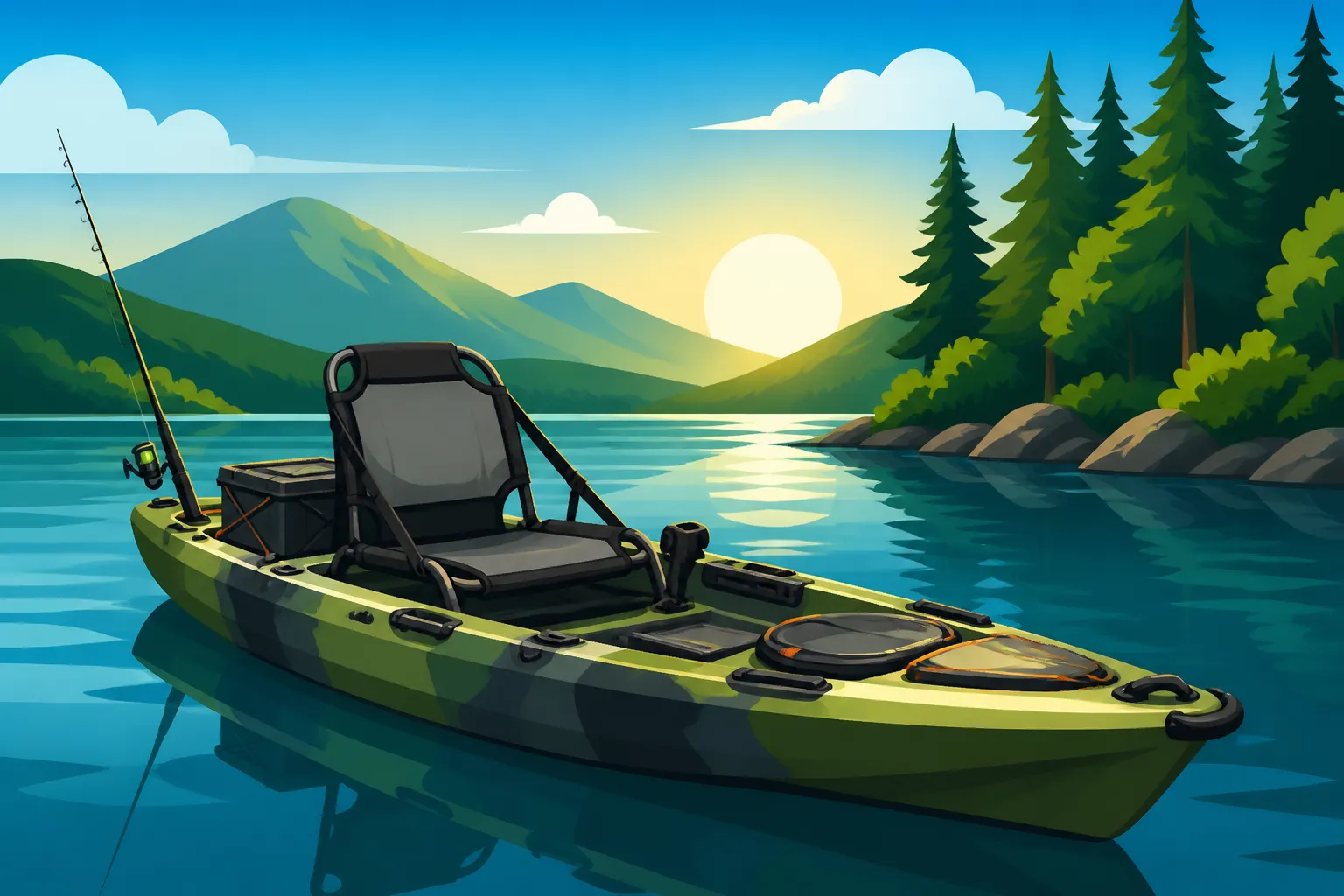
- Tankwell: This is the large open storage area usually at the stern (rear) of the kayak, often secured with bungee cords. It's perfect for a cooler, a tackle crate, or a dry bag. Make sure it's large enough for whatever you typically bring for a day on the water.
- Hatches: These are compartments with sealed lids, typically in the bow (front) or midship, offering dry storage for items you absolutely cannot get wet, like your phone, wallet, or extra clothing. Some kayaks feature a large center console hatch which is fantastic for quick access to lures or tools.
- Rod Holders: Most fishing kayaks come with flush-mount rod holders behind the seat for trolling or carrying spare rods. Many also have mounting points for adding adjustable, aftermarket rod holders, which are incredibly useful for different fishing techniques. If you're planning on Trolling Techniques for Vermont Lake Trout, having multiple accessible rod holders is essential.
- Gear Tracks: These versatile rails allow you to mount various accessories like fish finders, GPS units, camera mounts, or additional rod holders, and adjust their position easily. Brands like YakAttack offer a vast array of accessories that can be mounted to these tracks, truly customizing your fishing platform.
Comfort and Seating
You'll be spending hours in this thing, so comfort is non-negotiable. An uncomfortable seat can cut your fishing day short.
- Elevated Seating: Many modern fishing kayaks feature elevated, frame-style seats, similar to a lawn chair. These seats are a huge step up from molded-in kayak seats. They keep you higher off the deck, providing a better vantage point, making it easier to stand, and critically, keeping your backside dry. This improved airflow is a lifesaver on warm summer days.
- Adjustability: Look for seats that can be adjusted forward and backward to fine-tune your legroom and balance, and that offer adjustable back support. Spending a full day chasing Walleye Fishing on Lake Champlain can take a toll on your back, so good lumbar support is key.
Propulsion Systems: Paddle vs. Pedal vs. Motor
How you move your kayak across the water is a crucial decision, especially for lake fishing.
- Paddles: The traditional method. Paddle kayaks are generally lighter, more affordable, and simpler to maintain. They offer a great workout and are perfect for stealthy approaches to fish. However, they require you to put your rod down to move, which can be frustrating when you want to stay on a bite.
- Pedal Drives: These systems, like those from Hobie (MirageDrive) or Old Town (PDL Drive), allow you to propel the kayak using your legs, leaving your hands free for fishing. This is a massive advantage for covering water, fighting fish, and maintaining position in wind or current. They are more expensive and add weight and complexity, but for serious anglers, the hands-free operation is often worth the investment.
- Motorization: Some kayaks are designed to accept a small electric trolling motor, either in a dedicated transom mount or integrated into the pedal drive system. This provides ultimate hands-free propulsion and allows you to cover large distances with ease. Brands like Old Town offer integrated motor options, while others can be customized with aftermarket motors you might find at Bass Pro Shops or even a good deal on Amazon. Be aware of additional battery weight and charging needs, as well as Vermont Boating Laws for Anglers regarding motorized vessels.
Top Considerations When Choosing Your Kayak
Beyond the features, there are practical considerations that will heavily influence your choice and enjoyment of a sit-on-top fishing kayak for Vermont.
Size and Weight: Portability vs. Performance
This is a classic trade-off in the kayak world. Longer kayaks (12-14+ feet) generally track straighter, are faster, and can handle choppier water better, making them excellent for large lakes like Lake Champlain or Lake Memphremagog where you might want to cover miles. However, they are heavier and harder to transport and store. Shorter kayaks (10-12 feet) are lighter, more maneuverable, and easier to car-top or store in a garage. They are fantastic for smaller ponds, rivers, and for anglers who prioritize ease of transport.
Think about how you'll get your kayak to the water. Will you be car-topping it alone, or do you have help? Will you be launching from designated boat ramps or dragging it down a less-traveled path to a secluded pond? For many Vermont anglers, especially those living in rural areas without easy public boat ramps, a manageable weight and length are critical. You don't want your kayak to become a burden before you even get on the water.
Budget and Value
Kayaks range widely in price, from a few hundred dollars for basic models to several thousand for fully rigged pedal-drive fishing machines. Define your budget upfront and understand what features are truly essential for your fishing style. While it's tempting to go for the cheapest option, remember that comfort, stability, and durability contribute significantly to your long-term enjoyment. Sometimes, spending a little more upfront on a quality brand can save you headaches and upgrades down the road.
When you're comparing options, consider what's included versus what you'll need to buy separately. Some kayaks come as a "package deal" with a paddle and basic seat, while others are bare bones. Don't forget to factor in essential accessories like a quality paddle, a Best Life Jacket for Lake Kayak Fishing, an anchor, and perhaps a small cooler or dry bag. You might find excellent deals on these accessories by comparing prices on Amazon or checking out the seasonal sales at a big retailer like Bass Pro Shops.
Transport and Storage Solutions
Before you even buy the kayak, visualize how you'll get it from your home to the water and back.
- Vehicle Transport: Do you have a roof rack? Can your vehicle handle the length and weight? Trailer options are available for heavier kayaks or multiple kayaks, but that's another investment. For a single sit-on-top, a good roof rack system with proper tie-downs is usually sufficient. Consider a kayak cart (dolly) to easily move the kayak from your vehicle to the launch site, especially if it's a bit of a walk.
- Home Storage: Do you have space in a garage, shed, or even outside with a cover? Kayaks take up a surprising amount of room. Wall-mounted racks or freestanding cradles can help organize your space and keep your kayak safe from damage. Protecting your kayak from prolonged sun exposure and harsh winter weather is crucial for its longevity, so plan for proper storage when it's not on the water.
Essential Accessories for Vermont Kayak Fishing
Once you have your kayak, you'll need a few key items to make your fishing trips safe, comfortable, and productive.
- Paddle: Even with a pedal drive, a good paddle is essential for launching, tight maneuvers, or as a backup. Look for one that's lightweight and the correct length for your kayak's width and your height.
- Personal Flotation Device (PFD): This isn't just a recommendation; it's a legal requirement in Vermont. Get a comfortable, fishing-specific PFD with pockets and attachment points for tools. Life Jacket Requirements for Vermont Boaters are strict, so be sure you're compliant.
- Anchor System: Essential for holding position over a promising drop-off or in breezy conditions. A small grapple anchor with plenty of rope or an anchor trolley system (which allows you to move your anchor point from bow to stern) is invaluable. This is especially true when you find a productive spot on Lake Bomoseen or when fishing a specific structure on Lake Champlain.
- Dry Bag: For electronics, snacks, and extra layers.
- Cooler/Tackle Crate: A small cooler for drinks and snacks, and a tackle crate or box to keep your lures organized and accessible.
- Fish Finder: While not strictly essential for beginners, a portable fish finder can dramatically increase your success, especially on deeper lakes. Best Fish Finders for Vermont Lakes can really help you locate structure and fish.
Maintaining Your Sit-On-Top Kayak for Longevity
Investing in a sit-on-top kayak is a step towards countless enjoyable days on Vermont's waters. To ensure your investment lasts for years, a little regular maintenance goes a long way. This isn't just about keeping it looking nice; it's about preserving its structural integrity and functionality.
Routine Cleaning and Inspection
After every outing, especially if you've been in murky water or brackish conditions, give your kayak a good rinse with fresh water. This helps remove dirt, sand, and any aquatic invasives that might cling to the hull, preventing their spread to other bodies of water. A simple spray-down with a hose is usually sufficient. For tougher grime or algae, a mild soap and a soft brush can be used.
While cleaning, take a moment to inspect your kayak for any signs of wear and tear. Check for cracks, deep scratches, or dings in the hull. Look at the bungee cords for fraying, and test the functionality of any hatches or pedal drive components. If you notice any issues, addressing them early can prevent them from becoming bigger, more expensive problems down the line. This proactive approach ensures your kayak is always ready for your next adventure, whether it's Lake Champlain Fishing Guide or exploring a small, remote pond.
Proper Storage and UV Protection
One of the biggest enemies of kayak plastics is prolonged exposure to ultraviolet (UV) light from the sun. UV rays can degrade the plastic over time, making it brittle and prone to cracking. Always store your kayak out of direct sunlight if possible.
- Indoors: A garage, shed, or even a basement is ideal. If storing it outdoors, use a UV-resistant cover specifically designed for kayaks.
- Off the Ground: Store your kayak on its side or upside down, on sawhorses, specialized kayak cradles, or wall mounts. This prevents flat spots or deformation of the hull over time, especially in hot weather, and keeps it away from ground moisture.
- Loose Components: If your kayak has a pedal drive, remove it and store it separately, ideally in a protected area. Remove and store your seat, paddle, and any other detachable accessories to prevent theft and keep them in good condition.
By following these simple storage guidelines, you'll protect your kayak's material and maintain its performance for many seasons of Vermont fishing.
Addressing Minor Repairs and Upgrades
Even with the best care, kayaks can sometimes incur minor damage. Small scratches and scuffs are inevitable and usually not a cause for concern. Deeper gouges or punctures, however, might need attention. Many plastic kayaks can be repaired using specific plastic welding kits or patching materials. For more serious damage, consulting a professional repair service or the kayak manufacturer is always a good idea.
Think about potential upgrades too! Over time, your fishing style might evolve, or new accessories might become available that enhance your experience. Adding more gear tracks, upgrading your fish finder, or even installing better lighting for dawn or dusk fishing are all possibilities. Brands on Amazon or at Bass Pro Shops constantly release new accessories designed to improve the kayak fishing experience. Remember, your kayak is a platform that you can continually customize to suit your changing needs and make your time on Vermont's lakes even more enjoyable.
| Feature Type | Feature Detail | Why it matters for Vermont Lake Fishing | Considerations for Beginners | Considerations for Experienced Anglers |
|---|---|---|---|---|
| Stability | Hull Width | Wider = more stable, crucial for casting, standing, and handling boat wakes on larger lakes. | Prioritize width (32"+) for confidence and ease of movement. | May prefer slightly narrower for speed, but still value standing stability. |
| Hull Shape | Flat/pontoon designs offer excellent initial stability for calm lakes and standing. | Flat bottoms are very forgiving and feel secure. | Pontoon hulls allow for serious stand-up fishing and tackle management. | |
| Storage | Tankwell | Essential for coolers, tackle crates, dry bags – keeps gear accessible. | Ensure it fits a standard fishing crate or small cooler. | Look for larger tankwells to accommodate more gear or multi-day trips. |
| Hatches | Dry storage for valuables (phone, keys), extra layers, and safety equipment. | Simple, watertight hatches for essentials. | Ample, easily accessible hatches for quick lure changes, electronics. | |
| Comfort | Seat Type | Elevated, framed seats keep you dry and comfortable for long hours on the water. | A comfortable, adjustable seat is paramount to enjoy your time. | High-backed, breathable seats for maximum support during long sessions. |
| Propulsion | Pedal Drive | Hands-free fishing, great for covering distance, fighting fish, and holding position in wind. | Excellent for learning to manage a rod and reel without worrying about paddling. | Maximizes fishing time, ideal for trolling, precise positioning, covering water. |
| Motor-Ready | Provides powered propulsion for speed and efficiency, especially on large lakes. | Consider if you plan to upgrade to a motor for less effort and more range. | Essential for vast lakes, strong currents, or covering serious distance. | |
| Portability | Weight & Length | Affects ease of transport to launch, car-topping, and storage. | Lighter, shorter kayaks (10-12 ft) are easier to manage solo. | Willing to sacrifice some portability for speed, stability, and carrying capacity. |
Disclaimer
This article is for general informational purposes only and does not constitute professional advice. Laws, prices and regulations vary by location and change over time. Consult a qualified professional for guidance on your specific situation.