Best boat seat for all-day lake fishing
There's nothing quite like a long, glorious day out on one of Vermont's stunning lakes, rod in hand, waiting for that tell-tale tug. But let's be honest, those hours can really take a toll on your back and backside if you're stuck on an uncomfortable boat seat. A day that starts with excitement can quickly turn into a test of endurance, leaving you stiff and sore rather than rejuvenated. This guide is all about helping you reclaim your comfort, ensuring your fishing adventures are remembered for the big catches, not the nagging aches.
Why a Comfortable Boat Seat Matters for Vermont Anglers
When you picture a perfect day of fishing, you're probably not thinking about a throbbing lower back or numb legs. But the reality is, if your boat seat isn't up to snuff, those discomforts can quickly become the main event, overshadowing the beauty of Lake Champlain or the tranquility of a smaller pond. For us Vermont anglers, who appreciate every precious moment on the water, investing in a good seat isn't a luxury; it's a necessity.
The Toll of Long Hours on the Water
Imagine spending eight, ten, or even twelve hours on a boat, perhaps drifting for walleye on Lake Champlain or slowly trolling for landlocked salmon on Lake Willoughby Fishing Guide. Standard, thinly padded boat seats, often made with basic, rigid frames, offer minimal support. This lack of ergonomic design means your spine isn't properly aligned, your tailbone bears too much pressure, and your legs might be in an awkward position. Over time, this leads to a cascade of physical complaints: muscle stiffness, particularly in the lower back and shoulders, numbness in the glutes and thighs, and overall body fatigue. It can even lead to more chronic issues if ignored. We've all been there, standing up after a long stretch, feeling like we've aged ten years in a single afternoon. It takes away from the joy and can cut a promising fishing trip short.
Enhancing Focus and Endurance
When you're constantly shifting, fidgeting, or trying to stretch out a cramp, how much attention are you really paying to your rod tip, your sonar, or the subtle changes in the water? A truly comfortable boat seat allows you to settle in, relax your body, and maintain an elevated state of focus. If you're trying to master How to Catch Walleye on Lake Champlain, you know patience and observation are key. Comfort directly translates into increased endurance, meaning you can stay on the water longer, concentrating on your technique and the fish, rather than the nagging discomfort. This is especially true when battling the elements, whether it's the chop on a big lake or a chilly breeze that makes you want to hunker down even more effectively. More time focused, less time hurting – that's the dream, right?
Key Features to Look for in an All-Day Fishing Boat Seat
Choosing the right boat seat is a lot like choosing a good pair of hiking boots for the Long Trail – you need something that supports you, stands up to the elements, and ultimately makes your experience better, not worse. There are specific features that separate a passable seat from one that genuinely cradles you through hours of casting and reeling.
Ergonomics and Support
This is where the rubber meets the road for all-day comfort. A quality boat seat needs to mimic the natural curves of your body.
- Lumbar Support: This is absolutely critical. Look for seats that have built-in lumbar support, either through sculpted foam or an adjustable system. It helps maintain the natural inward curve of your lower back, preventing slouching and reducing strain on your spinal discs. After a few hours, your back will thank you.
- Padding Density and Material: Don't be fooled by a seat that looks plush at first glance. It's not just about how thick the padding is, but how dense it is. High-density foam retains its shape and support over time, preventing that "bottoming out" feeling. Cheaper foams compress quickly, offering little long-term relief. The material covering the foam also matters. Marine-grade vinyl is standard, but look for options with UV and mildew inhibitors. Some premium seats might even incorporate gel inserts for additional pressure relief.
- Contoured Design: A seat that's just a flat cushion and a straight backrest isn't doing you any favors. Look for seats with sculpted contours that cradle your body, supporting your thighs, hips, and shoulders. This distributes your weight more evenly, reducing pressure points that can lead to numbness.
- Breathable Materials: Even on cooler Vermont days, sitting for hours can get sweaty. Some seats incorporate breathable mesh panels or materials that wick away moisture, keeping you cooler and more comfortable, especially during the height of summer or on those unexpectedly warm early spring days.
Durability and Weather Resistance
Vermont weather can be unpredictable. From bright, scorching sun to sudden downpours, your boat seat needs to withstand it all. Longevity and performance depend heavily on the materials used.
- Marine-Grade Upholstery: This is non-negotiable. Look for heavy-duty, marine-grade vinyl that is explicitly labeled as UV-resistant, mildew-resistant, and water-repellent. The sun's UV rays are notorious for fading and cracking plastics and fabrics, shortening the life of your seat dramatically. Mildew resistance is crucial in damp boat environments, preventing nasty odors and unsightly growth.
- Robust Frame Construction: The internal frame of the seat dictates its strength and stability. Aluminum frames are fantastic because they are lightweight and highly resistant to corrosion, a big plus in a wet environment. Heavy-duty plastic frames can also be good, but ensure they feel solid and don't flex easily. Avoid flimsy materials that will quickly degrade.
- Quality Stitching: Often overlooked, the stitching can be a weak point. Double-stitching with UV-resistant thread will prevent seams from unraveling and pulling apart under stress and sun exposure. This small detail dramatically extends the life of the seat.
Adjustability and Versatility
A seat that can adapt to your body and your fishing style is a huge advantage. Not every angler is built the same, and not every fishing scenario requires the same posture.
- Swivel Functionality: For active fishing, a smooth, 360-degree swivel is paramount. It allows you to quickly turn to cast, net a fish, or simply observe your surroundings without having to contort your body. Make sure the swivel mechanism feels solid and doesn't have excessive play.
- Fore/Aft Slide: This feature allows you to slide the seat forward or backward on its pedestal. It's incredibly useful for accommodating different leg lengths, providing optimal comfort, and adjusting your distance from the steering wheel or console. It also helps when you need to quickly make space in the boat.
- Fold-Down vs. Fixed Back: Many fishing seats feature a fold-down backrest. This is excellent for space-saving, especially on smaller boats or when trailering, as it keeps the profile low. However, a fixed-back seat, typically found on helm or passenger seats, often provides more robust, continuous back support. Consider your boat's layout and your primary use.
- Recline Features: While less common on traditional fishing seats, some higher-end helm seats offer a recline function. This can be a game-changer for those moments when you just want to kick back and relax while waiting for the bite, or if you're taking a break on a long run across Lake Champlain Fishing Guide.
Types of Boat Seats for All-Day Comfort
Just like different boats are suited for different waters, various seat types cater to different fishing styles and comfort needs. Understanding the distinctions will help you pick the perfect match for your Vermont fishing adventures.
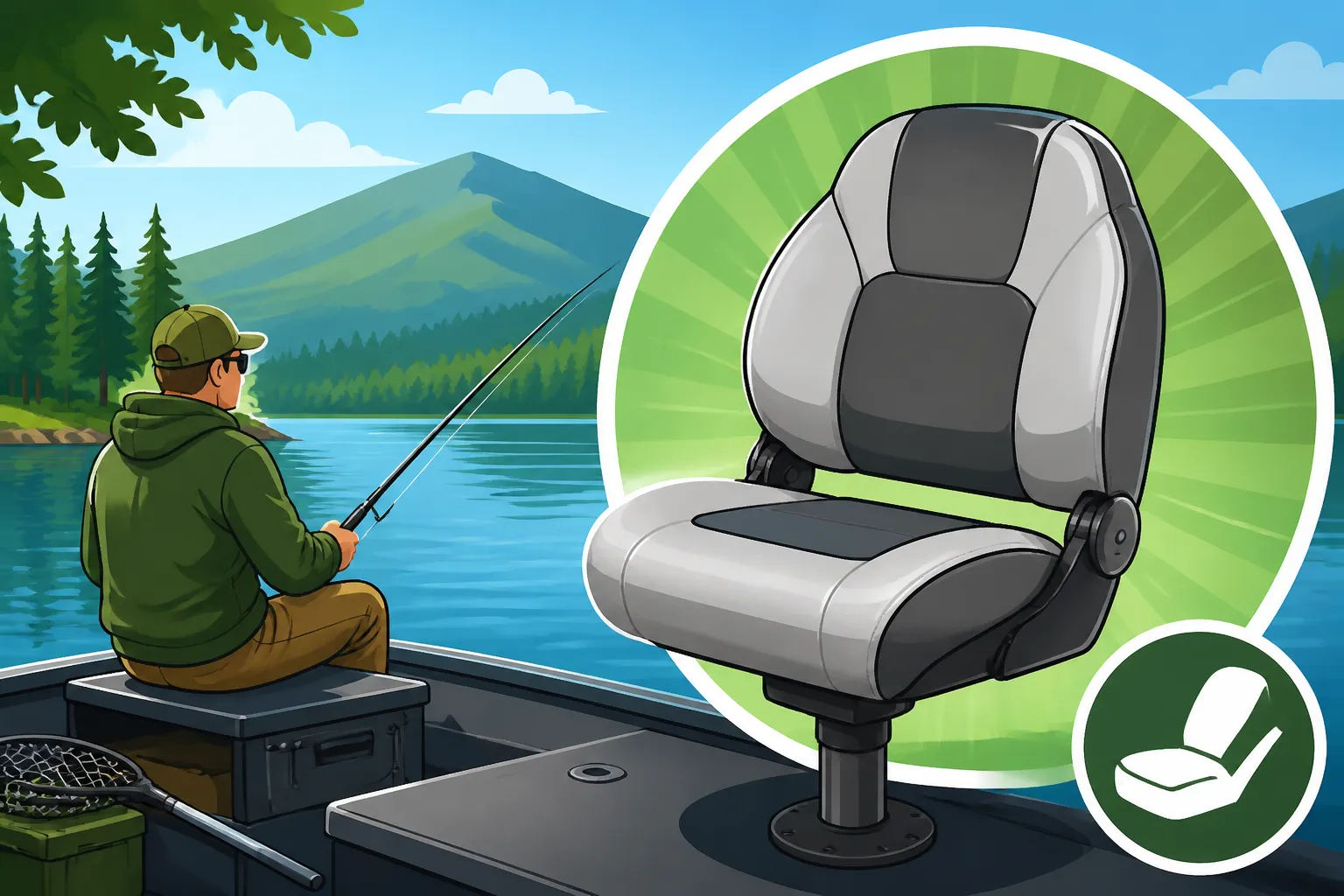
Pedestal Seats
These are perhaps the most iconic fishing boat seats, especially prevalent on bass boats and center consoles. They consist of a seat mounted on a pedestal, which elevates the angler.
- Pros: Pedestal seats offer an excellent elevated vantage point, which is crucial for sight fishing or observing structure. The height allows for easier standing and sitting, reducing strain on the knees and back during transitions. Most come with a robust swivel, perfect for rapidly changing casting angles. For active anglers who are constantly casting and moving, these provide the necessary freedom of movement. Many are designed with ergonomics in mind, offering good lumbar and thigh support.
- Cons: While generally stable, in very rough water, a high pedestal can feel less secure than a lower-mounted seat. They are also often individual seats, meaning they don't offer the communal seating space of a bench.
- Ideal for: Anglers who spend a lot of time casting, jigging, or actively working lures. They are fantastic for bass fishing, pike fishing, or any scenario where you need to be constantly engaged and have a wide range of motion. If you're tackling How to Catch Smallmouth Bass in Vermont Lakes, a good pedestal seat will be your best friend.
Bench Seats with Backrests
Often found in utility boats, runabouts, or the stern of larger vessels, bench seats provide continuous seating for multiple people. While perhaps not always optimized for hardcore fishing, they have their place for certain styles.
- Pros: The main advantage is capacity – you can usually fit two or three people comfortably. Many come with integrated storage underneath, which is a huge bonus for keeping gear organized. They offer a good, stable platform for cruising or for more passive fishing techniques like still fishing or slow trolling where constant movement isn't required.
- Cons: Bench seats typically lack the individual ergonomic support of a dedicated fishing seat. The backrests might be lower or less sculpted, leading to less lumbar support. They also often don't swivel, limiting your range of motion for casting.
- Ideal for: Family fishing trips where comfort for multiple passengers is important, or for anglers who prefer a more relaxed approach, perhaps bottom fishing for perch or crappie. If you’re taking youngsters out for their first time, a stable bench seat might be exactly what you need.
Helm and Passenger Swivel Seats
These seats are often found at the console of larger fishing boats, cruisers, or pontoon boats. They are designed for extended periods of sitting, much like a car seat.
- Pros: Helm and passenger seats are typically more robustly built, with thicker, higher-density padding and often a more pronounced ergonomic design, including excellent back and thigh support. They are engineered for comfort during long runs and hours at the helm, which translates well to all-day fishing. They almost always include a swivel, and many offer a slide function for adjustability.
- Cons: These seats can be bulkier and heavier than basic pedestal seats, potentially taking up more deck space. They also tend to be on the higher end price-wise due to their construction and features.
- Ideal for: Boat captains, co-anglers who spend significant time navigating, or anyone looking for maximum comfort and support, especially on larger bodies of water where long travel times are common. If you're spending all day trolling for Lake Trout Fishing in Vermont, this type of seat can make a huge difference.
Fishing-Specific Seats (e.g., Leaning Posts, Bike Seats)
Beyond the general categories, there are specialized seats tailored for particular fishing techniques.
- Leaning Posts: More common on center console boats, these aren't seats in the traditional sense but padded posts you can lean against. They allow you to stand comfortably for long periods, reducing fatigue from constant standing while still offering support. Some have flip-up bolsters that transform them into a kind of saddle seat.
- Ideal for: Anglers who prefer to stand and move around, casting frequently, or battling large fish that require quick repositioning.
- Bike Seats/Butt Seats: These minimalist, highly portable seats are often used on the bow or stern casting decks of bass boats. They offer a small, bicycle-style seat to lean or sit on, providing just enough support to take the edge off constant standing.
- Ideal for: Tournament bass anglers or those who need extreme mobility and a slight rest while staying primarily on their feet. They pair well with a high-low pedestal base for versatility. These are less about "all-day sitting comfort" and more about "all-day standing relief."
When considering any of these, remember to think about the primary type of fishing you do in Vermont. Do you mostly still fish in a quiet cove, or are you aggressively casting for smallmouth on a windy day? Your fishing style will guide your best seat choice. You might find a good selection of these seat types by browsing marine supply stores online or checking out big outdoor retailers like Bass Pro Shops or even Amazon, where you can compare features and customer reviews.
| Seat Type | Primary Use | Pros | Cons | Ideal Vermont Fishing Scenario |
|---|---|---|---|---|
| Pedestal Seat | Active casting, jigging, elevated view | Excellent mobility (swivel), good support, elevated view | Can feel less stable in rough water, individual seating only | Bass fishing on Lake Champlain, trout fishing on larger rivers |
| Bench Seat w/ Backrest | Passenger seating, passive fishing | Accommodates multiple people, often includes storage, stable for cruising | Less individual ergonomic support, limited mobility for casting | Family outings, still fishing for panfish, calm lake cruising |
| Helm/Passenger Swivel | Console driving, long sitting periods | Superior comfort, robust padding, often adjustable, excellent support | Bulkier, heavier, typically higher cost | Long trolling runs for lake trout, extended time at the controls |
| Leaning Post/Bike Seat | Standing support, active deck work | Reduces fatigue from standing, high mobility, minimalist | Not designed for prolonged sitting, less overall body support | Tournament bass fishing, sight fishing on shallow flats |
Installation and Maintenance for Longevity
Even the best boat seat won't deliver its full potential if it's not installed correctly or if it's neglected. Proper setup and regular care are essential, especially given Vermont's varied climate, which can take a toll on marine equipment.
Proper Mounting and Hardware
Safety and stability begin with a secure installation. This isn't just about comfort; it's about staying safely in your seat, especially when encountering choppy water or making quick maneuvers.
- Secure Attachment: Always use marine-grade stainless steel fasteners – bolts, washers, and nuts – for mounting your seat. Standard hardware can rust and weaken, leading to dangerous failures. Ensure the bolts are long enough to pass through the deck and be properly secured with lock nuts.
- Reinforcement: Before drilling, check what's beneath your deck. If you're mounting to thin fiberglass or wood, consider adding a backing plate underneath the deck to distribute the load. This prevents the bolts from pulling through the deck material under stress, especially important for heavier seats or those on pedestals.
- Compatibility: Seat bases, pedestals, and slides are often sold separately or in modular kits. Ensure all components are compatible and rated for your boat and the type of seat you're installing. Different pedestals have different diameters, and mounting hole patterns on seats can vary. Always double-check specifications, and don't hesitate to consult your boat's manual or a marine professional if you're unsure. Taking the time to do this right means a solid, safe seating experience for years to come. Many fishing enthusiasts turn to resources like Bass Pro Shops for a wide selection of mounting hardware.
Cleaning and Storage Tips
Maintaining your boat seat extends its life and keeps it looking good. Vermont's four seasons mean your boat, and its seats, will experience everything from intense summer sun to freezing winter temperatures.
- Regular Cleaning: After each trip, especially on a saltwater lake like Champlain (which is technically fresh, but you get the idea – big water, lots of use!), a quick wipe-down can prevent dirt, fish slime, and sunscreen residue from setting in. Use a mild soap and water solution with a soft cloth or brush. Avoid harsh chemical cleaners, as these can degrade marine vinyl and stitching over time. For tougher stains, look for specialized marine vinyl cleaners.
- UV Protection: Despite being UV-resistant, marine vinyl benefits greatly from an application of a marine-grade UV protectant periodically. Think of it like sunscreen for your boat seat. This helps to further prevent fading, cracking, and hardening of the material due to prolonged sun exposure, keeping it supple and looking new.
- Covering Seats: When your boat isn't in use, especially if it's stored outdoors, covering the seats is a simple yet effective way to protect them. A boat cover or individual seat covers shield them from UV rays, rain, bird droppings, and general environmental grime. This is particularly important during the long, sunny days of a Vermont summer.
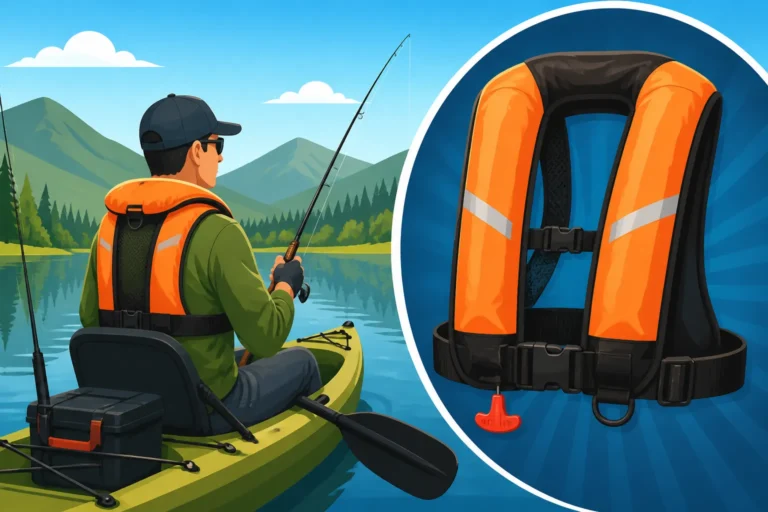
- Winter Storage: During the harsh Vermont winter, consider removing your boat seats and storing them in a climate-controlled environment, if possible. This protects them from extreme cold, snow, ice, and potential rodent damage. If removal isn't feasible, ensure they are thoroughly cleaned, dry, treated with UV protectant, and covered securely. Proper winterization extends the life of all your boat's components, including your valuable seats. These practices are crucial for everything from Best Boats for Vermont Lakes and Rivers to your smallest fishing kayak seats. Don't forget to check Vermont Boating Laws for Anglers and Life Jacket Requirements for Vermont Boaters before you head out. And if you're ever looking for new gear, Amazon can be a great place to find cleaning supplies or covers.
Disclaimer
This article is for general informational purposes only and does not constitute professional advice. Laws, prices and regulations vary by location and change over time. Consult a qualified professional for guidance on your specific situation.