Special Regulation Waters in Vermont
It’s happened to all of us: you find that perfect-looking stretch of river or a quiet cove on a lake, cast out with your favorite bait, and then someone politely (or not-so-politely) informs you that you’re breaking a rule you never even knew existed. Vermont fishing, while generally straightforward, has its share of unique twists. This guide will meticulously unravel the complexities of special regulation waters across the Green Mountain State, ensuring you're always on the right side of the rules and making the most of your angling adventures.
Understanding Vermont's Special Regulation Waters
Vermont's diverse aquatic ecosystems, from the vast expanse of Lake Champlain to the intimate mountain streams, are teeming with various fish species. To manage these fisheries responsibly and protect specific populations, the Vermont Fish and Wildlife Department often implements regulations that go beyond the general statewide rules. These special regulations aren't there to confuse you; they're vital tools for conservation and for enhancing specific fishing experiences, like creating trophy trout opportunities or safeguarding native brook trout populations.
Why Certain Waters Have Unique Rules
The reasons behind special regulations are as varied as the waters themselves. Often, it's about protecting vulnerable species or ensuring a sustainable population in particularly sensitive habitats. For instance, a small, high-elevation stream might be home to a fragile wild brook trout population that struggles with catch-and-release mortality if conventional bait is used. In such cases, a "fly fishing only" rule with barbless hooks dramatically increases the chances of fish survival. Other times, it's about managing for quality over quantity, like in designated "trophy trout waters" where anglers are encouraged to release larger fish to maintain a population of impressive size. The goal is always to balance angler access with the long-term health of the fishery.
Another common scenario involves managing specific game species during crucial life stages. Take bass, for example. While there's a general bass season, some waters might have an extended catch-and-release period before the regular season opens to protect spawning fish, allowing them to reproduce successfully without angler pressure. These nuanced rules are based on scientific data about fish biology, habitat health, and population dynamics, all aimed at ensuring that future generations can enjoy the same incredible fishing Vermont offers. Understanding the 'why' behind these rules makes them much easier to respect and follow.
How to Identify a Special Regulation Water
The crucial first step to avoiding an unintentional violation is knowing how to identify if you're fishing a special regulation water. The most reliable and up-to-date source for this information is always the official Vermont Fish and Wildlife Department's fishing guide, which is usually published annually. You can pick up a physical copy at most license vendors, or you can find it digitally on their website. It includes maps, lists of waters, and detailed explanations of the regulations. It's truly your bible for understanding Vermont Fishing Regulations Explained.
Beyond the printed guide, many popular access points for special regulation waters will have signage clearly stating the rules. However, you should never rely solely on posted signs, as they can be vandalized, outdated, or simply not present in more remote areas. Before heading out, make it a habit to check the digital guide, especially if you're exploring a new area or haven't fished a particular spot in a while. A quick check can save you a lot of headache, and potentially a fine. Think of it as essential pre-trip planning, just like checking the weather or ensuring you have all your tackle.
Navigating Common Special Regulations
Special regulations can manifest in a few key ways, often focusing on what you can keep, what you can use, or how you can fish. Familiarizing yourself with these common categories will equip you to interpret the rules for almost any special water you encounter. It's not about memorizing every single regulation for every single pond, but rather understanding the types of restrictions you might face.
Catch and Release Only Waters
Catch and release only waters are exactly what they sound like: you must immediately release any fish you catch, unharmed. This regulation is often implemented on waters managed for trophy-sized fish, where the goal is to allow fish to grow to their maximum potential and provide challenging angling experiences, or in areas where a species might be recovering from population decline. It's a fundamental conservation practice that helps maintain healthy populations of larger, more resilient fish. For instance, some of Vermont's wild trout streams are designated as catch and release to protect genetic strains and ensure natural reproduction.
When fishing catch and release waters, your gear choices become even more critical to ensure the fish's survival. Using barbless hooks or pinching down the barbs on your hooks is highly recommended, as it minimizes tissue damage and makes hook removal much quicker. Many anglers also opt for soft-mouthed nets made of rubber or knotless mesh, which are gentler on fish scales and slime coats compared to traditional nylon nets. If you plan on doing a lot of catch and release, investing in a good quality rubber net on Amazon can make a huge difference in fish survival rates. Always handle fish minimally, keep them in the water as much as possible, and revive them gently before letting them go. For specific species, you might find regulations like Vermont Bass Catch-and-Release Season, Explained, which highlight the importance of these practices.
Fly Fishing Only Areas
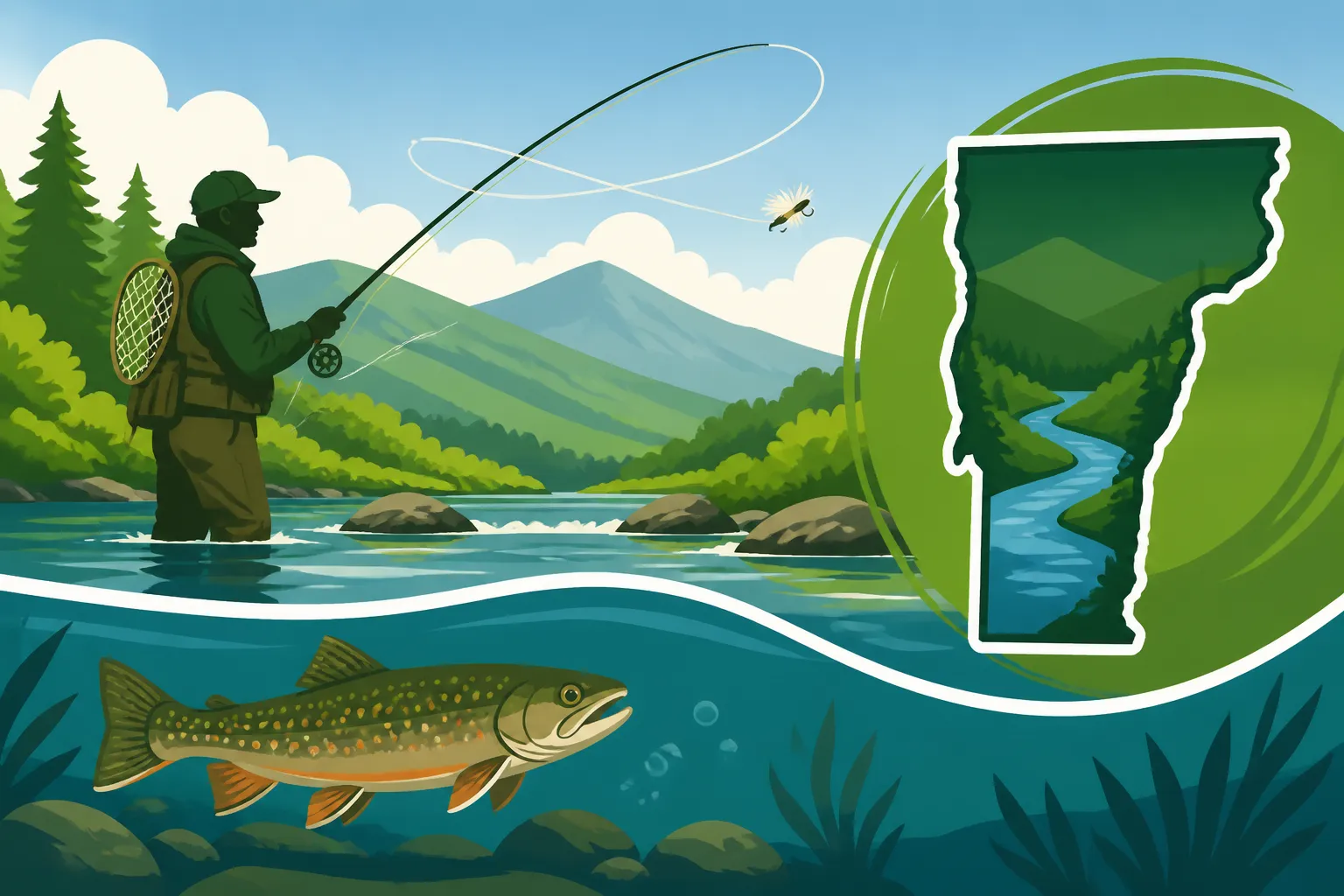
The "fly fishing only" designation is common, particularly on many of Vermont's pristine trout streams and rivers. This rule means that only artificial flies cast with a fly rod and fly line are permitted. Spin-fishing gear, bait, and lures are strictly prohibited. This regulation often goes hand-in-hand with catch and release rules, as fly fishing, when done correctly with barbless hooks, generally has a lower mortality rate for released fish compared to bait fishing, which can lead to deeper hooking. It also helps to preserve the aesthetic and challenge of the sport in these specific locations.
These areas are a dream for dedicated fly anglers, offering a purist experience. The Battenkill River, for instance, has sections that are fly fishing only, drawing enthusiasts from all over. The flies themselves must be artificial, meaning no additional weight or attractants are allowed, other than what's inherent to the fly pattern. If you're new to fly fishing, this is a great reason to learn! There are many excellent starter kits available online that include a rod, reel, line, and a selection of basic flies, making it easier to get into this rewarding style of fishing. For more detailed insights, you can explore resources like Fly Fishing for Trout in Vermont or Vermont Catch and Release Fly Fishing Only Waters.
Specific Gear and Bait Restrictions
Beyond catch and release or fly fishing only, special regulations can also dictate very specific gear and bait restrictions. These can include limitations on the number of hooks, the type of bait, or even the material of your fishing line. For example, some waters might prohibit the use of live bait, such as minnows or worms, to prevent the introduction of invasive species or diseases that could harm the native fish population. Other areas might permit artificial lures but prohibit any organic bait.
It’s not uncommon to find rules like "artificial lures only, no organic bait" or "single hook artificial lures only." These detailed restrictions are often found in waters where certain species are particularly sensitive or where the management goal is very precise. Imagine a stream where the trout are heavily pressured and prone to swallowing bait deeply; a single, barbless artificial lure dramatically reduces harm. Always check the specific regulations for the water you intend to fish, paying close attention to the "methods" or "gear" sections in the guide. What might be perfectly legal on one side of a bridge could be strictly prohibited on the other. It’s a level of detail that requires your attention, but it’s worth it for the health of Vermont’s fisheries.
Notable Special Regulation Waters in Vermont
Vermont is home to several iconic fishing destinations, and many of these have specific rules that make them unique. Knowing about these particular waters can help you plan your trips and ensure you're prepared for the angling experience they offer. These aren't just arbitrary rules; they're designed to maintain the quality and character of these renowned fishing spots.
Trophy Trout Waters and Their Rules
Vermont's Vermont Trophy Trout Program Waters are designated spots where the management goal is to produce larger, more challenging trout for anglers. These waters are often stocked with robust strains of trout and typically come with specific regulations designed to help these fish grow. Common rules include reduced creel limits (meaning you can keep fewer fish than in general waters), increased minimum length limits, and sometimes even a slot limit, where fish within a certain size range must be released. For example, you might be allowed to keep one trout over 18 inches, but everything between 12 and 18 inches must be released.
The idea behind these rules is to allow a significant portion of the fish population to reach larger sizes, increasing the chance of an angler hooking into a truly memorable trout. Good examples include sections of the Otter Creek or certain designated ponds like Kent Pond or Silver Lake. Anglers targeting these waters often employ specific tactics and gear, perhaps opting for heavier lines and larger lures or flies to attract the bigger fish. Remember, these waters are popular, so practicing good etiquette and handling fish with care is even more important to ensure the "trophy" experience remains for everyone. You'll definitely want to know the Vermont Trout Limit and Possession Rules for these special areas.
Battenkill River: A Prime Example
The Battenkill River, flowing through southwestern Vermont, is arguably one of the most famous trout streams in the Eastern United States, particularly for its wild brown and brook trout. Its reputation for challenging, yet incredibly rewarding, fly fishing has led to it being almost entirely managed under special regulations. Sections of the Battenkill are strictly "fly fishing only" and "catch and release only" for trout. These rules are in place to protect its genetically unique wild trout population and to maintain the river's status as a premier fly fishing destination.
Anglers coming to the Battenkill need to be fully aware of these specific rules. Using a spinning rod with worms, for instance, would be a definite violation in many areas. The river's character, with its often clear, wary fish, perfectly complements these regulations, encouraging a more skillful and deliberate approach to angling. For those seeking the ultimate test of their fly fishing prowess, the Battenkill is a bucket-list destination. It's a place where precision casting and matching the hatch are key to success, and where the thrill of the catch is far more important than the creel. For more specific details, checking out Battenkill River Trout Fishing is a must.
Lake Champlain's Unique Bass and Walleye Rules
While vast, Lake Champlain also has its share of specific regulations, especially concerning popular species like bass and walleye. Given its sheer size and importance as a fishery, the lake's rules are often complex, sometimes even involving reciprocity agreements with New York State for shared waters. For example, during the spring, while some general waters might be open for bass, Lake Champlain often has an extended catch-and-release only period for bass, specifically to protect spawning largemouth and smallmouth bass. This allows the fish to complete their reproductive cycle, ensuring a healthy population for the main season.
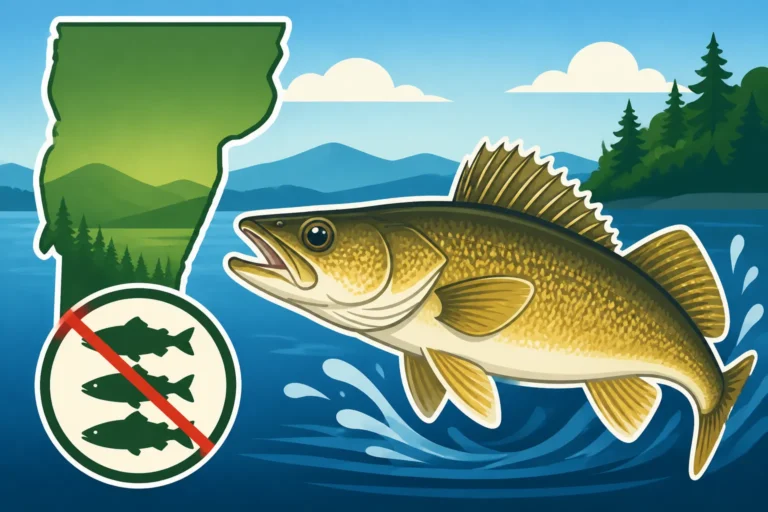
Walleye on Lake Champlain are another species with careful management. While there's a general daily limit, the department might implement a "slot limit" for walleye, meaning fish within a certain size range must be immediately released. This is a common strategy to protect breeder fish and improve the overall size structure of the population. Keeping a close eye on the Vermont Lake Champlain Fishing Rules and the annual guide is paramount when fishing this incredible lake. It's easy to get excited and just head out, but a quick review of the regulations will save you from potential disappointment or worse.
Impact of Special Regulations on Anglers and Conservation
Special regulations are not just bureaucratic hurdles; they are powerful tools with tangible impacts on both the health of our fisheries and the quality of our fishing experiences. It's a delicate balance of protecting natural resources while providing recreational opportunities. When these regulations are well-designed and followed, everyone benefits.
Benefits for Fishery Health and Trophy Opportunities
The most direct benefit of special regulations is the positive impact on fishery health. By implementing catch-and-release rules, for example, fish populations can thrive, with more mature fish contributing to reproduction. This resilience leads to healthier ecosystems, as strong fish populations are a good indicator of overall water quality and habitat integrity. For species like native brook trout, which can be particularly sensitive to environmental changes and angling pressure, these rules are crucial for their survival.
Furthermore, special regulations are often specifically designed to create "trophy" opportunities. By protecting larger fish through length limits or slot limits, these waters can develop a reputation for producing truly impressive catches. Imagine casting into a stream known for its 20-inch brown trout, or a lake where walleye regularly exceed the 25-inch mark. This level of management means that anglers who seek out these challenges are more likely to be rewarded with the kind of fish stories that last a lifetime. It also fosters a strong conservation ethic among anglers, encouraging responsible practices that benefit everyone. These regulations play a critical role in developing the vibrant fisheries we enjoy today.
Challenges and Adaptations for Anglers
While the benefits are clear, special regulations do present challenges for anglers. The primary one is the need for constant awareness and diligence. You can't just assume the rules are the same everywhere; ignorance of the law is not an excuse. This requires proactive planning: consulting the guide, checking online resources, and sometimes even calling the Vermont Fish and Wildlife Department directly if you have specific questions. It's an extra step, but an essential one to avoid fines or accidentally harming a fishery.
Anglers also need to adapt their gear and techniques. If you're used to bait fishing, transitioning to fly fishing only waters means a new skill set and new equipment. For example, you might need to invest in a fly rod, reel, and various fly patterns, which can be a significant upfront cost. Many experienced bait anglers, when faced with a "no live bait" rule, have found success adapting to artificial lures that mimic natural prey, available widely in sporting goods stores or on Amazon. The upside is that these challenges often lead to new skills, a deeper understanding of fish behavior, and a more profound appreciation for the sport. It pushes us to become better, more versatile anglers, which is a reward in itself.
Staying Informed and Compliant
The cornerstone of responsible angling in Vermont, especially on special regulation waters, is staying informed. With regulations potentially changing year to year, or even within different sections of the same waterbody, it's not a "set it and forget it" situation. Taking the time to understand the rules protects both you and the fish.
Essential Resources for Checking Regulations
As mentioned, your number one resource is the official Vermont Fish and Wildlife Department Fishing Guide. This comprehensive document details all general regulations, as well as every special regulation water. It's published annually, typically in the spring, and is available for free. You can find digital versions on the Vermont Fish & Wildlife Department website, which you can easily download to your phone or tablet for quick reference on the water. Many anglers keep a copy in their tackle box or boat for easy access. Remember to look for the most current year's guide, as rules can and do change.
Beyond the guide itself, the Department's website is a treasure trove of information. They often have interactive maps or search tools that can highlight specific regulations for a given lake or stream. Local bait shops and sporting goods stores, especially those specializing in fly fishing, are also excellent resources. Their staff are usually passionate anglers themselves and are often very knowledgeable about local special regulations. Don't hesitate to ask questions; it's always better to clarify before you cast.
Here's a quick summary of essential resources:
| Resource Type | Description | Best Use Case |
|---|---|---|
| VT F&W Fishing Guide | Official annual publication with all general & special regulations. | Comprehensive planning, detailed rule lookup. |
| VT F&W Website | Digital guide, interactive maps, news, and updates. | On-the-go reference, checking for recent changes. |
| Local Bait & Tackle Shops | Community hubs with local knowledge and current conditions. | Getting specific local advice, buying licenses. |
| Signage at Access Points | Posted signs at boat ramps, trailheads, or popular fishing spots. | Quick confirmation, but not always comprehensive. |
For example, if you're planning a trip to the Connecticut River, you'll want to check for any special reciprocity rules with New Hampshire, and the guide will be your best bet for clarity. Similarly, if you're exploring Vermont Trout Season and Stocking Rules, the official resources will provide the most accurate dates and locations.
Consequences of Non-Compliance
Fishing without adhering to special regulations can lead to more than just a stern talking-to. The Vermont Fish and Wildlife Department takes its conservation mission seriously, and violations can result in significant penalties. These can range from monetary fines, which can quickly add up, to the forfeiture of your fishing equipment, and even the suspension of your fishing license. Repeat offenses, or serious violations like poaching, can carry even harsher legal consequences.
Beyond the legal ramifications, there's the ethical consideration. By ignoring special regulations, you're directly undermining the conservation efforts designed to protect the very fisheries you enjoy. This can harm fish populations, deplete trophy opportunities, and impact the quality of fishing for everyone else. Imagine if everyone disregarded the "fly fishing only" rule on a sensitive wild trout stream – the population would quickly dwindle. Responsible angling means understanding and respecting the rules, not just to avoid a ticket, but to be a good steward of Vermont's incredible natural resources. Being caught Fishing Without a License in Vermont: Penalties is one thing, but violating specific water rules can be just as costly and damaging.
Disclaimer
Please remember that fishing regulations are subject to change. While this guide provides a comprehensive overview of special regulation waters in Vermont, it is crucial to consult the most current official Vermont Fish and Wildlife Department fishing guide before each outing. This content is for informational purposes only and should not be considered a substitute for the official regulations.