Vermont annual fishing license expiration date
It's incredibly frustrating when you're all geared up for a peaceful day on the water in Vermont, only to realize your fishing license might be expired. So many anglers get caught off guard, assuming their annual license lasts exactly a year from the purchase date, which isn't always the case. This comprehensive guide is here to clear up all the confusion surrounding the Vermont annual fishing license expiration date, helping you stay compliant and on the water without a hitch.
Understanding the Vermont Annual Fishing License Expiration Cycle
Navigating fishing regulations can sometimes feel like trying to untangle a particularly stubborn bird's nest of fishing line. The rules aren't always intuitive, and expiration dates are a prime example of where folks often trip up. Unlike some subscriptions or memberships that run for 365 days from the moment you sign up, Vermont's annual fishing licenses operate on a set calendar.
The Standard Annual Term
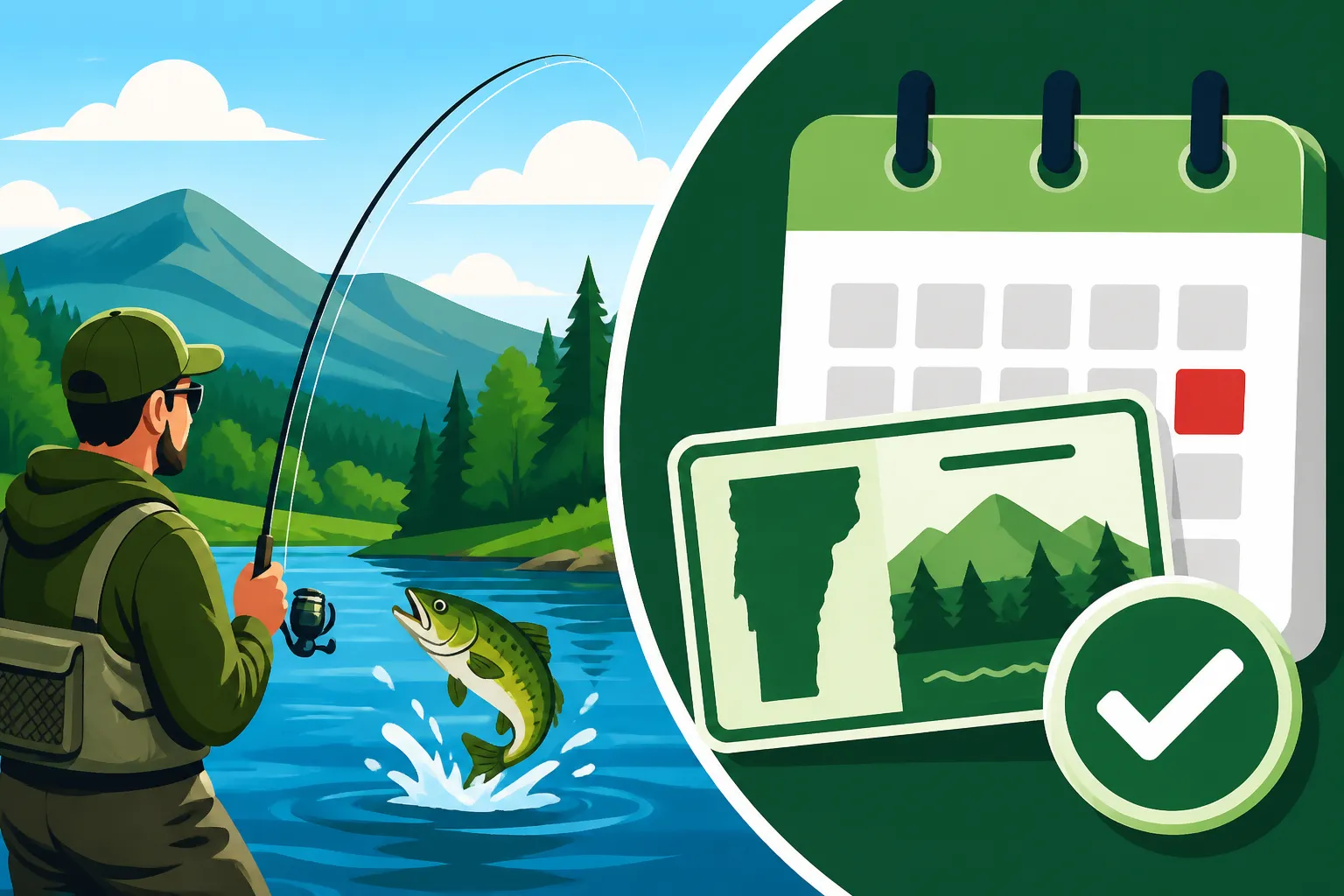
For most of us who grab an annual fishing license in Vermont, it's pretty straightforward once you know the rule: your annual fishing license is valid from January 1st through December 31st of the calendar year for which it was purchased. This means if you bought your license in April of 2024, it wouldn't be valid until April of 2025; it would expire on December 31st, 2024. Likewise, if you were super organized and bought your 2025 license the day it became available in December 2024, it still wouldn't technically become active until January 1st, 2025, and would then run through December 31st, 2025.
This calendar year alignment is a common practice across many states for hunting and fishing licenses. It simplifies administration for the Vermont Fish and Wildlife Department and helps anglers understand when a new license year begins. Imagine the chaos if everyone's license expired on a different day of the year; wardens would have a nightmare tracking validity! So, while it might feel a little odd to buy a license in, say, November, only for it to expire a month later, that's just how the system works. It's designed for a clean break and a fresh start at the top of each year. Understanding this fundamental rule is the first step in staying legal on Vermont's beautiful waters, whether you're targeting trout in a mountain stream or bass on Lake Champlain. For a deeper dive into the overall regulations, you might want to check out the Vermont Fishing Regulations Explained.
Exceptions and Special Cases
While the January 1st to December 31st rule applies to the standard annual license, Vermont offers a few other options that have their own unique expiration schedules. These are crucial to understand, especially if you're a nonresident or just visiting for a short trip.
First up are the short-term licenses. Vermont provides options like a 1-day, 3-day, and 7-day nonresident fishing license. These are specifically designed for visitors who don't need a full year of fishing access. As their names suggest, these licenses are valid for the specific number of consecutive days indicated, starting from the "effective date" you choose at the time of purchase. For example, if you buy a 3-day nonresident license and select July 15th as your start date, it will be valid on July 15th, 16th, and 17th, expiring at the end of the day on July 17th. There’s no need to worry about the calendar year here; it's all about that specific window you've selected. If you're planning a quick getaway, learning more about the Vermont 1-Day Nonresident Fishing License Cost and other short-term options can save you money and hassle.
Then there are lifetime licenses. These are a fantastic option for dedicated Vermont residents who plan to fish for decades to come. As the name implies, a lifetime license does not expire annually. Once purchased, it's valid for the remainder of your life, provided you continue to meet residency requirements. While the initial investment is higher, it eliminates the need for annual renewals, offering peace of mind and long-term savings. You literally buy it once and you're good to go forever.
Lastly, Vermont also offers combination hunting and fishing licenses. These typically follow the same calendar year cycle as the annual fishing license, meaning they also expire on December 31st. So, if you're someone who enjoys both angling and hunting, you can expect your combined permit to align with the standard annual fishing license term. Always double-check the specific dates on your purchased license, regardless of the type, just to be absolutely certain. The Vermont Fish & Wildlife Department website is always the most accurate source for current details on all license types.
Why Knowing Your Expiration Date Matters More Than You Think
It’s easy to let things slip our minds, especially when life gets busy. But when it comes to your fishing license in Vermont, overlooking that expiration date can turn a relaxing day of angling into a serious headache. It's not just about avoiding a minor inconvenience; it's about staying on the right side of the law and ensuring you can continue to enjoy Vermont's incredible fishing opportunities without interruption.
Avoiding Penalties and Legal Trouble
Imagine this: you've spent weeks planning a fishing trip to your favorite spot on Lake Willoughby, maybe even invested in some new gear. You're out on the water, the sun is shining, and the fish are biting. Suddenly, a Vermont Fish and Wildlife Warden approaches for a routine license check. You confidently pull out your wallet, only to find that your annual license expired on December 31st of last year. It’s a gut-wrenching feeling, and trust me, it happens to good, well-intentioned people all the time.
Fishing without a valid license in Vermont isn't just a minor oversight; it's a violation of state law. The penalties can range from fines to, in more serious or repeat offenses, even loss of fishing privileges. These fines can be substantial, easily outweighing the cost of an annual license. Beyond the monetary cost, there’s the embarrassment, the wasted trip, and the potential for a black mark on your record. Wardens are out there to protect the resource and ensure fair play, and they take their job seriously. They often conduct checks on popular waters, access points, and during peak seasons, so the chances of being checked are higher than you might think. This is why understanding your Vermont Fishing License Guide for 2026 and its specific expiration dates is paramount. Nobody wants a story about their fishing trip to end with a ticket, especially when it's so easily avoidable by simply renewing on time. For a full breakdown of the potential repercussions, it's wise to read up on Fishing Without a License in Vermont: Penalties.
Seamless Season Transitions and Planning Ahead
Beyond avoiding penalties, keeping tabs on your license expiration date allows for smooth transitions between fishing seasons and enables better planning for your angling adventures. Vermont offers fantastic fishing year-round, from the excitement of Vermont Trout Opening Day Traditions in the spring to ice fishing in the dead of winter. If your license expires at the end of December, and you plan on being out for early season trout in April, you must have a new license in hand.
Thinking ahead means you won't miss out on those crucial first days of a new season because you're scrambling to renew your license. It also prevents those frustrating moments when you suddenly decide to head out, only to remember your license isn't valid. By renewing in late December or early January, you ensure continuous coverage. This forward-thinking approach also ties into planning for specific species seasons. For instance, knowing you're covered means you can focus on reading up on Vermont Fishing Season Dates and Closures rather than worrying about paperwork. It’s about being prepared, ensuring that when the urge to cast a line strikes, or when that perfect weather window opens up, you're ready to go without any legal hurdles. It makes your fishing experience genuinely seamless and stress-free.
Practical Tips for Managing Your Vermont Fishing License
Let's face it, remembering every single expiration date can feel like a full-time job. Between work, family, and other commitments, it's easy for something like a fishing license renewal to slip through the cracks. But with a few simple strategies, you can easily manage your Vermont fishing license and ensure you're always legal when you hit the water.
Digital vs. Physical Proof and Reminders
In today's digital age, managing your fishing license has become much more convenient. Vermont, like many states, allows anglers to carry either a physical copy of their license or a digital version on their smartphone. This flexibility is a game-changer! If you prefer a tangible piece of paper, always keep it in a secure, waterproof location in your tackle box or boat. For extra protection, consider a small, robust waterproof pouch – you can find excellent options on Amazon that clip right onto your vest or bag, ensuring your license stays dry and legible.
However, the digital option is incredibly popular for good reason. Most anglers today carry their smartphones everywhere, making it simple to pull up a digital copy of their license when asked by a warden. Just make sure your phone is charged! It's also a good idea to take a screenshot of your digital license, just in case you lose cell service on the lake. For more details on this, check out Printing or Carrying a Digital Fishing License in Vermont. Beyond carrying it, setting up reminders is key. You can opt-in for email reminders from the Vermont Fish and Wildlife Department when you purchase your license online. I also highly recommend setting a recurring calendar reminder on your phone or computer for mid-December each year. A simple alert like "Renew Vermont Fishing License!" can save you a lot of hassle and ensure you're ready for the new year.
Easy Renewal Options and What to Expect
Renewing your Vermont fishing license is surprisingly simple, designed to get you back on the water with minimal fuss. The most popular and often easiest method for renewal is online. The Vermont Fish and Wildlife Department's website offers a user-friendly portal where you can quickly purchase or renew your license from the comfort of your home. This process typically takes just a few minutes, provided you have your previous license information or personal details handy. You can use a credit card, and once completed, you'll receive an immediate digital copy of your new license. This is particularly convenient if you're looking to renew right around the New Year. Learn more about this process in How to Buy a Fishing License Online in Vermont.
If you prefer a more traditional approach or enjoy supporting local businesses, you can also renew your license in person. There are numerous authorized license vendors located throughout Vermont, including bait and tackle shops, sporting goods stores, and many town clerk offices. These vendors are equipped to process renewals and new license purchases on the spot. It’s a great opportunity to chat with local experts, grab some fresh bait, or stock up on last-minute tackle before hitting your favorite fishing spot. Before heading out, you can usually find a list of Vermont fishing license vendors near me on the Fish and Wildlife Department's website. When renewing, regardless of method, you'll generally need to provide your name, address, date of birth, and proof of residency if you're purchasing a resident license. It's always a good idea to have your old license number too, as it can sometimes expedite the process.
Common Questions and Misconceptions About License Expiration
Even with all the information out there, certain myths and misunderstandings about fishing license expiration dates persist. It's important to clarify these to avoid any unintentional missteps that could lead to penalties or missed fishing opportunities.
Does it Expire 365 Days After Purchase?
This is perhaps the most common misconception surrounding annual fishing licenses, not just in Vermont but in many places. Many anglers assume that if they buy their annual license on, say, March 15th, 2024, it will then be valid until March 14th, 2025. This simply isn't how Vermont's annual fishing license system works. As we covered earlier, a Vermont annual fishing license is always valid from January 1st through December 31st of the calendar year for which it was issued.
So, if you purchase your annual license on March 15th, 2024, it will still expire on December 31st, 2024. You get the full calendar year if you buy it early in the year, but if you buy it late in the year, you still only get validity until December 31st. This is why it’s never a bad idea to purchase your license closer to the beginning of the year, usually around late December for the upcoming year or early January, to maximize the time you get out of it. While this might feel counter-intuitive compared to other types of annual passes or memberships you might hold, it's a standard practice in wildlife management. Always check the "Valid To" date printed on your physical or digital license to be absolutely sure. This calendar-year structure is important context when considering How Much Does a Vermont Fishing License Cost over time.
What About Free Fishing Weekends or Special Permits?
Vermont does a fantastic job of promoting fishing through various initiatives, including Free Fishing Weekends and Mentored Fishing Weekends. These events are wonderful opportunities for new anglers, families, or those who simply want to try fishing without the commitment of purchasing a full license. However, it's crucial to understand that these special events are exceptions to the rule, not an extension of your expired annual license.
During Vermont Free Fishing Weekend Dates, typically held in June, both residents and nonresidents can fish without a license for a specific two-day period. This is an official exemption from the license requirement for that short window. Similarly, the Vermont's Labor Day Mentored Fishing Weekend allows unlicensed anglers to fish when accompanied by a licensed adult, focusing on education and introduction to the sport. While these programs are incredibly beneficial and encourage participation, they do not mean your annual license, which expired on December 31st, is somehow valid again. Outside of these specific, officially designated periods, if you are 15 years of age or older (unless otherwise exempt, such as those with certain disabilities), you must possess a current, valid Vermont fishing license to fish in the state's public waters. Always check the official Vermont Fish and Wildlife Department website for the precise dates and rules for any special fishing events to ensure you're compliant.
Here’s a quick overview of Vermont fishing license types and their expiration rules:
| License Type | Expiration Rule | Notes |
|---|---|---|
| Annual Resident/Nonresident | December 31st of the calendar year purchased | Maximizes value if purchased early in the year. |
| 1-Day Nonresident | End of day, 1 day after effective date | Specific 24-hour period. |
| 3-Day Nonresident | End of day, 3 days after effective date | Specific 72-hour period. |
| 7-Day Nonresident | End of day, 7 days after effective date | Specific 168-hour period. |
| Lifetime Resident | Valid for the lifetime of the angler | Requires Vermont residency; one-time purchase. |
| Combination (Hunt/Fish) | December 31st of the calendar year purchased | Follows the same cycle as annual fishing licenses. |
| Free Fishing Weekend | Valid only during designated Free Fishing Weekend dates | No license required for anyone during this specific period. |
| Mentored Fishing Weekend | Valid only during designated Mentored Fishing Weekend | Unlicensed anglers must be accompanied by a licensed adult angler. |
Disclaimer
Please note: Fishing regulations and license requirements can change. While every effort has been made to provide accurate and up-to-date information, it is the angler's responsibility to consult the official Vermont Fish and Wildlife Department website or current Vermont Fishing Regulations Guide for the most current and authoritative information before engaging in any fishing activities.