List of Vermont stocked trout waters
It's incredibly frustrating when you're itching to get out on the water, only to spend hours wondering where the fish actually are. We've all been there, driving from one access point to another, hoping for a sign of life. This guide is here to cut through that uncertainty, providing a comprehensive look at how to find and effectively fish Vermont's abundant stocked trout waters, making your next outing a whole lot more productive.
Navigating the Search for Stocked Trout Waters in Vermont
One of the biggest advantages for anglers in Vermont is the state's robust fish stocking program. It ensures that even if you're not chasing wild, elusive trout, there's a fantastic opportunity to hook into some feisty rainbows, browns, and brookies. But knowing which waters get stocked, and when, can feel like a secret code. You don't want to waste precious fishing time guessing, especially when the Vermont Fish & Wildlife Department provides all the tools you need.
The Importance of Knowing Where the Fish Are
Think about it: showing up at a beautiful stream only to find out it hasn't been stocked in weeks (or ever!) can be a real morale killer. Stocked waters, by their very nature, are designed to provide accessible fishing opportunities, often in places where natural reproduction might be limited or fishing pressure is high. For families, beginners, or those just looking for a more consistent bite, these waters are golden. They offer a much higher chance of success, which is key to keeping enthusiasm high, especially for younger anglers. It also helps manage pressure on wild trout populations, directing attention to areas that can handle it. Understanding the stocking schedule and locations is your first step towards a successful fishing trip, saving you gas, time, and the inevitable "skunk." Plus, it lets you plan ahead, ensuring you have your Vermont Fishing License Guide for 2026 sorted out well in advance.
The Vermont Fish & Wildlife Stocking Tool: Your Best Friend
Forget relying on rumors or old fishing tales. The Vermont Fish & Wildlife Department maintains an incredibly useful online resource: the Vermont Fish Stocking Search Tool, Explained. This interactive map and database is hands-down the most accurate and up-to-date source for stocking information. You can filter by county, water type (lake, pond, river), or even specific species. The tool displays recent stockings, often down to the exact date and number of fish released.
Learning How to use the Vermont fish stocking search tool is straightforward. You typically navigate to the Vermont Fish & Wildlife website, find the 'Fishing' section, and then look for 'Fish Stocking' or 'Where to Fish'. The interface usually allows you to zoom in on a map or select from a dropdown list of water bodies. When you select a specific lake or river, it will show you details like the species stocked (rainbow trout, brown trout, brook trout), the number of fish, and the date they were last put in. It’s an invaluable resource, allowing you to pinpoint freshly stocked areas and plan your visit accordingly. Sometimes, they even list the average size of the fish, which helps you adjust your tackle.
Understanding Vermont's Stocking Program and What to Expect
Vermont's stocking program isn't just about dumping fish into water; it's a carefully managed effort to enhance angling opportunities across the state. They consider various factors like water quality, public access, and historical fishing pressure when deciding which waters to stock and with what species. This strategy ensures a diverse and enjoyable fishing experience for everyone.
Common Trout Species You'll Find
When you're out fishing in Vermont's stocked waters, you'll primarily encounter three main species of trout, each with its own characteristics and appeal:
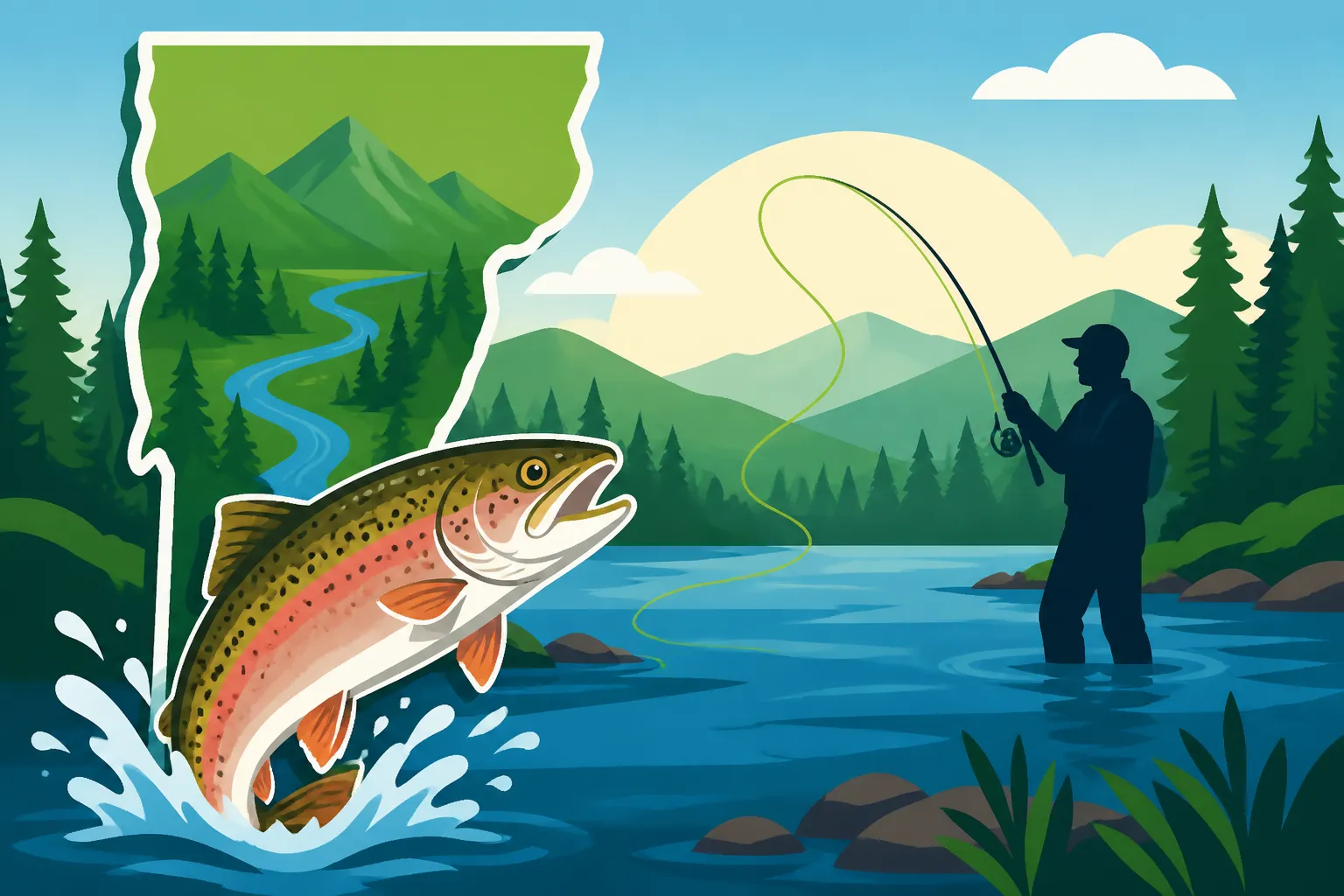
- Rainbow Trout (Oncorhynchus mykiss): These are perhaps the most popular stocked trout, known for their vibrant iridescent stripe along their sides. Rainbows are aggressive feeders, making them a favorite for many anglers, especially those just starting out. They tend to strike at a wide variety of baits and lures. After stocking, they often stay near the release points for a while before dispersing. You'll find them in both ponds and rivers.
- Brown Trout (Salmo trutta): Recognized by their brown or olive-green bodies adorned with distinctive dark spots (some with red halos), brown trout are a bit more elusive than rainbows. They can be wary, especially after they've been in a water body for a while. However, they also grow to impressive sizes, making them a prized catch. They are often stocked in rivers and larger lakes, and a good number of them become "holdovers," surviving multiple seasons and growing into true trophies.
- Brook Trout (Salvelinus fontinalis): Vermont's state fish, brook trout are beautiful with their worm-like markings (vermiculation) on their back and dorsal fin, and often brilliant red-orange fins with white leading edges. While wild brook trout thrive in cold, pristine mountain streams, stocked brook trout are also common in smaller ponds and streams throughout the state. They don't typically grow as large as rainbows or browns but are incredibly feisty for their size.
The Vermont Trout Season and Stocking Rules dictate when these fish can be legally pursued, so always check the regulations guide to ensure you're fishing within the season for the specific water you're targeting.
Types of Waters Stocked: Ponds, Lakes, and Rivers
Vermont's Fish & Wildlife Department stocks a wide array of water bodies, ensuring diverse fishing opportunities no matter your preference.
- Ponds and Small Lakes: These are incredibly popular for stocked trout, particularly for families and those seeking easy access. Many of these ponds are specifically managed as "put-and-take" fisheries, meaning they are heavily stocked to provide immediate fishing opportunities. Examples include places like Silver Lake in Barnard, Lake Raponda in Wilmington, or some of the smaller ponds in state parks. They are often easily accessible, sometimes even with fishing platforms, and offer consistent action, especially early in the season or right after a fresh stocking. These can be fantastic places to bring kids.
- Rivers and Streams: Many of Vermont's scenic rivers and streams also receive regular trout stockings. The bigger, more accessible rivers like portions of the White River, Otter Creek, or sections of the Winooski River often get a good number of fish. These waters provide a different challenge, as trout in moving water tend to spread out more quickly and adapt to their surroundings faster than those in still water. They require a bit more understanding of current, structure, and presentation. Even some of the smaller tributary streams might receive stockings, providing more intimate angling experiences. When considering rivers, also look into Best Trout Streams in Vermont for more insights.
Here's a quick look at the typical stocking scenarios:
| Water Type | Primary Species Stocked | Typical Stocking Strategy | Accessibility Notes |
|---|---|---|---|
| Ponds/Small Lakes | Rainbow, Brook, Brown | High volume, often several times per season (put-and-take) | Often very accessible, good for families, bank fishing, small boats. |
| Larger Lakes | Brown, Rainbow, Landlocked Salmon | Lower volume, focused on trophy potential/specific fisheries | Requires boat access, can involve trolling. Lake Willoughby Fishing Guide is a good example of a larger lake with salmon. |
| Rivers/Streams | Rainbow, Brown, Brook | Throughout accessible sections, often weekly in spring | Varies from roadside access to moderate hikes; wading often required. |
This table illustrates the general approach, but remember, the Vermont Fish & Wildlife stocking tool will give you the precise details for each location.
Strategies for Fishing Recently Stocked Waters
Catching stocked trout isn't usually rocket science, but having a few strategies up your sleeve can significantly increase your success. These fish are often eager to bite, having recently come from hatchery environments where food was readily available. However, they can also become wary quickly if the pressure is high.
Gear Considerations for Stocked Trout
You don't need highly specialized gear to catch stocked trout, which is great news for beginners. A simple, light-to-medium action spinning rod and reel combo will serve you well. A 5'6" to 7' rod paired with a 1000-2500 series spinning reel spooled with 4-6 lb monofilament or fluorocarbon line is ideal. This setup provides enough sensitivity for light bites and enough backbone to handle a feisty trout.
When it comes to terminal tackle, versatility is key:
- Baits: PowerBait (in various colors like "chartreuse" or "rainbow"), corn, small worms (like garden worms or mealworms), and even small marshmallows are classic go-to baits for stocked trout. They're often accustomed to pellet food, so PowerBait, in particular, can mimic that. Rig these on a small hook (size 10-14) under a bobber or on a simple Carolina rig with a small weight to get it to the bottom.
- Lures: Small inline spinners (Mepps, Panther Martin, Rooster Tail) in sizes #0 to #2 are incredibly effective. Spoon lures, like a Kastmaster or Thomas Buoyant, are also great, especially for casting longer distances in larger ponds. Experiment with colors; bright colors often work well on sunny days, while more subdued tones might be better on overcast days or in clearer water. You can find a fantastic selection of these baits and lures on
Amazon, delivered right to your door before your trip. - Flies: If you're into fly fishing, standard nymph patterns like Hare's Ear, Pheasant Tail, and Prince Nymphs are excellent choices for subsurface fishing. Woolly Buggers in black, olive, or brown are also deadly, especially when stripped slowly. For surface action, small dry flies imitating midges or caddis might work, but typically, newly stocked trout respond better to subsurface presentations. Remember to have the Best Gear for Vermont Trout Fishing that suits your chosen method.
Timing Your Trip for Optimal Success
Timing is crucial when fishing for stocked trout. The period immediately following a stocking event is often the most productive. The fish are fresh, hungry, and not yet accustomed to the pressures of angling.
- After Stocking: Keep a close eye on the Vermont Fish Stocking Search Tool, Explained. Plan to visit a recently stocked water body within a few days of the release. The first day or two can be absolute chaos, but also incredibly rewarding. How to Catch Trout Right After Stocking in Vermont delves deeper into this peak period.
- Opening Day: Vermont Trout Opening Day Traditions are huge here, and for good reason! Many waters receive significant stockings just before the season opener in April. This can be a festive (and crowded) time, but the fishing can be phenomenal.
- Time of Day: Early mornings and late afternoons are generally the best times to fish for trout, regardless of stocking. Cooler water temperatures and lower light levels make trout more active. In high summer, consider fishing very early or very late, or focusing on deeper, cooler sections of ponds or shaded stretches of rivers.
- Weather Conditions: Overcast days can be great for trout fishing as they reduce light penetration and make the fish feel more secure. A light rain can also stir up insects and wash food into the water, triggering a feeding frenzy. Avoid fishing during severe storms or immediately after heavy downpours that cause rivers to become muddy and fast-flowing.
Essential Regulations and Responsible Angling
Before you even cast a line, make sure you understand the rules. Vermont has specific Vermont Trout Limit and Possession Rules that dictate how many fish you can keep and their minimum size. These regulations are designed to sustain the fishery and ensure everyone has a chance to enjoy it.
- Licensing: Anyone 15 years or older needs a valid Vermont fishing license. Ensure you have yours, either printed or digitally accessible on your phone, as wardens do check.
- Special Regulations: Some waters might have specific "special regulations," such as catch-and-release only, fly fishing only, or different daily limits. Always check the Vermont Fish & Wildlife Department's official regulations digest for the specific water body you plan to fish. Ignoring these rules can lead to hefty fines.
- Respect the Resource: Even though these are stocked fish, practicing responsible angling is vital. If you plan to release fish, handle them gently with wet hands, minimize their time out of the water, and use single, barbless hooks to reduce harm. Pack out all your trash, including any discarded fishing line, which can be deadly to wildlife.
- Be Mindful of Others: Stocked waters, especially right after a fresh stocking, can get crowded. Be courteous to other anglers, give them space, and avoid casting over their lines. A friendly atmosphere makes fishing more enjoyable for everyone.
Exploring Popular and Productive Stocked Locations
While the Vermont Fish & Wildlife stocking tool is your definitive guide, some waters consistently feature as prime destinations for stocked trout. These locations offer reliable access and usually a good chance of success. Remember, local conditions and recent stockings will always dictate the best current opportunities.
Notable Ponds and Small Lakes
Vermont is dotted with beautiful ponds and smaller lakes that are regularly stocked and offer excellent opportunities, particularly for those who prefer still water fishing or are bringing along younger anglers.
- Silver Lake (Barnard): A picturesque lake within Silver Lake State Park, it's regularly stocked with rainbow and brown trout. Its easy access and park amenities make it a popular spot for families. It's great for both shore fishing and small boats.
- Lake Raponda (Wilmington): Located in southern Vermont, Lake Raponda is a consistent performer for stocked trout. It's a beautiful setting and often gets a healthy number of rainbows.
- Kent Pond (Calais): A smaller pond that often receives attention from the stocking trucks. It's a great choice for a relaxed day of fishing, with good shoreline access.
- Lake Fairlee (Fairlee): A larger lake that not only offers good bass fishing but also gets stocked with trout, providing diverse angling opportunities.
Many state park ponds also receive stockings, offering not just fishing but also other recreational activities like picnicking and swimming. These can be ideal spots for a full day out, combining fishing with family fun. You might find some useful tips on how to approach these waters in articles like Spring Trout Fishing Techniques for Vermont Streams, even though these are still waters, many basic principles apply.
Rivers and Streams Worth Targeting
For those who love the challenge and beauty of moving water, Vermont's rivers and streams provide fantastic stocked trout fishing, especially in the spring and early summer.
- White River: With its many tributaries, the White River system is a cornerstone of central Vermont's trout fishing. Multiple sections receive stockings, particularly accessible stretches near towns like Rochester, Bethel, and Royalton. This river offers varied water, from faster riffles to slower pools, providing opportunities for different techniques.
- Otter Creek: As Vermont's longest river, Otter Creek also boasts numerous stocked sections, especially in its middle and upper reaches. Its gentle flow in many areas makes it approachable for wading.
- Winooski River: While known for its smallmouth bass, sections of the Winooski River, particularly above Montpelier and in its upper reaches, are stocked with trout. Access points along Route 2 and other roadways provide convenient entry.
- Lamoille River: In the northern part of the state, the Lamoille River also receives stockings, offering good opportunities, especially in its less developed sections. The river's character changes significantly along its course, so researching specific stretches is key.
When fishing rivers, remember to move often. Trout in rivers tend to hold in specific spots: behind boulders, in deeper pools, at the head or tail of a run, or under overhanging banks. Look for any change in current, depth, or cover. A good pair of wading boots, perhaps purchased from Amazon for convenience, is invaluable for safely navigating these waters. Remember that river conditions can change rapidly with weather, so always check stream flows before you go.
In summary, tapping into Vermont's stocked trout waters is an excellent way to enjoy consistent and rewarding fishing. By using the official stocking tools, understanding the species and water types, employing effective techniques, and respecting the regulations, you're well on your way to a memorable day on the water.
Disclaimer
The information provided in this guide is for general informational purposes only and is subject to change. Always consult the most current Vermont Fish & Wildlife Department regulations and official stocking schedules before planning any fishing trip. Fishing conditions and stocking programs can vary seasonally and annually.