Vermont wild trout waters regulations
Navigating the myriad of fishing regulations in Vermont can feel like trying to untangle a stubbornly knotted leader, especially when you're specifically seeking out those pristine wild trout waters. Many anglers find themselves scratching their heads, wondering if the rules for a remote mountain brook are the same as for a stocked pond. This guide aims to clear up that confusion, offering a comprehensive look at the specific regulations governing Vermont's wild trout fisheries and how you can enjoy them responsibly.
Understanding Vermont's Wild Trout Management Philosophy
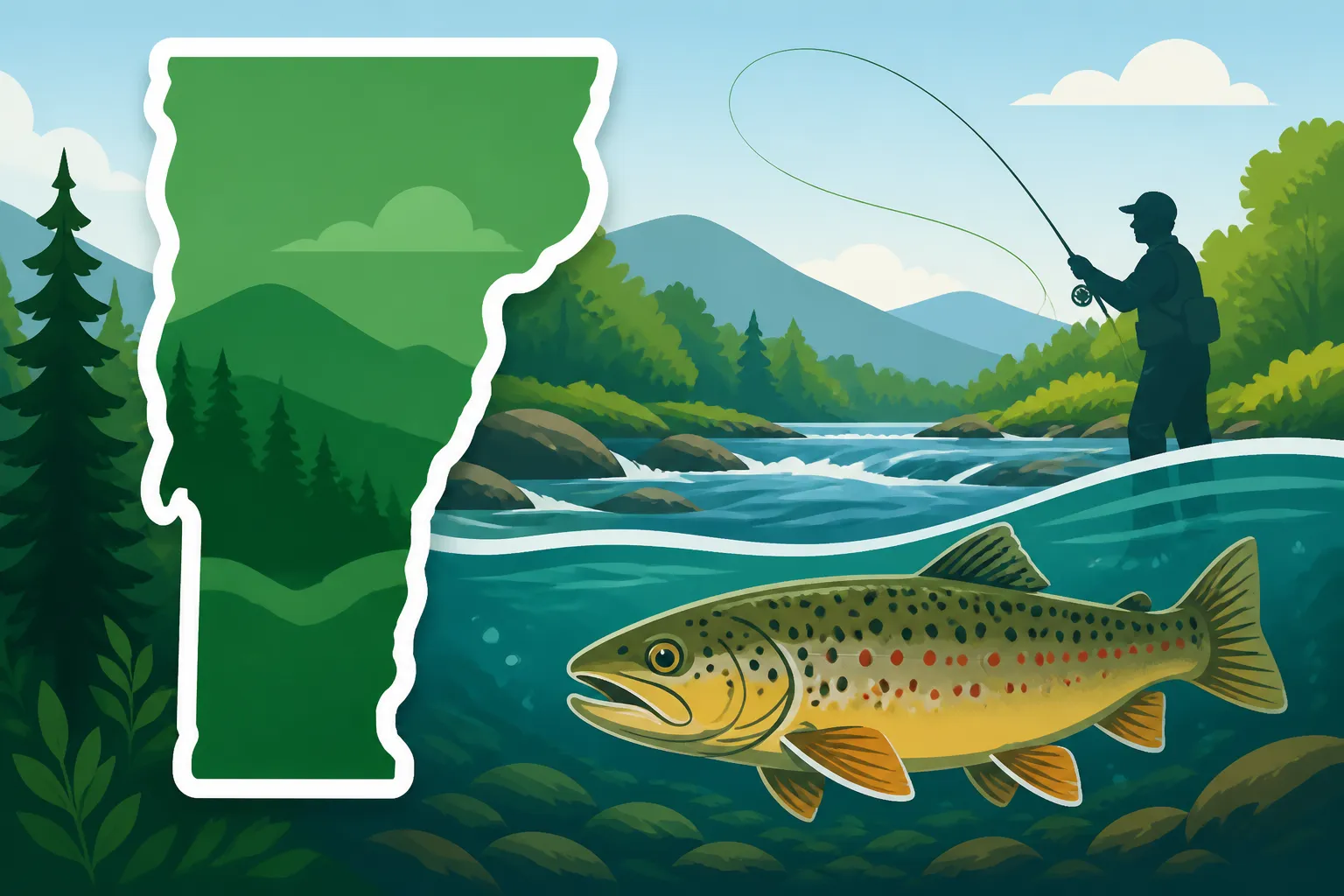
Vermont's wild trout fisheries represent some of the most cherished and ecologically valuable angling experiences the state has to offer. Unlike waters that rely heavily on hatchery stocking, these areas sustain themselves through natural reproduction, making their preservation paramount. Understanding the "why" behind the regulations helps appreciate their critical role in maintaining these fragile ecosystems.
Why Wild Trout Are Special in Vermont
Wild trout, primarily native brook trout but also naturally reproducing brown and rainbow trout in some systems, are truly special here in Vermont. They are genetic treasures, evolved over millennia to thrive in the unique conditions of our cold, clear mountain streams and remote ponds. These fish are often more vibrant in color, more wary, and offer a challenging, highly rewarding angling experience. Their presence is a strong indicator of excellent water quality and a healthy riparian habitat, which benefits all forms of wildlife, not just fish. When you’re fishing a wild trout stream, you’re not just catching a fish; you’re connecting with a wild, self-sustaining piece of Vermont’s natural heritage. These are the places that make you feel truly immersed in the wilderness, far from the bustle of everyday life.
The Goals of Wild Trout Regulations
The regulations for wild trout waters aren't designed to be a hindrance, but rather a protective framework. The primary goal is to conserve these self-sustaining populations for current and future generations. This often means managing for quality over quantity, ensuring the fish have ample opportunity to grow, reproduce, and maintain genetic diversity. Regulations might focus on reducing fishing pressure through catch-and-release mandates, protecting larger, more reproductively viable fish with minimum or maximum length limits, or limiting gear types to reduce harm to released fish. The Vermont Fish & Wildlife Department carefully studies these populations, often through electrofishing surveys and angler creel censuses, to determine the most effective management strategies. They balance angler access with ecological health, striving to create a sustainable fishery that can withstand environmental pressures and angling impact. These regulations also help prevent overharvest, which could quickly decimate a naturally reproducing population that doesn't have hatchery support.
Navigating Specific Regulations for Wild Trout Waters
It's crucial to understand that wild trout waters often operate under different rules than general waters. Ignoring these specific regulations isn't just a risk for a fine, but a real threat to the health of the fishery. Always check the official Vermont Fishing Regulations Explained before heading out.
General Statewide Rules vs. Special Regulation Waters
Here's where things can get a little tricky for anglers. Vermont has a set of general statewide fishing regulations that apply to most waters. These cover things like general daily bag limits for different species, overall season dates, and basic gear requirements. However, many of the state's most cherished wild trout waters fall under "Special Regulations." These special rules supersede the general regulations for those specific bodies of water or sections of rivers. For instance, a stream might have a statewide trout season opening in April, but a specific section designated as wild trout water might not open until June 1st, or it might be open year-round with strict catch-and-release rules.
These special regulations are often put in place to protect sensitive populations or enhance specific angling experiences. You'll find these listed in detail in the Vermont Fish & Wildlife Department's annual fishing guide. It's not enough to just know the basic rules; you must identify if the water you plan to fish is listed under special regulations. This information is typically organized by county and specific water body. For example, some sections of the Battenkill River are famous for their wild trout and have specific rules that differ significantly from other rivers in the state.
Catch-and-Release and Fly Fishing Only Sections
Many of Vermont's wild trout waters, especially the more pristine or heavily fished ones, are designated as "Catch-and-Release" or even "Fly Fishing Only." These designations are critical for maintaining healthy wild populations.
- Catch-and-Release: This means all fish caught in that particular water body or section must be immediately returned to the water, unharmed. There is no daily bag limit because no fish can be kept. This rule is designed to ensure that the fish population remains robust and that larger, mature fish, which are vital for reproduction, are not removed from the system. It's a key conservation tool for areas with sensitive wild populations or high angling pressure.
- Fly Fishing Only: This regulation goes a step further, restricting the type of gear you can use. In "Fly Fishing Only" waters, you can only use a fly rod, fly reel, fly line, and artificial flies. This restriction is often implemented because artificial flies, particularly single, barbless hooks, tend to cause less damage to fish than traditional bait or lures with treble hooks, increasing the survival rate of released fish. It also cultivates a more traditional, skill-based angling experience. You'll find sections of revered rivers like the White River that have these specific designations.
These rules often go hand-in-hand to provide maximum protection. Always carry appropriate tools for quick and safe release, like forceps or hemostats, and practice proper fish handling techniques.
Gear Restrictions and Bait Limitations
Beyond catch-and-release and fly-fishing-only rules, specific wild trout waters can have further gear restrictions and bait limitations. This is often where anglers can get tripped up if they're not careful.
Common Gear Restrictions:
- Artificial Lures Only: Some wild trout waters might allow spinning gear but only permit the use of artificial lures with single-point hooks. Treble hooks are often prohibited, or anglers may be required to crimp down the barbs on all hooks. This minimizes injury to fish, as single, barbless hooks are much easier and less damaging to remove. You can find excellent selections of single-hook artificial lures on platforms like Amazon, making it easy to comply.
- No Live Bait: The use of live bait (worms, minnows, grubs, etc.) is frequently prohibited in wild trout waters. There are several reasons for this:
- Higher Mortality: Fish tend to swallow live bait more deeply, leading to higher rates of internal injury and mortality even if released.
- Disease Transmission: Live bait can introduce invasive species or diseases into pristine wild trout ecosystems.
- Ethical Considerations: For some, using live bait detracts from the challenge and skill associated with targeting wild trout with artificial presentations.
Table: Common Wild Trout Water Regulations in Vermont (Examples)
| Regulation Type | Description | Common Application | Rationale |
|---|---|---|---|
| Catch-and-Release | All fish must be immediately returned to the water unharmed. | Highly sensitive wild trout streams, trophy waters. | Protects breeding stock, ensures future angling opportunities. |
| Fly Fishing Only | Only fly rods, reels, lines, and artificial flies permitted. | Pristine, high-quality wild trout sections (e.g., Battenkill). | Minimizes fish injury, promotes traditional angling skill. |
| Artificial Lures Only | Only artificial lures (spinners, spoons, jigs, plugs) allowed. | General wild trout streams where fly fishing isn't mandated. | Reduces deep hooking compared to bait, prevents disease transmission. |
| Single, Barbless Hooks | All hooks must be single-point and barbs must be removed/crimped down. | Often accompanies Artificial Lures Only or Fly Fishing Only. | Maximizes survival rate of released fish by reducing tissue damage. |
| No Live Bait | No worms, minnows, grubs, or other natural/live bait. | Common in almost all designated wild trout waters. | Prevents deep hooking mortality and disease/invasive species introduction. |
| Delayed Opening/Closures | Specific season dates differ from statewide general season. | Spawning areas, waters recovering from environmental stress. | Protects fish during vulnerable periods (e.g., spawning runs). |
It cannot be stressed enough: always read the current Vermont fishing regulations for the specific water body you plan to visit. What's legal on one stream might be strictly prohibited just a few miles down the road or on an adjacent tributary. A quick check will save you potential fines and, more importantly, help conserve these invaluable wild trout resources.
Identifying and Locating Vermont's Wild Trout Waters
Finding these special places is part of the adventure, but knowing where to look and how to access them legally and respectfully is crucial. The Vermont Fish & Wildlife Department is your best resource.
How to Find Designated Wild Trout Streams and Ponds
The best and most accurate way to find designated wild trout streams and ponds is through the official Vermont Fish & Wildlife Department (VTF&W) resources. Their annual fishing guide is the definitive source, typically available online as a PDF and in print at license vendors across the state. This guide includes maps and detailed textual descriptions of all special regulation waters, often broken down by county and specific river section or pond.
Look for sections explicitly labeled "Wild Trout Waters," "Catch and Release," or "Fly Fishing Only." These sections will list the specific rules that apply, which can include unique season dates, tackle restrictions, and length limits. You might discover some incredible places, from remote ponds nestled high in the Green Mountains that hold elusive brook trout, to specific sections of larger rivers known for their wild brown trout populations. It’s a bit like a treasure hunt, and the reward is often solitude and pristine angling. You might also stumble upon a mention of mentored fishing weekends, though these typically focus on stocked waters for new anglers.
Resources from the Vermont Fish & Wildlife Department
The VTF&W Department offers a wealth of information beyond the annual regulation booklet. Their website is a fantastic resource, featuring interactive maps, fish stocking schedules (though wild trout waters aren't stocked, it's useful for understanding other fisheries), and articles on conservation efforts. You can often find detailed reports on specific fisheries, including scientific surveys that highlight the health and productivity of wild trout populations.
They also sometimes publish lists of "Wild Trout Management Waters" or similar designations, which prioritize these areas for conservation efforts. Organizations like Trout Unlimited, which has active chapters in Vermont, also provide valuable information and advocate for wild trout conservation, sometimes highlighting specific projects or access points. Remember, having a valid Vermont fishing license is your first step before even researching locations.
Respecting Private Land and Access Points
Vermont is a state with a strong tradition of private land ownership, and much of its best fishing water, even wild trout water, flows through private property. It is absolutely essential to respect landowners' rights. Always assume land is private unless clearly marked otherwise as public access.
- Ask for Permission: The golden rule of fishing private land is to always ask for permission. A friendly conversation with a landowner can often open up incredible angling opportunities. Many landowners are happy to grant access to respectful anglers.
- Public Fishing Access Areas: The VTF&W Department has developed numerous public fishing access areas across the state. These are clearly marked and provide legal access to rivers and lakes. Utilize these points, and be sure to park legally and not block driveways or farm access.
- Leave No Trace: Whether on public or private land, always practice Leave No Trace principles. Pack out all your trash, avoid disturbing vegetation, and close gates behind you. Your actions directly impact future access for all anglers. By being a good steward of the land, you help ensure that these wild trout waters remain accessible and pristine. For instance, you can find a suitable fishing backpack or tackle bag on Amazon to help you carry out all your refuse.
Best Practices for Sustainable Wild Trout Fishing
Fishing for wild trout carries a special responsibility. These fish are delicate, and their populations are self-sustaining, meaning that every fish you catch and release, if done improperly, could impact the future of the fishery. Practicing sustainable angling is key.
Minimizing Impact and Practicing Responsible Angling
When you step into a wild trout stream or onto the shore of a remote pond, you're entering a fragile ecosystem. Your actions, even seemingly small ones, can have a big impact.
- Wade Wisely: If wading, move carefully and deliberately to avoid disturbing the stream bottom and dislodging critical insect habitat. Avoid wading through known spawning redds (nests) during the spawning season. This is particularly important for species like brook trout, which often spawn in the fall. Using a sturdy wading staff, available from outdoor retailers or online like on Amazon, can help you maintain balance and reduce disturbance.
- Observe Your Surroundings: Take the time to appreciate the environment. Notice the insects hatching, the birds singing, and the general health of the stream bank. The more attuned you are to the ecosystem, the better you’ll understand how to minimize your footprint.
- Respect Other Anglers: Solitude is often a draw for wild trout fishing, so give other anglers ample space. If you encounter someone already fishing a run, either choose another spot or politely ask if you can fish upstream or downstream without crowding them.
- Use Proper Gear: As mentioned, many wild trout waters have specific gear restrictions. Even where not legally required, using single, barbless hooks for all artificial lures is a best practice to minimize harm to fish.
Handling Wild Trout for Release
The true measure of a responsible wild trout angler isn't just catching fish, but ensuring their survival after release. Proper fish handling is paramount, especially in catch-and-release waters.
- Minimize Air Exposure: Fish breathe oxygen from the water through their gills. Holding a fish out of water, especially in warm weather, is like holding a human underwater—it suffocates them. Keep the fish in the water as much as possible.
- Wet Hands Only: Always wet your hands thoroughly before touching a fish. Dry hands can remove the fish's protective slime coat, leaving it vulnerable to fungal infections and parasites.
- Gentle Hold: Support the fish gently but firmly. If possible, avoid squeezing its body, especially around the belly. For larger fish, a gentle tail hold and supporting the belly can work well.
- Quick Hook Removal: Use forceps or hemostats to quickly remove the hook. If the fish is deeply hooked and removal would cause significant damage, it's often best to cut the line as close to the hook as possible. This is particularly true if you are fishing for species with strict length limits or walleye limits.
- Revive, Don't Throw: After unhooking, gently hold the fish in the water, facing upstream in the current, until it regains its strength and can swim away on its own. It might take a few moments. If it's a calm pond, gently move it back and forth to force water over its gills. Never just toss a fish back into the water; it may be too weak to recover.
Contributing to Conservation Efforts
Being a responsible angler goes beyond just following the rules; it also means actively contributing to the health of the fisheries you enjoy.
- Report Poaching or Violations: If you witness illegal fishing activity or environmental damage, report it to the Vermont Fish & Wildlife Department. You can often do this anonymously through their dispatch numbers or online forms. Protecting these resources is everyone's responsibility.
- Support Conservation Organizations: Consider joining or donating to organizations like Trout Unlimited, the Vermont Natural Resources Council, or local watershed groups. These organizations do vital work in habitat restoration, advocacy, and education, directly benefiting wild trout populations.
- Educate Others: Share your knowledge of responsible angling practices with fellow anglers, especially newer ones. Lead by example and help foster a culture of conservation within the fishing community.
- Participate in Citizen Science: Sometimes, local conservation groups or the VTF&W Department will organize volunteer efforts for stream cleanups, habitat surveys, or invasive species removal. Getting involved is a tangible way to give back to the waters you love. Even something as simple as proper disposal of your old fishing license can help reduce litter.
By taking these steps, you become an active steward of Vermont's precious wild trout waters, ensuring that the thrill of catching these magnificent, naturally reproducing fish remains a possibility for generations to come.
Disclaimer
Please remember that fishing regulations can change. While this guide provides a comprehensive overview, it is essential to consult the most current Vermont Fish & Wildlife Department regulations before engaging in any fishing activity. This article is for informational purposes only and does not constitute legal advice.