Vermont Lamoille River fishing regulations
Few things are more frustrating for an angler than showing up to a promising fishing spot, only to realize you're unsure about the specific rules governing that stretch of water. The Lamoille River, a beautiful and diverse waterway stretching across Vermont, is a prime example of a river that demands a clear understanding of its unique fishing regulations. This guide is designed to cut through the confusion, offering a comprehensive look at the Lamoille River's fishing rules so you can cast with confidence and stay on the right side of the law.
Navigating the Lamoille River's Unique Challenges and Opportunities
The Lamoille River is truly a gem, winding its way from the mountainous terrain near Greensboro all the way to Lake Champlain. This journey means it passes through vastly different environments, from swift, cold headwater streams to wider, slower sections, and eventually a broad estuary zone before emptying into the big lake. Each of these segments offers distinct fishing opportunities, and naturally, with those opportunities come specific sets of rules designed to protect the diverse fish populations.
Understanding the Lamoille's Diverse Ecosystems
When we talk about the Lamoille River, it's not a monolithic entity. The upper reaches, high in the Green Mountains, are characterized by colder, faster water and are typically home to native brook trout and stocked rainbow and brown trout. As the river flows westward, it widens and slows, becoming warmer in certain stretches, which creates habitat for smallmouth bass, northern pike, and a variety of panfish. The lower Lamoille, particularly as it approaches Lake Champlain, takes on estuarine characteristics, providing excellent opportunities for migratory species, including landlocked salmon and even some walleye moving in from the lake. Understanding these transitions is key because the habitat directly influences the fish species present, and thus, the regulations that apply. For instance, a small mountain tributary feeding into the Lamoille might have strict "catch and release only" rules for wild brook trout, while a wider, slower section downstream could have more liberal limits for stocked fish or warmwater species.
General Statewide Regulations to Keep in Mind
While the Lamoille River certainly has its nuances, it's crucial to remember that all Vermont waters operate under a baseline of statewide fishing regulations. These overarching rules cover everything from general season dates for common species to daily limits, legal fishing methods, and even details about ice fishing or using certain types of bait. Think of them as the foundation upon which more specific river or segment regulations are built. For example, if there isn't a specific rule for a particular species on a particular stretch of the Lamoille, you default to the statewide regulation. This is why always having access to the current Vermont fishing regulations is non-negotiable. It’s the ultimate authority, and it will often refer you back to the broader rules even when discussing specific rivers. For a deeper dive into the broader framework, check out our guide on Vermont Fishing Regulations Explained. This will give you a solid understanding of the general parameters before we zoom in on the Lamoille itself.
Key Species and Their Specific Regulations on the Lamoille River
The Lamoille River is a fantastic multi-species fishery, offering something for almost every type of angler. However, to truly enjoy your time and avoid any legal hiccups, you need to be familiar with the regulations for the particular species you're targeting.
Trout Regulations
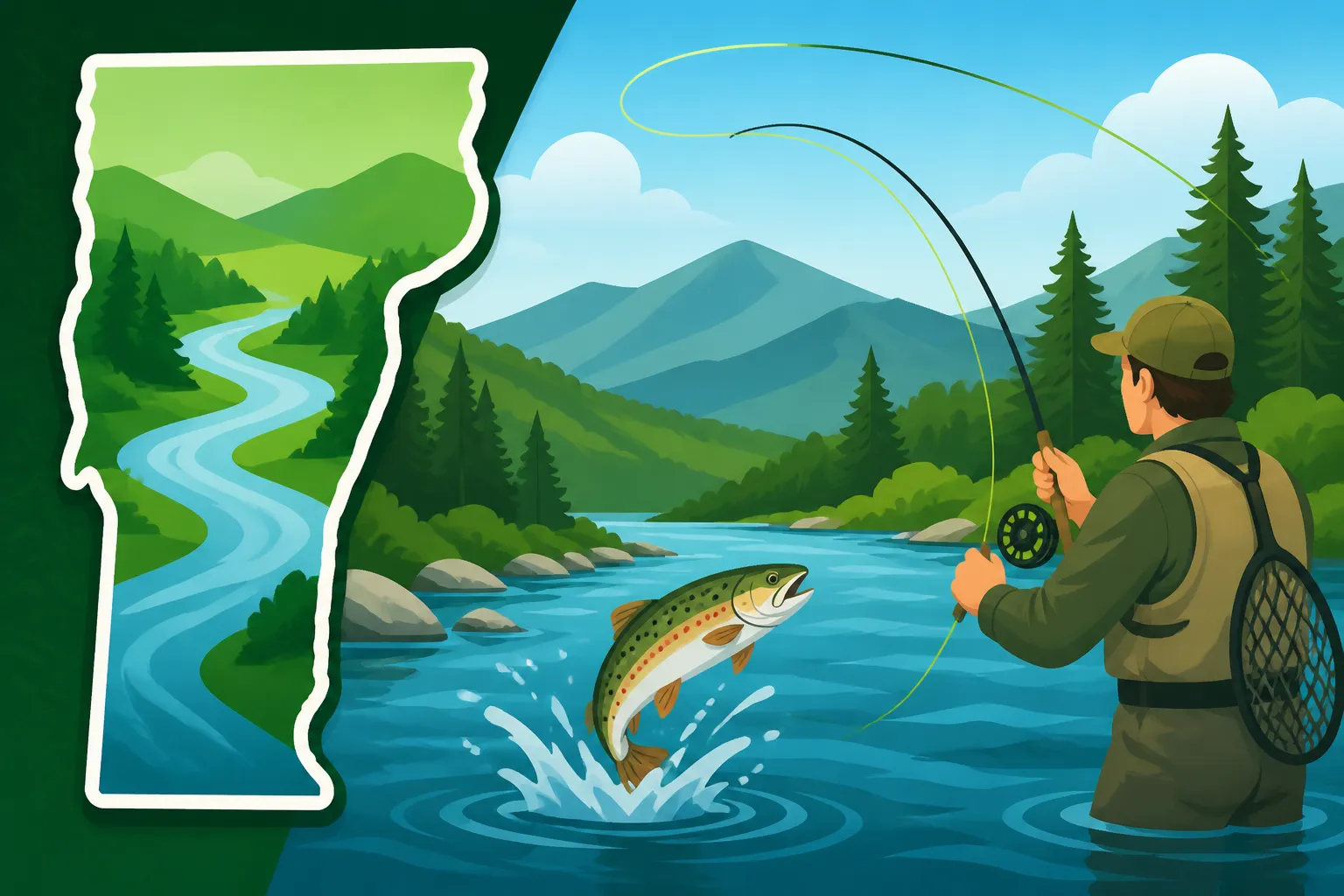
Trout are arguably the most popular targets in the Lamoille River, especially in its colder, upstream sections and many of its tributaries. The river is stocked annually with rainbow trout and brown trout by the Vermont Fish & Wildlife Department, complementing the populations of native brook trout.
The regulations for trout often revolve around specific dates and size limits. Generally, the statewide trout season opens on the second Saturday in April and extends through the last day of October for most waters. However, certain "trophy trout" waters or special regulation areas might have different opening or closing dates, or even year-round catch-and-release opportunities. On the Lamoille, the standard daily limit for trout (which can be a mix of brook, brown, and rainbow) is often six fish, with a minimum length of six inches. However, there are segments that might have lower limits, higher minimum lengths, or even "artificial lures only" restrictions. Always verify the specific section you plan to fish. Understanding the nuances of these rules is vital; an angler accustomed to a broad lake might inadvertently exceed a smaller stream's limit or keep an undersized fish. For a detailed look at statewide trout limits and possession rules, you can refer to our guide on Vermont Trout Limit and Possession Rules, and for general season information, see Vermont Trout Season and Stocking Rules.
Smallmouth Bass and Other Warmwater Species
As the Lamoille River widens and warms in its middle and lower sections, smallmouth bass become a prevalent and exciting target. These hard-fighting fish provide excellent action throughout the warmer months. Vermont generally has a split season for bass: an early catch-and-release only period, typically from the second Saturday in April until the second Saturday in June, followed by the full open season where harvest is permitted.
For smallmouth bass, during the open season, the statewide daily limit is usually five fish, with a minimum length of ten inches. However, similar to trout, certain areas might have different rules. It's always a good practice to consult the official guide for any specific carve-outs for the Lamoille, especially for stretches that might fall under larger lake regulations as it approaches Lake Champlain. Beyond smallmouth, anglers on the Lamoille might encounter northern pike, chain pickerel, yellow perch, and various sunfish. These species typically fall under more general statewide regulations, often with generous daily limits and no minimum length, though pike and pickerel may have specific length and bag limits. For comprehensive details on bass seasons, including the catch-and-release period, check out Vermont Bass Catch-and-Release Season, Explained, and for length limits, refer to Vermont Bass Minimum Length Limits.
Landlocked Salmon in the Lower Lamoille
The lower reaches of the Lamoille River, especially closer to its confluence with Lake Champlain, offer a unique opportunity to target landlocked salmon. These magnificent fish, essentially freshwater Atlantic salmon, migrate from Lake Champlain into the Lamoille to spawn, particularly in the fall, and can be found in the river at other times of the year as well.
Because landlocked salmon are a prized sport fish and are often part of a broader lake management plan, their regulations tend to be more specific and sometimes more restrictive. The statewide daily limit for landlocked salmon is generally two fish, with a minimum length of fifteen inches. However, these fish are often managed in conjunction with Lake Champlain's overall fishery, so any special regulations for the lake might extend into the river's lower sections, particularly during spawning runs. For example, some years might see specific restrictions on bait or gear during peak migratory periods to protect the spawning population. Always consult the most recent regulations for Lake Champlain, as these can directly impact what you can and cannot do on the lower Lamoille. Anglers specifically targeting these powerful fish should always prioritize responsible angling practices, especially during sensitive spawning periods. Our guide on Vermont Landlocked Salmon Regulations provides more context on these beautiful fish and their management.
Special Regulations and Considerations for the Lamoille River
Understanding the general rules is a great start, but savvy anglers know that special regulations can often apply to specific bodies of water or even particular stretches of a river. The Lamoille is no exception, and being aware of these nuances can save you from unintentional violations.
Identifying Special Regulation Waters
The Vermont Fish & Wildlife Department designates certain areas as "special regulation waters" to manage fisheries more precisely, often to protect vulnerable populations, enhance specific fishing experiences, or allow for different harvest strategies. These special regulations can vary widely, from "catch and release only" zones, where all fish must be immediately returned to the water, to "artificial lures and flies only" sections, prohibiting the use of natural baits. They might also include different minimum length limits, reduced daily bag limits, or extended seasons.
On the Lamoille River, these special regulations could apply to specific tributaries known for wild trout, or even sections of the main stem that are particularly popular or sensitive. For instance, a heavily stocked section near a popular access point might have different rules than a remote, wild stretch. The official Vermont Fishing Guide is the definitive source for identifying these areas. It will often list rivers alphabetically or by region and clearly mark any deviations from statewide rules. It's not uncommon for a short section of a river to have a different rule than the section immediately upstream or downstream, so paying close attention to landmarks or bridge crossings mentioned in the guide is critical. Don't rely solely on word-of-mouth; always double-check the official guide. We have a detailed resource on Special Regulation Waters in Vermont that can help you understand this concept more broadly.
Impact of Lake Champlain on Lower Lamoille Regulations
The lower Lamoille River's connection to Lake Champlain has a significant impact on its fishery and, by extension, its regulations. Lake Champlain is a massive, diverse ecosystem with its own set of rules, and many species move freely between the lake and its tributaries like the Lamoille. This means that for the stretch of the Lamoille closest to the lake, some of the Lake Champlain regulations might apply or influence the river's specific rules.
For instance, species like walleye, northern pike, and even lake trout (though less common in the river itself) might migrate into the lower Lamoille, especially during certain seasons. The regulations for these species often align with Lake Champlain's rules to ensure consistent management. This is particularly relevant for landlocked salmon, which spend most of their lives in Lake Champlain but utilize the Lamoille for spawning. An angler fishing the Lamoille's lower section should always consider the broader Lake Champlain regulations, especially when it comes to season dates and bag limits for migratory species. Ignoring this connection could lead to unknowingly violating a regulation intended for the larger lake system. For a full picture of the rules governing this expansive waterbody, our Vermont Lake Champlain Fishing Rules guide is an invaluable resource.
Seasonal Changes and Important Dates
Vermont's fishing seasons are dynamic and highly dependent on the time of year and the species targeted. What's legal and productive in spring might be entirely different in summer or fall. This is especially true on a river system as diverse as the Lamoille. For example, trout season generally has a defined open and close period, but warmwater species like bass might have a split season with an early catch-and-release only phase.
Moreover, some species might have specific "runs" or migratory periods that trigger temporary or specialized regulations. Landlocked salmon, as mentioned, are a prime example, with significant activity in the Lamoille during fall spawning. Ice fishing, while more commonly associated with lakes, can also occur in wider, slower sections of the Lamoille during winter, and it comes with its own set of rules regarding ice shanties, gear, and safety. Therefore, before each outing, it's essential to consult the Vermont Fish & Wildlife Department's most current regulations guide. The dates for opening day, catch-and-release periods, and closing dates can sometimes shift slightly year-to-year based on biological factors or management decisions, so an outdated understanding could lead to a violation. Keep an eye on the Vermont Fishing Season Dates and Closures to stay completely up-to-date.
Essential Tools and Resources for Lamoille Anglers
Beyond understanding the regulations themselves, having the right tools and knowing where to find definitive information can make all the difference in a successful and compliant fishing trip on the Lamoille River.
Acquiring Your Vermont Fishing License
First and foremost, you absolutely need a valid Vermont fishing license if you're 15 years of age or older (with certain exceptions for residents with disabilities or during free fishing weekends). This isn't just a suggestion; it's a legal requirement, and fishing without one can result in hefty fines. There are various license options available, including annual resident and non-resident licenses, as well as shorter-term permits (like 1-day, 3-day, or 7-day non-resident options) that can be perfect for visitors or those just trying out Vermont's waters.
You can purchase your license conveniently online through the Vermont Fish & Wildlife Department website, at authorized license agents (like many sporting goods stores, bait shops, and even some town clerk offices throughout Vermont), or directly from the department's headquarters. When purchasing, make sure you have your personal information readily available, and for residents, proof of Vermont residency. It's always a good idea to either print a hard copy of your license or have it easily accessible on your phone, as wardens can request to see it at any time. For detailed instructions on securing your permit, our guides on Where and How to Buy a Vermont Fishing License and How to Buy a Fishing License Online in Vermont are indispensable resources.
Reading the Official Vermont Fishing Guide
While articles like this one can provide an excellent overview, the official Vermont Fishing Guide published annually by the Vermont Fish & Wildlife Department is the ultimate, legally binding source for all regulations. This guide is usually available as a free download on their website, and physical copies can be picked up at most license vendors.
Learning how to navigate this guide is a critical skill for any angler. It contains not only statewide regulations but also detailed sections on specific waters, including any special rules for the Lamoille River. You'll find maps, species identification charts, and important contact information. Don't just skim it; take the time to read the sections relevant to your target species and the specific stretch of the Lamoille you plan to fish. It’s also where you’ll find updates to regulations that might have changed since the last season. Having a clear understanding of Reading the Vermont Fishing Regulations Guide will ensure you are always informed and compliant.
Recommended Gear and Tackle
Beyond regulations, having the right gear can significantly enhance your Lamoille River fishing experience. For trout in the upper river, a light spinning rod (6-7 feet) with 4-6 lb test line, or a 3-5 weight fly rod, is ideal. Popular baits include worms, corn, powerbait, or small spinners like Mepps or Panther Martin. Fly anglers will find success with nymph patterns (e.g., Pheasant Tail, Hare's Ear), dry flies (e.g., Caddis, Adams), and small streamers.
For smallmouth bass in the middle and lower river, a medium-light to medium power spinning rod with 6-10 lb fluorocarbon line is versatile. Crankbaits, jigs (especially tube jigs and Ned rigs), spinnerbaits, and soft plastic creature baits are all highly effective. For those targeting landlocked salmon in the lower Lamoille, a slightly heavier setup might be needed, capable of handling powerful runs. Spoons, stickbaits, and even large streamer flies can entice these larger fish. Many of these items, from quality fishing line to specific lures, can be easily found and purchased on platforms like Amazon, offering a wide selection to suit your specific needs and budget. Remember to always bring a landing net appropriate for the size of fish you expect to catch and a pair of pliers for easy hook removal, especially for toothy species like pike and pickerel. For detailed tackle suggestions tailored for various species, our Best Gear for Vermont Trout Fishing and Best Tackle for Vermont Smallmouth Bass guides offer plenty of insight.
Lamoille River Key Species Regulations Summary
To help you quickly reference the most common regulations for popular species on the Lamoille River, here's a handy table. Remember, these are general guidelines and always refer to the official Vermont Fishing Guide for the most current and specific details for your exact fishing location on the Lamoille.
| Species | General Season Dates | Daily Limit | Minimum Length | Notes |
|---|---|---|---|---|
| Brook/Brown/Rainbow Trout | 2nd Sat. April – Oct. 31 | 6 | 6 inches | Some stretches may be catch & release, artificial lures only, or have higher minimums. |
| Smallmouth Bass | 2nd Sat. April – 2nd Sat. June (C&R); 2nd Sat. June – Nov. 30 (Open) | 5 | 10 inches | Early season is strictly catch-and-release. Check for Lake Champlain influence on lower river. |
| Landlocked Salmon | Statewide: Generally 2nd Sat. April – Nov. 30 | 2 | 15 inches | Primarily found in lower Lamoille, especially during fall spawning runs. |
| Northern Pike | Year-round | 10 | 18 inches | Check for specific trophy regulations in Lake Champlain influence areas. |
| Chain Pickerel | Year-round | 10 | None | Found in slower, weedy sections. |
| Yellow Perch | Year-round | 50 | None | Abundant throughout the river. |
| Panfish (Sunfish, Crappie) | Year-round | 50 | None | Great targets for beginners and families. |
Please note that "C&R" stands for Catch & Release. "None" for minimum length means there is no statewide minimum length specified for harvest.
Disclaimer
The information provided in this guide is intended for general informational purposes only and is subject to change. While we strive to offer accurate and up-to-date content, fishing regulations are regularly reviewed and updated by the Vermont Fish & Wildlife Department. It is the responsibility of every angler to consult the most current official Vermont Fishing Guide before heading out on the water to ensure full compliance with all state and local regulations. Ignoring official sources could lead to penalties or fines.