Reading the Vermont Fishing Regulations Guide
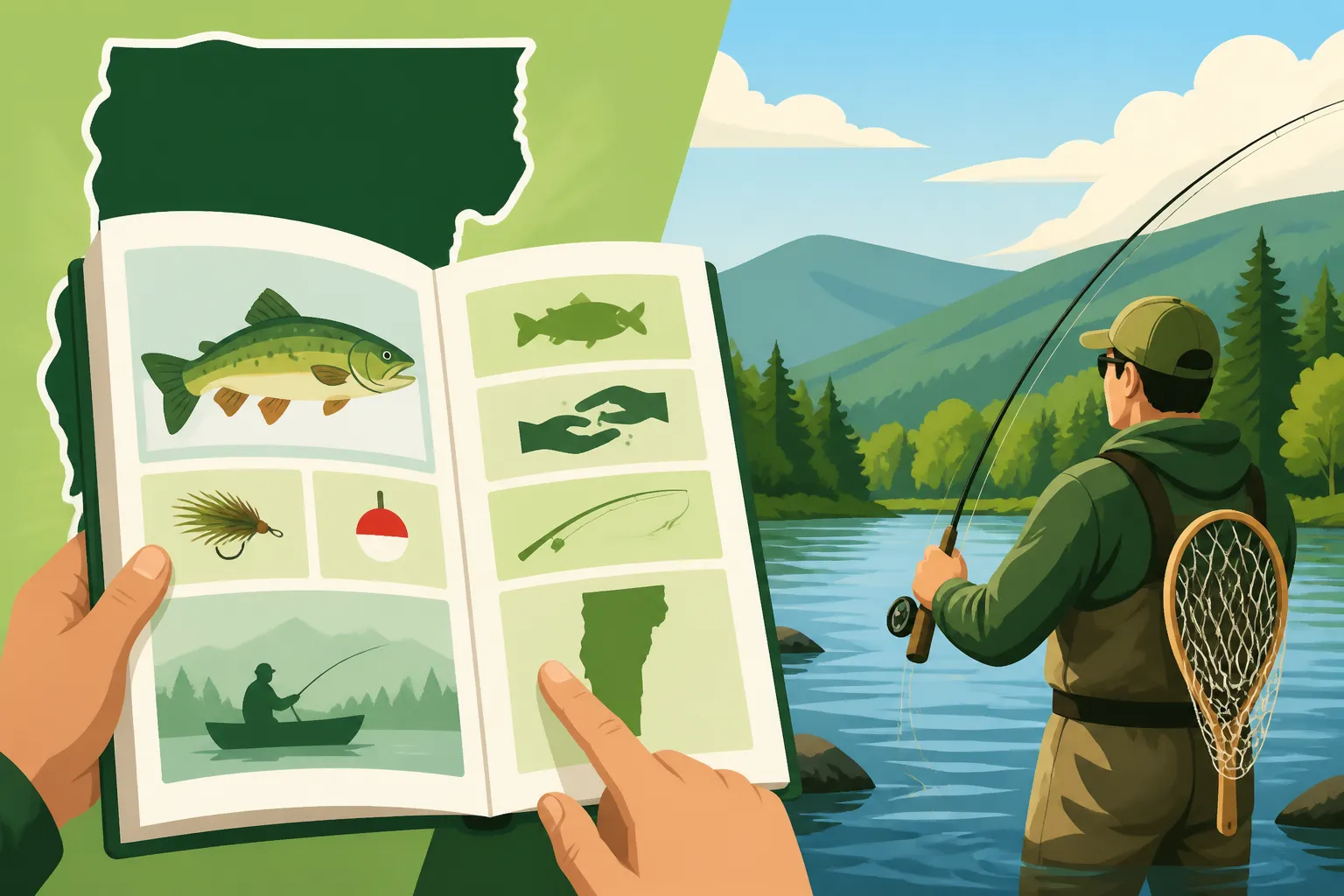
Let's be honest, staring at the official Vermont Fishing Regulations Guide can feel like trying to decipher an ancient scroll. Page after page of legal jargon, tables, and exceptions can quickly turn the excitement of planning a fishing trip into a headache. But don't despair! This comprehensive guide is here to break down the complexities, helping you navigate the ins and outs of Vermont's fishing rules so you can spend less time scratching your head and more time with a line in the water.
Why Regulations Are Crucial and Often Confusing
Nobody wants to accidentally break the law, especially when it comes to something as enjoyable as fishing. Vermont's fishing regulations are designed to protect the state's incredible aquatic resources, ensuring that future generations can enjoy the same healthy fish populations we do today. However, understanding these rules isn't always straightforward. The guide can be a bit overwhelming, packed with specific details that change depending on the species, the body of water, and even the time of year. It’s a lot to take in, and it's easy to feel lost amidst all the different categories and clauses.
Protecting Vermont's Fisheries
The primary goal of these regulations is conservation. Vermont's lakes, rivers, and streams are home to a diverse array of fish, from native brook trout hiding in mountain streams to trophy walleye patrolling the depths of Lake Champlain. Without carefully managed rules, these populations could easily be overfished, leading to declines that would take years, if not decades, to recover. Regulations dictate things like how many fish you can keep, what size they need to be, and when certain species can be fished, all with the health of the fishery in mind. For example, specific rules are in place to protect spawning fish, allowing them to reproduce without disturbance.
Think about the beautiful wild trout streams across the state. They thrive because of careful management, which includes strict regulations on harvest and even gear types. It’s a balance, allowing anglers to enjoy the resource while safeguarding it for the long haul. When we follow these rules, we're actively participating in the preservation of Vermont's natural heritage, making sure that pristine waters remain teeming with life.
The Frustration of Complex Rules
It’s completely understandable to feel a pang of frustration when you're trying to figure out if that smallmouth bass you just caught on Lake Dunmore is legal to keep. Is it a 10-inch minimum or a 12-inch minimum? Does the daily limit apply to all bass or just one species? The guide is thick with information, and sometimes, the way it's presented makes it feel like you need a law degree to understand it. You might flip from one section to another, trying to cross-reference a general rule with a species-specific exception, only to realize there's also a special regulation for the particular waterbody you're fishing.
This complexity often arises because fishing isn't one-size-fits-all. A tiny mountain brook needs different protections than a massive lake, and a slow-growing landlocked salmon requires different management than a fast-reproducing yellow perch. Each rule has a reason, but finding that reason, and understanding its application, can be a real test of patience. Many seasoned anglers keep a physical copy of the guide in their tackle box, often highlighted and dog-eared, because they know how vital it is to consult it regularly, even after years of experience. Finding a reliable, up-to-date source, like the official guide available on the Vermont Fish & Wildlife Department website, or even a waterproof version you can purchase on Amazon, is your first step.
Decoding the Vermont Fishing Regulations Guide: Your First Steps
Before you even think about casting a line, getting acquainted with the official Vermont Fishing Regulations Guide is non-negotiable. This isn't just a suggestion; it's the foundation of responsible and legal angling in the Green Mountain State. The guide is your bible on the water, containing every detail you need to stay compliant and protect our valuable fish populations.
Where to Find the Official Guide
The most reliable and up-to-date version of the Vermont Fishing Regulations Guide is always found on the official Vermont Fish & Wildlife Department website. They typically release a new guide each year, usually in late winter or early spring, to cover the upcoming fishing season. You can download a PDF version to your phone or tablet, which is incredibly convenient to have with you on the water. Many anglers even save it to their home screen for quick access.
Beyond the digital realm, physical copies are readily available. You can pick up a free printed copy at most places where you buy a fishing license, such as town clerk offices, bait and tackle shops, and some sporting goods stores across the state. It's a good idea to grab a physical copy, especially if you plan to fish in areas with spotty cell service, or if you just prefer flipping through pages. Having both digital and physical options ensures you're never caught off guard when you're out enjoying Vermont's lakes and rivers.
Understanding the Annual Cycle
Vermont's fishing regulations aren't static; they operate on an annual cycle. The guide you're reading is typically valid for a specific calendar year or fishing season, generally from January 1st through December 31st. It's crucial to always refer to the current year's guide, as rules can and do change. What was legal last year might not be this year, and vice-versa. For instance, possession limits for certain species might be adjusted, or a particular waterbody could be designated as "catch and release only" to help a struggling fish population recover.
New regulations might be introduced based on scientific data, angler feedback, or conservation needs. The Vermont Fish & Wildlife Department is constantly monitoring fish stocks and environmental conditions, making adjustments to ensure sustainable fishing. So, before your first trip of the season, make it a habit to check for the latest guide, even if you think you know the rules like the back of your hand. Ignorance of the law is never an excuse, and a quick review can save you from an accidental violation. You can learn more about how to stay updated on these changes by reading about Vermont Fishing Season Dates and Closures.
Navigating the General Regulations Section
Once you have the guide in hand, resist the urge to immediately flip to the section on your favorite species. The "General Regulations" section at the beginning is incredibly important, as it lays out the foundational rules that apply statewide to almost all fishing activities. Skipping this part is like trying to build a house without a blueprint – you're bound to run into problems down the line. This section covers overarching principles that govern everything from acceptable fishing methods to how you can transport your catch.
Statewide Rules You Can't Ignore
This is where you'll find the bedrock of Vermont's fishing laws. It includes details like the legal methods of fishing (e.g., how many lines you can use, whether snagging is allowed), general prohibitions (such as not littering, or prohibitions against introducing non-native species), and rules about bait use. For instance, Vermont generally limits you to two lines while fishing through the ice or while open water fishing, but there are exceptions. It also clearly outlines what constitutes legal bait, specifying restrictions on the use of live baitfish, especially in waters that are designated "trout only."
You'll also find general definitions here that are critical for understanding the rest of the guide. Terms like "daily creel limit," "possession limit," "open water," and "ice fishing" are defined precisely, removing any ambiguity. Misinterpreting these basic terms can lead to significant issues, so take the time to read through them carefully. Understanding these fundamental rules will make the species-specific and waterbody-specific regulations much easier to grasp, as those often refer back to these statewide guidelines.
Defining "Open Season" and "Closed Season"
One of the most critical aspects covered in the general regulations is the concept of "open season" and "closed season." These terms dictate when you are legally allowed to fish for certain species. Most species have a specific open season, often tied to their spawning cycles, to ensure their populations can reproduce successfully without undue pressure from anglers. Fishing for a species during its closed season, even if you intend to release it, is generally illegal and can carry significant penalties.
The guide will have a comprehensive table outlining the general open seasons for popular species like trout, salmon, bass, and walleye. However, it's crucial to remember that these are general statewide dates. Many individual waterbodies or specific river sections will have their own special regulations that override these general dates. This is particularly true for trout, where you'll find variations for different rivers and ponds. So, while the general rule provides a starting point, always be prepared to check for exceptions in the "Special Regulation Waters" section, which we’ll cover in more detail shortly. You can also dive deeper into Vermont Trout Season and Stocking Rules to get a better understanding of these seasonal variations.
Species-Specific Regulations: Know Your Fish
After you've absorbed the general rules, you'll inevitably turn to the sections detailing specific fish species. This is where the guide really starts to get specific, providing the nitty-gritty details for the fish you're targeting. This part of the guide is paramount because the rules can vary wildly from one species to another, and even within the same species depending on where you're fishing.
Length Limits and Daily Creel Limits
Every angler needs to understand length limits and daily creel (or bag) limits. The length limit specifies the minimum (or sometimes maximum) size a fish must be to be legally kept. This is a critical conservation tool, allowing smaller, younger fish to grow and mature, and often protecting large, breeding-size fish to ensure they can contribute to future generations. You'll typically find these listed in inches. Daily creel limits, on the other hand, dictate the maximum number of fish of a particular species you can keep in a single day. For instance, you might be allowed to keep three trout, but each must be at least six inches long.
It's vital to have a measuring device on hand when fishing in Vermont. Many anglers carry a small, flexible tape measure or a fishing ruler that can easily fit in a tackle box or vest pocket. If you catch a fish that doesn't meet the length requirement, you must release it immediately and unharmed. Likewise, once you've reached your daily creel limit for a species, any additional fish of that species must be released, even if they meet the length criteria. The guide often includes helpful illustrations or charts to make these limits clear, which can be invaluable when you're out on the water. For a quick reference, check out Vermont Bag and Possession Limits by Species.
Special Rules for Trout, Bass, and Walleye
Vermont's fishing guide dedicates significant attention to its most popular sport fish: trout (brook, brown, rainbow, and lake), bass (largemouth and smallmouth), and walleye. Each of these species often has its own set of nuanced rules. For example, trout regulations can be particularly complex, with different length and creel limits for stocked versus wild trout waters, or even specific fly-fishing-only sections on renowned rivers like the Battenkill. You might find a general statewide trout limit, but then discover that a specific stream has a much lower limit or a higher minimum length.
Bass fishing also comes with its own unique considerations. Vermont has a popular catch-and-release season for bass in the spring, typically before the regular harvest season opens, to protect them during their spawning period. This means you can fish for them, but they must be immediately returned to the water. Understanding the distinction between the catch-and-release season and the regular season is paramount for bass anglers. Walleye on Lake Champlain often have specific slot limits, where fish within a certain size range must be released, but those outside the slot can be kept. These kinds of detailed regulations are crucial for managing these highly sought-after species and are often prominently displayed in the guide. You can find more details on this in Vermont Bass Catch-and-Release Season, Explained.
Understanding Special Regulation Waters
This is often where anglers get tripped up. While statewide and species-specific rules provide a general framework, many of Vermont's most popular, or most sensitive, fishing spots operate under their own distinct sets of rules. These "Special Regulation Waters" are designed to provide extra protection or offer unique angling opportunities, and they always supersede the general regulations. Ignoring this section can lead to unintentional violations and a frustrated day on the water.
Identifying Unique Pond and River Rules
The special regulation waters section is usually organized by county or by major water body, making it easier to pinpoint the specific rules for your chosen destination. You might find that a certain pond has a higher or lower daily limit for trout, or that a particular stretch of river is open for fishing earlier or later than the statewide season. For instance, some lakes might have specific rules for landlocked salmon, while others have unique provisions for their northern pike populations.
It's common to see variations in length limits, daily limits, and even the types of bait or tackle allowed. For example, Lake Bomoseen might have different rules for bass than Lake Dunmore, even though they're both popular bass lakes. The guide will often include clear tables or bulleted lists for each named water body, detailing any deviations from the general rules. Always double-check this section for the specific lake, pond, or river you plan to fish, especially if it's a well-known spot. This section is essentially a "read before you go" checklist for every new fishing location. Many popular destinations, like those covered in the Vermont Lake Champlain Fishing Rules article, have their own specific quirks.
Catch and Release, Fly Fishing Only, and Gear Restrictions
Within the special regulation waters, you'll frequently encounter specific designations like "Catch and Release Only" or "Fly Fishing Only." These are critical to observe. A "Catch and Release Only" designation means that any fish caught in that waterbody, regardless of species or size, must be immediately and carefully returned to the water. These areas are often established to protect fragile wild populations or to create trophy fisheries where fish can grow to exceptional sizes.
"Fly Fishing Only" waters typically restrict anglers to using only fly rods, reels, lines, and artificial flies. This is a common regulation on many of Vermont's pristine trout streams, particularly those managed for wild trout, to reduce angling pressure and minimize harm to the fish. Other gear restrictions might include limitations on the number of hooks per line, the type of line (e.g., no lead core line), or even a ban on using live bait. Before heading to a designated special regulation water, ensure your gear complies. If you're planning a trip to one of these unique spots, checking out Vermont Catch and Release Fly Fishing Only Waters can give you a head start. These rules are in place to preserve the unique character and health of specific fisheries, and adherence is vital for all anglers.
Boating and Access Rules for Anglers
For many Vermont anglers, fishing goes hand-in-hand with boating. Whether you're launching a bass boat on Lake Champlain, paddling a kayak on a serene pond, or taking a canoe down a gentle river, there are specific regulations that govern your vessel and how you use it. These rules are as important for your safety as they are for compliance, and they cover everything from registration to essential safety equipment.
Boat Registration and Safety Equipment
Vermont, like all states, has clear rules regarding boat registration. Generally, any motorized vessel, and any sailboat over a certain length, must be registered with the Vermont Department of Motor Vehicles (DMV). This includes everything from a small electric trolling motor on a jon boat to a powerful outboard on a bass boat. Even if your boat isn't specifically for fishing, if you're using it to access fishing spots, these rules apply. The guide will remind you to ensure your registration is current and that your boat displays the proper decals and numbers.
Beyond registration, safety equipment is non-negotiable. Every boat must carry a certain amount of safety gear, depending on its size and type. This almost universally includes Coast Guard-approved life jackets for every person on board, and specifically for children under 12, who are required to wear them at all times when underway on any vessel. Other essential items often include a throwable flotation device, a sound-producing device (like a whistle or horn), navigation lights for night operation, and a fire extinguisher for motorized vessels. Skipping these safety items not only puts you at risk but can also result in fines from game wardens or marine patrol officers. A thorough review of Vermont Boating Laws for Anglers is a must for any fishing boat owner.
Access Points and Public Lands
Knowing where you can legally launch your boat or access the water to fish from shore is just as important as knowing the fishing rules themselves. The Vermont Fishing Regulations Guide often includes information about public access points, boat launches, and regulations pertaining to fishing on public lands. Many of Vermont's prime fishing locations are accessible through state parks, Fish & Wildlife Access Areas, or other public properties. These areas typically have clearly marked parking and access points, often with specific rules regarding hours of operation, parking fees, or restrictions on certain activities (like camping or open fires).
However, not all waterways are publicly accessible. A significant portion of Vermont's landscape is private land, and fishing from shore or even wading in a river that flows through private property may require landowner permission. The guide emphasizes respecting private property rights, urging anglers to seek permission before trespassing. Always look for "Public Fishing Access" signs, and if in doubt, choose another spot or try to contact the landowner. It’s important to remember that just because fish swim in a river doesn't mean the river banks are public. This respect helps maintain positive relationships between anglers and landowners, ensuring continued access for everyone.
License Requirements and Exemptions
This might seem like the most basic part of the guide, but it's an area where misunderstandings still occur. Having the correct fishing license is the absolute first step to legally fishing in Vermont. Without it, you're not just breaking a minor rule; you're committing a significant violation that can lead to fines and loss of future fishing privileges.
Who Needs a License and How to Get One
In Vermont, almost everyone aged 15 and older needs a fishing license to fish in public waters. This applies to both residents and nonresidents. The guide will clearly outline the various types of licenses available, including annual licenses, short-term nonresident permits (like 1-day, 3-day, or 7-day options), and combination hunting and fishing licenses. It's crucial to select the correct license for your residency status and the duration of your trip. For example, a non-resident planning a weekend trip would likely opt for a Vermont 3-Day and 7-Day Nonresident Fishing Permits rather than a full annual one.
The guide also provides detailed instructions on how to purchase a license. The easiest and most convenient way is often online through the Vermont Fish & Wildlife Department's website. You can also purchase licenses in person at authorized license agents, which include most bait and tackle shops, sporting goods stores, and town clerk offices throughout Vermont. Once purchased, you must carry your license with you while fishing. A printed copy is always valid, and increasingly, digital versions on your smartphone are also accepted, which is a great convenience. For a full rundown, check out the Vermont Fishing License Guide for 2026 and Where and How to Buy a Vermont Fishing License.
Free Fishing Opportunities and Discounts
While most adults need a license, the Vermont Fishing Regulations Guide also highlights important exemptions and opportunities for free or discounted fishing. Children under the age of 15 are generally not required to have a license. This is a fantastic way to introduce youngsters to the joys of fishing without an extra financial burden. Many states also offer specific "Free Fishing Days" or "Free Fishing Weekends" each year, during which residents and nonresidents can fish without a license. These are often timed to coincide with major holidays or school breaks and are clearly advertised in the annual guide. Vermont hosts a popular Vermont Free Fishing Weekend Dates that many families look forward to.
Furthermore, certain groups may be eligible for discounted or even free licenses. This often includes Vermont residents who are active-duty military, veterans with disabilities, or visually impaired individuals. The guide will provide specific eligibility criteria and application processes for these special categories. It's always worth checking if you or someone you know qualifies for these programs, as they are a small token of appreciation for service or assistance for those facing challenges. Understanding these options makes fishing more accessible for everyone.
Penalties and Enforcement: What Happens if You Don't Comply
While most anglers are respectful and law-abiding, it's important to understand the potential consequences of not following the rules outlined in the Vermont Fishing Regulations Guide. Game wardens and other law enforcement officials are actively patrolling Vermont's waters and lands, ensuring compliance and protecting the state's natural resources. They take their job seriously, and so should you.
Consequences of Violations
Fishing without a valid license, exceeding creel or length limits, fishing in a closed season, or using illegal gear are all violations that can result in penalties. These penalties can range from monetary fines to the confiscation of fishing equipment, and even the loss of fishing privileges for a period of time. The severity of the penalty often depends on the nature of the violation and whether it's a first offense or a repeat occurrence. For example, being caught fishing without a license might result in a substantial fine, plus the cost of purchasing the license you should have had in the first place.
More serious offenses, particularly those involving commercial poaching or significant environmental damage, can lead to much harsher penalties, including significant fines and potential jail time. It's not just about the money; having a violation on your record can affect your ability to get future licenses in Vermont or even in other states due to interstate compacts. The guide implicitly warns against these actions by clearly stating the rules, but it’s always wise to be aware of the potential consequences. When in doubt, always err on the side of caution or contact the Vermont Fish & Wildlife Department for clarification. Learn more about Fishing Without a License in Vermont: Penalties.
Reporting Violations and Ethical Angling
Part of being a responsible angler is not just following the rules yourself, but also helping to ensure others do the same. If you witness a fishing violation, the Vermont Fishing Regulations Guide often provides information on how to report it. The Vermont Fish & Wildlife Department has a dedicated tip line or reporting system that allows concerned citizens to alert game wardens to illegal activities. This is crucial for protecting fisheries, especially from persistent poachers or individuals who repeatedly disregard regulations.
Ethical angling goes beyond simply following the letter of the law. It encompasses practices like proper catch-and-release techniques to minimize harm to fish you intend to release, packing out all your trash (and maybe even a little extra that others left behind), and being considerate of other anglers and landowners. Ethical anglers understand that their actions impact the environment and the experience of others. By upholding these principles, we contribute to a positive fishing culture and ensure that Vermont's waters remain a cherished resource for everyone. Always remember the unwritten rules of courtesy and conservation that complement the official regulations.
Quick Reference Table: Key Sections to Consult
To help you quickly navigate the guide when you're on the go, here's a table summarizing the essential sections and what you can expect to find in each. Keep this in mind as you flip through your physical copy or scroll through the PDF on your device.
| Section Title | What You'll Find Here | Key Information | When to Consult |
|---|---|---|---|
| Introduction/Definitions | Basic terms and overview of the guide's purpose. | Definitions of "creel limit," "open water," "ice fishing," etc. | Before reading any other section, for foundational understanding. |
| General Regulations | Statewide rules that apply to most fishing scenarios. | Number of lines allowed, legal fishing methods, bait restrictions. | Any time you're unsure about general practices, regardless of location. |
| Species-Specific Rules | Detailed regulations for individual fish species. | Minimum length limits, daily creel limits per species (e.g., bass, trout). | When targeting a specific type of fish to understand its limits. |
| Special Regulation Waters | Rules that supersede general regulations for specific lakes, ponds, or river sections. | Catch-and-release zones, fly-fishing-only areas, unique size/bag limits. | Crucial before fishing any named waterbody in Vermont. |
| License Information | Details on who needs a license, how to purchase, and exemptions. | Residency requirements, license types, online/in-person purchase options. | Annually, before your first fishing trip, or if you're a new angler. |
| Boating Regulations | Rules for operating a boat while fishing. | Registration requirements, mandatory safety equipment (life jackets, lights). | If you plan to use any type of boat for fishing. |
| Penalties & Enforcement | Consequences for not adhering to regulations and how to report violations. | Fines, forfeiture of equipment, license revocation. | To understand the gravity of violations and how to report illegal activity. |
Keeping Up-to-Date and Prepared
The Vermont Fishing Regulations Guide is not meant to be read once and forgotten. It's a dynamic document that requires regular consultation, especially at the start of each new fishing season. Even for seasoned anglers, it’s all too easy to overlook a change or misremember a specific detail, particularly when planning a trip to an unfamiliar waterbody. That’s why many anglers make a ritual of reviewing the guide as part of their pre-season preparation. Some even buy a new physical copy each year, perhaps from a local tackle shop or through a convenient online vendor like Amazon, to ensure they have the latest printed version.
Beyond the official guide, staying informed means sometimes looking at other resources. The Vermont Fish & Wildlife Department website frequently posts news updates, fish stocking schedules, and sometimes even temporary emergency regulations that might not be in the printed guide immediately. Subscribing to their newsletters or following their social media channels can be a great way to catch these timely announcements. When you're heading out, having the digital guide on your phone is a fantastic backup, particularly if you find yourself in an unexpected situation or at a new fishing spot. Taking the time to be truly prepared ensures your fishing adventures in Vermont are always enjoyable and fully compliant.
Disclaimer
Please note that this guide is intended to provide a general understanding of how to read the Vermont Fishing Regulations Guide and does not constitute legal advice. Fishing regulations can change, and it is always the angler's responsibility to consult the most current official Vermont Fishing Regulations Guide published by the Vermont Fish & Wildlife Department before engaging in any fishing activities.