Vermont out-of-state boat validation sticker 30-day rule
Heading out on Vermont's gorgeous waters with your out-of-state registered boat can feel like navigating a maze of rules, and one of the most common questions that trips up visiting anglers and recreational boaters is about that elusive 30-day validation sticker. It's easy to get confused about when you need it, how to get it, and what happens if you don't. This guide is here to untangle the specifics of Vermont's 30-day rule for out-of-state boat validation stickers, ensuring your time on our beautiful lakes and rivers is spent fishing, not fretting over paperwork.
Understanding Vermont's Boat Registration Basics for Visitors
Before we dive into the nitty-gritty of the 30-day rule, it’s helpful to understand the baseline expectations Vermont has for all vessels on its waters, especially those hailing from out of state. It's not about making things difficult; it's about safety, environmental protection, and ensuring everyone plays by the same rules for the collective good of our waterways and the people who enjoy them.
The Universal Need for Boat Registration
Just like cars need registration plates, most motorized boats and larger sailboats require official registration. This isn't unique to Vermont, of course; it's a nationwide standard. The primary reasons are safety and identification. If there's an incident on the water, or if a boat goes adrift, a registration number allows authorities to quickly identify the owner. It also helps track vessels for environmental purposes and ensures that all users contribute to the maintenance and management of aquatic resources through registration fees. Imagine trying to identify a boat involved in a hit-and-run on Lake Champlain without any identifying marks – it would be nearly impossible. That's why registration, regardless of where your boat is from, is such a fundamental aspect of responsible boating.
For Vermont specifically, the Department of Motor Vehicles handles boat registration, working closely with the Vermont Fish & Wildlife Department. While your home state's registration is usually honored for short visits, Vermont, like many states, has a point where a "visitor" transitions into needing a local acknowledgment. This is where the validation sticker comes into play, signifying your awareness and compliance with Vermont's local regulations, even if your primary registration is elsewhere. It's a way for Vermont to acknowledge your presence and ensure you're aware of the specific rules that govern our unique bodies of water.
Identifying Who Needs a Vermont Out-of-State Validation Sticker
So, who exactly needs to worry about this validation sticker? Simply put, if you're bringing a motorized boat or a sailboat 12 feet or longer (this applies to all recreational vessels, not just those used for fishing) that is registered in another state, and you plan to operate it in Vermont waters for more than 30 consecutive days, you'll need one. This includes popular spots like Lake Champlain, Lake Willoughby, or even smaller, charming lakes like Lake Bomoseen. The "operating" part is key – if your boat is just parked on a trailer in your driveway, it's not considered "operating in Vermont waters." However, if you launch it even once, that clock starts ticking.
It's a common scenario: you've got your beautiful boat registered in, say, New York, and you decide to spend the entire summer at a cottage on Lake Dunmore. What starts as a two-week vacation can easily stretch into a month or more, especially if the fishing is hot, or the kids are having a blast. That's precisely the situation this rule addresses. Vermont wants to ensure that longer-term visitors are properly accounted for and are familiar with the specific nuances of boating in the Green Mountain State. It's not a full Vermont boat registration, mind you, but rather an acknowledgment of your extended stay and commitment to safe and responsible use of our waters. For guidance on getting your primary fishing credentials in order, check out our guide on the Vermont Fishing License Guide for 2026.
Decoding the Vermont 30-Day Rule
The 30-day rule can be a source of confusion because "30 days" isn't always as straightforward as it sounds. Is it 30 days total in a calendar year? Is it 30 days for a specific trip? Let's break down the specifics so you can plan your Vermont boating adventures with confidence and avoid any unexpected headaches.
Calculating Your Stay and the Continuous Period
The crucial aspect of Vermont's 30-day rule for out-of-state boat validation stickers is that it refers to a "continuous" period. This means 30 consecutive days of operating your vessel on Vermont waters. It's not about the cumulative total over a year. For example, if you bring your boat up from Massachusetts for a long weekend in June (4 days), then return in August for another week (7 days), and then come back for a fall foliage fishing trip in October (5 days), you wouldn't hit the continuous 30-day mark. Your boat would still be covered by its Massachusetts registration.
However, if you bring your boat to Lake Memphremagog in mid-July and don't take it out of Vermont waters until mid-August, that's more than 30 continuous days of operation. Even if you're not on the water every single day, as long as the boat remains capable of being operated within Vermont, the clock is ticking. This rule is designed to differentiate between transient visitors and those who are essentially making Vermont their primary boating location for an extended period, even if they maintain an out-of-state residence. It's a common oversight, and many boaters realize they've crossed that threshold only when they're already well into their stay. Planning ahead, especially for longer vacations or seasonal use, is absolutely essential to avoid issues.
The Application Process for the Validation Sticker
Getting your out-of-state boat validation sticker is a relatively simple process once you understand the requirements. You'll need to apply through the Vermont Department of Motor Vehicles (DMV). While the Vermont Fish & Wildlife Department provides a lot of crucial information for anglers, the actual sticker application falls under the DMV's purview, as it's primarily a vessel registration matter. You'll typically need to provide proof of your out-of-state registration, documentation of ownership, and possibly a small fee.
The most convenient way for many boaters to apply is often by mail, especially if you realize you'll exceed the 30 days before arriving or shortly after. You can find the necessary forms on the Vermont DMV website. It’s always a good idea to download the latest version of the form to ensure you have all current requirements. Some folks prefer to handle this in person at a DMV office, though that might involve a bit of a drive depending on where you are in Vermont. My personal recommendation? Do it before you leave home or as soon as you know you’ll be staying long-term. Don’t wait until day 29! Having all your ducks in a row ensures you don't waste precious fishing time dealing with bureaucracy. Remember, it's just one piece of the puzzle; you'll still need your Vermont fishing license, which you can easily acquire by learning how to Buy a Fishing License Online in Vermont.
Proper Display and Appearance of the Sticker
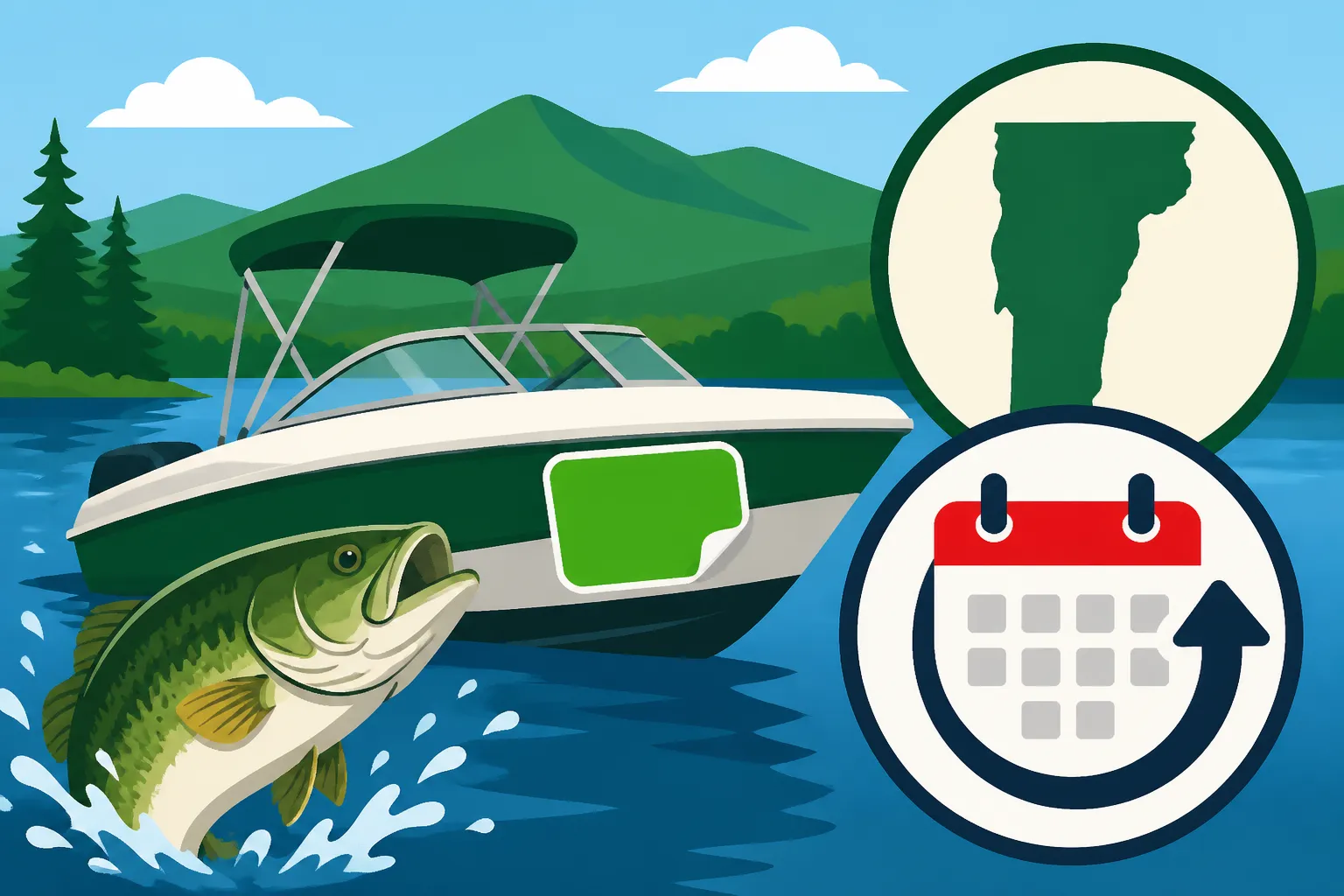
Once you've successfully applied and received your Vermont out-of-state boat validation sticker, the next critical step is to display it correctly. These stickers are typically small, weather-resistant decals that bear the current year and the Vermont state identifier. The regulations are clear: the validation sticker must be affixed to the bow of your vessel, typically on the port (left) side, in close proximity to your vessel's existing out-of-state registration number. The exact placement often specifies it must be visible and above the waterline.
Why such specific rules for a little sticker? It's all about quick identification by marine law enforcement. When a Vermont Fish & Wildlife Warden or State Police Marine Patrol officer approaches your vessel, they need to be able to quickly verify its compliance without needing to ask for additional paperwork initially. An improperly displayed sticker is, for all intents and purposes, the same as not having one at all in the eyes of the law. So, when you peel that sticker, make sure your boat's surface is clean and dry, and take a moment to place it where it's easily seen and won't peel off in the sun or waves. It might seem like a small detail, but getting it right can save you a conversation with a law enforcement officer that you'd rather avoid when you're trying to enjoy a peaceful day fishing for walleye on Lake Champlain.
Important Exemptions and Common Pitfalls
While the 30-day rule for out-of-state boat validation stickers covers a significant portion of visiting boaters, it's not a one-size-fits-all regulation. There are specific exemptions, and understanding these can save you unnecessary paperwork. On the flip side, being unaware of the consequences of non-compliance can quickly turn a relaxing day on the water into a stressful one.
Boats Exempt from the Out-of-State Sticker Requirement
Not every boat needs a Vermont out-of-state validation sticker, even if it's here for an extended stay. The most common exemptions revolve around the type of vessel. Generally, non-motorized boats are exempt. This means if you're bringing your kayak, canoe, stand-up paddleboard, or traditional rowboat from out of state, you typically won't need this specific validation sticker, regardless of how long you're paddling on Vermont's serene waters. This is a huge relief for many outdoor enthusiasts who might be spending weeks exploring our numerous smaller ponds or floating down the Winooski River.
Another key exemption includes federally documented vessels. These are typically larger commercial vessels or yachts that are registered with the U.S. Coast Guard, rather than a state DMV. Their federal documentation is generally recognized by states, superseding state registration requirements. Furthermore, if your boat is merely being transported through Vermont on a trailer and not launched into our waters, it doesn't fall under this rule. The rule specifically applies to vessels "operated or intended to be operated" on Vermont's waters. So, if you're just passing through on I-89 with your boat in tow, you're in the clear. However, always double-check the latest Vermont Boating Laws for Anglers, as regulations can change, and interpretation can vary.
Navigating Potential Penalties for Non-Compliance
Ignoring the 30-day rule and operating your out-of-state registered boat in Vermont without the required validation sticker past the allowed period can lead to unwelcome consequences. Vermont law enforcement, including the Vermont State Police Marine Patrol and Vermont Fish & Wildlife Wardens, actively patrol our lakes and rivers, and they are well-versed in these regulations. The most immediate penalty is usually a fine. While the exact amount can vary depending on the specifics and any additional infractions, it's safe to say it'll be a lot more than the cost of the sticker itself.
Beyond a monetary fine, you could also face delays, or even be ordered off the water until you resolve the issue. Imagine being halfway through a fantastic fishing day on Lake Champlain, only to have to cut it short because you overlooked a small piece of paper. It's not just about the money; it's about the disruption to your hard-earned vacation time. In more severe or repeated cases, there could be further action, although this is less common for a first-time validation sticker oversight. The goal of enforcement isn't just punitive; it's to ensure compliance and promote safe, responsible boating for everyone. It's always easier, and certainly more enjoyable, to get the sticker beforehand and enjoy your time without any worries. This is similar to how serious the penalties can be for Fishing Without a License in Vermont: Penalties.
Essential Boating Safety Beyond the Sticker
While getting your out-of-state validation sticker sorted is crucial for an extended stay, it’s just one piece of the bigger picture of safe and responsible boating in Vermont. Our waterways, while beautiful, demand respect and adherence to a wider set of rules designed to protect you, your passengers, and the environment.
Overview of Vermont's Broader Boating Safety Regulations
Vermont has comprehensive boating regulations that cover everything from equipment requirements to operational rules. One of the most critical aspects is life jackets, or Personal Flotation Devices (PFDs). There are specific Life Jacket Requirements for Vermont Boaters, including rules for children under a certain age and requirements for having enough PFDs for every person on board, readily accessible. This isn't just a suggestion; it's a non-negotiable safety standard that can literally save lives. Make sure you understand not just that you need them, but who needs to wear them and when.
Beyond PFDs, there are rules regarding navigation lights for nighttime operation, sound-producing devices (like a horn or whistle), fire extinguishers for motorized vessels, and throwable flotation devices for boats over a certain length. Operating under the influence (OUI) is strictly prohibited, with severe penalties. Boating speed limits, especially in specific zones like near shorelines or in designated no-wake areas, are also heavily enforced to ensure safety and minimize erosion. It's a lot to take in, but these rules are fundamental to ensuring everyone can enjoy our waters safely. A great resource for understanding all these nuances is the official Vermont boating regulations guide, often available online through the Fish & Wildlife Department.
Ensuring Your Vessel Meets All Vermont Requirements
Bringing your boat from another state means it needs to meet Vermont's specific safety equipment and operational standards, even if it's perfectly legal in your home state. For instance, while most states have similar PFD requirements, there might be subtle differences in the type of fire extinguisher required or the specific placement of navigation lights. Before you launch, take the time to conduct a thorough safety check of your vessel against Vermont’s regulations. Think of it as a checklist, just like you’d do before heading out on a long road trip.
This isn’t just about avoiding a ticket; it’s about genuine safety. If you’re unsure, a quick search on the Vermont Fish & Wildlife Department website for their boating safety guidelines can clear up most questions. Alternatively, local marinas often have resources or staff who can provide guidance. Many boaters find it helpful to perform a pre-season safety check, and if you're coming from out of state, an extra layer of checking against Vermont-specific rules is a smart move. Even simple things like having your boat's registration and your Vermont fishing license readily available can make a routine stop by law enforcement a quick and pleasant interaction instead of a drawn-out interrogation. Many anglers find convenient, durable boat storage solutions or tackle organizers on Amazon to keep all their essential documents and safety gear well-organized and easily accessible.
Practical Tips for Out-of-State Anglers Visiting Vermont
A little preparation goes a long way, especially when you're an out-of-state angler looking to maximize your time on Vermont's stunning waters. From double-checking regulations to knowing where to get reliable information, these tips can help ensure your fishing trip is memorable for all the right reasons.
Pre-Trip Checklist for Out-of-State Boaters
Before you even hitch up your boat trailer, creating a comprehensive checklist can save you a world of trouble. First and foremost, verify your boat's registration is current in your home state. Then, estimate your potential stay in Vermont. If you anticipate being here for more than 30 continuous days of operation, apply for that Vermont out-of-state boat validation sticker well in advance. Don't leave it to the last minute! Alongside that, make sure every angler on board has their Vermont fishing license, which you can read more about in our detailed guide, How Much Does a Vermont Fishing License Cost.
Next, conduct a full safety inspection of your vessel. Check your PFDs for condition and quantity. Ensure all lights, horns, and fire extinguishers are functional and meet Vermont's specific requirements. Have a throwable device on board. Consider downloading the Vermont Fish & Wildlife Department's boating safety brochure or even the full regulations manual onto your phone or tablet – many waterproof cases are available on Amazon to protect your devices. Knowing these rules empowers you to make safe choices on the water and demonstrates responsible boating. A little proactive effort will allow you to focus on the joy of fishing, whether you're targeting brook trout in a remote stream or chasing smallmouth bass on Lake Champlain.
Resources for Up-to-Date Information and Support
Staying informed is key, and thankfully, Vermont offers several excellent resources. The official Vermont Fish & Wildlife Department website is your absolute best friend. They maintain comprehensive, up-to-date information on fishing regulations, boating laws, and even provide a Vermont Fish Stocking Search Tool, Explained, so you know where the action might be. Don't rely solely on outdated forums or word-of-mouth; always check the official source for critical information.
Beyond official government sites, local resources can be invaluable. Visit local tackle shops and marinas once you arrive. Staff at these establishments are often seasoned local anglers themselves and can provide current insights into local conditions, fishing hot spots, and any immediate regulatory changes you should be aware of. They might even recommend specific tackle that's proven effective for Vermont species, which you could then easily find available on Amazon or at their shop. Community forums and social media groups dedicated to Vermont fishing can also be a great way to connect with other anglers and ask questions, but always cross-reference any regulatory advice with official sources. The more informed you are, the smoother your Vermont fishing adventure will be.
Vermont Out-of-State Boat Validation Sticker Summary
| Feature | Description | Important Notes |
|---|---|---|
| Purpose | Acknowledges extended out-of-state boat operation in Vermont waters. | Not a full Vermont boat registration. |
| Who Needs It? | Out-of-state registered motorized boats or sailboats 12ft+ | Only if operating in VT waters for more than 30 continuous days. |
| 30-Day Rule | Refers to 30 consecutive days of operation (or availability for operation) in Vermont waters. | Does not accumulate over multiple non-continuous visits. |
| Application Process | Apply through the Vermont Department of Motor Vehicles (DMV). | Forms available online; typically requires proof of out-of-state registration & ownership. |
| Cost | Small fee required (check current DMV schedule). | Significantly less than potential fines for non-compliance. |
| Display | Affixed to the bow (port side) near the existing registration number, visible, and above the waterline. | Improper display is equivalent to not having one. |
| Exemptions | Non-motorized boats (kayaks, canoes, paddleboards, rowboats). Federally documented vessels. | Also exempt if merely being transported through Vermont (not launched). |
| Penalties | Fines, potential orders off the water, disruption to your trip. | Enforcement is by VT State Police Marine Patrol and VT Fish & Wildlife Wardens. |
| Key Takeaway | Plan ahead and apply if your stay exceeds 30 continuous days to ensure a hassle-free boating experience. | This sticker is one part of overall Vermont boating compliance, alongside PFDs, safety gear, and your Vermont fishing license. See the Vermont Fishing Regulations Explained. |
Disclaimer
The information provided in this guide is intended for general informational purposes only and does not constitute legal advice. While we strive to provide accurate and up-to-date information, boating regulations are subject to change. Always consult the official Vermont Department of Motor Vehicles and Vermont Fish & Wildlife Department websites, or contact them directly, for the most current and authoritative regulations before engaging in any boating or fishing activities.