Vermont northern pike minimum length limit
It’s easy to feel overwhelmed and a little bit lost when you’re trying to make sense of fishing regulations, especially when you're targeting a specific species like northern pike here in Vermont. Rules about length limits, daily creel counts, and possession can change depending on the water body, leaving even seasoned anglers scratching their heads. This comprehensive guide is here to untangle the specifics of Vermont’s northern pike minimum length limits, offering clarity so you can fish with confidence and stay on the right side of the law.
Decoding Vermont's Northern Pike Length Regulations
When you're out on the water in Vermont, rod in hand, ready to target those toothy northern pike, understanding the specific regulations is paramount. Many anglers assume there's a blanket rule for every species across the entire state, but with northern pike, it's a bit more nuanced. The key distinction often lies with Lake Champlain, Vermont's largest and most famous fishing destination, which has its own set of rules due to its unique ecology and fishing pressure.
For the vast majority of Vermont's lakes, ponds, and rivers, if you're chasing northern pike, you'll find that there isn't a minimum length limit to contend with. That's right, outside of Lake Champlain and its immediate tributaries, you can keep any legal pike you catch, regardless of its size, as long as you adhere to the daily and possession limits. This can be a relief for anglers fishing smaller ponds where pike might not reach the same trophy sizes as their Lake Champlain cousins. It means you don't have to carry a measuring tape for every single pike, although having one for general curiosity is always fun. The focus shifts entirely to the number of fish you can harvest, which we'll delve into a bit later.
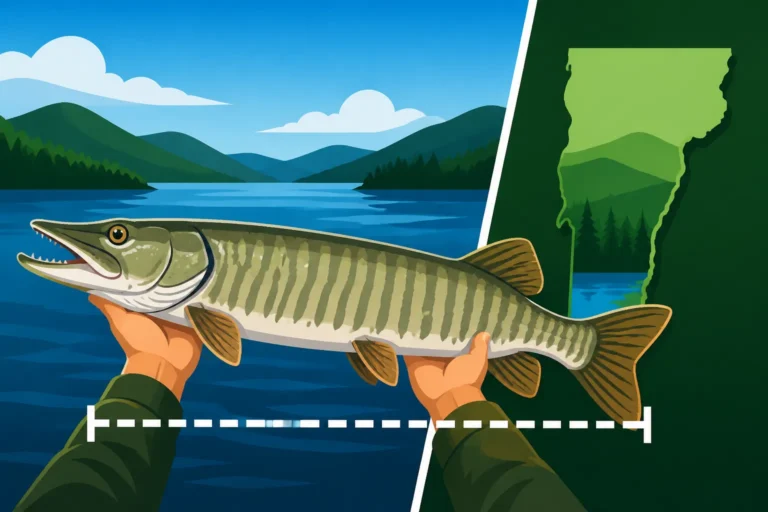
However, the moment you cast your line into the waters of Lake Champlain, or its many tributaries and embayments extending upstream to the very first dam or falls, a specific minimum length limit does come into play. On Lake Champlain, northern pike must measure at least 22 inches from the tip of the snout to the end of the tail to be legally harvested. This is a crucial detail that anglers, especially those new to fishing the big lake or visiting from out of state, often overlook. Imagine the frustration of catching a beautiful 20-inch pike, only to realize it needs to go back because you didn't know about the Lake Champlain rule! Always consult the official Vermont Fishing Regulations Explained before heading out, especially if you plan to fish different bodies of water.
This distinction is not arbitrary; it's a carefully considered management strategy. Lake Champlain is a vital fishery, supporting a robust population of northern pike that can grow quite large. The 22-inch minimum length helps protect younger fish, allowing them to reach maturity and spawn at least once, contributing to the health and sustainability of the pike population in this significant waterway. It’s all about ensuring there are plenty of big pike for future generations of anglers.
Why Lake Champlain Has a Specific Pike Length Limit
It might seem a bit confusing at first to have different rules for the same species, but there’s a solid, scientific reason behind Lake Champlain’s specific northern pike length limit. The Vermont Fish & Wildlife Department doesn't just pull these numbers out of a hat; they're based on extensive research into fish biology, population dynamics, and the unique characteristics of each ecosystem.
Protecting Spawning Stock and Future Generations
The primary goal of any length limit is conservation. For northern pike in Lake Champlain, the 22-inch minimum acts as a safeguard for the breeding population. Northern pike typically reach sexual maturity around two to three years of age, and a 22-inch fish is generally old enough to have spawned at least once, or is on the cusp of doing so. By protecting these intermediate-sized fish, the regulation ensures that more pike get the chance to reproduce, depositing eggs and contributing to the next generation. If anglers were allowed to keep smaller, immature pike, it could severely impact the reproductive potential of the population, leading to fewer fish in the long run. This is a common strategy employed in fisheries management to maintain healthy fish stocks, much like how Vermont Lake Champlain lake trout regulations help protect those deep-water giants.
Balancing Angler Harvest with Population Health
Lake Champlain is a heavily fished body of water, attracting anglers from all over the Northeast. Without proper management, such intense fishing pressure could quickly deplete fish stocks. The 22-inch minimum length limit helps strike a delicate balance: it allows anglers to enjoy the thrill of catching and keeping northern pike, but only those that have already contributed significantly to the population. This isn't about denying you a meal; it's about ensuring that the resource remains abundant for everyone, for years to come. Think of it as an investment in your future fishing trips!
Unique Ecological Role of Pike in Lake Champlain
Northern pike are apex predators in many of Vermont's waterways, but their role in Lake Champlain's complex ecosystem is particularly noteworthy. They prey on a variety of forage fish, helping to maintain a healthy balance within the food web. Larger pike are more effective predators and can target larger prey, influencing the structure of the fish community. Allowing pike to grow to a larger size helps them fulfill this ecological function more effectively. It also means you have a better chance of landing a truly impressive fish, contributing to the stories and memories that make fishing so special. This is why understanding the specific ecosystem, like the dynamic of Walleye Fishing on Lake Champlain, is so critical for regulators.
The specific regulation for northern pike on Lake Champlain is a testament to the department's commitment to sustainable fishing. It reflects a deep understanding of the species, the environment, and the need to manage a popular sport fish responsibly. So, while it might add an extra step to your fishing routine, remember it’s all for the benefit of better fishing experiences for everyone.
Measuring and Handling Pike: Ensuring Legal Compliance and Fish Health
Once you've hooked a northern pike, especially on Lake Champlain, the next critical step is accurately measuring it to ensure it meets the minimum length limit. But beyond just legal compliance, proper handling is crucial for the health of the fish, whether you plan to keep it or release it. Pike are robust fish, but their sharp teeth and powerful bodies require careful attention.
Accurate Measurement Techniques
Measuring a fish correctly is straightforward but requires a bit of care. Here’s how to do it:
- Use a Reliable Measuring Device: A flat measuring board is ideal, but a sturdy tape measure will also work. Many anglers even mark their boat gunwales or cooler lids with permanent measurements for quick checks. If you're looking for a good, portable option, search "fish measuring board" on Amazon; they have many durable, boat-friendly choices.
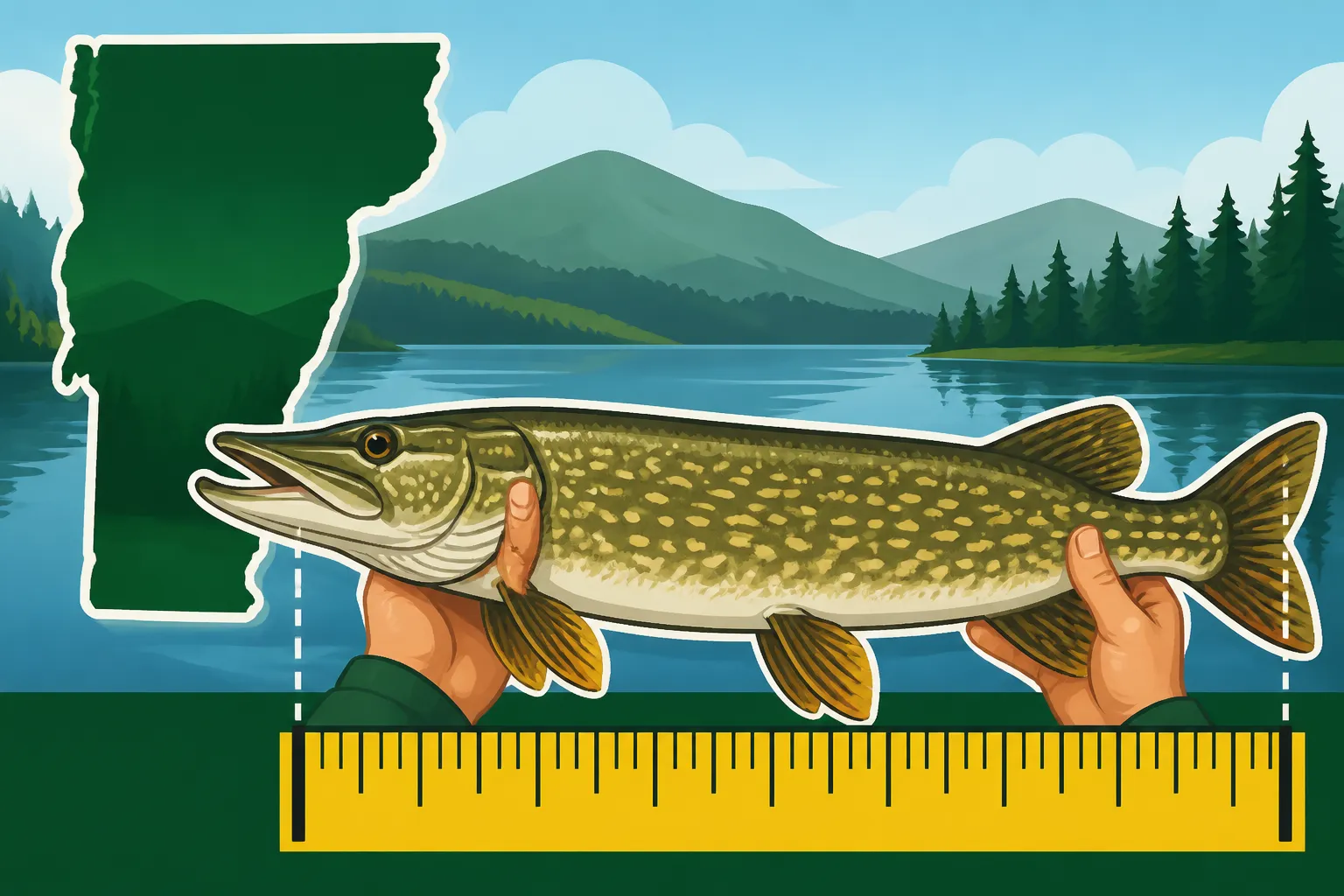
- From Snout to Tail: The standard method for measuring northern pike (and most fish) is from the tip of the closed mouth or snout to the end of the unpinched tail. Lay the fish flat on its side, with its mouth against the end of your measuring device. Gently compress the tail to get the longest possible measurement.
- Quick and Efficient: The goal is to get an accurate measurement as quickly as possible to minimize the fish's stress. If you're on Lake Champlain and the pike is clearly under 22 inches, don't even bother with a precise measure – release it immediately. If it's borderline, measure it once, make your decision, and act quickly.
Safe Handling for Release or Retention
Northern pike are strong, toothy predators. Mishandling can harm both the fish and the angler.
- Tools for Success: Always carry a long-nosed pair of pliers or a jaw spreader, and a large, rubberized landing net. A good quality, rubberized net, like those found on Amazon, helps protect the fish’s slime coat and fins, which are crucial for its health. For truly large pike, a set of lip grippers can also be invaluable for control.
- Support the Fish: When lifting a pike out of the water, especially a larger one, support its body horizontally. Never lift a large pike vertically by its gills or jaw alone, as this can cause severe internal damage. If you're using lip grippers, still support the body with your other hand.
- Remove Hooks Carefully: Pike have incredibly sharp teeth. Use your pliers to quickly and gently remove the hook. If the hook is deeply embedded, it’s often better to cut the line and leave the hook in place, especially if you plan to release the fish. Modern hooks will often rust out quickly.
- Minimize Out-of-Water Time: A fish cannot breathe air. Keep the pike in the water as much as possible, especially during hook removal and measurement. If taking a photo, do it quickly, holding the fish horizontally, and get it back into the water promptly.
- Proper Release: For released fish, gently hold the pike upright in the water, facing into any current, until it regains its strength and swims off on its own. Don't just toss it back; give it a chance to recover. This practice is vital for catch and release fishing for trout in Vermont and other species.
By following these measuring and handling guidelines, you not only comply with Vermont's regulations but also ensure the well-being of the fish, contributing to a healthier fishery for all.
Beyond Length: Daily and Possession Limits for Northern Pike
While the minimum length limit is a specific concern for northern pike on Lake Champlain, there are other important regulations that apply to these fish across the entire state: daily and possession limits. These numbers dictate how many fish you can keep in a single day and how many you can have in your possession at any given time.
Understanding Daily Limits
The daily limit refers to the maximum number of fish of a particular species that an individual angler can catch and keep in a 24-hour period. For northern pike in most Vermont waters other than Lake Champlain, the daily limit is 10 fish. This means if you're fishing a pond in the Northeast Kingdom, for example, you can legally harvest up to ten pike in a day.
However, just like with the length limit, Lake Champlain operates under a stricter rule. On Lake Champlain, the daily limit for northern pike is 5 fish. This reduced number, coupled with the 22-inch minimum length, is part of the integrated management strategy to maintain the pike population in this vital fishery. So, if you're targeting pike on the big lake, remember you can only keep five fish, and they must all be at least 22 inches long. This nuanced approach highlights the importance of checking Vermont Fishing Regulations Explained for specific bodies of water.
Deciphering Possession Limits
The possession limit refers to the total number of fish of a specific species an individual angler can have in their possession at any given time, regardless of when or where they were caught. This includes fish at your camp, in your cooler, or in your freezer. It’s essentially a cumulative limit.
For northern pike in Vermont, the possession limit generally mirrors the daily limit. So, in most waters outside of Lake Champlain, the possession limit is 10 northern pike. If you catch ten pike one day and put them in the freezer, you cannot go out the next day and catch another ten until some of the previous catch has been consumed or gifted, bringing your total possession below the limit.
On Lake Champlain, the possession limit for northern pike is 5 fish. This aligns directly with the daily limit for the lake. This rule is designed to prevent stockpiling and ensure that the harvest is spread out among many anglers over time, rather than a few individuals taking a large quantity.
Why These Limits are Crucial
These daily and possession limits are fundamental to sustainable fisheries management. They:
- Prevent Overharvest: By limiting the number of fish an individual can take, the department ensures that the overall harvest does not exceed what the fish population can naturally replenish.
- Promote Fair Access: These limits help distribute the available harvest among more anglers, preventing a few individuals from monopolizing the resource.
- Encourage Responsible Angling: They encourage anglers to be more selective, perhaps focusing on quality over quantity, and to practice responsible catch and release for fish they don’t intend to keep. This is especially true for species like Smallmouth Bass Fishing in Vermont, where many anglers prioritize sport.
It's vital to stay informed about these limits, as they are non-negotiable legal requirements. Carrying a copy of the current Vermont fishing regulations (either printed or on your phone) is always a good idea, as is knowing how to use the Vermont Fish Stocking Search Tool, Explained to see where fish are being actively managed.
Here’s a quick summary of the Northern Pike limits for easy reference:
| Water Body | Minimum Length Limit | Daily Limit | Possession Limit |
|---|---|---|---|
| Lake Champlain (and tributaries to first dam/falls) | 22 inches | 5 fish | 5 fish |
| All Other Vermont Waters | No minimum length | 10 fish | 10 fish |
Navigating Pike Fishing in Vermont's Diverse Waters
Vermont offers a diverse array of fishing opportunities, and northern pike can be found in many different types of waters, from vast lakes to smaller, quiet ponds and meandering rivers. Understanding where you're fishing is just as important as knowing the specific regulations, as some waters present unique challenges or opportunities.
Lake Champlain: The Pike Mecca
Lake Champlain truly is the prime destination for northern pike in Vermont. Its extensive shallow bays, weed beds, and rich forage base provide ideal habitat for pike to thrive and grow to impressive sizes. Malletts Bay, Missisquoi Bay, and the shallower sections of the main lake are particularly renowned. Fishing here often involves casting large spoons, spinnerbaits, or even live bait around weed lines and submerged structure. Because of its size and popularity, Lake Champlain's regulations are often more specific, not just for pike but also for species like Walleye Fishing on Lake Champlain and Lake Champlain Walleye Fishing. Anglers often use specialized gear, from larger boats to powerful rods and reels, many of which can be found by searching "heavy duty pike fishing gear" on Amazon.
Inland Lakes and Ponds: Hidden Gems
Beyond Lake Champlain, many smaller inland lakes and ponds throughout Vermont also hold healthy populations of northern pike. These can range from accessible, well-known bodies of water like Lake Bomoseen or Lake Dunmore to more secluded, wild ponds in the state's more remote regions. While these waters don't typically have a minimum length limit for pike, they can offer fantastic action. The pike here might not reach the sheer size of Lake Champlain giants, but they are often plentiful and aggressive. Fishing techniques might include casting smaller lures, using tip-ups for Ice Fishing in Vermont, or even fly fishing with large streamers. For these waters, focus on the daily and possession limits of 10 fish, and enjoy the fight! Checking the Best Fishing Lakes in Vermont can give you a head start on finding some of these spots.
Rivers and Tributaries: A Seasonal Pursuit
Northern pike also inhabit many of Vermont's larger rivers, especially those that connect to larger lakes or have slow-moving, weedy sections. Rivers like the Lamoille, Missisquoi, and sections of Otter Creek can offer excellent pike fishing, particularly during specific times of the year, such as the spring spawning runs or in cooler fall months. These riverine pike can be challenging to target but often reward persistent anglers with strong fights. When fishing rivers, remember that if the river is a tributary to Lake Champlain (upstream to the first dam or falls), the Lake Champlain minimum length and daily limits apply. Otherwise, the statewide 10-fish limit with no length restriction is generally in effect. Understanding Vermont Trout Season and Stocking Rules can also help discern which rivers are more trout-focused versus multi-species.
Special Regulation Waters
It's always a good habit to check the Vermont Fish & Wildlife Department's official regulations booklet for any special regulation waters. While less common for northern pike, some specific lakes or stretches of river might have unique rules that supersede the general statewide or Lake Champlain regulations. These special rules are often implemented to protect sensitive populations, manage unique fisheries, or address specific conservation concerns. This is particularly relevant for species like trout, where Vermont Catch and Release Fly Fishing Only Waters exist. Never assume; always verify before you cast a line in a new spot.
Navigating Vermont's diverse waters for northern pike is part of the adventure. By understanding the general rules and paying close attention to the specific regulations for the water body you're fishing, you can have a rewarding and legally compliant experience chasing these exciting predatory fish.
Potential Consequences of Not Following Northern Pike Regulations
Ignoring fishing regulations, even unintentionally, can lead to some pretty uncomfortable situations and can significantly impact your wallet and your fishing privileges. The Vermont Fish & Wildlife Wardens are out there to protect the state's natural resources and ensure fair play for all anglers. They take their job seriously, and ignorance of the law is rarely an acceptable excuse.
Fines and Penalties
The most immediate consequence of violating fishing regulations, such as keeping an undersized northern pike from Lake Champlain or exceeding your daily limit, is a financial penalty. Fines for fishing violations in Vermont can vary widely depending on the severity of the offense, whether it's a first-time violation, and the specific regulation broken. For example, possession of an illegal fish (like an undersized pike) might carry one fine, while exceeding your daily limit could be another, potentially stacking up if multiple violations occur.
These fines are not trivial. They are designed to be a deterrent and to reflect the value of the resource being impacted. A simple mistake could cost you hundreds of dollars, making that "extra" fish a very expensive catch indeed. Moreover, these fines often go directly to supporting the very conservation efforts that fund fish stocking and habitat improvement, meaning your mistake inadvertently contributes to the system you violated. For a comprehensive look at what you could face, check out Fishing Without a License in Vermont: Penalties, as some of these principles extend to other violations.
Loss of Fishing Privileges
Beyond monetary fines, another significant consequence can be the suspension or revocation of your fishing license. For serious or repeat offenses, the Vermont Fish & Wildlife Department has the authority to suspend your ability to legally fish in the state for a period of time. This means you wouldn't be able to purchase a Vermont Fishing License Guide for 2026 or use any existing license until the suspension is lifted.
For avid anglers, losing the privilege to fish is often a far greater punishment than any fine. Imagine an entire season passing by where you can't wet a line on Lake Champlain or your favorite trout stream because of a regulation oversight. This consequence underscores the importance of not just knowing the rules, but actively adhering to them.
Equipment Confiscation
In some cases, especially for egregious violations, wardens may have the authority to confiscate fishing equipment used in the commission of an offense. This could include rods, reels, nets, or even boats, depending on the nature of the violation. While not an everyday occurrence, it's a possibility that highlights the serious nature of fisheries enforcement.
Impact on Resource Conservation
Beyond the personal consequences, violating regulations has a broader impact on the fish populations themselves. Every undersized fish kept, or every fish over the limit, reduces the spawning stock or overall abundance, putting stress on the fishery. When many people make these "small" violations, the cumulative effect can be significant, potentially leading to declining fish populations and even more restrictive regulations in the future.
Ultimately, respecting and adhering to Vermont’s northern pike minimum length limits and all other fishing regulations is about more than just avoiding trouble. It's about being a responsible angler, contributing to the health of our natural resources, and ensuring that future generations can enjoy the same fantastic fishing opportunities we have today. Always take the time to read the rules before you go, and when in doubt, practice catch and release.
Disclaimer
The information provided in this guide is intended for general informational purposes only and is subject to change. While we strive to provide accurate and up-to-date information, fishing regulations can be complex and are periodically updated by the Vermont Fish & Wildlife Department. It is the responsibility of every angler to consult the most current official Vermont Fishing Guide and Regulations before engaging in any fishing activity. Always verify specific rules for the exact body of water you plan to fish.