Vermont bass catch-and-release dates for 2026
There's nothing quite like the frustration of wanting to hit your favorite Vermont fishing spot for bass, only to realize you're not entirely sure if it's the right time of year, especially with those specific catch-and-release rules. It’s easy to get tangled up in the nuances of fishing regulations, and nobody wants to inadvertently break the rules. This guide is here to untangle that confusion, walking you through the expected Vermont bass catch-and-release dates for 2026, so you can plan your angling adventures with confidence and keep those bass populations thriving.
Understanding Vermont's Bass Seasons
Vermont is a fantastic state for bass fishing, boasting healthy populations of both feisty smallmouth and chunky largemouth bass. However, like many states committed to conservation, Vermont implements specific seasons to protect these species, particularly during their vulnerable spawning periods. These regulations are designed not to make your life harder, but to ensure that our lakes and rivers remain vibrant fisheries for years to come.
The Why Behind Catch-and-Release
The primary reason for a dedicated catch-and-release season for bass in Vermont revolves around their reproductive cycle. Bass typically spawn in late spring to early summer, when water temperatures reach optimal levels. During this crucial time, male bass are often found guarding nests of eggs or newly hatched fry. They become incredibly aggressive and territorial, making them easier targets for anglers. If too many bass are removed from their nests during this period, the eggs or fry become vulnerable to predators like sunfish, perch, or even other bass, significantly impacting the next generation.
The Vermont Fish & Wildlife Department, through careful biological study and public input, sets these seasons to give bass the best chance to successfully reproduce. This isn't just about preserving numbers; it's about maintaining a healthy genetic diversity and a robust ecosystem. When we respect these catch-and-release periods, we're actively participating in the conservation efforts that keep Vermont's bass fishing exceptional.
General Overview of Bass Season Structure
Vermont's bass fishing year is generally divided into a few key phases. First, there's the pre-season catch-and-release only period, which is our main focus today. This is followed by the regular open season, where anglers can keep a certain number of fish within size limits. Finally, some species may have a closed season towards the late fall or winter, though bass fishing can extend quite late in the year depending on ice conditions.
This structure applies uniformly across most of Vermont's public waters for both largemouth and smallmouth bass. However, it's always critical to remember that certain waters might have special regulations that supersede the general rules. For instance, a specific lake or a section of a river might be designated as "catch-and-release only" year-round, or have different length and bag limits. Always consult the official regulations for any specific body of water you plan to fish. You can find comprehensive details about these broader rules in the Vermont Fishing Season Dates and Closures guide.
Vermont Bass Catch-and-Release Dates for 2026
Now, let's get to the heart of the matter: those all-important catch-and-release dates for bass in Vermont for 2026. While official regulations are typically finalized closer to the end of the previous year, historical patterns show a remarkable consistency in these dates. Therefore, we can confidently anticipate the 2026 dates to align with the established framework.
The Catch-and-Release Only Period
For 2026, the anticipated catch-and-release only period for bass in Vermont will begin on the second Saturday in April and extend through the Friday preceding the second Saturday in June.
Let's break that down for the calendar year 2026:
- The second Saturday in April 2026 is April 11th.
- The second Saturday in June 2026 is June 13th.
- Therefore, the Vermont bass catch-and-release only season for 2026 is expected to run from April 11, 2026, through June 12, 2026.
During this specific window, if you're targeting bass, every single one you catch must be immediately and carefully released back into the water. This is non-negotiable and crucial for the health of the fishery. But it's not just about releasing the fish; there are also specific tackle restrictions that go hand-in-hand with this period to ensure the bass's survival.
During the catch-and-release period, fishing for bass is restricted to artificial lures and flies only. This means no live bait whatsoever – no worms, no minnows, no crawfish. The reasoning is straightforward: bass often swallow live bait deeply, leading to higher rates of mortality upon release, especially if the hook is in a vital organ. Artificial lures, particularly those with single or barbless hooks, tend to hook fish in the mouth, making for easier and safer unhooking. This specific rule helps significantly in minimizing harm to the spawning bass. Understanding these nuances is a key part of adhering to Vermont Fishing Regulations Explained.
Transitioning to the Regular Open Season
Following the catch-and-release period, the bass season in Vermont shifts into its regular open season. For 2026, this change is expected to occur on June 13, 2026.
Once the regular open season begins, the regulations loosen up considerably, allowing anglers to keep a portion of their catch. Typically, during the regular open season (which extends through November 30th):
- Daily Bag Limit: Anglers are generally permitted to keep a daily limit of 5 bass.
- Minimum Length Limit: Any bass kept must meet a minimum length requirement, usually 10 inches.
These regular season rules are in place because by mid-June, most bass have completed their spawning duties, and the fry have hatched and dispersed. The populations are less vulnerable, and a carefully managed harvest can occur without detriment to the overall health of the species. For more detailed information on specific numbers, you can refer to resources like Vermont Bass Minimum Length Limits and Vermont Bass Daily Bag Limit.
Here's a quick summary table of the expected 2026 bass season structure:
| Bass Season Phase | Expected 2026 Dates | Key Regulations |
|---|---|---|
| Catch-and-Release Only | April 11, 2026 – June 12, 2026 | All bass must be immediately released. Artificial lures and flies only. No live bait. |
| Regular Open Season | June 13, 2026 – November 30, 2026 | Daily limit of 5 bass. Minimum length of 10 inches. All legal bait and lures permitted (check specific rules). |
Remember, these dates are based on consistent historical patterns and are what we expect for 2026. Always, always verify with the official Vermont Fish & Wildlife Department regulations once the new year's guide is published.
Best Practices for Catch-and-Release Bass Fishing
Engaging in catch-and-release during the designated period isn't just about adhering to the law; it's about practicing ethical angling that prioritizes the fish's well-being. The goal is for that bass to swim away strong and healthy, ready to spawn again or provide another angler with a thrilling fight down the line.
Minimizing Stress and Injury
The moment a bass is hooked, it's under stress. Your job as an angler committed to conservation is to minimize that stress and any potential injury.
- Handle with Wet Hands: Before you even touch the fish, wet your hands thoroughly. Dry hands can remove the fish's protective slime coat, leaving it susceptible to fungal infections and parasites.
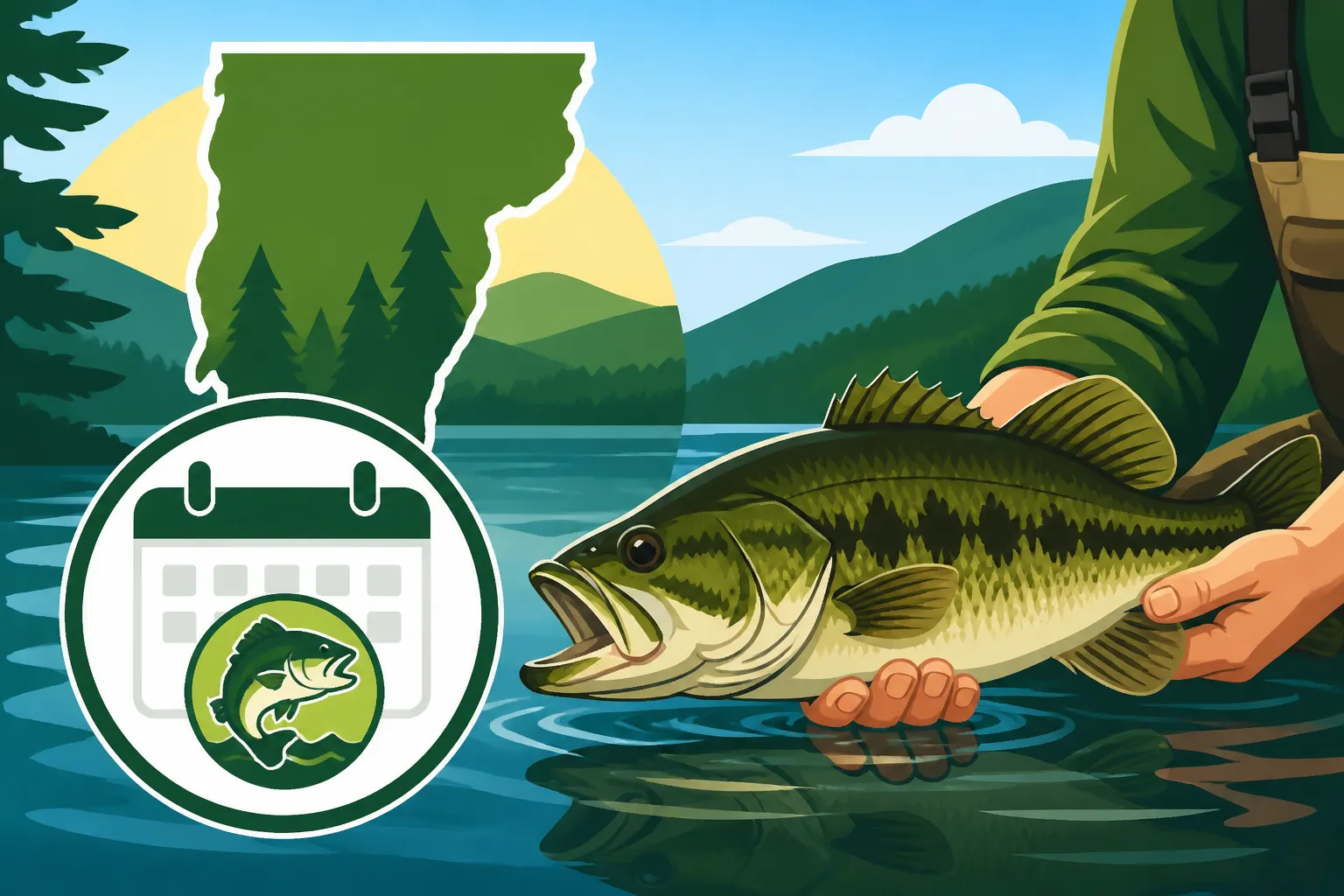
- Support the Fish Horizontally: Never hold a bass vertically by the jaw alone, especially larger fish. This puts immense strain on their jaw, spine, and internal organs. Always support the fish horizontally with one hand under the jaw (a lip grip is fine for this, but support the belly) and the other hand under the belly, distributing its weight.
- Minimize Air Exposure: Keep the fish in the water as much as possible. A quick photo is fine, but don't keep them out of their element for extended periods. Their gills are designed to function in water, and air exposure can cause significant physiological stress.
- Quick and Gentle Release: Once unhooked, gently place the fish back into the water, headfirst, supporting it until it swims away under its own power. If it seems disoriented, gently hold it upright, moving it forward slightly to force water over its gills until it regains strength.
- Barbless Hooks (Optional but Recommended): While not always mandated, crimping down the barbs on your hooks or using barbless hooks makes unhooking much easier and less damaging to the fish. Many artificial lures can be purchased or modified to have barbless hooks.
For anglers keen on ethical practices, having the right tools on hand can make all the difference. Things like specialized de-hooking tools or long-nose pliers are readily available on platforms like Amazon and can be invaluable for safely removing hooks, especially when a fish takes the bait a bit deeper than you'd like.
Gear Considerations for Catch-and-Release
Your choice of gear can also play a significant role in successful catch-and-release fishing.
- Lure Choice: During the catch-and-release season, remember the "artificial lures and flies only" rule. Opt for lures that tend to hook fish in the lip or jaw, like crankbaits, spinnerbaits, or soft plastics rigged weedless. If using treble hooks, consider replacing them with single hooks where possible, or at least crimping down the barbs as mentioned.
- Line Strength: Use a line that's strong enough to quickly land the fish without an unnecessarily prolonged fight. A longer fight exhausts the fish, increasing its stress and decreasing its chances of survival after release. A good quality monofilament or fluorocarbon line with appropriate pound test for the bass you're targeting is ideal. For specific recommendations, check out a guide like Best Tackle for Vermont Smallmouth Bass.
- Landing Nets: A landing net is an excellent tool for safely securing a bass, especially larger ones, and minimizing handling time. Look for nets with knotless, rubberized mesh. This type of mesh is much gentler on a fish's fins and slime coat than knotted nylon nets, which can strip away protective slime or even damage fins. A decent rubberized net is another essential piece of equipment you can find on Amazon.
By thoughtfully selecting your gear and practicing good handling techniques, you're not just following regulations; you're becoming a responsible steward of Vermont's incredible bass fishery.
Where to Find Official Vermont Fishing Regulations (and the 2026 Update)
While this guide provides the anticipated 2026 bass catch-and-release dates, it's absolutely crucial to remember that official regulations are subject to change, however rare. The definitive source of information is always the Vermont Fish & Wildlife Department.
Navigating the Vermont Fish & Wildlife Department Resources
The Vermont Fish & Wildlife Department is your go-to authority for all fishing regulations in the state.
- Official Website: Head directly to the vtfishandwildlife.com website. Here, you'll find a wealth of information, including the annual Vermont Fishing Guide.
- Annual Fishing Guide: Each year, the department publishes a comprehensive fishing guide that details all regulations, season dates, bag limits, and special rules for specific waters. The guide for the upcoming year is usually released in late fall or early winter of the preceding year. For 2026, expect the guide to be available around November or December 2025. This guide is indispensable, and we highly recommend reading it thoroughly every year, or at least reviewing the sections relevant to your target species and waters. For help navigating this document, consider our guide on Reading the Vermont Fishing Regulations Guide.
- Digital vs. Printed: You can usually find the guide as a downloadable PDF on their website, or pick up a physical copy at license vendors, Fish & Wildlife offices, or many local tackle shops once it's released. Whether you prefer a digital copy on your phone or a printed one in your tackle box, make sure you have access to the most current information.
Local Resources and Staying Informed
Beyond the official website, there are other fantastic ways to stay informed and get real-time advice.
- Local Tackle Shops: Vermont's local tackle shops are treasure troves of information. Shops like The Fly Rod Shop in Stowe or Malletts Bay Tackle in Colchester aren't just places to buy gear; their staff are often local experts who live and breathe fishing. They'll know about recent stocking efforts, current bite patterns, and any immediate changes or nuances in local regulations. Don't hesitate to pop in and ask for advice. They often have the latest printed regulation guides too!
- Fish & Wildlife Social Media/Newsletters: Many state agencies maintain an active presence on social media platforms or offer email newsletters. Subscribing to these can keep you updated on critical announcements, regulation changes, and even local fishing reports.
- Online Forums and Groups: There are numerous online fishing communities dedicated to Vermont. While not official sources, they can be great places to hear about local conditions and discuss regulations with fellow anglers. Just remember to always cross-reference any critical information with the official Fish & Wildlife Department sources.
- Internal Links: For more in-depth information about bass and where to find them, explore resources like Best Bass Fishing Lakes in Vermont or learn various tactics in How to Catch Largemouth Bass in Vermont.
By utilizing these resources, you can ensure you're always fishing legally and responsibly, contributing to the health and vitality of Vermont's incredible bass fisheries for everyone to enjoy.
Disclaimer
Please note that fishing regulations are subject to change. While this guide provides information based on current patterns and anticipated 2026 dates, the official Vermont Fish & Wildlife Department website and their annual fishing guide are the definitive sources for all regulations. Always consult the most recent official guide before heading out to fish.