Vermont youth fishing license age cutoff
It can feel a little confusing trying to figure out all the different rules when you're just trying to enjoy a peaceful day out on the water, especially when it comes to getting the kids involved. One common question that pops up for families heading out to cast a line in the Green Mountain State is about when the youngsters need their own fishing license. This guide is here to clear up that exact point, detailing the Vermont youth fishing license age cutoff so you know exactly what to expect.
What is the Age Cutoff for a Vermont Youth Fishing License?
Navigating fishing regulations can sometimes feel like trying to untangle a particularly stubborn knot in your fishing line. But when it comes to youth fishing licenses in Vermont, the rules are actually quite straightforward, designed to encourage young people to get into the sport without too many hurdles. The age cutoff isn't a single, hard line in the sand, but rather a progression that starts with complete freedom and gently introduces the concept of licensing. Understanding this progression is key to ensuring your family's fishing trips are always compliant and enjoyable.
The "Totally Free" Years: Under 15
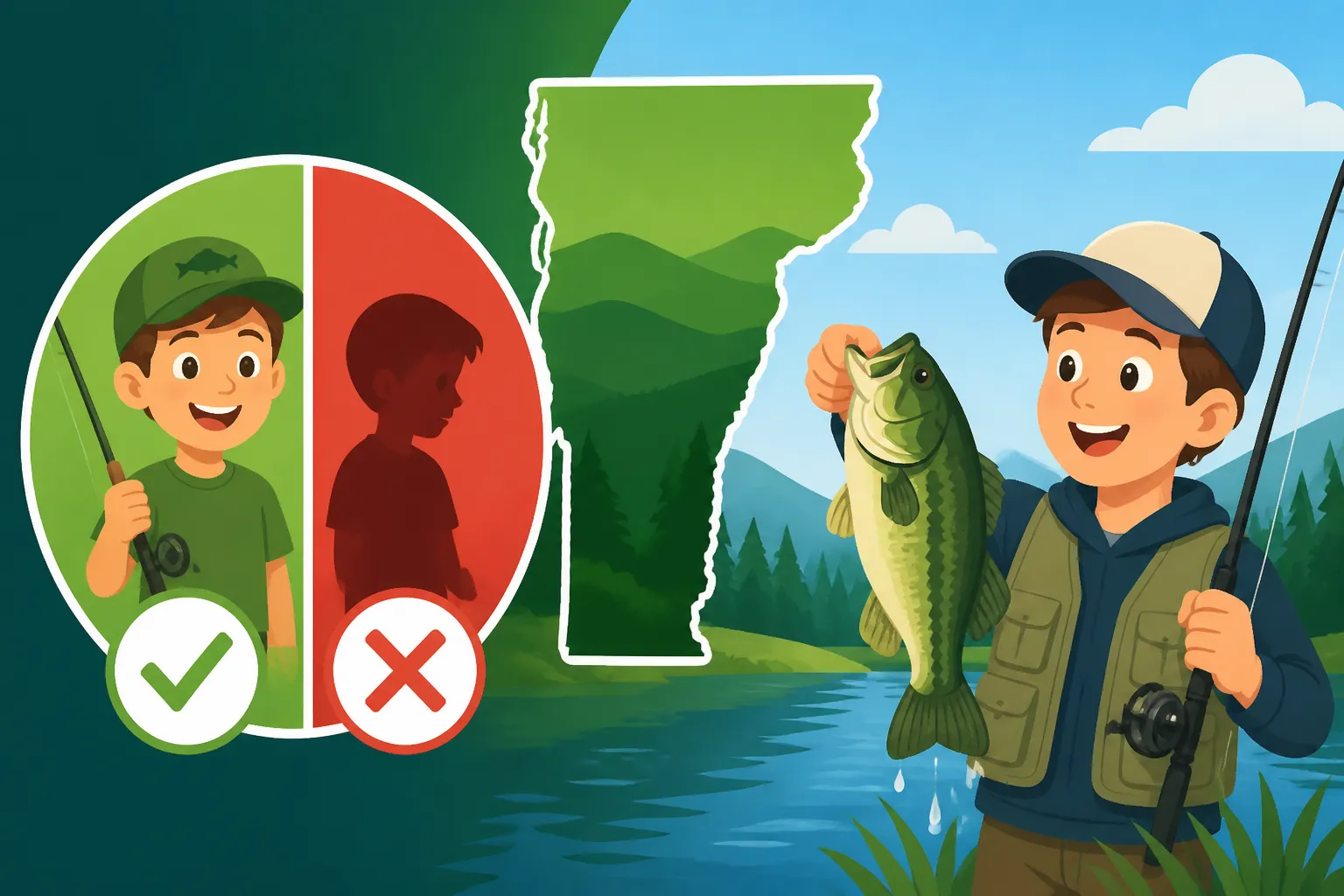
Here's the good news that makes getting kids started in fishing so wonderfully simple in Vermont: if your child is under the age of 15, they absolutely do not need a fishing license. That's right, zero paperwork, zero cost, just pure fishing fun! This generous approach by the Vermont Fish & Wildlife Department is a fantastic way to introduce the joys of angling to the youngest generation. It removes any financial or administrative barriers for parents or guardians, letting them focus entirely on teaching their kids how to cast, bait a hook, and hopefully, reel in their first fish.
Imagine you're planning a weekend trip to Lake Dunmore or a quiet afternoon by the Otter Creek, and you've got a curious 10-year-old who wants to come along. You can simply pack their little fishing rod – maybe one you found on Amazon that's perfect for small hands – and head out. There's no need to stop by a town clerk's office or hop online to process a license for them. This flexibility is a huge benefit, especially for spontaneous outings or when you're just testing the waters to see if fishing is something your child will even enjoy. It truly emphasizes participation over bureaucracy for the youngest anglers, letting them experience the magic of fishing freely.
When a Youth License Becomes Necessary: Ages 15 to 17
While the early years are free and easy, there does come a point when a fishing license becomes a requirement for young anglers in Vermont. Once a youth turns 15 years old, they are officially required to possess a youth fishing license to fish in Vermont's public waters. This requirement continues until they turn 18, at which point they would need to purchase an adult resident or non-resident fishing license. This age range, from 15 through 17, is what we're specifically talking about when we discuss the Vermont youth fishing license.
This transition from free fishing to needing a license at age 15 marks an important step in an angler's journey. It acknowledges that by this age, many young people have developed a genuine interest in fishing and are often more independent in their pursuit of the sport. The cost of a Vermont youth fishing license for ages 15 to 17 is typically quite reasonable, far less than an adult license, and it ensures that these developing anglers are contributing to the conservation efforts that keep Vermont's fisheries healthy and vibrant for everyone. It's a small investment that helps maintain the very resources they are enjoying, fostering a sense of responsibility alongside their passion for fishing.
Understanding Vermont's Age-Based Fishing Regulations
Vermont's approach to youth fishing licenses isn't arbitrary; it's rooted in a thoughtful philosophy aimed at balancing accessibility with sustainable resource management. The state genuinely wants to foster a love for the outdoors in its young residents and visitors, recognizing that today's youth are tomorrow's conservationists. At the same time, as anglers mature and become more active participants in the sport, their contributions through licensing become essential for funding vital programs.
Encouraging Young Anglers: The Foundation of Free Fishing
The decision to allow children under 15 to fish for free is a cornerstone of Vermont's strategy to cultivate a new generation of anglers. It’s a recognition that early exposure, free from financial burdens, is crucial for sparking interest. Think about it: parents already invest in rods, reels, bait, and maybe even a cool tackle box they found online. Adding a license fee for a tiny tot who might only cast a few times before getting distracted by a skipping stone could be a deterrent. By removing this barrier, Vermont actively invites families to bring their youngest members along for the experience.
This policy isn't just about saving a few dollars; it's about making fishing feel welcoming and natural from the very start. It allows parents and guardians to focus on teaching fundamental skills, like how to properly hold a fish or the importance of catch and release only trout streams. It’s about creating those foundational memories of crisp mornings, patient waiting, and the sheer excitement of a tug on the line. These early, positive experiences are far more valuable than any small license fee, laying the groundwork for a lifelong passion for fishing and an appreciation for Vermont's natural beauty.
The Transition to a Paid License: Supporting Conservation
Once a young angler reaches 15, the landscape shifts slightly, introducing the requirement for a youth license. This transition isn't meant to be punitive but rather a gentle induction into the responsibilities of being an active participant in conservation. By this age, many teenagers are fishing more regularly, perhaps even planning their own outings or joining friends. Their impact on the fishery, while still less than an adult's, becomes more significant.
The revenue generated from these youth licenses, along with adult licenses and other fees, directly supports the Vermont Fish & Wildlife Department's critical work. This includes everything from fish stocking programs in popular lakes and rivers, like the yearly Vermont Trout Season and Stocking Rules, to habitat restoration, enforcement of regulations, and even educational initiatives. When a 15-year-old purchases their license, they become a tangible part of this larger effort, understanding that their participation helps ensure healthy fish populations and accessible fishing opportunities for future generations. It’s a subtle but powerful way to teach the value of stewardship and community support for cherished natural resources.
Practicalities of Youth Fishing Licenses
So, you've got a teenager who's ready to take the plunge and get their own license. Or maybe you're just planning ahead for when your younger angler reaches that 15-year-old milestone. Either way, understanding the practical steps involved in obtaining and utilizing a youth fishing license in Vermont is essential. It's not just about the age cutoff, but also knowing the "how-to" and "what-it-means" for a smooth and enjoyable experience.
How to Obtain a Vermont Youth Fishing License
Getting a youth fishing license in Vermont is a fairly straightforward process, designed to be as accessible as possible. Your teenager won't need to jump through hoops or take a lengthy boater education course, which is often required for adult powerboat operators. There are a few convenient ways to secure this essential piece of paper, ensuring that whether you're a local or visiting, you can get it done without too much hassle.
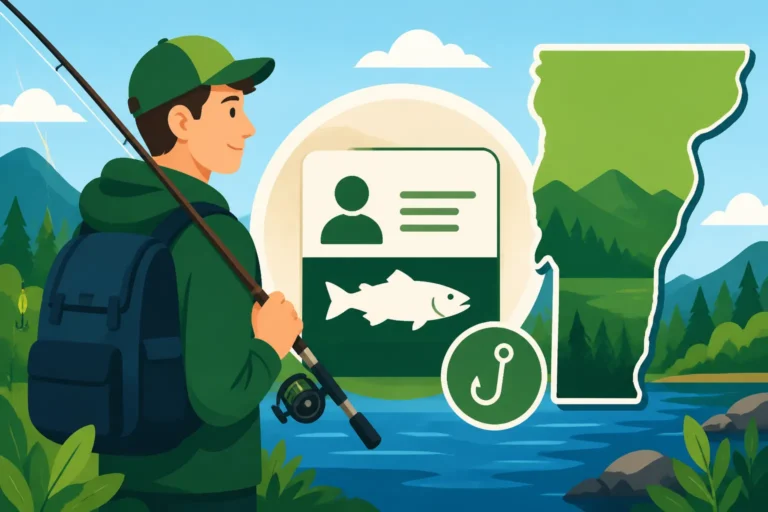
The most popular and often easiest method is to purchase the license online through the Vermont Fish & Wildlife Department's official website. This allows you to complete the transaction from the comfort of your home, print a temporary license immediately, and receive the official one in the mail. For those who prefer a more personal touch or need a license on the fly, numerous authorized license agents are spread throughout the state. These often include local sporting goods stores, bait shops, and even some town clerk offices. You can easily find a vendor near you by checking the Fish & Wildlife Department's website. Just remember, your youth will need to provide basic identification information. You can read more about how to buy a fishing license online in Vermont if you need a step-by-step guide.
What a Youth License Covers
Once your 15- to 17-year-old has their Vermont youth fishing license, they are good to go! This license grants them the same general fishing privileges as an adult resident or non-resident license holder, within the established statewide regulations. This means they can legally fish for all species, from trout in mountain streams to bass in Lake Champlain, and panfish in smaller ponds. They are subject to the same daily bag and possession limits as adults, which vary by species and water body. For example, understanding Vermont Trout Limit and Possession Rules is just as important for a licensed youth as it is for an adult.
It’s crucial to remember that while the youth license grants privileges, it also comes with responsibilities. All state fishing regulations still apply. This includes understanding Vermont Fishing Regulations Explained, respecting fishing season dates and closures, and adhering to minimum length limits for certain species like bass or pike. A youth license doesn't exempt them from any of these rules, nor does it allow them to fish in "special regulation waters" that might require different permits or have unique rules, unless those rules specifically state otherwise. Think of it as their official entry ticket into the world of responsible angling in Vermont.
Common Scenarios and FAQs
Understanding the core age cutoffs is a great start, but the real world of fishing often throws up unique situations. What if an adult is bringing along a whole group of kids, some licensed and some not? What about visitors from out of state? And are there any special times when the rules change for everyone? Let's dive into some frequently asked questions and common scenarios to make sure you're prepared for whatever Vermont's waters (and your young anglers) might bring.
Fishing with Unlicensed Adults or Mentors
This is a common question, especially for families or groups where not everyone holds a license. The straightforward answer is that if an adult angler possesses a valid Vermont fishing license, they are legally allowed to supervise and assist children under 15 who do not require a license. This means you can absolutely take your young child, under 15, on your fishing trip, and they can fish alongside you without their own license, as long as you have yours. The same applies if your 15-17 year old has their youth license, they can fish with you.
However, there's a vital distinction: an unlicensed adult cannot participate in fishing activities themselves. If you, as an adult, do not have a license, you cannot fish, even if you are "just helping" a child. You can bait hooks, untangle lines, and cheer them on, but you can't cast, reel in, or otherwise engage in the act of fishing without your own valid license. There are special exceptions during Vermont Free Fishing Weekend Dates, when residents and non-residents can fish without a license for a specific period, making it an excellent opportunity for un-licensed adults to try out fishing with their kids. These weekends are a fantastic way to introduce the sport to the whole family without any license worries for anyone.
Non-Resident Youth and Vermont Rules
The age cutoffs we've discussed apply equally to both Vermont residents and non-residents. So, if you're visiting from out of state and your child is under 15, they are also free to fish without a license. This is a huge benefit for families planning vacations to Vermont, whether they're coming to enjoy the Best Fishing Lakes in Vermont or explore the charm of a smaller pond.
For non-resident youth aged 15 to 17, they will need to purchase a non-resident youth fishing license. While the cost might be slightly different than a resident youth license, the requirement is the same. It’s always a good idea to check the most current regulations on the Vermont Fish & Wildlife Department website before your trip, just to confirm any potential changes. This ensures that your out-of-state visit is filled with memorable catches, not unexpected regulatory headaches. You can find information on specific non-resident options like the Vermont 1-Day Nonresident Fishing License Cost or the Vermont 3-Day and 7-Day Nonresident Fishing Permits if an adult needs a short-term license to accompany them.
Special Opportunities for Youth Anglers
Vermont offers some wonderful programs specifically designed to get youth excited about fishing and make it even more accessible. Beyond the general free fishing for under-15s, keep an eye out for special events. For instance, the state often hosts a Vermont's Labor Day Mentored Fishing Weekend. During these events, unlicensed participants (including adults and youth) can fish for free when accompanied by a licensed angler, offering a fantastic, low-pressure way to learn the ropes.
Many local clubs and organizations, sometimes in partnership with the Vermont Fish & Wildlife Department, also host youth fishing derbies or clinics at stocked ponds. These events often provide loaner gear and expert instruction, making them perfect for beginners. For older youth interested in really honing their skills, a good quality spinning rod and reel combo, perhaps one reviewed favorably on Amazon, along with a well-stocked Best Tackle Box Setup for Vermont Anglers, can be a game-changer. These opportunities are all about fostering that early connection to the sport and ensuring that Vermont's fishing heritage continues to thrive through its youngest participants.
Here’s a quick summary table to keep things clear:
| Age Range | License Requirement | Who Needs to Purchase? | Cost Implications | Key Takeaway |
|---|---|---|---|---|
| Under 15 | NO License Required | N/A | Absolutely Free | Fish freely, no paperwork needed. |
| 15, 16, & 17 | Youth Fishing License | The youth themselves | Modest, state-specific fee | A small investment for conservation. |
| 18 and Older | Adult Fishing License | The individual adult | Full resident/non-resident fee | Full participation in funding fisheries. |
Remember, while the youth license simplifies things, it's always the responsibility of the angler (or their supervising adult) to know and follow all applicable regulations, from general rules to specific limits on certain water bodies. Carrying a copy of the Vermont Fishing Regulations Explained is always a good idea.
Disclaimer
Please note that fishing regulations, license costs, and age requirements are subject to change. While every effort has been made to provide accurate and up-to-date information, it is always recommended to consult the official Vermont Fish & Wildlife Department website or their printed regulations guide for the most current and authoritative details before planning your fishing trip.