When walleye spawn on Lake Champlain
It’s a question that many dedicated anglers ponder each year: when exactly do those elusive walleye on Lake Champlain decide it's time to gather and reproduce? For many, timing is everything, not just for the thrill of the catch, but also out of respect for the fish and the sustainability of this incredible fishery. Knowing the walleye spawning window on Lake Champlain is more than just trivia; it's crucial for understanding their behavior, planning your fishing trips, and ensuring you're following local regulations. This guide will dive deep into the environmental cues, preferred habitats, and behavioral shifts that mark the walleye spawning season on Lake Champlain, helping you become a more informed and successful angler.
Understanding the Walleye Spawning Season on Lake Champlain
The annual walleye spawn is a fascinating natural event driven by a combination of biological imperatives and environmental cues. For the robust walleye populations in Lake Champlain, this period is critical for the continuation of the species, and it directly influences their catchability and behavior. It's not a single day on the calendar, but rather a dynamic window that shifts slightly with the whims of Mother Nature each spring.
The Typical Window: When Walleye Get Down to Business
Generally speaking, walleye in Lake Champlain begin their spawning activities as the ice recedes and water temperatures start to climb from their frigid winter lows. You're typically looking at a window that opens in early to mid-April and can extend through early May. This period isn't uniform across the entire lake; Lake Champlain is a vast body of water, and different areas will warm up at slightly different rates, causing a staggered spawn. Shallow bays and river mouths, for instance, might see activity earlier than deeper, more open lake areas.
The key thing to remember is that "typical" is a flexible term. A late, cold spring could push the whole event back a week or even two, while an unusually warm early spring might kick things off ahead of schedule. Anglers who keep a close eye on water temperatures and local conditions, rather than just the calendar, are often the most successful in predicting these shifts.
Key Environmental Triggers for Walleye Spawning
Walleye are highly attuned to their environment, and several factors act as crucial triggers for their spawning migration and activity. It's a complex dance of light, temperature, and current that tells them when the time is right.
First and foremost is water temperature. Walleye typically look for water temperatures to consistently reach the 40-50°F (4-10°C) range before they seriously begin spawning. Anything below 40°F, and they're usually still in their pre-spawn staging areas, focused on feeding. Once it creeps above 50°F, the bulk of the intense spawning activity has usually passed, and they move into post-spawn recovery. Walleye Spawning Season in Vermont outlines these temperature ranges in more detail.
Another significant trigger is photoperiod, or the length of daylight. As spring days grow longer, this change signals to the fish's internal clock that it's time to prepare for reproduction. While temperature often gets the most attention, the increasing daylight hours play an undeniable role in initiating the physiological changes that lead to spawning. Lastly, current or river flow is critical for those walleye populations that migrate into tributaries to spawn. Increased flow from spring runoff can attract them upstream, providing the oxygenated, gravelly bottoms they prefer for egg-laying.
The Role of Lake Champlain's Unique Ecosystem
Lake Champlain is an incredibly diverse fishery, stretching over 120 miles and boasting varying depths, structures, and tributary systems. This vastness means that the walleye spawn isn't a single, synchronized event across the entire lake.
For example, walleye populations that utilize the large northern tributaries flowing into the lake, or the southern end where the lake narrows and becomes more riverine, might commence spawning activities earlier than those in the central, deeper basins. These tributary-spawning fish are often driven by river flow and the relatively quicker warming of shallower river waters. Meanwhile, walleye that spawn directly in the main lake might gravitate towards specific rocky shoals or reefs in shallower lake sections that warm up, but perhaps a little later than the river mouths. Understanding these micro-climates within Lake Champlain is key. Anglers often report different peak spawning times from the southern end near Whitehall to the broad, open waters around Burlington or the northern reaches near Swanton.
Where Walleye Head to Spawn in Lake Champlain
When the internal clock tells them it's time, walleye don't just spawn anywhere. They have very specific preferences for their spawning grounds, seeking out areas that offer the best conditions for their eggs to develop successfully. Knowing these spots can give you a significant advantage if you're looking to target them around the spawn, while also respecting their vulnerable period.
Preferred Spawning Habitats: Rocky Shoals and Tributary Rivers
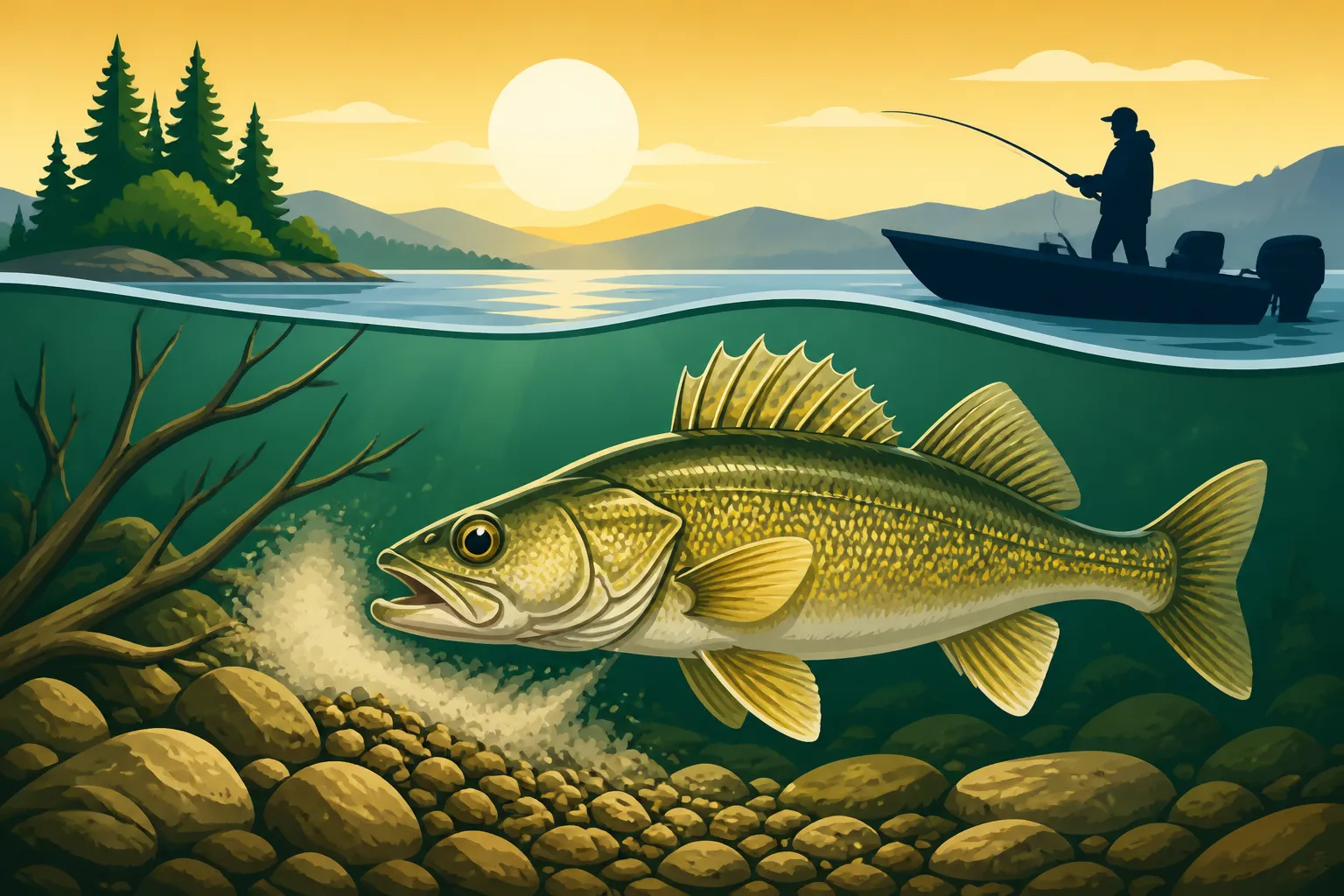
Walleye are broadcast spawners, meaning they release their eggs and milt over suitable substrate, with no parental care afterward. Because of this, the choice of habitat is paramount. They overwhelmingly prefer rocky or gravelly bottoms, often in areas with some current or wave action. This current helps to oxygenate the eggs and prevent silt from settling on them, which can suffocate the developing embryos.
On Lake Champlain, this translates to several key habitat types. Many walleye will migrate into its numerous tributary rivers, such as the Lamoille, Missisquoi, Winooski, and Otter Creek, seeking out rapids, riffles, and gravelly stretches in the lower sections of these rivers. The current in these rivers is ideal for egg survival. Other walleye populations will remain in the main lake but move into shallow, windswept rocky shoals, reefs, or even rip-rap along causeways and shorelines. These areas, particularly those with a clean, hard bottom composed of small rocks, pebbles, and gravel, provide the perfect anchor for their adhesive eggs. You might find a good selection of specialized crankbaits for these areas on Amazon, designed to mimic baitfish trying to hide in the rocks.
The Migration Journey: From Deep Water to Spawning Grounds
Leading up to the spawn, walleye undertake a significant migration. During the winter, they often reside in deeper, more stable waters where temperatures are consistent. As spring approaches and the water warms, these fish begin to move from their wintering holes towards shallower staging areas. This journey is driven by the environmental triggers we discussed earlier – increasing daylight and rising water temperatures.
They'll stage in areas adjacent to their chosen spawning grounds, often slightly deeper breaks or channel edges, feeding heavily to build up energy reserves for the strenuous spawning process. This pre-spawn period, when they are actively migrating and feeding, can be one of the most productive times for anglers. Once the water temperature hits that sweet spot (around 40-45°F), they make their final push onto the actual spawning grounds. After spawning, they gradually disperse back to deeper, cooler waters to recover. To get a better handle on where they might be staging, check out Where to Find Walleye on Lake Champlain.
Key Spawning Areas on Lake Champlain and Its Inflows
While it's tricky to give exact spots that remain consistent year after year, we can highlight the types of areas that reliably draw spawning walleye on Lake Champlain.
- River Mouths and Lower Tributaries: The mouths of rivers like the Lamoille, Winooski, Missisquoi, and Otter Creek are major magnets for spawning walleye. The areas just upstream from where these rivers meet the lake, particularly stretches with gravel and current, are prime habitat.
- Rocky Points and Shoals: Many areas of the main lake with prominent rocky points, submerged humps, and shallow rocky reefs become spawning grounds. Think of any area with a hard, clean bottom in 5-15 feet of water that's exposed to some wave action.
- Causeways and Man-Made Structures: The rocky rip-rap along causeways (like the Colchester Causeway or the Rouses Point Bridge approach) can also attract spawning walleye, offering similar bottom characteristics and current.
Anglers should spend time studying bathymetric maps to identify these types of structures – hard-bottomed areas near deeper water access – which are often key. Remember, while the general areas remain consistent, specific hot spots might shift slightly from year to year depending on water levels and temperatures.
Walleye Behavior During the Spawn: What Anglers Need to Know
Understanding how walleye behave during the different phases of their reproductive cycle is crucial for both angling success and ethical fishing. Their priorities shift dramatically, moving from feeding machines to single-minded procreators, and then to a recovery phase.
Pre-Spawn Aggression: A Prime Fishing Opportunity
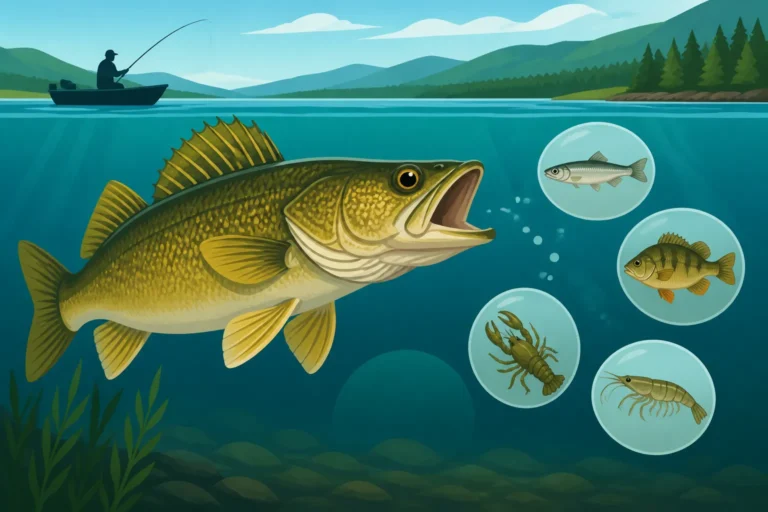
Before the actual spawning event kicks off, walleye enter a "pre-spawn" phase where they are incredibly active and aggressive. As they migrate from deeper wintering areas to shallower staging grounds, they feed voraciously. This is their last chance to build up significant energy reserves for the demanding act of spawning. They'll gorge on baitfish, crayfish, and anything else they can get their mouths around.
During this period, which usually happens when water temperatures are still in the mid-30s to low-40s Fahrenheit, walleye are often concentrated and relatively easy to locate. They're looking for protein-rich meals and will readily strike at a variety of lures, making it an incredibly productive time for anglers. Trolling with crankbaits or casting jigs and swimbaits in transition areas near spawning grounds can be highly effective. For more on specific techniques, check out How to Catch Walleye on Lake Champlain.
The Act of Spawning: Not a Feeding Frenzy
Once water temperatures consistently hit that 40-50°F range, the actual spawning begins. Male walleye typically arrive on the spawning grounds first, waiting for the females. When the females arrive, they release their eggs, and the males release their milt simultaneously, fertilizing the eggs. This process usually occurs at night.
During the actual act of spawning, walleye are generally not interested in feeding. Their biological drive to reproduce overrides their hunger instincts. While you might still occasionally snag one by accident, actively targeting them during their peak spawning activity is often difficult and, from an ethical standpoint, generally discouraged. These fish are at their most vulnerable, and disturbing them can impact reproductive success. It's a time to respect the cycle and perhaps scout for post-spawn locations rather than actively fish the spawning beds.
Post-Spawn Recovery and Dispersal
After the arduous process of spawning, walleye are exhausted and depleted of energy. They will quickly move off the immediate spawning grounds, often retreating to slightly deeper water nearby to recover. This "post-spawn" phase sees them resting and slowly beginning to feed again to regain their strength.
Initially, their feeding might be sporadic and less aggressive than the pre-spawn. They'll often seek out easy meals. As water temperatures continue to rise into the mid-50s and 60s Fahrenheit, their metabolism picks up, and their feeding activity will increase significantly. They'll start to disperse from the spawning areas and move towards their summer feeding grounds, which could be anything from deep structure to weed lines. This dispersal often signals the start of excellent summer walleye fishing as they transition back into their more typical predatory patterns. Understanding this recovery period helps you adjust your tactics. Perhaps slowing down your retrieve or focusing on presentation can be key.
Angling Considerations and Regulations During the Spawn
Fishing during or immediately around the walleye spawn requires a thoughtful approach. Not only do you want to maximize your chances of success, but you also have a responsibility to the fishery to ensure future generations of walleye thrive.
Respecting the Resource: Ethical Angling Practices
The most important consideration during the walleye spawn is respecting the resource. While some pre-spawn fishing can be excellent, actively targeting fish when they are concentrated and vulnerable on their spawning beds can be detrimental to the population. If you find yourself in an area clearly full of actively spawning fish, consider moving to another spot.
Practicing catch and release with care is paramount, especially if you accidentally hook a fish that is ready to spawn. Handle fish gently, minimize their time out of the water, and ensure a strong release. Using single, barbless hooks can also help reduce harm.
Navigating Fishing Regulations During Spawning Periods
Vermont's fishing regulations are designed to protect fish populations, especially during critical times like spawning. It is absolutely essential to check the most current regulations for Lake Champlain before you head out. These regulations can include:
- Closed Seasons: Specific areas or entire water bodies might be closed to walleye fishing during the peak spawning period.
- Gear Restrictions: Certain types of gear might be prohibited.
- Slot Limits and Bag Limits: These regulations control the size and number of fish you can keep, often aiming to protect the larger, most productive spawning fish.
The Vermont Fish & Wildlife Department's official regulations are your go-to source. They are updated annually, so always get the latest copy or check their website. Ignoring these rules can lead to significant penalties, but more importantly, it can harm the walleye population you love to fish for. Familiarize yourself with Vermont Fishing Regulations Explained and specifically Vermont Walleye limit on Lake Champlain to stay compliant.
Gear and Techniques for Pre and Post-Spawn Walleye
While actively spawning walleye are often uninterested in feeding, the periods immediately before and after the spawn can offer some fantastic fishing. Adjusting your gear and techniques to match their behavior is key.
Pre-Spawn:
- Location: Look for walleye staging in deeper channels, adjacent to spawning grounds, or along migration routes. Think of main lake points, breaks, and river channel edges.
- Techniques: Trolling with deep-diving crankbaits is highly effective as walleye move and feed. Jigging with heavier jigs tipped with soft plastics or live bait (like minnows) can also work well, especially on structure. Vertical jigging spoons can also entice a strike from aggressive pre-spawn fish.
- Lures: Darker colors or natural baitfish patterns often excel in cold, clear water. Consider Rapala or Berkley crankbaits you might find on Amazon.
Post-Spawn:
- Location: Walleye will disperse from spawning beds, often heading to slightly deeper recovery areas, points, or early weed growth.
- Techniques: As they recover, a slower presentation can be more effective. Drift fishing with live bait (worms, leeches, minnows) or slowly dragging jigs are good options. Trolling still works, but they might be higher in the water column or closer to structure.
- Lures: Smaller crankbaits, swimbaits, or even spinner rigs can be effective as their feeding intensity increases. Lures with a subtle action can be key. For specific lure ideas, read Best Lures for Walleye Trolling on Lake Champlain. Remember to check Vermont Fishing Season Dates and Closures to ensure you're fishing within legal limits.
| Spawning Phase | Typical Water Temperature | Walleye Behavior | Angling Approach |
|---|---|---|---|
| Pre-Spawn | 35-45°F (1.5-7°C) | Migrating, aggressively feeding to build energy | Target staging areas, deeper breaks, river channels. Use crankbaits, jigs, minnows. |
| Peak Spawn | 45-50°F (7-10°C) | Focused solely on reproduction, minimal feeding | Avoid active targeting on spawning beds. Focus on other species or areas. |
| Post-Spawn | 50-60°F (10-15.5°C) | Recovering, gradually resuming feeding | Target recovery areas, adjacent deeper water, early weed lines. Use live bait, slow jigs, smaller cranks. |
Knowing when walleye spawn on Lake Champlain empowers you to make smarter decisions on the water, leading to more enjoyable fishing and a healthier fishery for everyone. Happy fishing!
Disclaimer
This article is for general informational purposes only and does not constitute professional advice. Laws, prices and regulations vary by location and change over time. Consult a qualified professional for guidance on your specific situation.