When smallmouth bass spawn in Vermont
One of the most exciting times for any angler targeting smallmouth bass in Vermont is, without a doubt, the spawning season. There's a lot of anticipation around it, but also a fair bit of confusion about when exactly it happens and how it impacts fishing. Many of us have felt that frustration of hitting the water only to find the bass acting completely different than expected, or wondering if we're even allowed to target them. This guide is going to clear up all those mysteries, diving deep into when smallmouth bass typically spawn in Vermont, what conditions trigger it, and how you can ethically and successfully navigate this crucial time of year.
Understanding the Smallmouth Bass Spawning Cycle in Vermont
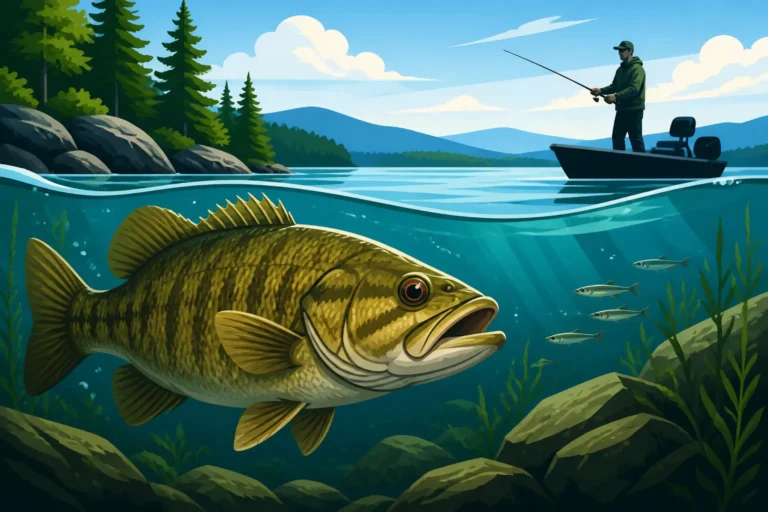
Smallmouth bass are incredible creatures, and their annual spawning ritual is a fascinating process driven primarily by water temperature and the rhythms of spring turning into summer. If you've ever wondered why your favorite fishing spot suddenly seems empty, or why the bass are hugging the shallow rocks, chances are the spawn is either approaching, in full swing, or has just wrapped up.
When Does Spawning Typically Begin?
For smallmouth bass in Vermont, the spawning season isn't a hard-and-fast date on the calendar, but rather a flexible window dictated almost entirely by water temperature. Generally speaking, you can expect smallmouth to start their reproductive activities when water temperatures consistently reach the mid-50s to low 60s Fahrenheit. This usually means late May through early to mid-June across much of the state. Think about when the last of the ice has been gone for a while, the trees are fully green, and you're finally shedding those extra layers – that's often when the bass are getting serious about making little bass.
However, it's never quite that simple, is it? Vermont's weather can be notoriously unpredictable. A warm, early spring might push the spawn forward, with some bass starting their rituals by mid-May in shallower, sun-exposed areas. Conversely, a prolonged cold snap, or a late spring with persistent cool rains, can delay the entire process by a week or two, pushing peak spawning into late June. This variability is why relying solely on a calendar date can lead to disappointment; smart anglers pay close attention to water thermometers and local conditions. Different lakes and even different parts of the same lake will warm up at varying rates, leading to a staggered spawn throughout the season.
The Ideal Spawning Conditions: Water Temperature and Habitat
As mentioned, water temperature is the absolute king when it comes to smallmouth spawning. The sweet spot that really gets them going is generally between 58 and 68 degrees Fahrenheit. Within this range, the males especially become incredibly active, driven by an instinct to reproduce. They're looking for stability; consistent temperatures mean a better chance for eggs to develop without being shocked by sudden cold. If the water drops too much during the spawning process, it can severely impact egg survival, which is why those late-spring cold fronts can be so devastating to a year's hatch.
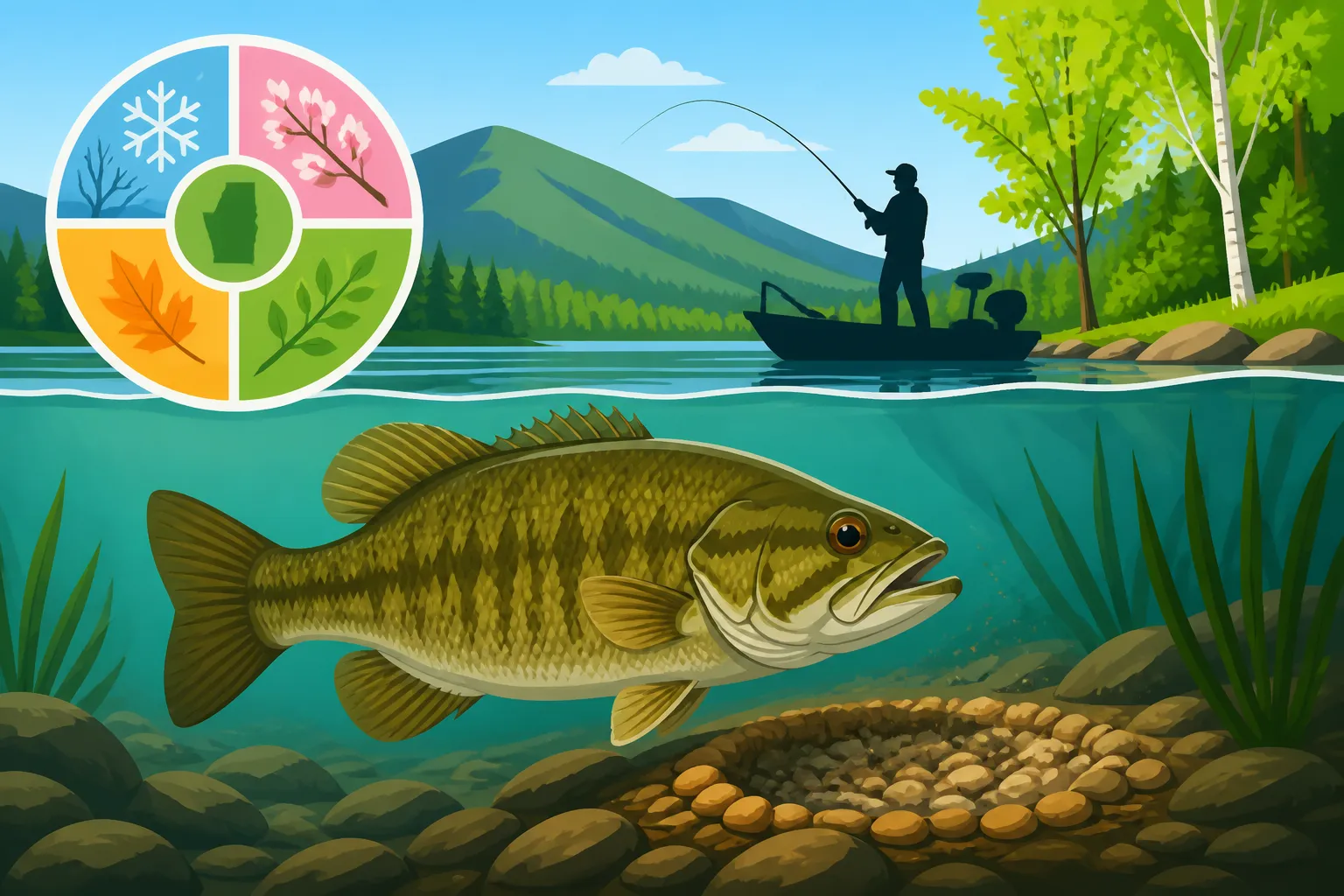
Beyond temperature, the choice of habitat is paramount. Smallmouth bass aren't just going to spawn anywhere. They are quite particular, favoring shallow, hard-bottom areas, typically ranging from 2 to 20 feet deep, depending on water clarity and cover. Look for gravel, small rocks, or sandy patches that offer a firm substrate where the male can fan out a nest. They often choose locations near submerged logs, boulders, or weed beds that provide a bit of shelter from strong currents, wave action, and potential predators. These hidden pockets are their nurseries, providing a safe haven for their future offspring. You can often spot these nests as lighter, clearer circular depressions on the bottom in shallower areas, diligently guarded by a territorial male.
Regional Differences Across Vermont Waters
Vermont offers a diverse range of fishing environments, and it's important to remember that "Vermont" isn't a single homogenous body of water when it comes to fish behavior. The timing of the smallmouth bass spawn can vary significantly from one region or even one lake to another. Take a giant like Lake Champlain, for example. Its sheer size and depth mean it takes longer to warm up in the spring compared to a shallower, smaller pond in, say, southern Vermont. This often translates to a later spawn on Champlain, with bass in its deeper, cooler sections holding off longer than their counterparts in more diminutive, sun-drenched impoundments.
Smaller, shallower lakes and ponds, particularly those with dark, mucky bottoms that absorb more solar radiation, will often see the earliest spawns. These waters heat up faster and maintain those critical temperatures more readily. Conversely, high-elevation mountain lakes, even if small, might have a significantly delayed spawn due to persistently cooler water temperatures throughout the spring. Rivers, too, have their own dynamics. The flow rate and water source can influence temperature, with slower, warmer sections often seeing an earlier spawn than fast-moving, spring-fed stretches. Understanding these subtle regional differences is a huge part of becoming a truly savvy Vermont angler, allowing you to "follow the spawn" as it progresses across the state. For deeper insights into bass behavior, check out Smallmouth Bass Habits on Lake Champlain.
The Spawning Ritual: From Nest Building to Fry Hatching
The smallmouth bass spawning process is a marvel of nature, a delicate dance of instinct and survival that ensures the next generation. It's not just about a few hours; it's a multi-week commitment from the male bass, a true testament to parental devotion in the fish world. Understanding this entire process helps us appreciate why we see certain behaviors on the water at certain times.
Male Bass: Architects and Guardians of the Nest
The unsung hero of the smallmouth bass spawn is undoubtedly the male. Once water temperatures hit that sweet spot, his primary directive shifts from feeding to reproduction. He'll scout out suitable locations in those shallower, hard-bottom areas, often near cover that offers some protection. Using his tail and fins, he'll meticulously fan away silt, debris, and smaller pebbles, creating a clean, circular depression that serves as the nest. These nests, often 1-2 feet in diameter, are kept scrupulously clean to ensure proper oxygen flow to the developing eggs.
After constructing his aquatic nursery, the male's next task is to attract a female. He'll patrol his nest, often displaying vibrant colors and engaging in a "dance" to entice a receptive female to deposit her eggs. This is where the territorial nature of smallmouth really shines. Any other fish, especially rival males or potential egg predators, that dares to venture too close to his carefully prepared nest will be aggressively chased away. His dedication extends beyond just courtship; once the eggs are laid, he becomes the sole guardian, constantly fanning the nest to aerate the eggs and relentlessly warding off predators like minnows, sunfish, or even other bass. This constant vigilance is critical for the survival of the fragile eggs.
Egg Laying and Fertilization
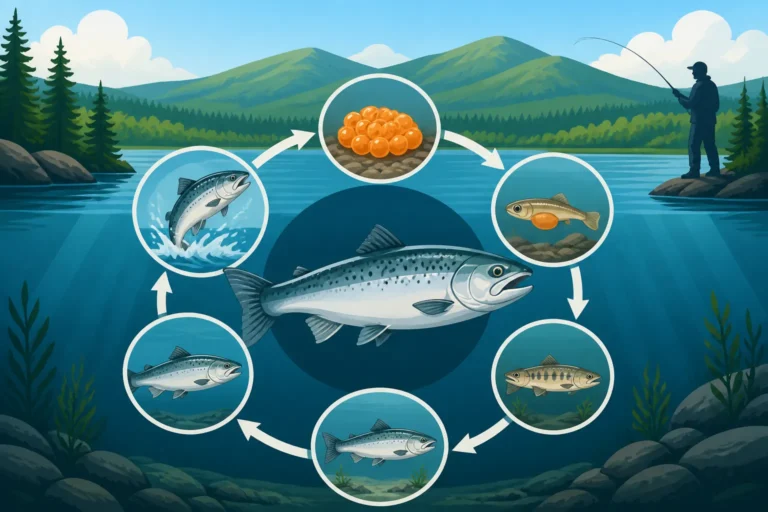
When a female smallmouth bass decides a male and his nest are up to snuff, she will approach and begin the egg-laying process. This can be a surprisingly quick affair. She will deposit her sticky, yellowish eggs directly into the fanned-out nest, often laying thousands at a time. It's not uncommon for a single nest to host eggs from multiple females over a period of days, maximizing the reproductive output of that particular male. As she lays the eggs, the male simultaneously releases milt to fertilize them, a crucial step for development.
After depositing her eggs, the female's role is typically complete. She'll move off to recover, often retreating to slightly deeper water to rest and replenish her energy reserves, which can be significantly depleted by the spawning process. It's important to remember that she's not abandoning the eggs; her biological role is done, and the responsibility of brooding now falls entirely to the male. This division of labor is efficient for the species, allowing the female to prepare for future spawning opportunities if conditions remain favorable.
Hatching and Fry Development
The journey from egg to free-swimming bass is remarkably swift, heavily dependent on the ambient water temperature. In the ideal temperature range (mid-60s), smallmouth bass eggs can hatch in as little as 3 to 7 days. These newly hatched bass, called sac fry, are tiny, transparent, and still carry a yolk sac that provides their initial nourishment. They remain in the nest, largely immobile, benefiting from the male's continued fanning and protection.
Once their yolk sacs are absorbed, the fry become free-swimming. They'll rise from the nest in a dense, dark cloud, often referred to as a "black cloud" of fry. Even at this stage, the dedicated male continues his protective duties, herding the cloud of fry and guarding them from predators for another week or two. He'll keep them close, a living, moving shield, until they are large enough and developed enough to disperse and forage for themselves. It's only then, often 3-4 weeks after the initial egg-laying, that the male bass's parental duties are finally complete, and he too can return to his normal feeding patterns and deeper water haunts. This entire cycle underscores the fragility of the bass population during this critical reproductive period.
Fishing Considerations During the Spawning Season
Understanding the smallmouth bass spawning cycle isn't just for curiosity's sake; it directly impacts how, when, and if we should be fishing for them. Vermont, like many states, has regulations specifically designed to protect bass during this vulnerable time, and as responsible anglers, it's crucial that we adhere to them.
Navigating Catch-and-Release Seasons
Vermont takes the protection of its bass populations during spawning very seriously, and for good reason. Interrupting the spawning process, particularly by removing a nest-guarding male, can severely impact the success of a year's hatch. That's why, in many Vermont waters, you'll encounter a specific "catch-and-release only" season for smallmouth bass (and largemouth, for that matter) during the spring. This period, which often begins on the second Saturday in April and runs until the second Saturday in June, allows anglers to enjoy the thrill of fishing while ensuring the bass can complete their spawning rituals unmolested by harvest pressure. For precise dates and details, always consult the official Vermont Bass Catch-and-Release Dates for 2026 or Vermont Bass Season Opening Date for 2026.
During these catch-and-release windows, the emphasis is heavily on ethical angling practices. It means using appropriate gear, minimizing the fight time, handling fish gently with wet hands, and releasing them as quickly as possible. The goal is to cause minimal stress and allow that fish to return to its duties, whether it's guarding a nest or recovering from spawning. Taking a picture might be tempting, but a quick snap and release is always better than a prolonged photo shoot, especially when the fish is under stress. If you see a male on a nest, consider moving on. While it might be an easy target, disturbing him can doom hundreds or thousands of future bass. This kind of mindful fishing ensures the health of the fishery for years to come.
Targeting Pre-Spawn and Post-Spawn Bass
Even with catch-and-release regulations during the peak spawning window, there are still excellent opportunities to target smallmouth bass ethically around this time. The "pre-spawn" period, usually in April and early May, is often considered one of the best times to catch big, aggressive smallmouth. Before they commit to nest building, bass are in a major feeding frenzy, trying to pack on calories for the arduous spawning process ahead. They'll move up from deeper wintering holes to staging areas adjacent to their future spawning grounds, often along rocky points, humps, and channel edges. This is when they're most susceptible to a variety of lures, eager to chase down a meal.
Conversely, the "post-spawn" period, starting in mid-June once the males have finished their guardian duties and the females have recovered, also offers fantastic fishing. After the rigors of spawning, both males and females are hungry and often aggressive as they look to replenish their energy. They'll still be in relatively shallow water but will start to disperse from immediate spawning areas, moving to nearby cover or slightly deeper feeding grounds. This transition period sees them actively chasing baitfish and crustaceans, providing exciting topwater action or powerful strikes on crankbaits and jigs. Knowing when these phases occur will greatly enhance your success.
Gear and Tactics for Spawning Season Ethical Approach
When you're fishing during the catch-and-release bass season, especially if you suspect bass are actively spawning, your gear and tactics should always prioritize the fish's well-being. Opt for lighter tackle that still has enough backbone to quickly bring a fish to hand, minimizing fight time. A medium-light or medium action spinning rod, paired with a reel spooled with 8-10 pound test fluorocarbon or monofilament, is a great all-around choice. You can find excellent options for such setups, including specific Best Spinning Rods for Smallmouth Bass on platforms like Amazon, making it easy to gear up ethically.
Lure selection should focus on presentations that allow for quick hook sets and easy removal. Soft plastics rigged weedless or on an exposed jig head, small crankbaits that don't bury themselves too deeply, or even subtle jerkbaits can be highly effective. Consider using single, barbless hooks, or at least pinching down the barbs on treble hooks, to facilitate quicker, less damaging releases. Avoid anything that might deep-hook a fish, making release difficult and stressful. The key is to be efficient and gentle. If you hook a bass that's obviously on a nest, make every effort to release it immediately and then move to a different area. Remember, the goal is sport, not harm. For more ideas on effective presentations, delve into Best Bass Fishing Techniques for Lake Champlain or even explore different baits like Best live bait for smallmouth bass.
The Impact of Spawning Success on Vermont's Smallmouth Fishery
The success of the smallmouth bass spawn each year is more than just an interesting biological event; it's the bedrock upon which the entire fishery stands. A successful spawn means healthy populations for years to come, while a poor one can lead to noticeable dips in catch rates and overall fish size down the line. It's a delicate balance influenced by both nature and human stewardship.
Environmental Factors Affecting Spawning Success
Smallmouth bass are tough, but their eggs and fry are incredibly vulnerable to environmental fluctuations during the spawning period. One of the biggest threats is sudden changes in water levels. If water levels drop significantly after eggs are laid, nests in shallower areas can become exposed to air, leading to the eggs drying out and dying. Conversely, sudden heavy rains can cause rapid increases in water flow and turbidity in rivers, potentially washing out nests or smothering eggs with silt. Lakes aren't immune either; strong, sustained winds can create powerful wave action that scours nests in exposed areas.
Another critical factor is temperature swings. As discussed, stable water temperatures in that ideal range are crucial. A warm spell that kicks off the spawn, followed by an unexpected late-spring cold snap, can be devastating. A sudden drop in water temperature can kill developing eggs or chill the male so severely that he abandons the nest, leaving the eggs and fry vulnerable to predation. Predators, from panfish to other larger fish and even some bird species, are always a threat to unattended nests, eagerly gobbling up the protein-rich eggs and tiny fry. These natural challenges highlight just how important optimal conditions are for a robust smallmouth population.
Conservation Efforts and Angler Responsibility
Given the environmental vulnerabilities during spawning, the role of conservation efforts and responsible angling cannot be overstated. The Vermont Fish & Wildlife Department plays a critical role in monitoring bass populations, conducting research, and setting regulations like catch-and-release seasons and bag limits specifically designed to protect fish during their most vulnerable life stages. They manage habitat, conduct studies on environmental impacts, and work to ensure a sustainable fishery for all. You can even use tools like the Vermont Fish Stocking Search Tool, Explained to see how the department supports different species, though smallmouth bass are primarily wild-reproducing.
As anglers, we are partners in these conservation efforts. Our responsibility extends beyond just following the rules; it's about adopting an ethos of ethical angling. This means understanding why certain regulations are in place and adjusting our behavior accordingly. Releasing fish quickly and carefully, especially during the spawn, choosing appropriate tackle to minimize harm, and being mindful of disturbing active nests are all ways we contribute directly to the health of the smallmouth bass population. It's about recognizing that every fish we release successfully, particularly a nest-guarding male, contributes to countless more fish in the future. By being good stewards of Vermont's waters, we ensure that the thrill of catching a feisty smallmouth will be there for generations to come.
Disclaimer
This article is for general informational purposes only and does not constitute professional advice. Laws, prices and regulations vary by location and change over time. Consult a qualified professional for guidance on your specific situation.