Best Bass Fishing Techniques for Lake Champlain
Fishing for bass on Lake Champlain can feel like trying to solve a puzzle with a thousand pieces. This massive, diverse body of water offers incredible opportunities, but it also presents a huge challenge when it comes to consistently finding and catching both smallmouth and largemouth. This comprehensive guide is here to break down the most effective techniques, tackle, and strategies specifically designed to help you unlock Lake Champlain's incredible bass fishing potential and make your next outing a success.
Understanding Lake Champlain's Unique Bass Environment
Lake Champlain isn't just a lake; it's an inland sea, stretching over 120 miles and boasting a bewildering variety of habitats. Before you even think about tying on a lure, understanding the nuances of this fishery is crucial. It’s not a one-size-fits-all situation, and what works in one bay might be completely useless a few miles away. The sheer scale and diversity are what make it so exciting, but also so demanding.
The Lay of the Land and Water: Structure and Habitat
Lake Champlain is a patchwork quilt of different underwater terrains, each holding its own appeal for bass. You'll encounter everything from shallow, weedy bays to deep, rocky ledges and everything in between. This means you can't just stick to one type of spot; successful anglers learn to identify and fish a variety of habitats.
For smallmouth bass, think rock. They absolutely love rocky points, underwater humps, ledges, and steep drop-offs. Areas with clean, clear water and plenty of crayfish are prime smallmouth territory. Good examples include the rocky stretches of the Inland Sea near Grand Isle, or the deep, clear waters around the Four Brothers Islands. These fish are often found relating to subtle changes in depth or structure that create current breaks or ambush points for baitfish. When the lake is calm, you might even spot them cruising the rocky shoals in just a few feet of water, making them prime targets for sight fishing.
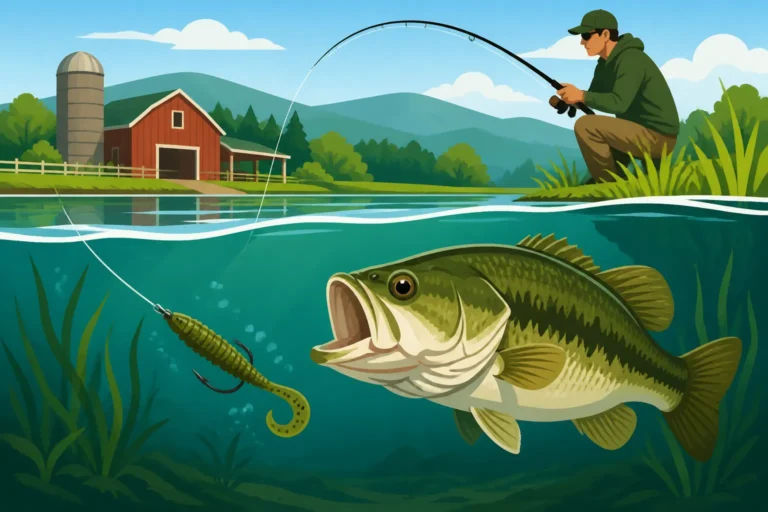
Largemouth bass, on the other hand, are creatures of cover. They thrive in the lake's abundant weed beds, lily pads, submerged timber, and around docks and marinas. Look for them in shallower, warmer bays like Missisquoi Bay, the expansive weed flats of the Sandbar Causeway, or the protected coves in Shelburne Bay. These areas offer both food and sanctuary from predators, and the largemouth will often bury themselves deep within the densest vegetation, waiting to ambush unsuspecting prey. The more complex the cover, the more likely you are to find a big bucketmouth lurking within.
Forage and Water Conditions: What Drives the Bass
What bass eat and the conditions of the water they live in dictate their behavior more than almost anything else. On Lake Champlain, a diverse forage base keeps both species of bass well-fed, and changing water conditions constantly shuffle the deck on where they'll be holding and how aggressively they'll feed.
The primary diet of Lake Champlain bass is incredibly varied. Smallmouth often key in on crayfish, gobies (an invasive but now abundant food source), perch, and smelt. This is why lures mimicking these prey items are so effective. Largemouth will consume a broader range, including various baitfish like shiners, smaller perch, frogs, and even ducklings or small rodents that fall into the water. Knowing what the bass are feeding on at any given time can dramatically increase your success. For example, if you see schools of baitfish flickering on the surface, topwater lures or reaction baits might be the ticket. If your electronics are showing baitfish hugging the bottom, then deeper presentations are likely to be more productive.
Water clarity and temperature are equally critical. Lake Champlain offers a wide range of clarity, from gin-clear in some deeper sections to stained or even muddy in the shallow bays after heavy rains. Smallmouth generally prefer clearer water, which allows them to hunt by sight. In these conditions, finesse presentations and natural bait colors often excel. Largemouth can tolerate more stained water, using the reduced visibility to their advantage for ambushing prey from cover. Water temperature is perhaps the most significant factor influencing bass metabolism and activity. In spring, as water temperatures rise, bass become more active and move shallower to spawn. In the heat of summer, they might retreat to deeper, cooler water or seek refuge in dense overhead cover. Monitoring temperature is key to understanding the Vermont Bass Catch-and-Release Season, Explained and general bass movement throughout the year.
Essential Gear for Lake Champlain Bass Anglers
You wouldn't show up to climb Mount Mansfield without the right hiking boots, and you shouldn't tackle Lake Champlain's bass without the right gear. The sheer size and diversity of the lake demand a versatile arsenal of rods, reels, and lures. Having the right tool for the job makes all the difference, especially when you're trying to coax a wary smallmouth from a rocky ledge or pull a monster largemouth out of a tangled weed bed.
Rods, Reels, and Line: Matching Your Setup
Choosing the right rod, reel, and line combination is paramount for effective bass fishing on Lake Champlain. It's not about having the most expensive gear, but about having the appropriate gear for the techniques you'll be employing. Many anglers carry multiple rod and reel setups to quickly switch between presentations, which can be a huge advantage when bass are finicky or moving between different types of cover.
For versatile bass fishing, most anglers will carry a mix of spinning and baitcasting setups. Spinning gear is generally preferred for lighter lures and finesse presentations, offering better casting distance and accuracy with lighter line. A good medium-light to medium power spinning rod, around 6'6" to 7' long, paired with a 2500 or 3000 size spinning reel, is perfect for drop shotting, Ned rigs, and light jigs. This setup provides the sensitivity needed to detect subtle bites from wary smallmouth in clear water.
Baitcasting gear, on the other hand, excels in power fishing situations. It offers more control and leverage for heavier lures, heavier line, and pulling big fish out of dense cover. A medium-heavy to heavy power baitcasting rod, typically 6'10" to 7'6" long, matched with a high-quality baitcasting reel, is ideal for throwing crankbaits, spinnerbaits, flipping jigs, and punching mats. The Best Rod Length for Champlain Smallmouth Bass often falls in this range for maximum versatility. When it comes to line, you'll want a mix. Fluorocarbon is fantastic for its low visibility and sensitivity, making it a go-to for finesse presentations and crankbaits. Braided line offers incredible strength and no stretch, perfect for punching heavy cover or fishing topwater where a strong hookset is crucial. You might even want some monofilament for specific topwater applications where a little line stretch helps keep fish pinned.
Lures and Baits: A Versatile Arsenal
The tackle box of a Lake Champlain bass angler is often a testament to the lake's diverse fishing opportunities. You'll need a wide array of lures to cover the different depths, cover types, and feeding moods of the bass. Don't be afraid to experiment, as bass can be incredibly selective one day and aggressive the next.
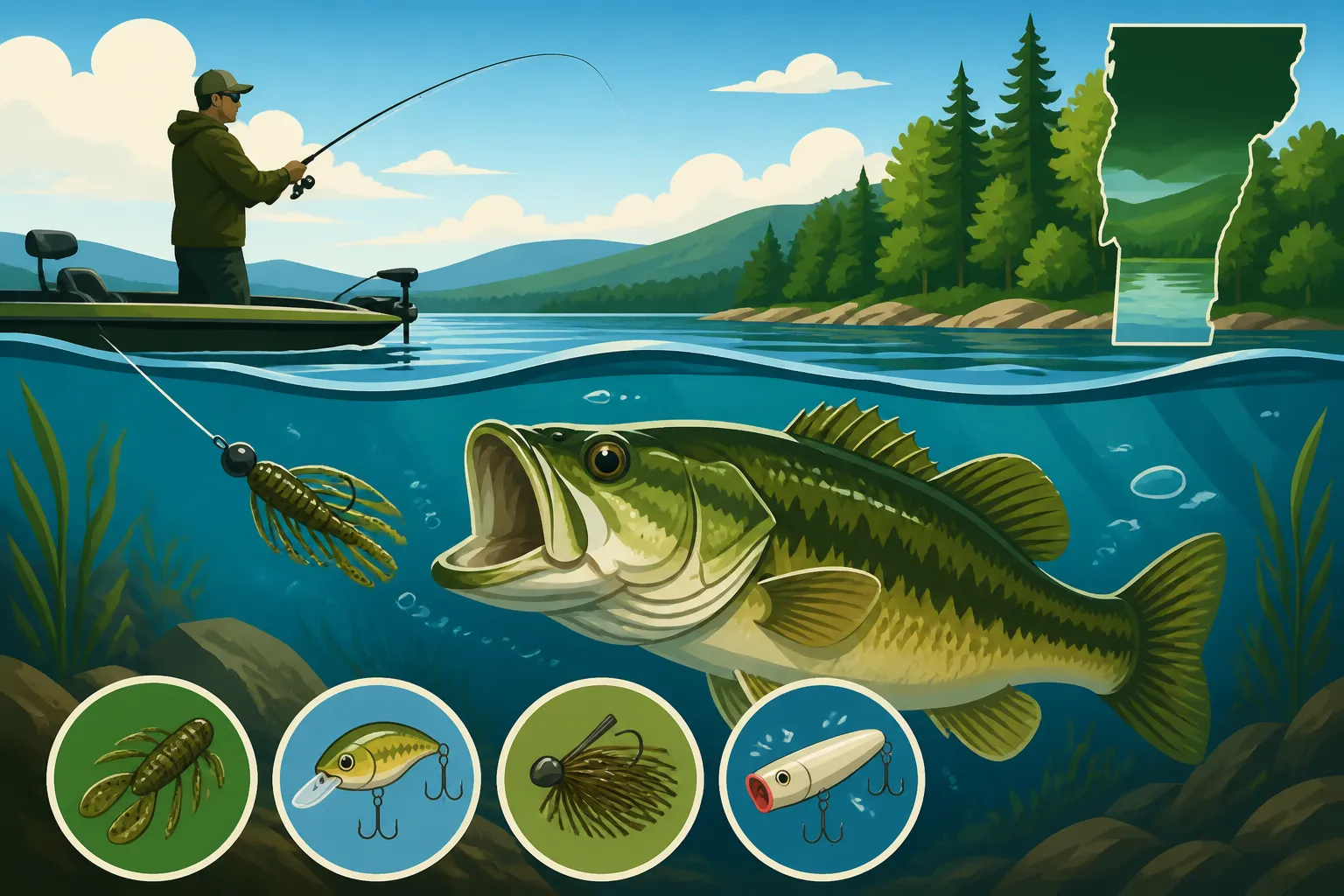
For smallmouth bass, soft plastics are often king. Drop shots, Ned rigs, and tube jigs are incredibly effective. Colors like green pumpkin, watermelon, and brown/black for tubes mimicking crayfish are always good starting points. Small crankbaits, jerkbaits, and swimbaits that imitate baitfish like smelt or perch also have their moments, especially in transition areas or when bass are actively feeding. You can find a huge variety of these specialized lures on platforms like Amazon, making it easy to experiment with different brands and styles.
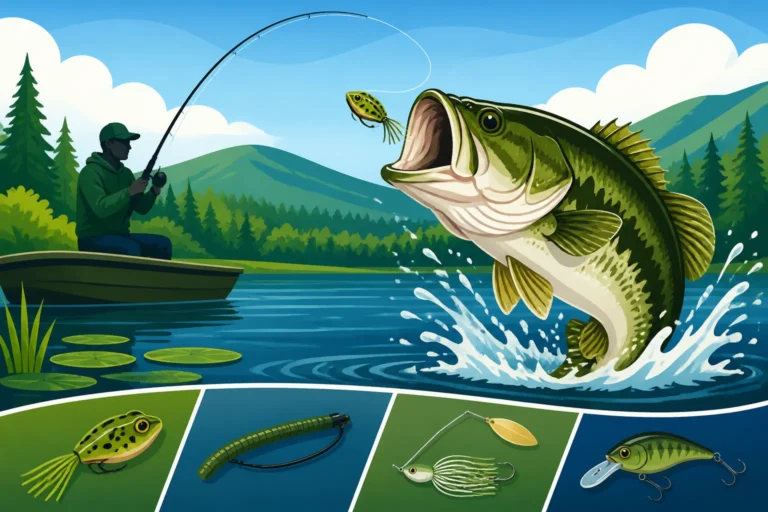
When targeting largemouth bass, your tackle box will shift towards heavier, weed-friendly options. Jigs with stout weed guards, creature baits for flipping and punching, and Texas-rigged worms are essential for working dense cover. Topwater frogs and buzzbaits are incredibly exciting when largemouth are shallow and active over mats. Spinnerbaits and chatterbaits also excel in weed lines and stained water, provoking reaction strikes. Don't forget some classic senko-style worms, which are simple yet incredibly effective when wacky rigged around docks or laydowns. The Best Crankbait for Stained Lake Water might be a chartreuse or fire tiger pattern, while for clear water, natural baitfish colors often work best.
Top Techniques for Smallmouth Bass on Lake Champlain
Smallmouth bass on Lake Champlain are notorious for their fighting prowess and their preference for cleaner, deeper, and rockier environments. These bronze bombers can be incredibly wary, especially in clear water, making finesse techniques indispensable. However, when they're feeding aggressively, power fishing can unlock some truly epic days.
Finesse Presentations: When Less is More
Sometimes, the secret to catching wary smallmouth lies in subtle, realistic presentations. Finesse techniques are designed to mimic natural forage with minimal disturbance, enticing bites from fish that might ignore more aggressive offerings. These methods shine in clear water, high-pressure situations, or when bass are less active due to cold fronts or post-spawn lethargy.
The drop shot rig is arguably one of the most effective finesse techniques for Lake Champlain smallmouth. It allows you to present a small soft plastic bait at a precise depth, suspended above a lead weight on the bottom. This keeps the bait in the strike zone longer and allows for subtle rod tip twitches to impart action without moving the weight. Ideal areas include rocky ledges, deep humps, main lake points, and even the edges of submerged weed lines where smallmouth ambush baitfish. Use light line, a sensitive spinning rod, and small worms, minnow imitations, or creature baits. Many anglers swear by a 6-inch straight tail worm in natural colors like green pumpkin or watermelon.
The Ned rig has taken the bass fishing world by storm, and for good reason—it's incredibly effective, especially on tough bites. This simple rig consists of a small mushroom-head jig paired with a short, buoyant soft plastic worm. The buoyancy of the plastic, combined with the jig head's design, makes the bait stand straight up off the bottom, mimicking a feeding bottom dweller or an injured baitfish. It's a fantastic choice for clear water and rocky bottom compositions, slowly dragged or hopped along the bottom. Smallmouth often can't resist its subtle, lifelike action.
Tube jigs are a classic smallmouth killer, and for good reason. They are incredibly versatile, mimicking both crayfish and baitfish. On Lake Champlain, they excel when fished on rocky bottoms or around submerged structure. You can cast and drag them, or vertically jig them over deep humps. The hollow body of the tube allows for a slow, spiraling fall, which is often when smallmouth strike. The Best Tube Jig Color for Smallmouth Bass on Lake Champlain often includes green pumpkin, brown, or black, especially when targeting crawfish-eating smallmouth. Using a 3/8-ounce or 1/2-ounce tube jig will allow you to get down to deeper smallmouth quickly.
Power Fishing Tactics: Covering Water and Triggering Bites
While finesse can be essential, sometimes you need to cover water quickly and provoke a reaction strike from aggressive smallmouth. Power fishing techniques involve faster retrieves, larger lures, and more aggressive actions to trigger feeding responses, especially when bass are actively chasing bait.
Crankbaits are workhorses for covering water and finding active smallmouth. Shallow-diving crankbaits are excellent for rocky flats and points in early season or low-light conditions. Deeper-diving crankbaits are crucial for reaching smallmouth holding on offshore humps and ledges, often diving to 10-20 feet or more. Look for baitfish patterns, perch imitations, or crawfish colors, depending on the forage. Vary your retrieve speed and incorporate pauses to trigger bites. The Best Crankbait Retrieve for Champlain Smallmouth often involves a mix of steady winding with intermittent pauses and erratic jerks, especially when bass are chasing.
Jerkbaits are particularly effective in colder water, especially in spring and fall, but can also trigger reaction strikes in summer. These lures are designed to be fished with a "rip, rip, pause" retrieve, creating an erratic, darting action that mimics a wounded baitfish. The long pauses are often when the smallmouth will strike, so pay close attention. Colors that imitate smelt or shiners are typically very productive.
Spinnerbaits and chatterbaits are excellent for fishing around the edges of weed beds, submerged timber, or in stained water. The flash of the blades and the vibration they emit can call smallmouth from a distance, triggering aggressive strikes. A white or chartreuse spinnerbait is a classic choice, while chatterbaits in similar colors or natural baitfish hues can be deadly when retrieved erratically along cover.
Finally, topwater lures offer some of the most exciting smallmouth bites. Poppers, walking baits (like a Heddon Super Spook), and prop baits are fantastic during low-light conditions (dawn and dusk) or on calm days when smallmouth are chasing bait near the surface. The explosive strikes from a feisty smallmouth on a topwater lure are unforgettable. Focus on rocky points, shallow shoals, and areas where baitfish are schooling near the surface.
Strategies for Largemouth Bass in Lake Champlain's Weeds and Bays
Unlike their smallmouth cousins, Lake Champlain's largemouth bass are masters of ambush, preferring the dense cover and warmer waters of the lake's numerous bays and shallow flats. Targeting these fish requires a different approach, often involving heavy tackle and lures designed to penetrate or glide over thick vegetation.
Punching and Flipping Heavy Cover
If you want to catch big largemouth on Lake Champlain, you'll need to learn how to fish the thick stuff. Largemouth love to bury themselves in dense weed mats, lily pads, and submerged timber, making them incredibly challenging to reach. This is where punching and flipping techniques come into their own.
Punching involves using a heavy tungsten weight (often 1 ounce or more), a stout hook, and a compact soft plastic lure (like a creature bait or beaver-style bait) to literally punch through dense mats of vegetation. The idea is to get your lure into the dark, oxygen-rich pockets beneath the canopy where big largemouth lurk. This requires a heavy-action baitcasting rod, braided line (at least 50-65 lb test) for cutting through weeds and extracting fish, and a strong reel. Once your bait penetrates the mat, let it fall to the bottom, jiggle it a few times, and be ready for a hard thump. Many strikes happen on the initial fall.
Flipping and pitching are similar, but typically involve less heavy cover, such as the edges of weed lines, around docks, or into small openings in sparse pads. You'll use a slightly lighter setup than punching, but still a medium-heavy to heavy baitcasting rod and braided or heavy fluorocarbon line. Jigs, creature baits, and Texas-rigged worms are excellent choices. The technique involves a controlled, pendulum-like cast or pitch to drop your lure quietly into precise spots. This minimizes disturbance and allows you to present your bait exactly where a bass might be hiding. The Best Largemouth Bass Ponds in Vermont would also benefit from these tactics, though on a smaller scale than Champlain.
Frogs and Buzzbaits: Topwater Excitement
For pure adrenaline, few techniques rival fishing topwater frogs and buzzbaits for largemouth bass. When conditions are right, bass will explode on these lures, offering some of the most exciting strikes in all of fishing. These techniques are particularly effective in shallow, weedy areas where largemouth can easily ambush prey from below.
Hollow-bodied frogs are designed to be fished directly over dense weed mats and lily pads. Their weedless design allows them to glide effortlessly across the surface without snagging. The key is to work them with short twitches and pauses, mimicking a frog or mouse struggling on the surface. When a bass blows up on your frog, resist the urge to set the hook immediately. Wait until you feel the weight of the fish or see your line start to move before delivering a powerful hookset. This ensures the bass has fully engulfed the lure.
Buzzbaits are another fantastic topwater option, creating a commotion on the surface with their spinning blade. They're excellent for covering water quickly along weed lines, over submerged stumps, or around docks, especially during low-light conditions like dawn or dusk, or on overcast days. A steady retrieve is usually all that's needed, but occasionally a pause or burst of speed can trigger a reluctant bass. White, black, or chartreuse are popular colors, often with a skirt and a small trailer hook for short strikes.
Jig Fishing and Soft Plastics in Structure
Beyond the heavy cover, Lake Champlain's largemouth also relate to other forms of structure found in its bays, such as docks, laydowns (fallen trees), and brush piles. Here, a more precise approach with jigs and various soft plastics can be incredibly effective.
Jig fishing is a cornerstone of largemouth bass fishing. Casting or skipping jigs under docks, around pilings, or into gaps in timber can tempt big largemouth that are holding tight to cover. Football jigs are great for probing rocky bottoms, while swim jigs excel when retrieved through sparse weeds. Colors that mimic crayfish or bluegill are often productive. The key is to vary your retrieve, hopping, dragging, or swimming the jig, and paying close attention to any subtle changes in line tension.
Soft plastics, in their myriad forms, are incredibly versatile. Texas-rigged worms and creature baits are weedless and can be fished effectively in and around most cover. Wacky-rigged worms, with their unique shimmying fall, are fantastic for enticing finicky bass around docks or isolated cover. Senko-style worms are legendary for their simplicity and effectiveness; just cast them out and let them sink slowly on a weightless Texas or wacky rig. The subtle action on the fall is often all it takes to trigger a strike.
Seasonal Bass Fishing Adjustments on Lake Champlain
Lake Champlain's bass populations react dramatically to the changing seasons, driven by water temperature and their biological imperative to spawn and feed. What works in spring won't necessarily work in summer, and completely different tactics are needed in the fall. Understanding these seasonal shifts is crucial for consistent success.
Spring: Pre-Spawn and Early Season Bites
As the ice melts and water temperatures slowly begin to climb in early spring, largemouth and smallmouth bass shake off their winter lethargy. This is a highly anticipated time for anglers, as bass begin to move into shallower areas to feed heavily and prepare for the spawn.
In the early spring, focus your efforts on the northern and shallower bays of Lake Champlain, such as Missisquoi Bay or the Grand Isle area, which warm up faster. Rocky points, shallow flats adjacent to deeper water, and protected coves are prime smallmouth territory. For largemouth, look to the developing weed growth in the backs of bays and around shallow stumps or docks. Slow presentations are key, as the bass are still somewhat sluggish. Jerkbaits are incredibly effective for smallmouth in this colder water, as their erratic action and long pauses can trigger reaction strikes. Jigs and slow-rolled spinnerbaits are also good choices. As water temperatures continue to rise into the 50s Fahrenheit, bass will become more active. This is when the Vermont Bass Season Opening Date for 2026 often brings anglers out in full force, eager to catch pre-spawn fish that are often at their heaviest of the year.
As bass move into their pre-spawn patterns, they'll often stage on secondary points and ledges leading into spawning flats. Crankbaits, especially those with crawfish patterns, can be deadly when retrieved along these transition areas. Texas-rigged worms and jigs can also pick off larger, wary fish holding tight to cover. Remember, the fish are focused on feeding to build energy for the spawn, so finding concentrations of baitfish or crawfish will often lead you to the bass.
Summer: Deep Water and Weed Line Patterns
Summer on Lake Champlain brings warmer water, and with it, significant changes in bass behavior. While some bass will remain shallow, many, especially smallmouth, will seek out deeper, cooler waters, while largemouth will burrow into the densest available cover.
Smallmouth bass during the peak summer months often relocate to offshore structures. Think deep humps, rocky reefs, submerged points, and vast ledges in 15-40 feet of water. This is when your electronics become absolutely indispensable for locating these hidden gems. Drop shotting, deep cranking, and even vertical jigging spoons or heavy tubes are effective techniques. Early mornings and late evenings might see them move shallower to feed, but during the bright, hot parts of the day, they'll likely be deep. Knowing the Best Time to Fish Lake Champlain in Summer usually means targeting these deeper patterns or capitalizing on low-light conditions.
Largemouth bass, on the other hand, will embrace the abundance of vegetation that flourishes in the warm summer waters. They'll be found in the thickest weed mats, lily pads, and around docks with dense cover. Punching heavy jigs and creature baits through mats, or working topwater frogs and buzzbaits over the surface, are prime tactics. Texas-rigged and wacky-rigged worms are also fantastic for picking apart individual pieces of cover. Focus on areas with good shade, slightly cooler water, or current, which can concentrate baitfish and provide ambush points.
Fall: Feeding Frenzy Before Winter
As summer transitions to fall, and water temperatures begin to drop, bass enter a crucial feeding period known as the fall turnover. Both smallmouth and largemouth will become incredibly aggressive, trying to pack on as much weight as possible before winter's chill sets in. This can lead to some of the year's most productive and exciting fishing.
In the fall, smallmouth bass will often follow schools of baitfish (like smelt or perch) into shallower bays and onto rocky points, especially during sunny days when the sun warms the rocks. Crankbaits, jerkbaits, and spinnerbaits are incredibly effective for covering water and mimicking fleeing baitfish. Pay attention to birds diving, which can indicate schools of baitfish, and thus, actively feeding smallmouth. The Best Lure Retrieve Speed for Smallmouth in Fall often involves a faster, more erratic retrieve to trigger their predatory instincts as they chase down forage.
Largemouth bass in the fall will also be on the hunt for food, often congregating around the remaining green weed beds, docks, and submerged timber. Jigs, spinnerbaits, and crankbaits are excellent choices. As the water cools further, these fish might begin to move towards deeper channels or wintering holes. This transition period can be fantastic for catching numbers of active fish. Look for concentrations of baitfish in protected coves and deep transitions.
Navigating and Locating Bass on Lake Champlain
Lake Champlain is a vast and often intimidating body of water. Without a solid understanding of how to use modern electronics and interpret environmental cues, you'll spend more time searching and less time fishing. Learning to effectively navigate and locate bass on such a large lake is a skill developed over time, but with the right tools and knowledge, you can significantly shorten the learning curve.
Understanding Lake Structure with Electronics
Modern fish finders are no longer just for marking fish; they are sophisticated tools for mapping the underwater world and identifying prime bass habitat. On a lake the size of Champlain, mastering your electronics is almost as important as your casting technique.
A quality fish finder with GPS, side imaging, and down imaging is an invaluable asset. GPS allows you to mark waypoints of productive spots, navigate safely, and return to precise locations. Side imaging provides a wide view of the bottom on either side of your boat, revealing hidden rock piles, submerged timber, weed lines, and even schools of baitfish that you might otherwise miss. Down imaging gives you a photo-like view directly beneath your boat, helping you discern the composition of the bottom and identify structure. For example, a rocky ledge will look distinct from a soft, silty bottom. The Best Fish Finders for Vermont Lakes are typically high-definition units from brands like Humminbird or Lowrance, which offer these advanced features. Learning to interpret what you see on the screen – whether it's a hard bottom, a school of perch, or a distinct contour line – will guide you to where the bass are holding.
When you're out on the water, use your mapping features to identify promising areas like points, humps, and channels. Then, use your side and down imaging to "scan" these areas for precise structure and potential fish. Don't just motor over a spot; make multiple passes from different angles to get a comprehensive understanding of the underwater terrain. Marking "covert" (cover-vertical) waypoints on individual rocks, stumps, or weed clumps can make a huge difference in your casting accuracy and overall success.
Reading the Water and Environmental Cues
While electronics are powerful, nothing beats the ability to "read the water" – observing and interpreting the natural world around you. Lake Champlain constantly provides subtle clues about where the fish might be, if you know what to look for.
Wind and current are major factors that influence bass behavior. Wind can create current, push baitfish into certain areas, and also activate bass. A good "walleye chop" (a moderate ripple on the water) often makes bass more aggressive, as it breaks up light penetration and provides camouflage for ambushing prey. Strong currents, especially around islands or constrictions, can position smallmouth in predictable ambush points. Learning How Barometric Pressure Affects Vermont Bass Fishing is also crucial, as rapidly dropping pressure often signals an impending cold front, which can make bass lethargic and send them deeper, requiring slower, more deliberate presentations.
Keep an eye out for baitfish activity. Schools of minnows flickering on the surface, or predatory birds like gulls diving into the water, are strong indicators that baitfish are present and likely being pursued by bass. Also, pay attention to water clarity and temperature variations. As mentioned earlier, smallmouth prefer clearer water, while largemouth can thrive in murkier conditions. Small temperature differences in a large bay can also concentrate fish, as they seek out their preferred comfort zones. Over time, you'll develop an intuition for these cues, combining them with your electronics to paint a complete picture of the bass's location and mood.
| Technique | Target Species | Ideal Conditions | Key Lure Examples | Rod/Reel Type |
|---|---|---|---|---|
| Drop Shotting | Smallmouth | Clear water, deep structure, tough bites | Small worms, minnow imitations, creature baits | Spinning |
| Ned Rigging | Smallmouth | Clear water, rocky bottom, finicky fish | Small buoyant worms, mushroom head jigs | Spinning |
| Tube Jigging | Smallmouth | Rocky bottoms, current, imitating crayfish | Green pumpkin, brown, black tubes | Spinning/Bait |
| Deep Crankbaiting | Smallmouth | Offshore humps, ledges, covering water quickly | Deep diving crankbaits (perch, baitfish patterns) | Baitcasting |
| Jerkbaiting | Smallmouth | Colder water (spring/fall), reaction strikes | Suspending jerkbaits (smelt, shiner colors) | Baitcasting |
| Punching/Flipping | Largemouth | Dense weed mats, lily pads, heavy cover | Heavy jigs, creature baits, beaver-style baits | Heavy Baitcast |
| Frog Fishing | Largemouth | Over weed mats, lily pads, low light | Hollow-bodied frogs | Heavy Baitcast |
| Jig Fishing (Cover) | Largemouth | Docks, laydowns, sparse weeds, ambush points | Flipping jigs, swim jigs (crawfish, bluegill colors) | Baitcasting |
| Spinnerbait/Chatterbait | Both | Weed lines, stained water, reaction strikes | White, chartreuse, natural colored spinnerbaits/chatterbaits | Baitcasting |
| Topwater (Poppers, Walkers) | Both | Calm conditions, low light, active fish near surface | Poppers, walking baits, prop baits | Baitcasting |
Disclaimer
Please note that fishing regulations in Vermont can change. Always consult the official Vermont Fish and Wildlife Department regulations guide before heading out on the water. This article is intended for informational purposes only and should not be considered a substitute for current official regulations.