How to fish for salmon right after ice-out
After a long Vermont winter, that first hint of open water after ice-out fills every angler with anticipation. But let's be honest, fishing for landlocked salmon during this transitional period can feel like hitting a moving target. The fish aren't always where you expect, and their behavior shifts dramatically from ice fishing season. This comprehensive guide will walk you through everything you need to know to successfully target salmon right after ice-out, helping you make the most of those first glorious open-water days.
Understanding Ice-Out Salmon Behavior in Vermont
The moment the ice finally retreats from Vermont's lakes is a truly exciting time for anglers. For many, it signals the unofficial start of the open-water fishing season, and landlocked salmon are often at the top of the target list. However, these magnificent fish behave quite differently during this immediate post-ice-out period compared to mid-summer or even late fall. Understanding these changes is crucial for consistent success.
Why Ice-Out is a Game-Changer for Salmon
When the ice melts, it dramatically alters the aquatic environment. The entire water column, which was previously stratified with distinct temperature layers under the ice, begins to mix. This process, known as "turnover," distributes oxygen and nutrients more evenly. For cold-water species like landlocked salmon, this often means that their preferred cooler, oxygen-rich water is now more widely available. They're no longer confined to specific depths or isolated pockets of good water.
More importantly, after a long winter under the ice where feeding might have been less consistent or concentrated, salmon become incredibly active predators. They are driven by a strong instinct to feed and regain energy, making them quite aggressive and responsive to lures. This can lead to some of the most memorable fishing of the entire year, but you need to be in the right place at the right time with the right presentation.
Where Salmon Hold During Early Spring
Right after ice-out, landlocked salmon typically abandon their deeper winter haunts and move into shallower, warmer waters. These areas warm up faster due to direct sunlight penetration and are often where baitfish, their primary food source, begin to congregate. Look for them in bays, coves, and points that receive plenty of sun exposure.
Another prime location is near the mouths of tributaries. Rivers and streams feeding into larger lakes like Lake Willoughby or Seymour Lake often carry warmer water and nutrients, attracting baitfish. Salmon will instinctively patrol these areas, waiting for an easy meal. These locations also offer protective cover for both salmon and their prey as they move out of the main lake. You might also find them cruising along shorelines where rocky structure or drop-offs offer ambush points.
What's on the Menu: Forage Fish Post-Ice-Out
When it comes to the diet of landlocked salmon in Vermont, particularly right after ice-out, one baitfish reigns supreme: the rainbow smelt. Smelt are cold-water fish that often make spawning runs into tributaries as soon as the ice leaves, making river mouths particularly attractive to hungry salmon. Other smaller forage fish like minnows and juvenile yellow perch also become more active and accessible in the warming shallow waters.
Understanding this primary food source is critical for choosing the right lures and presentations. Your goal is to "match the hatch," so to speak, by presenting lures that closely mimic the size, shape, and action of these baitfish. Salmon will be actively hunting, so anything that looks like a struggling or vulnerable smelt is likely to get their attention.
Essential Gear and Tackle for Ice-Out Salmon
Having the right equipment is paramount for success when chasing landlocked salmon during the challenging but rewarding ice-out period. Their strikes can be subtle or explosive, and their fights are notoriously powerful. You'll want gear that offers both sensitivity and backbone.
Rods and Reels for the Task
For ice-out salmon, a medium-light to medium power spinning rod, typically 6'6" to 7'6" in length, is an excellent choice. This length provides good casting distance from shore or boat, and the power allows you to handle strong runs while still feeling lighter bites. The action should be fast or moderate-fast, giving you enough tip sensitivity to detect those gentle takes but quickly transitioning to solid backbone for hook sets and fighting powerful fish. Many anglers find great rod options on Amazon from reputable brands that strike a balance between quality and affordability.
Pair your rod with a reliable spinning reel in the 2500-3000 size range. Look for a smooth drag system, which is non-negotiable when battling a powerful salmon. A smooth drag will prevent break-offs during those initial, searing runs. For line, a high-quality monofilament line, around 6-10 lb test, works well as a main line for its stretch and knot strength. However, always tie on a fluorocarbon leader, typically 6-8 lb test. Fluorocarbon is nearly invisible underwater, crucial for wary salmon in clear Vermont waters, and offers excellent abrasion resistance against rocks or the fish's teeth.
Lure Selection: Imitating the Forage
As discussed, imitating the natural forage is key. Here are the types of lures you'll want in your tackle box:
- Trolling Spoons: These are absolute workhorses for ice-out salmon. Look for slender, elongated spoons that mimic smelt. Popular choices include the classic Mooselook Wobbler, DB Smelt, and Sutton Spoons. Sizes typically range from 2 to 3.5 inches. Color patterns that imitate smelt – silver, blue/silver, black/silver – are excellent, but don't shy away from vibrant patterns like orange or chartreuse on overcast days or in stained water.
- Trolling Stickbaits: Long, slender stickbaits, both floating and suspending, are deadly. Brands like Rapala (Jerkbait or Original Floater), Smithwick Rattlin' Rogue, or Bomber Long A are effective. Again, natural smelt colors are preferred, but experiment with perch or firetiger patterns. These lures have an enticing wobble that salmon find irresistible.
- Small Dodgers or Flashers with Flies: This setup is often paired with flies that imitate smelt, like Grey Ghosts or similar streamer patterns. The dodger or flasher creates an attracting commotion and flash, drawing salmon to the trailing fly. This is a very traditional and effective method for landlocked salmon.
- Casting/Jigging Lures (for shore or still-fishing): If you're not trolling, consider small casting spoons (like Kastmasters or Little Cleos) or even small, weighted jigs tipped with a small plastic swimbait or grub. These can be cast and retrieved or vertically jigged in deeper holes, particularly around tributary mouths where salmon might be holding.
Essential Accessories
Don't forget the vital supporting cast of accessories. A good rubberized landing net is crucial for safely landing and releasing salmon, minimizing harm to their scales and slime coat. Pliers, specifically long-nosed ones, are indispensable for safely removing hooks, especially from toothy fish. A reliable cooler stocked with ice will keep your catch fresh if you decide to keep any within legal limits.
Finally, dress in layers. Vermont spring weather is notoriously fickle. Waterproof outer layers, insulated undergarments, and appropriate headwear and gloves will ensure you stay comfortable, allowing you to focus on the fishing. A good pair of polarized sunglasses will help you spot subtle movements in the water and protect your eyes from glare. You can find many of these crucial accessories with ease on Amazon, ensuring you're fully prepared before you hit the water.
Prime Locations and Effective Techniques for Post-Ice-Out Salmon
Once you understand salmon behavior and have your gear ready, the next step is knowing where to cast your line and how to present your lures effectively. This is where local knowledge and adaptable tactics truly shine.
Targeting Shallow Waters and Tributary Mouths
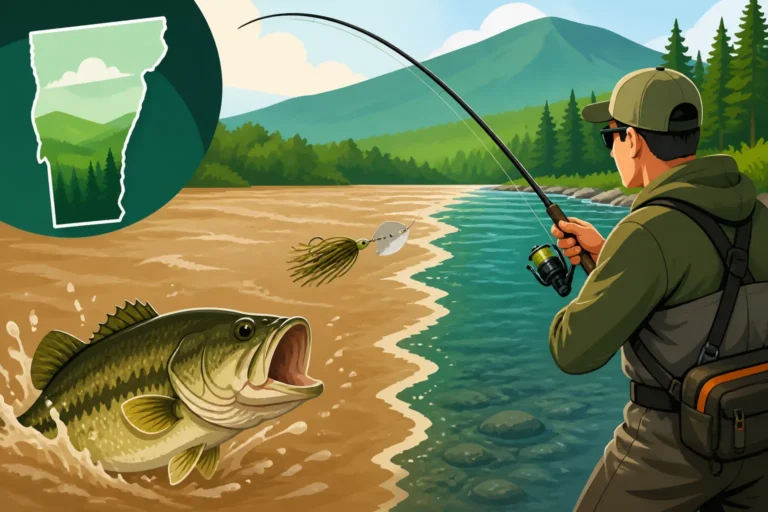
Right after ice-out, salmon will gravitate towards shallower areas for two main reasons: warmer water and abundant baitfish. This means focusing your efforts on large, sunny bays, shallow points, and, most importantly, the mouths of inflowing rivers and streams.
In Vermont, lakes like Lake Willoughby and Seymour Lake are prime destinations for landlocked salmon, and their tributary mouths become hotspots. For instance, the Black River, Barton River, and Clyde River flowing into Lake Memphremagog are known for smelt runs, attracting salmon. On smaller lakes, even seemingly insignificant inlets can hold fish. Look for areas where spring runoff might be carrying warmer water or nutrients, as these will naturally draw baitfish, and in turn, salmon. These areas are often the first to open up, offering anglers early access to active fish. You can find some excellent insights into specific spots in a Lake Willoughby Fishing Guide or a Seymour Lake Fishing Guide.
Trolling Strategies for Success
Trolling is arguably the most effective technique for covering water and finding active ice-out salmon. However, your approach needs to be nuanced.
- Speed is Key: Unlike summer trolling for lake trout that might require higher speeds, ice-out salmon often respond better to slower speeds, typically between 1.5 to 2.5 miles per hour. This slower presentation gives the fish more time to react to your lure and looks more natural for baitfish that might be sluggish in cooler water. Experimentation is crucial; try varying your speed slightly until you find what triggers bites.
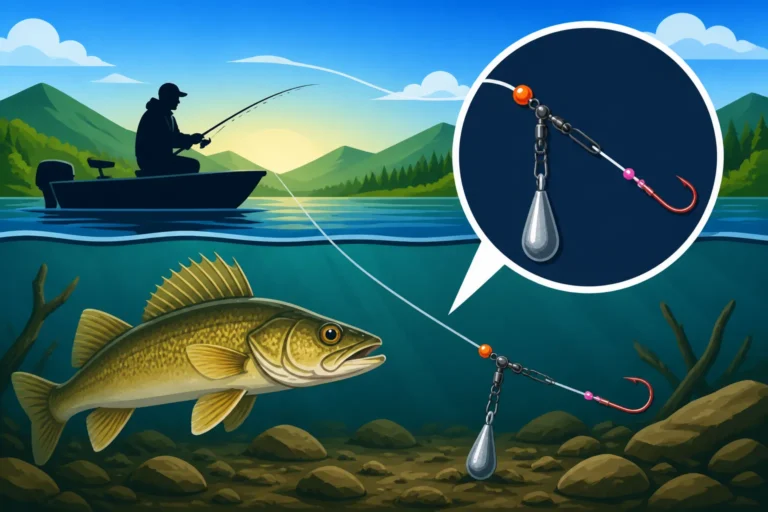
- Depth and Presentation: Early in the season, salmon are often high in the water column, sometimes just a few feet below the surface, especially during low-light conditions like dawn and dusk. As the sun gets higher, they might drop a bit deeper, but generally stay in the upper 20 feet. Focus on presenting your lures in the upper portion of the water column. Flat-lining (trolling without any weight, letting the lure's natural action take it down) or using very light weights (like a small split shot or a single ounce or two of lead) is often effective.
- Path and Pattern: Don't just troll in straight lines. Implement S-curves, speed changes, and even brief pauses. These variations in your boat's path and speed make your lures appear injured or erratic, often triggering a reactionary strike from a following salmon. Pay close attention to your electronics; if you mark baitfish or salmon at a certain depth, adjust your presentation accordingly.
- Rigging Smelt: For those who prefer natural bait, knowing How to rig smelt for landlocked salmon trolling can be a game-changer. A properly rigged smelt provides unmatched realism that artificial lures sometimes can't replicate.
Casting and Still Fishing from Shore
Not everyone has access to a boat, but that doesn't mean you're out of luck. Shore anglers can still have fantastic success, particularly around tributary mouths or prominent points.
- Casting Lures: Long-casting spoons or stickbaits, as mentioned in the gear section, are excellent choices. Cast them out, let them sink to a desired depth (often shallow), and retrieve with a varied pace, incorporating pauses and twitches. Mimic a wounded baitfish. Early mornings and late evenings are typically the best times for shore casting, as salmon are more likely to be cruising closer to the bank.
- Live Bait: If legal in your chosen water body, live minnows or smelt (check regulations carefully, as baitfish rules vary by water and can change) can be incredibly effective when still-fishing from shore. Use a simple slip-bobber rig to suspend your bait at the desired depth, typically near the bottom or just above any structure. This passive approach can be deadly when salmon are less active but still feeding.
- Focus on Structure: From shore, look for any features that might concentrate fish: submerged logs, rock piles, drop-offs, or current seams where a river enters the lake. These are natural ambush points for salmon. For more general salmon information, check out our guide on Landlocked Salmon Fishing in Vermont.
Timing and Environmental Factors for Success
Beyond gear and location, understanding the subtle cues from Mother Nature can significantly increase your odds of catching ice-out salmon. These fish are highly sensitive to their environment, and paying attention to a few key factors can make all the difference.
The Importance of Water Temperature
Right after ice-out, water temperature is paramount. Landlocked salmon thrive in cold water, generally preferring temperatures between 45 and 55 degrees Fahrenheit. As the ice melts, the surface waters are typically still quite chilly, but they warm up fastest in shallow, sunny areas. These warming pockets are precisely where you'll find baitfish and, subsequently, the salmon.
Using a reliable thermometer to check surface temperatures, especially in different parts of the lake, can help you pinpoint the most productive areas. If you find a bay that's a few degrees warmer than the main lake, that's often where the action will be. Avoid handling salmon extensively in warmer water, as it can cause significant stress. Always release fish quickly and gently, especially if the water is nearing the upper end of their preferred range.
Weather and Light Conditions
Ice-out salmon fishing often benefits from specific weather and light conditions. Overcast days, for instance, can be fantastic. The diffused light makes salmon feel more secure in shallower water and reduces the visibility of your line and boat. Similarly, low-light periods such as dawn and dusk are prime feeding times. Salmon, like many predatory fish, use these times to their advantage, ambushing baitfish under the cover of fading or emerging light. This is particularly true for those looking for the Best Time of Day to Catch Landlocked Salmon.
Wind can also be your friend. A gentle to moderate breeze creating a chop on the water's surface helps break up the light, again making salmon feel more comfortable in the shallows. It can also create currents that concentrate baitfish against shorelines or points, creating feeding lanes for salmon. However, heavy winds can make boat control and casting difficult, so moderation is key. A little chop is good; whitecaps are not.
Reading the Water: Signs of Salmon and Baitfish
Becoming a successful ice-out salmon angler involves more than just blind casting; it requires learning to "read the water." Keep a keen eye out for any signs of activity.
- Diving Birds: Gulls and other diving birds feeding on the surface are a clear indicator of baitfish schools. Where there are baitfish, there are often salmon.
- Surface Activity: Look for subtle splashes, ripples, or even larger boils on the surface. These could be salmon actively chasing baitfish. Don't mistake them for rising trout; salmon splashes are typically more aggressive and less deliberate.
- Electronics: If you're fishing from a boat with a fish finder, pay close attention to bait balls and larger arcs (salmon) lurking around them. Your electronics can help you identify depth and structure quickly. In early spring, many of the fish you mark will be in the upper water column.
By combining an understanding of the Vermont Fishing Seasons by Month with these visual cues, you can significantly improve your chances of locating and catching these magnificent fish.
Common Ice-Out Salmon Lures & Their Applications
| Lure Type | Description | Best Use | Target Depth | Key Features |
|---|---|---|---|---|
| Spoons | Slender, wobbling metal lures (e.g., Mooselook Wobbler, Sutton, DB Smelt) | Trolling, casting from shore/boat | Surface to 20 ft | Mimics injured smelt, flashes attractively |
| Stickbaits | Long, thin lures, floating or suspending (e.g., Rapala, Smithwick Rogue) | Trolling, casting and twitching | Surface to 15 ft | Erratic action, realistic profile |
| Dodgers/Flashers | Large, non-hooked attractors, usually paired with a trailing fly/lure | Trolling in combination with a fly (e.g., Grey Ghost streamer) | Surface to 25 ft | Creates commotion and flash, draws attention |
| Casting Jigs | Small, weighted jigs with plastic bodies (e.g., bucktail jig, soft plastic) | Casting and retrieving from shore/boat, vertical jigging | Variable | Mimics small baitfish, versatile retrieval |
Ultimately, success during the immediate post-ice-out period for landlocked salmon comes down to a blend of preparation, understanding, and adaptability. These fish are a true prize in Vermont, offering thrilling fights and beautiful aesthetics. Stay patient, observe your surroundings, and don't be afraid to adjust your tactics. Those first open-water days are fleeting, so make every moment count!
Disclaimer
Fishing regulations can change frequently. Always consult the latest Vermont Fish and Wildlife Department regulations before heading out on the water. This guide is for informational purposes only and does not supersede official state regulations.