Best water temperature for walleye fishing
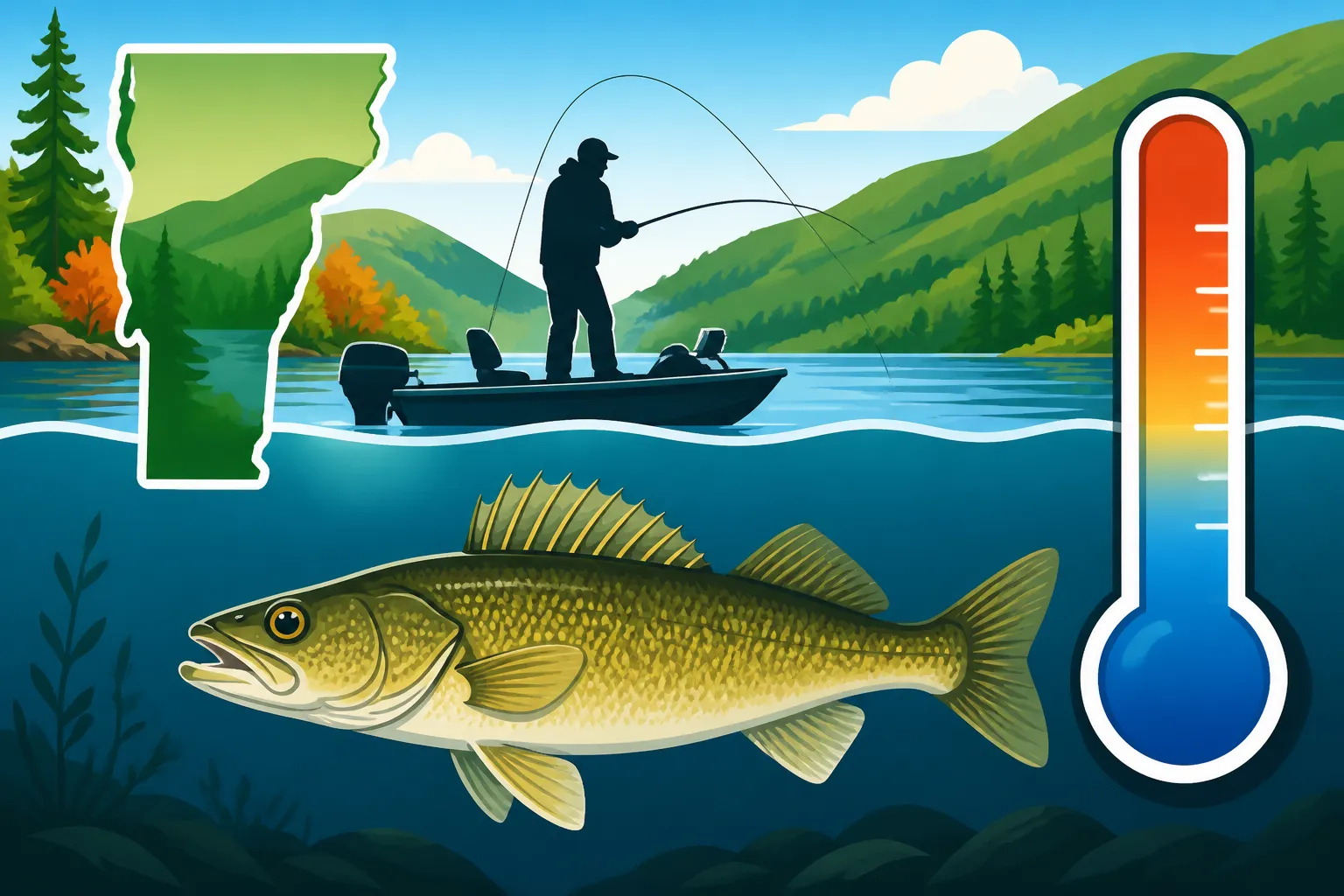
It can be incredibly frustrating to be out on the water, whether it's the vast expanse of Lake Champlain or a smaller, quiet pond, knowing that walleye are lurking somewhere below, but you just can't seem to connect. One of the biggest, yet often overlooked, factors in successful walleye fishing is understanding the water temperature. This guide will dive deep into why water temperature is paramount for finding and catching walleye in Vermont, giving you the knowledge to unlock better bites throughout the year.
Understanding Walleye and Water Temperature
Walleye are cold-water fish, and their metabolism, activity levels, and even their preferred feeding times are heavily dictated by the temperature of the water around them. It's not just about comfort; it's about survival and efficiency. Imagine trying to run a marathon in freezing cold or sweltering heat – your body just doesn't perform the same. Fish are no different, and for walleye, temperature zones are like their personal comfort food and exercise zones all rolled into one.
The Biology of Walleye and Temperature Preferences
Walleye are incredibly sensitive to temperature changes, much more so than some other popular Vermont species like bass. Their eyes are specially adapted for low light conditions, giving them a distinct advantage in deeper, cooler waters or during dawn, dusk, and even night fishing. When the water warms up too much, they tend to retreat to cooler depths, often near thermoclines, which are distinct layers where water temperature changes rapidly. This behavior is rooted in their biology: warmer water holds less oxygen and also speeds up their metabolism, requiring them to eat more frequently to sustain themselves. Conversely, water that's too cold slows their metabolism, making them sluggish and less interested in feeding.
Understanding this biological imperative helps us anticipate their movements. In the cooler waters of Lake Memphremagog or the deeper sections of Lake Champlain, walleye might be more spread out, but as water temperatures fluctuate, they'll seek out their preferred zones, often congregating in predictable patterns. This knowledge is key, especially if you're trying to figure out what walleye eat on Lake Champlain, as their diet and hunting patterns shift with the seasons and temperatures.
Key Temperature Ranges for Walleye Activity
While walleye can survive in a broad range of temperatures, they truly thrive and become most active within specific windows. Think of it as their "happy place." Deviate too far from these optimal temperatures, and you'll find them either lethargic or stressed, making them much harder to entice.
Let's break down the general ranges:
- Optimal Feeding Zone (60-70°F / 15-21°C): This is the sweet spot! In this range, walleye are highly active, feeding aggressively, and generally easier to catch. Their metabolism is high enough to encourage frequent feeding, but not so high that they're stressed. This temperature range often dictates some of the best fishing throughout the year.
- Spawning Zone (45-50°F / 7-10°C): As spring waters warm into this range, walleye begin their spawning rituals. They will move into shallower, rocky areas, rivers, and tributaries. While they are focused on reproduction, they can still be caught, particularly just before and after the spawn. You can learn more about the Walleye Spawning Season in Vermont to pinpoint these crucial times.
- Cooler Water (Below 45°F / 7°C): In very cold water, typical of late fall and winter, walleye become much less active. Their metabolism slows down significantly. They'll still eat, but their movements are more restricted, and they often seek deeper, more stable temperatures. This requires different tactics, often slower presentations.
- Warmer Water (Above 70°F / 21°C): Once water temperatures climb above this threshold, walleye will seek thermal refuge in deeper, cooler areas, or areas with springs and cold-water inflows. They might become less active during the hottest parts of the day, preferring to feed in low-light conditions when surface temperatures cool slightly.
By keeping these temperature ranges in mind, you can start to predict where walleye will be and how they'll behave, giving you a serious edge before you even cast a line.
Seasonal Temperature Strategies for Vermont Walleye
Vermont's distinct four seasons mean that water temperatures are constantly changing, and with them, walleye behavior. Successfully targeting walleye year-round means adapting your tactics to these thermal shifts. It's like changing your wardrobe for the weather – you wouldn't wear a parka in July, and you shouldn't fish with summer techniques in winter.
Spring: Pre-Spawn and Spawning Periods
Spring in Vermont is a time of awakening, and for walleye, it means one thing: reproduction. As ice leaves the lakes and rivers begin to flow freely, water temperatures slowly creep upwards from the low 30s into the 40s and 50s Fahrenheit.
- Pre-Spawn (38-45°F / 3-7°C): As soon as the ice is off and the water hits this initial warming trend, walleye start to stage for spawning. They'll often congregate near the mouths of rivers and tributaries that feed into major lakes, or in shallower, rocky bays. They are often quite hungry at this time, building up energy reserves for the upcoming spawn. This is a fantastic time for jigging with minnows or slow-trolling stickbaits in these staging areas. Look for rocky points and gravel flats adjacent to deeper water, as these are often migration routes.
- Spawning (45-50°F / 7-10°C): Once the water reaches this critical temperature range, walleye move onto their spawning grounds. These are typically hard-bottom areas—rocky shoals, gravel bars, or rip-rap shorelines, often less than 10-15 feet deep. While actively spawning, walleye can be finicky, but males will often remain in these areas longer. Target them with lighter jigs tipped with soft plastics or minnows, focusing on precise presentations near bottom structure. Remember to check Vermont fishing regulations, as some areas may have specific rules during the spawn.
- Post-Spawn (50-60°F / 10-15°C): After the intense effort of spawning, walleye are often recuperating. They'll disperse from spawning grounds and move towards slightly deeper feeding areas to regain energy. They'll still be in relatively shallow water compared to summer, but often closer to structure like submerged humps, rock piles, and weed edges. This is a great time to try slow-trolling crankbaits or casting jigs and soft plastics to cover water and find active fish.
Summer: Post-Spawn and Deepwater Tactics
Vermont summers bring warmer surface temperatures, pushing walleye into deeper, cooler havens. This is when your fish finder and understanding of thermoclines become your best friends.
- Early Summer (60-68°F / 15-20°C): As surface temperatures climb, walleye transition to their summer patterns. They’ll still be somewhat shallow early in the morning and late in the evening, but during the day, they will likely hold to structure in 20-40 feet of water. Look for humps, reefs, and points that offer proximity to deep water. Trolling crankbaits or worm harnesses are highly effective strategies during this period.
- Mid-Summer (68-75°F / 20-24°C): This is when walleye truly go deep. They'll often be found near or below the thermocline, typically in 30-60 feet of water or even deeper in lakes like Lake Champlain. They seek out these cooler, oxygen-rich zones. Knowing how deep walleye go in summer on Lake Champlain is critical. Downriggers and lead core lines become essential tools for presenting lures at precise depths. If you're looking for the Best Lures for Walleye Trolling on Lake Champlain, deep-diving crankbaits and spoons are often top producers. Night fishing for Walleye on Lake Champlain also becomes incredibly effective as surface waters cool, and walleye move shallower to feed under the cover of darkness.
- Late Summer (70°F+ / 21°C+): In the dog days of summer, walleye will remain deep during the day, holding tight to bottom structure or the thermocline. Pay close attention to forage fish like smelt, as walleye will often follow these baitfish schools. Vertical jigging with spoons or heavy jigs can be deadly if you mark fish on your electronics. In extreme heat, focusing on low-light periods (dawn, dusk, and night) can yield the most consistent action, as walleye may venture into shallower water to feed during these times.
Fall: Feeding Frenzy Before Winter
Autumn is often considered one of the best times for trophy walleye in Vermont. As water temperatures begin to drop, walleye sense the approaching winter and engage in a massive feeding spree to build fat reserves.
- Early Fall (60-68°F / 15-20°C): The cooling water revitalizes walleye, bringing them out of their deep summer haunts. They become more active and start moving back into shallower feeding areas, though still often relating to structure. Look for them on main lake points, reefs, and large flats near deep water access. Trolling crankbaits at various depths is a good search pattern.
- Mid-Fall (50-60°F / 10-15°C): This is prime time! Walleye are aggressively feeding, often forming large schools. They'll push baitfish into bays and along shoreline breaks. You'll find them in a wider range of depths, from 15-40 feet. The Best Techniques for Fall Walleye often involve casting lipless crankbaits, jigging larger soft plastics, or trolling with spoons and stickbaits. The fish are often fat and feisty, making for excellent angling.
- Late Fall (Below 50°F / 10°C): As water temperatures continue to drop towards freezing, walleye will move to their wintering grounds, typically deeper basins where water temperatures are more stable. While their activity slows, they are still catchable. Vertical jigging or slow-trolling with live bait (like large shiners) can be very productive. They'll often school tightly, so once you find one, there are likely more. This is when understanding how to catch walleye on Lake Champlain truly pays off, as their schooling behavior becomes more pronounced.
Winter: Ice Fishing and Cold Water Habits
Vermont's frozen lakes offer a unique challenge and reward for walleye anglers. Ice fishing demands different techniques, but water temperature still plays a subtle, yet crucial, role.
- Early Ice (32-38°F / 0-3°C): When the ice first forms, walleye can still be quite active. They often remain in similar areas to late fall – main lake points, breaks, and humps adjacent to deep water, typically in 15-30 feet. Jigging spoons, vertical presentations with blade baits, or live minnows under tip-ups are all effective. Ice thickness and safety are paramount during this time.
- Mid-Winter (32-34°F / 0-1°C): As the ice thickens and water temperatures stabilize near 32-34°F, walleye activity slows considerably. They often relate more to deep structure or basin areas, seeking stable temperatures. While they are less active, they will still feed. Focus on slow, subtle presentations. The Best Jig Weight for Perch Through the Ice can also often work for walleye when they are sluggish. Fish during low-light hours (dawn and dusk) for the best chance, as walleye eyes are adapted to these conditions. Many anglers opt for tip-ups with live bait, letting the bait do the work.
- Late Ice (32-38°F / 0-3°C): Just before ice-out, as water starts to warm slightly under the ice and daylight hours extend, walleye activity can pick up again. They might begin to stage near pre-spawn areas, similar to early spring. This can be a fantastic time for a renewed bite, but always exercise extreme caution regarding ice conditions, as they can deteriorate rapidly.
| Season | Approximate Water Temperature Range | Walleye Behavior | Recommended Techniques & Locations |
|---|---|---|---|
| Spring | 38-60°F (3-15°C) | Pre-spawn staging, spawning, post-spawn recovery and feeding. Active, moving towards shallower areas. | Jigging with minnows/soft plastics near river mouths and rocky shoals. Slow-trolling stickbaits. |
| Summer | 60-75°F (15-24°C) | Retreating to cooler, deeper water (thermocline), nocturnal feeding. Less active during midday. | Deep trolling crankbaits, spoons, worm harnesses. Vertical jigging. Night fishing in shallower bays. Focus on structure in 30-60+ feet. |
| Fall | 50-68°F (10-20°C) | Aggressive feeding frenzy, schooling. Building fat reserves for winter. Highly active. | Trolling crankbaits and spoons, casting lipless crankbaits and jigs. Main lake points, reefs, flats. |
| Winter | 32-38°F (0-3°C) | Reduced activity, stable deep water. Sporadic feeding. | Ice fishing with jigging spoons, blade baits, live minnows under tip-ups. Focus on deep structure, low-light periods. |
Practical Tips for Measuring Water Temperature
You can read all about temperature ranges, but without actually knowing the temperature of the water you're fishing, it's all just theory! Thankfully, there are easy and effective ways to get real-time temperature data while you're on the water in Vermont.
Essential Tools for Temperature Tracking
Don't let guesswork diminish your walleye success. Investing in a few simple tools can make a huge difference:
- Dedicated Water Thermometers: These are inexpensive and highly accurate. You can get simple handheld models that you dip into the water, or more advanced models with a probe on a cord, allowing you to measure temperature at various depths. I've found basic models available on Amazon to be perfectly reliable for this purpose. Just make sure it's accurate and easy to read.
- Fish Finders with Temperature Sensors: Many modern fish finders, especially those designed for boat use, come equipped with a temperature sensor in the transducer. This provides a constant surface temperature reading and often, with advanced units, can help you identify thermoclines as well. Units from brands like Humminbird or Lowrance are fantastic for this, giving you a wealth of information beyond just fish arches. If you're considering a new unit, look for one that boasts accurate temperature readings.
- Portable Sonar Units: For kayak anglers or those fishing from shore, portable sonar units sometimes include temperature readings. These are excellent for getting localized temperature information without needing a full boat setup. Brands like Deeper or Garmin Striker Cast offer these features, which can be easily purchased on Amazon.
- Understanding Air Temperature vs. Water Temperature: It's important to remember that air temperature and water temperature are not the same and change at different rates. While a warm sunny day will eventually warm the surface water, it takes time, and deeper water remains much more stable. A general rule of thumb is that large bodies of water, like Lake Champlain, take much longer to warm up or cool down than smaller ponds or rivers.
Interpreting Temperature Changes on the Water
Once you have your temperature readings, the real skill comes in interpreting what they mean for the walleye in that specific location.
- Surface vs. Subsurface: Don't just rely on surface temperature. While a good indicator, walleye will often go deeper to find their preferred temperatures, especially in summer. If your fish finder can show you temperature changes at depth, pay close attention to where the temperature rapidly drops – that's often the thermocline, and walleye will frequently suspend just above, in, or below it, seeking comfort and baitfish.
- Locating Thermoclines: A thermocline acts like an invisible floor or ceiling for fish. It’s a layer where the water temperature changes rapidly, often indicating a boundary for oxygen levels too. Walleye will often congregate around these layers, particularly in summer. Your fish finder, set to a sensitive mode, can often show this as a distinct horizontal line or band of clutter on the screen, often where fish are holding.
- Temperature "Breaks": Look for subtle temperature variations within a body of water. A point that's getting hit by a slightly warmer current, a shallow bay that warms faster in spring, or an area with a cold-water spring entering the lake – these "breaks" can concentrate walleye. Even a difference of 1-2 degrees Fahrenheit can be enough to draw fish in. In rivers, this could mean looking for eddies where water warms slightly slower or faster, or where a tributary brings in water of a different temperature.
- Logging Data: Keep a fishing journal! Note the water temperature, air temperature, depth, bait used, and catch results. Over time, you'll start to see patterns specific to your favorite Vermont walleye spots. This personal data is invaluable for predicting future success.
Applying Temperature Knowledge to Vermont's Top Walleye Spots
Vermont might be known for its trout streams and bass lakes, but it also offers some fantastic walleye fishing, particularly in certain large bodies of water. Knowing the nuances of temperature here can drastically improve your catch rate.
Lake Champlain Walleye and Temperature Dynamics
Lake Champlain is undoubtedly Vermont's premier walleye fishery. Its vast size, varied depths, and diverse forage make it a complex ecosystem, and water temperature is a critical piece of the puzzle for successful Walleye Fishing on Lake Champlain.
- North vs. South Lake: The northern shallower bays of Lake Champlain, such as Missisquoi Bay and the northern narrows, tend to warm up faster in the spring and cool down faster in the fall. This means walleye spawning activity might begin earlier here. Conversely, the deeper, wider sections of the main lake (like the central and southern parts) retain their cold longer in spring and provide critical cold-water refuge in summer.
- Depth and Structure Correlation: In spring, target rocky points and river mouths where temperatures first hit that 45-50°F spawning range. As summer progresses and surface temps climb above 70°F, walleye will move to deep water humps, reefs, and sharp breaks, often at depths of 30-60 feet, particularly near the thermocline. Pay attention to structure near the Best Walleye Spots on Lake Champlain like Button Bay or the Gut. In fall, as temperatures drop to the 50s and 60s, walleye will often move back to shallower, main lake points and flats, aggressively feeding on baitfish.
- Forage and Temperature: Walleye on Lake Champlain key in on various baitfish, including smelt and alewives. These baitfish also have preferred temperature ranges. By understanding where the baitfish are due to temperature, you can often locate the walleye that are feeding on them. If your sonar shows schools of baitfish in a particular temperature zone, you can bet walleye won't be far behind. Knowing the Walleye Average Size on Lake Champlain often correlates to the abundance of these forage fish and favorable temperature conditions.
Other Vermont Walleye Fisheries
While Lake Champlain gets a lot of the attention, other smaller Vermont lakes and rivers also hold walleye populations, and temperature remains a key factor in these waters too.
- Lake Memphremagog: This large, deep lake on the Canadian border offers a different walleye experience. Because of its depth and northern location, water temperatures often remain cooler later into spring and earlier into fall. Walleye here might stage for spawning slightly later and retreat to deep, cold sections during summer more consistently. Pay close attention to temperature readings, as the windows for certain patterns might be shifted compared to Lake Champlain.
- Connecticut River: The walleye in the Connecticut River system often behave differently than lake-dwelling fish. River currents and depths create different temperature dynamics. In spring, walleye will move upriver to spawn in shallower, rocky sections. During summer, they might hold in deeper pools with stable temperatures or near current breaks that offer slightly cooler water. Fall can see them congregating in specific deep holes as they prepare for winter.
- Specific Ponds and Reservoirs: Some smaller ponds and reservoirs in Vermont also have walleye, often stocked. These shallower bodies of water can experience more rapid temperature fluctuations. In spring, they'll warm up quickly, triggering an earlier spawn. In summer, they might warm excessively, pushing walleye into limited deep zones or making night fishing especially effective. Conversely, they'll cool down much faster in the fall. Always research the specific characteristics of these smaller bodies of water, as their size and depth dictate their thermal behavior.
By consistently monitoring water temperature and adapting your approach, you'll not only find more walleye but also gain a deeper understanding of their fascinating behavior in Vermont's diverse aquatic environments.
Disclaimer
Fishing conditions and regulations in Vermont can change. Always consult the official Vermont Fish and Wildlife Department website for the most current rules, license requirements, and any specific advisories before heading out on the water. Stay safe and fish responsibly.