Best water temperature for smallmouth bass fishing
Ever had those days on a Vermont lake where you know the smallmouth bass are there, but you just can't get them to bite? It's a frustrating experience, feeling like you're throwing everything but the kitchen sink at them, only for them to remain completely uninterested. Often, the missing piece of the puzzle isn't your lure choice or casting technique, but rather a fundamental understanding of water temperature. This comprehensive guide will peel back the mystery, helping you pinpoint the ideal water temperatures for active smallmouth bass in Vermont and how to adjust your approach for consistent success.
Understanding How Water Temperature Influences Smallmouth Bass Behavior
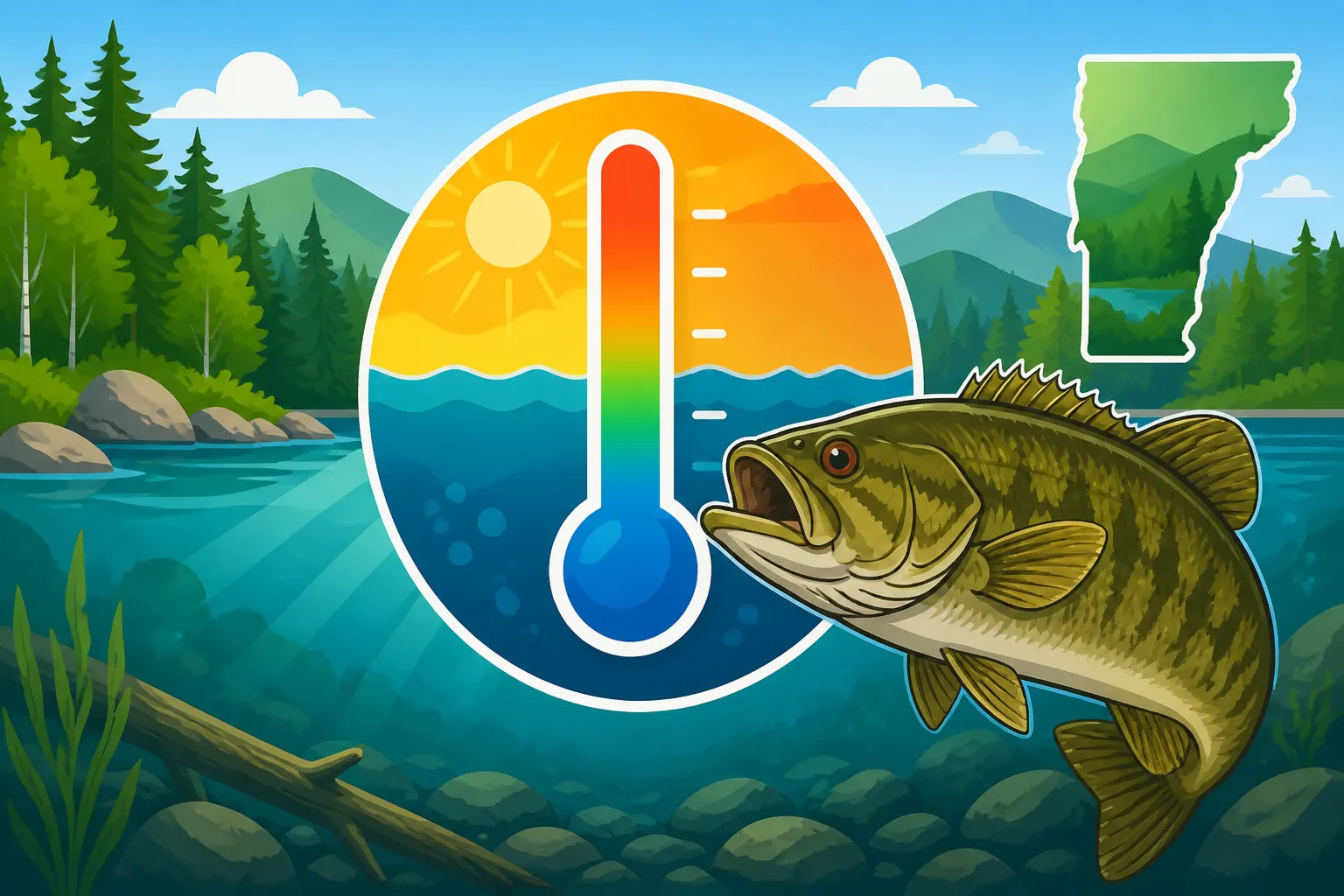
Smallmouth bass, like all fish, are cold-blooded creatures. This means their internal body temperature is directly regulated by the temperature of the surrounding water. Unlike us warm-blooded folks who can keep our bodies at a steady 98.6°F no matter the weather, a smallmouth's metabolism, activity level, and even their mood are inextricably linked to the thermometer reading in their watery home. Ignoring this critical factor is like trying to guess what a hungry person wants for dinner without knowing if they just woke up or ran a marathon.
When the water is too cold, a smallmouth's metabolism slows way down. They become lethargic, digesting food slowly, and often holding tight to cover, conserving energy. They're not actively hunting; they're in survival mode. Conversely, when the water gets too warm, especially during the dog days of summer, they can become stressed. Oxygen levels might drop, and their energy expenditure increases, pushing them to seek deeper, cooler, more oxygenated water. Understanding these metabolic shifts is the bedrock of successful smallmouth fishing throughout Vermont's diverse seasons, from the brisk waters of Lake Champlain in spring to the warmer ponds of southern Vermont in August.
The Science Behind Smallmouth Activity Levels
Think of a smallmouth bass's digestive system like a slow-cooker. In cold water, that slow-cooker is barely simmering. They might eat something, but it takes ages for them to process it, meaning they won't be hungry again for a long time. Their movements become deliberate, almost sluggish. They're not going to chase a fast-moving crankbait across open water. You need to present something slow, easy, and right in front of their face.
As the water warms up, that slow-cooker starts bubbling. Their metabolism speeds up, they digest food quicker, and they need to eat more frequently to maintain their energy. This is when they become those aggressive, hard-fighting smallmouth we all love. They'll chase down baitfish, smash topwater lures, and generally be much more willing to engage. However, there's a tipping point. If the water gets excessively hot, beyond their comfort zone, the stress outweighs the metabolic benefits. They might become active for short bursts but then retreat to cooler havens, becoming harder to tempt. This is a crucial aspect of Smallmouth Bass Habits on Lake Champlain.
Impact of Rapid Temperature Swings
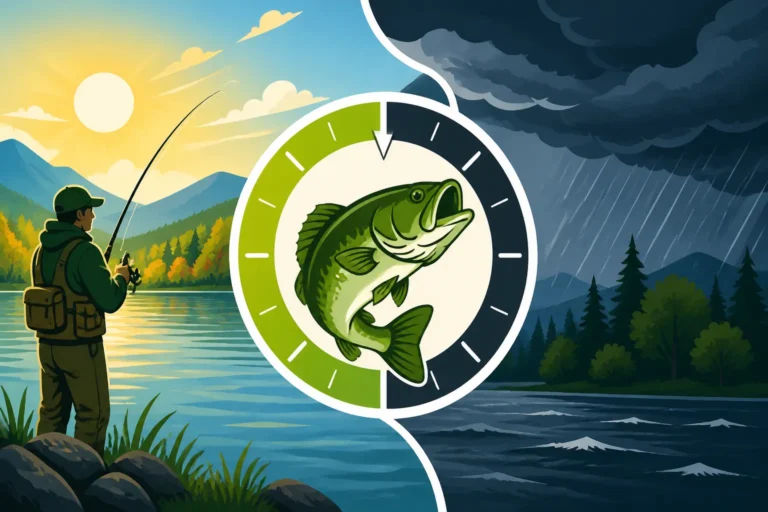
Vermont weather can be fickle. A beautiful, sunny week can be followed by a sudden cold snap or heavy rain that drops water temperatures rapidly. These quick changes can really throw smallmouth bass off their game. Just like we might feel sluggish after a sudden drop in temperature, fish react similarly. They often become less aggressive, suspending in the water column or burying into cover until their bodies adjust to the new conditions.
Conversely, a sudden warming trend after a prolonged cold spell can ignite a feeding frenzy. Think of it like a switch flipping on. The bass, which might have been dormant, suddenly find their metabolism cranking up, and they're ready to make up for lost meals. This often happens in spring, leading to some truly epic fishing days. The key is to pay attention to these weather patterns and understand how they translate to the underwater world. Knowing how to adjust for these conditions is often the difference between a frustrating day and a fantastic one.
Optimal Temperature Ranges for Active Smallmouth Bass in Vermont
Pinpointing the "perfect" water temperature for smallmouth bass isning isn't a single number, but rather a range that changes with the seasons and the bass's lifecycle. Across Vermont's diverse fishing spots, from the broad expanse of Lake Champlain to smaller, crystal-clear inland lakes, understanding these temperature windows will exponentially increase your chances of success.
Pre-Spawn Period: The Awakening (50-60°F)
As winter's grip loosens and ice-out occurs across Vermont's lakes, the water begins its slow climb from frigid depths. Once surface temperatures consistently hit the 50-degree Fahrenheit mark, smallmouth bass start to stir. This is the pre-spawn period, a time of increasing activity as they shake off winter's lethargy and begin to feed heavily to build energy reserves for spawning.
During this phase, smallmouth often congregate in staging areas – rocky points, transition zones between deep and shallow water, or the mouths of bays and creeks that warm up faster. They're looking for baitfish, crayfish, and anything else they can get their mouths on. They're still a bit cool, so while they're aggressive, they might not chase a lure very far. Slower-moving baits like suspending jerkbaits, blade baits, or jigs fished near the bottom can be incredibly effective. Consider trying these techniques at places like Lake Dunmore Fishing Guide or even the deeper sections of the Otter Creek Fishing Spots. This is a fantastic time to use a good quality waterproof thermometer, perhaps one you picked up from Amazon, to identify these crucial temperature breaks.
The Spawning Window: Nests and Nurturing (60-68°F)
When water temperatures consistently settle into the 60-68°F range, it's prime time for the smallmouth bass spawn in Vermont. This usually happens in late May to mid-June, depending on the specific lake and weather patterns. Males move into shallower, protected areas, often with gravel or rocky bottoms, to fan out circular nests. They guard these nests fiercely, protecting the eggs and then the fry from predators.
Fishing during the spawn requires a delicate touch and a strong commitment to catch-and-release. While bass on beds are often easy to spot and tempt with a lure (as they strike to defend the nest, not necessarily to eat), targeting them can be detrimental to the spawning success. If you do encounter bedding fish, consider moving on or limiting your interaction to a quick catch, photo, and immediate release. This practice helps ensure healthy fish populations for future seasons. Be sure to be aware of the Vermont Bass Catch-and-Release Season, Explained rules, which are specifically designed to protect these fish during their most vulnerable time.
Post-Spawn and Summer Feeding Frenzy (68-75°F)
Once the spawn is complete, and the water temperatures rise into the upper 60s and 70s, smallmouth bass enter their most active feeding phase. Post-spawn females, recuperating from the rigors of egg-laying, will feed aggressively, as will the males. This is when you can expect those incredible, acrobatic fights that smallmouth are famous for.
During summer, especially in large lakes like Lake Champlain or Lake Memphremagog, smallmouth will often relate to structure – humps, ledges, rock piles, and submerged timber – or roam open water in search of baitfish schools. They'll readily hit topwater lures in the mornings and evenings, crankbaits, spinnerbaits, and soft plastics throughout the day. If the water gets above 75°F, they might seek deeper, cooler water, but they'll still be looking for an easy meal. This is a time when understanding the "food chain" and baitfish patterns is key. For more detailed insights, check out How to Catch Smallmouth Bass in Vermont Lakes.
Fall Feast: Preparing for Winter (55-65°F)
As autumn leaves begin to change color and the days shorten, water temperatures gradually cool, dipping back into the 55-65°F range. This triggers another intense feeding period for smallmouth bass as they try to pack on weight for the long winter ahead. They often school up more tightly during this time, following baitfish into shallower bays or concentrating on deep-water structures.
Fall fishing can be exceptionally rewarding. Bass are aggressive and can be found across various depths. Crankbaits, jerkbaits, and swimbaits are highly effective as they mimic the larger baitfish bass are targeting. This is also a fantastic time to fish deeper structure with jigs or drop shots. The cooling water reinvigorates them, and they are less pressured than during the busy summer months. If you're looking for an adventure, consider targeting these hungry fish in the Best Kayak Fishing Spots in Vermont.
Here's a quick overview of how smallmouth bass activity relates to water temperature:
| Water Temperature Range | Smallmouth Behavior & Location | Recommended Techniques & Baits |
|---|---|---|
| Below 45°F | Extremely lethargic, deep holes, minimal feeding | Vertical jigging, slow retrieves, small presentations, finesse |
| 45-50°F | Slowly becoming active, holding tight to deep cover | Jigs, blade baits, suspending jerkbaits (slow twitches) |
| 50-60°F (Pre-Spawn) | Actively feeding, staging in transition areas, shallower flats | Suspending jerkbaits, crankbaits, jigs, spinnerbaits, slow rolls |
| 60-68°F (Spawn) | On beds, aggressive nest guarding, shallow gravel/rocky bottoms | Sight fishing with soft plastics or jigs (catch & release focus) |
| 68-75°F (Summer Active) | Highly active, feeding heavily, relating to structure and open water | Topwater, crankbaits, spinnerbaits, soft plastics, tubes, jigs |
| Above 75°F | Seeking cooler, deeper water, less active during midday | Early/late topwater, deep jigs, drop shot, slow retrieves |
| 55-65°F (Fall Feast) | Schooling, feeding heavily, all depths, chasing bait | Crankbaits, jerkbaits, swimbaits, jigs, tubes, spoons |
Adjusting Your Fishing Strategy for Different Water Temperatures
Knowing the ideal temperature ranges is only half the battle; the real skill comes in adapting your techniques to match what the bass are doing at any given temperature. Fishing in Vermont means being prepared for anything, sometimes even experiencing all four seasons in a single day! Being flexible with your approach will make you a much more successful angler.
Cold Water Tactics (Below 50°F)
When the water is chilly, below 50 degrees Fahrenheit, smallmouth bass are often sluggish and won't expend much energy chasing a meal. This is the time to slow everything down. Think finesse, patience, and precise presentations.
- Deep and Slow: Bass will typically be in deeper water, seeking stable temperatures. Target humps, ledges, and steep drop-offs.
- Finesse Baits: Small jigs (like Ned rigs or small football jigs), drop shots, and blade baits are excellent choices. A suspending jerkbait, like a Rapala Shadow Rap or a Megabass Vision 110, can be deadly when twitched slowly with long pauses. You can often find a great selection of these on Amazon.
- Bottom Contact: Many bites will come with your bait on or very near the bottom. Dragging jigs or slowly crawling tubes can be highly effective.
- Location, Location, Location: Bass might be schooled up tightly in specific areas. Once you find one, there are likely more. Focus on these small, productive zones. If you're looking for more tips on cold water, consider how they interact with Cold Front Fishing Tactics for Vermont Bass.
Moderate Water Tactics (50-68°F)
This is a fantastic range, covering the exciting pre-spawn and the critical spawning periods. Bass are becoming more active and aggressive, but still value efficiency.
- Pre-Spawn Aggression: As temperatures climb into the 50s and low 60s, bass are hungry! Moving baits become very effective. Crankbaits, spinnerbaits, and swimbaits can cover water and elicit reaction strikes. Try searching for "Best Baits for Smallmouth Bass on Lake Champlain" to see what other anglers are having success with in similar waters.
- Jerkbaits Shine: Suspending jerkbaits are still kings in this range. The bass are willing to move for them, and the pauses allow the fish to commit without expending too much energy. Experiment with different pause durations.
- Target Staging Areas: Look for the classic smallmouth staging zones: rocky points, gravel flats adjacent to deep water, and transitions from main lake basins into spawning bays.
- Spawning Care: During the 60-68°F spawning window, if you choose to target bedding bass, use lighter tackle and soft plastics (like tubes or creature baits) pitched directly into the nest. Remember the importance of quick, careful release. For general gear advice, Best Spinning Rods for Smallmouth Bass offers great choices for this type of finesse fishing.
Warm Water Tactics (Above 68°F)
Summer brings hot water, and while smallmouth remain aggressive, they often need to find ways to cope with the heat, especially during the brightest part of the day.
- Morning and Evening Topwater: When the sun is low, and temperatures are cooler near the surface, topwater fishing for smallmouth bass can be explosive. Poppers, walk-the-dog baits, and buzzbaits can generate thrilling strikes. For more on this, check out Topwater Fishing for Smallmouth Bass in Vermont.
- Deep Water & Shade: As the sun climbs, bass will often retreat to deeper, cooler water or seek refuge in shade provided by docks, submerged timber, or weed lines. Deep-diving crankbaits, football jigs, and drop shots become essential for reaching these fish.
- Power Fishing: Covering water quickly with crankbaits, spinnerbaits, and faster retrieves can be effective, especially if you're targeting roaming schools of aggressive fish.
- Current Focus: In rivers or areas with current (like some sections of Lake Champlain), bass will often use current breaks to ambush prey, finding cooler, oxygenated water.
- Night Fishing: For those truly hot spells, don't overlook night fishing for smallmouth. They become more active under the cover of darkness, moving shallower to feed.
Reading the Water: How to Measure and Interpret Temperatures
You can't effectively adjust your strategy if you don't know the water temperature. Relying on air temperature alone is a gamble, as water heats and cools at a different rate and retains heat differently. Integrating a reliable water temperature gauge into your fishing routine is a game-changer for Vermont anglers.
Essential Tools for Temperature Measurement
There are a few key tools every serious smallmouth angler should consider for accurate temperature readings:
- Portable Water Thermometers: These are simple, inexpensive devices that you can drop into the water to get a reading. Many come with a long cord and a weight, allowing you to check temperatures at various depths. You can easily find a durable, accurate model with good reviews on Amazon. Look for ones designed for fishing or aquariums, as they tend to be more precise.
- Fish Finders with Temperature Sensors: Most modern fish finders, even entry-level models, come equipped with a transducer that includes a temperature sensor. This is incredibly convenient as it provides real-time surface temperature readings as you move. Some advanced units can even map temperature changes in the water column. If you're serious about your fishing, investing in a quality fish finder is well worth it, and you can compare different models and read customer reviews on Amazon.
- Boat-Mounted Thermometers: Some boats have dedicated, permanently mounted thermometers, though these are less common than fish finder integration.
Where and When to Measure
Simply measuring the surface temperature from the dock isn't always enough. Water temperatures can vary significantly based on depth, sunlight exposure, and current.
- Surface Temperature: This is your starting point. It's often warmest in shallow bays and along sunny shorelines, and cooler in deeper, main lake areas. This is what your fish finder will typically show.
- Depth Temperatures: For deeper lakes, like Lake Champlain or Willoughby, understanding how temperature changes with depth is crucial. Smallmouth might be holding at the thermocline – the layer where water temperature changes rapidly – seeking comfort. You can test different depths with a weighted portable thermometer.
- Target Specific Areas: Don't just measure in one spot. Check temperatures in potential staging areas, known spawning flats, and deeper structures. You'll often find bass concentrated where a slight temperature difference creates a more comfortable zone for them.
- Monitor Throughout the Day: Temperatures can change, especially in spring and fall. A bay that was 55°F in the morning might warm up to 60°F by afternoon, triggering increased activity. Keep an eye on the readings, particularly if your fishing success changes.
By understanding how temperature dictates smallmouth behavior and equipping yourself with the right tools to read the water, you'll transform your Vermont fishing trips. No longer will you be guessing; you'll be strategically targeting fish based on real-time data and a deep understanding of their preferences. This knowledge, combined with the right bait and technique, is your secret weapon for consistent success on the water.
Disclaimer
Please note that fishing regulations, including season dates and specific rules for certain waters, are subject to change. Always consult the most current Vermont Fish & Wildlife Department regulations before heading out on the water. This guide is for informational purposes only and should not replace official sources.