Best time to fish for walleye at dusk
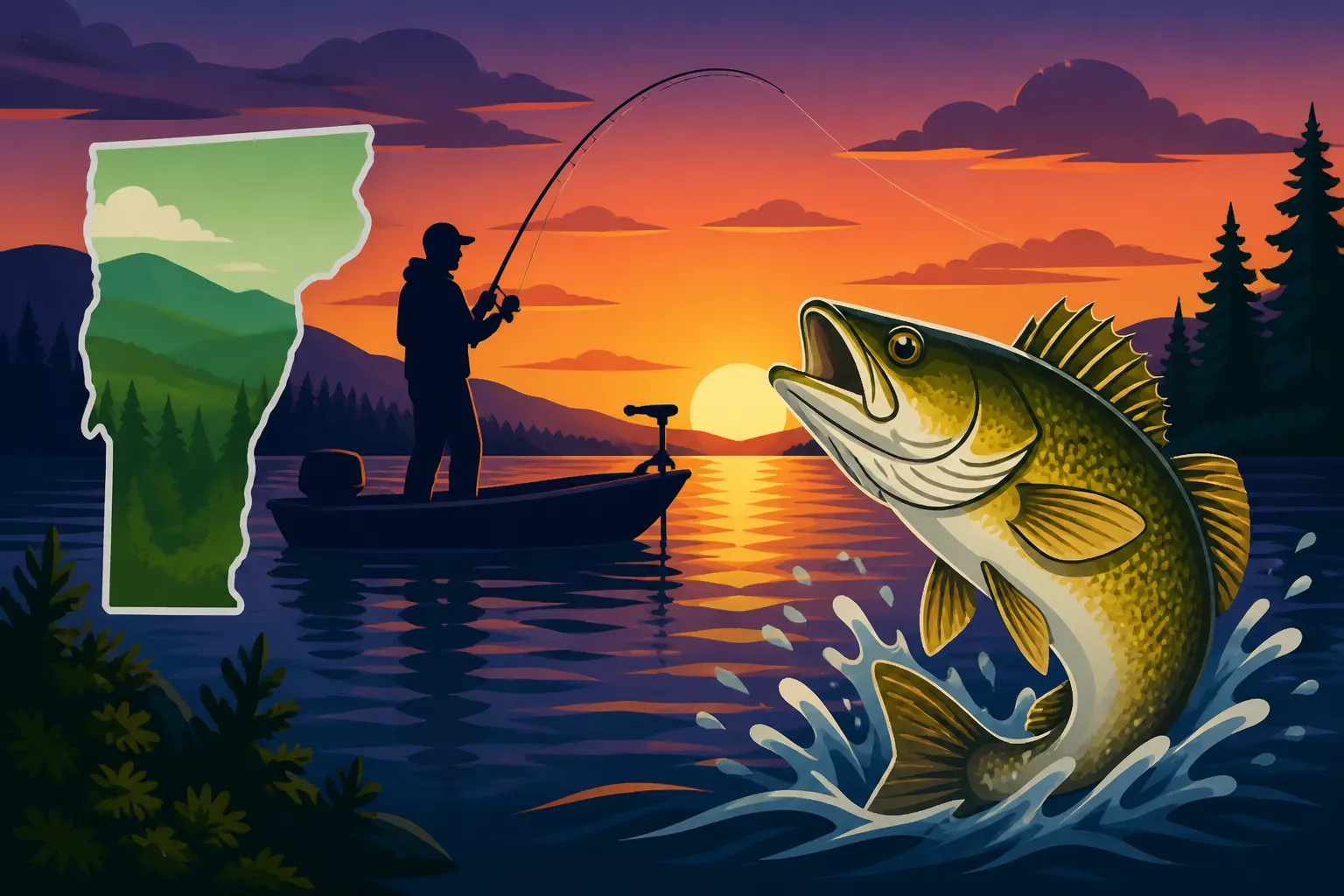
Have you ever found yourself out on a Vermont lake, the sun beginning its slow descent, painting the sky in fiery oranges and purples, and wondered if this magical time was truly the best moment to tempt a walleye? Many anglers, myself included, have felt that specific anticipation as daylight fades. This guide is here to tell you that your gut feeling is right: dusk is often the prime window for hooking into those elusive, toothy predators in Vermont waters, and we’ll dive into why and how to make the most of it.
Why Dusk is Prime Time for Walleye in Vermont
Walleye are fascinating fish, and understanding their behavior is key to consistent success. Unlike some other species that might get lethargic as evening approaches, walleye often become more active and opportunistic when the light starts to disappear. It’s a natural shift rooted deeply in their biology, making dusk not just a good time, but often the best time to be on the water.
The Low-Light Advantage for Walleye
Walleye possess superior low-light vision, a distinct evolutionary advantage that turns the dimming light of dusk into their personal hunting hour. Their large eyes have a tapetum lucidum, a reflective layer behind the retina that enhances their ability to see in minimal light conditions, far outperforming many of their prey species and competing predators. This means that as the sun dips below the horizon and the world becomes a murky blur to baitfish and human eyes alike, walleye are just getting started. They can effectively ambush unsuspecting prey that can no longer see them coming, giving them a significant edge.
Think of it this way: for most of the day, walleye might be hugging deeper, darker structures, or staying in shaded areas to avoid bright sunlight, which can bother their sensitive eyes. As dusk approaches, that discomfort fades, and they feel more confident moving into shallower, more productive feeding grounds. This transition is less about comfort and more about exploiting their visual prowess. Anglers who understand this often adjust their entire approach to capitalize on this natural phenomenon, knowing that the walleye are on the prowl.
Prey Movement and Opportunistic Feeding
As the sun sets, a major shift occurs in the aquatic food chain. Many baitfish species, like alewives, smelt, or yellow perch, which might have been scattered or holding in deeper water during the day, begin to move. They often migrate towards shallower flats, weed lines, or rocky points to feed on insects, crustaceans, or even smaller fish. This predictable movement of forage fish creates a veritable buffet for hungry walleye.
The walleye, being opportunistic predators, are well aware of these nightly migrations. They will position themselves strategically along the edges of these feeding zones, waiting for an easy meal to swim by. This means that if you can identify where the baitfish are staging or moving, you're likely to find walleye right there with them, or just outside the main school, ready to strike. Focusing on areas where baitfish are known to aggregate during low light, especially on a large body of water like Lake Champlain Fishing Guide, can dramatically increase your chances of success.
Understanding Walleye Behavior at Dusk
Knowing why walleye prefer dusk is one thing, but understanding how they behave during this specific window is what truly translates into more fish in the net. Their movements and feeding intensity change rapidly, and being attuned to these shifts can help you pinpoint their locations and preferred presentation.
Transition from Deep to Shallow
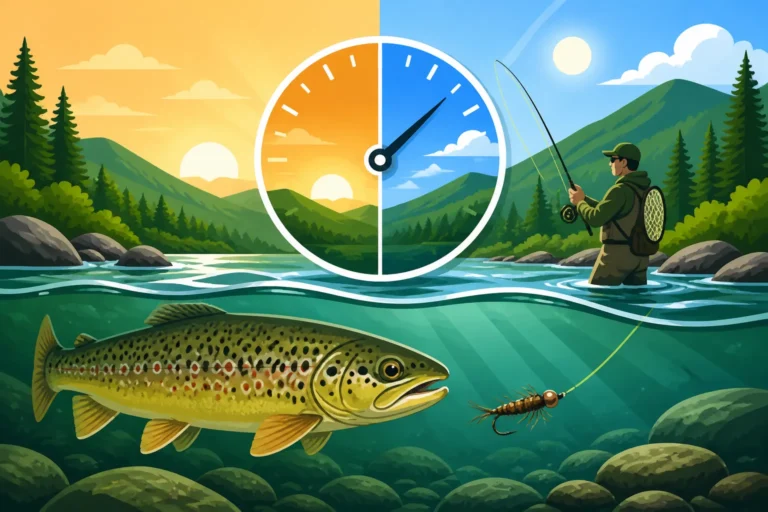
Throughout the day, especially during bright sunlight, walleye often retreat to deeper, cooler waters where light penetration is minimal. They might be suspended over deep basins, hunkering down on offshore humps, or relating to steep breaks where shadows offer sanctuary. As dusk approaches, a remarkable migration often begins. These fish, driven by their superior low-light vision and the promise of an easier meal, start to ascend from their daytime haunts.
They will move from deeper water towards shallower flats, rocky shoals, weed edges, and even shoreline structure. This upward and inward movement can be quite rapid, sometimes occurring within a narrow 30-60 minute window just before and after the sun disappears. This is why being in the right place at the right time is paramount. Targeting these transition zones – the underwater pathways walleye use to move from deep to shallow – is often more productive than fishing either extreme. If you're struggling to locate fish, consider these migration routes and focus on depths that bridge the gap, like 10-20 feet, before moving into the true shallows.
Aggressive Feeding Windows
While walleye are active throughout the entire dusk period, there are often specific, shorter windows within that time frame when their feeding aggression peaks. This "power hour" (or half-hour, depending on the conditions) is usually right around sunset and shortly thereafter. As the last rays of sun disappear, and for the next 30-90 minutes, walleye can become incredibly bold and active. This is when they are most likely to aggressively chase down baits and strike with conviction.
Beyond this initial burst, activity may taper slightly but continue into true darkness, as covered in our guide on Night Fishing for Walleye on Lake Champlain. The key is to be ready and have your presentation dialed in during this prime window. Water clarity, weather conditions, and even moon phase can influence the exact timing and duration of these aggressive feeding periods. For instance, on a cloudy evening or during a new moon, the low-light advantage might extend further into the afternoon and deeper into the night. Conversely, a bright full moon can sometimes spread out their feeding activity, making the concentrated dusk bite a bit less intense. Observing your local conditions and past experiences will help you fine-tune when to expect the most intense bites.
Tactics for Targeting Walleye at Dusk
Now that we understand the "why" and "when," let's talk about the "how." Successfully targeting walleye at dusk in Vermont requires a blend of specific techniques, lure choices, and an understanding of where these fish will likely be found.
Casting Shorelines and Structure
When walleye move shallow at dusk, they often relate directly to visible or submerged structure. This makes casting a highly effective tactic, especially from a boat or even from the bank if you have access to good cover. Focus your efforts on:
- Rocky Points and Reefs: Walleye love rocky areas. These spots not only provide ambush points but often hold crawfish and other forage. Cast crankbaits, jigs, or even slip bobber rigs with live bait around these rocky structures. The trick is to get your lure to deflect off the rocks without getting snagged.
- Weed Lines: The edges of submerged weed beds are phenomenal walleye magnets at dusk. Baitfish hide in the weeds, and walleye cruise the edges, picking them off. Cast shallow-running crankbaits, spinnerbaits, or weedless jigs along these seams. Look for pockets within the weeds where walleye might be staging.
- Shoreline Drops and Tapering Flats: As walleye move up, they will often patrol the first significant drop-off or the edge of a flat that tapers into deeper water. Fan-cast these areas, covering a range of depths with each cast. A classic minnow-imitating crankbait worked over these spots can be deadly. Remember, walleye aren't always right on the bank; they might be just a cast or two out from shore.
The beauty of casting at dusk is that you can cover a lot of water relatively quickly and adapt to where the fish are showing up. Keep your retrieves varied, experimenting with speed and pauses until you find what triggers a strike. A sensitive rod and braided line can help you feel those subtle walleye bites in the diminishing light.
Slow Trolling and Drifting
While casting is great for specific structures, slow trolling or drifting can be incredibly effective for covering larger areas, especially when trying to locate scattered fish or determine their preferred depth. This is where your boat and electronics really shine.
- Trolling: Using a small outboard or electric motor, troll crankbaits or spinner rigs along contours, break lines, or over open flats where you've marked baitfish. The ideal trolling speed for walleye is often quite slow, typically 1 to 2.5 miles per hour, but it can vary based on lure type and fish activity. Experiment with different speeds until you find what the walleye are reacting to. You can find excellent options for Best Trolling Gear for Lake Champlain Walleye on retailers like Amazon. Use planer boards to spread out your lines and cover a wider swath of water, or run multiple rods at different depths directly behind the boat. Pay close attention to your fish finder to identify promising structure or schools of baitfish.
- Drifting: If there's a gentle breeze, drifting can be a highly productive and low-effort way to present baits. Rig up live bait (like a shiner or nightcrawler on a Lindy Rig or slip bobber) or jigs, and let the wind push your boat across a promising flat or over a hump. This allows for a very natural presentation and often leads to strikes from hesitant walleye. When drifting, keep your line as vertical as possible to maintain contact with your bait and feel those subtle bites. If you have a fish finder, you can monitor your depth and adjust your bait placement as you drift over different bottom features. This technique is particularly effective for fishing structure for walleye on Lake Champlain.
Both trolling and drifting allow you to present your bait in a consistent manner, which can be crucial when walleye are finicky. Keep notes on where you get bites – specific depths, structure, or even particular sections of a contour – as these patterns often repeat night after night.
Live Bait vs. Artificial Lures
The age-old debate in walleye fishing continues at dusk: live bait or artificial lures? The truth is, both have their place, and often, the best approach involves being ready to use either.
- Live Bait: There's just something about live bait that walleye can't resist, especially when they're being a bit picky. Minnows (shiners, fatheads), nightcrawlers, and leeches are all walleye favorites. Live bait presented on a slip bobber rig near structure, a Lindy Rig dragged slowly on the bottom, or even trolled behind a crawler harness can be incredibly effective at dusk. The natural scent and movement of live bait are hard to beat, particularly in low-light conditions when visibility is reduced. For slower presentations or when walleye are less aggressive, live bait can often coax a strike when artificials might fail.
- Artificial Lures: Modern artificial lures are incredibly effective for walleye, especially during those aggressive feeding windows at dusk.
- Crankbaits: Shallow-running and suspending crankbaits are fantastic for casting to shorelines and trolling. Choose natural baitfish patterns for clear water and brighter, more aggressive colors (like firetiger or chartreuse) for stained water. Rattling crankbaits can also be very effective in low light, as the noise helps walleye locate the lure.
- Jigs: Tipping a jig with a plastic grub, minnow imitation, or a piece of live bait (like a minnow head or half a nightcrawler) is a classic walleye killer. Vertical jigging over deep structure or casting and retrieving along shallow breaks are both productive methods. Pay attention to jig weight to ensure your lure is getting to the right depth and maintaining good bottom contact.
- Spinnerbaits/Blade Baits: These can be great search baits, especially for active fish. The flash and vibration can draw walleye in from a distance. Experiment with different blade types (Colorado, Indiana, Willow) and sizes to find what the fish prefer. You can find a huge variety of these options, even specific walleye-focused kits, on Amazon.
The best approach is often to start with what you have confidence in, but be willing to switch if the bite is slow. Sometimes, live bait is the only thing they'll touch; other times, a fast-moving crankbait triggers reaction strikes. A table outlining some popular choices and their best uses at dusk might look something like this:
| Lure Type | Best Use at Dusk | Key Features | Retrieve/Presentation |
|---|---|---|---|
| Crankbaits | Trolling, Casting Shorelines/Flats | Rattles, vibrant colors, shallow to mid-depth | Slow troll, cast & retrieve with pauses |
| Jigs | Vertical Jigging, Pitching to Structure, Drifting | Tipped with plastics/live bait, various weights | Lift & drop, slow hop, subtle swim |
| Live Bait (Minnows, Worms, Leeches) | Slip Bobber, Lindy Rig, Crawler Harness (trolled) | Natural scent & movement, universally effective | Slow drift, dead stick, slow troll |
| Spinner Rigs | Trolling, Drifting | Flashy blades, often with live bait | Slow troll along contours, drift over flats |
| Swimbaits | Casting, Slow Retrieve over Weeds/Structure | Realistic profile, paddle tail action | Steady retrieve, slow roll near bottom |
Gear Essentials for Dusk Walleye Fishing
Fishing at dusk, and potentially into the night, requires a few specialized pieces of gear that go beyond your standard daytime setup. Safety, visibility, and the ability to handle gear in low light become paramount.
Low-Light Vision and Safety
When the sun goes down, even familiar surroundings can become disorienting. Prioritizing safety and your ability to see what you're doing is crucial.
- Headlamp or Cap Light: This is non-negotiable. A good quality headlamp with multiple brightness settings and a red light option (which preserves night vision better) is essential. You'll need it for tying knots, unhooking fish, navigating your boat, and getting to and from your fishing spot. Always carry spare batteries! Products from companies like Black Diamond or Petzl are often recommended for their reliability and range of features.
- Boat Lights: If you're in a boat, ensure all your navigation lights are fully functional and properly displayed. Many states, including Vermont, have strict regulations regarding boat lighting after sunset, which our Vermont Boating Laws for Anglers guide details. It's not just about avoiding a ticket; it's about avoiding collisions. Having an additional spotlight or handheld flashlight can also be very helpful for spotting buoys, debris, or landmarks.
- Reflective Tape/Clothing: Wearing a hat or jacket with some reflective material can make you more visible to other boaters or shore users, even if you’re just walking along a trail to a bank fishing spot. Safety should always be your number one concern when fishing in low light conditions. You can even find reflective tape on Amazon to add to your existing gear.
Being prepared with proper lighting isn't just a convenience; it's a critical safety measure that can prevent accidents and ensure you have an enjoyable, stress-free time on the water.
Rod, Reel, and Line Considerations
While your daytime walleye setup might work, a few tweaks can make your dusk fishing more effective.
- Sensitive Rod: Walleye bites can be incredibly subtle, especially in low light when you're relying more on feel than sight. A medium-light to medium power spinning or baitcasting rod with a fast or extra-fast action is ideal. Graphite rods tend to be more sensitive than fiberglass, allowing you to detect those faint "thumps" or spongy feelings that indicate a walleye has taken your bait. The added sensitivity helps you feel the bottom, detect subtle lure deflections, and react quickly to strikes.
- Smooth Reel: A smooth-operating reel with a reliable drag system is important for fighting walleye, especially larger ones that might make strong runs. Ensure your reel is properly spooled with fresh line. For spinning reels, a 2000-3000 series is usually adequate, while baitcasting reels should be sized appropriately for your rod and target fish.
- Line Choice: Braided line with a fluorocarbon leader is a popular choice for walleye. Braid offers superior sensitivity and no stretch, helping you feel bites better. A fluorocarbon leader (6-12 lb test, depending on water clarity and cover) provides invisibility in the water and abrasion resistance. Some anglers prefer monofilament in low light for its stretch (which can be forgiving) and ease of handling, but you'll sacrifice some sensitivity. Consider using a brighter colored braided line that is easier to see when tying knots with your headlamp, but make sure it's followed by a clear fluorocarbon leader.
Always check your knots and line for nicks or abrasions before you head out, as these weak points are more likely to fail when fighting a fish in the dark. Having a reliable setup means you can focus on the fishing rather than worrying about your gear.
Essential Lures for Dusk
While we touched on specific lures earlier, it's worth highlighting some absolute must-haves for your dusk walleye arsenal, particularly for How to Catch Walleye on Lake Champlain.
- Dark-Colored Jigs: While light colors work during the day, dark colors (like black, blue, or purple) can create a stronger silhouette against the lighter sky or water surface, making them more visible to walleye from below. Pair them with soft plastics that have a lot of tail action, such as a paddle tail grub or a ribbon tail worm.
- Rattling Crankbaits: The added noise from rattles can be a huge advantage in low light. Walleye might not see the lure perfectly, but they can certainly hear it. Shallow to medium-diving crankbaits in firetiger, perch, or dark patterns are excellent choices. Brands like Rapala, Berkley, and Bandit offer a wide selection of effective rattling crankbaits, often easily found on Amazon.
- Minnow-Imitating Jerkbaits: Suspending jerkbaits that mimic the erratic action of a wounded baitfish can be deadly. Give them a twitch-pause-twitch retrieve, letting them hang motionless in the water column during the pauses. This can often trigger a strike from a wary walleye. Again, natural colors for clear water and bolder patterns for murkier conditions are a good starting point.
- Spinnerbaits: With their flash and vibration, spinnerbaits can be great for covering water and calling in active fish. Tandem blade models (e.g., Colorado/Willow combination) offer a good balance of flash and thump. These are particularly effective when retrieved slowly along weed lines or over shallow flats.
Remember to have a variety of colors and sizes on hand. Walleye can be incredibly particular, and what works one evening might not work the next. Don't be afraid to experiment until you find the "hot" lure for that specific night. Always remember to check Vermont Fishing Seasons by Month to ensure you're fishing within legal dates.
Navigating and Fishing After Sunset in Vermont
While the dusk bite is often fantastic, transitioning into true night fishing, or simply staying out a bit longer, brings its own set of challenges and considerations. Being prepared and understanding basic navigation and safety is critical.
Understanding the Environment at Night
Fishing as twilight fades into darkness fundamentally changes your relationship with the environment. What might be easily navigable during the day becomes a potential hazard at night.
- Visibility Changes: Obvious landmarks disappear. The shoreline blends into a dark mass, and subtle changes in water color or current become impossible to discern. This is where relying on your electronics and pre-planned routes becomes vital. If you’re fishing a lake like Lake Champlain, its vastness can feel overwhelming in the dark. Always have a good GPS unit (even if it's just on your phone with a mapping app) and know how to use it to mark hazards or your intended path.
- Sound Perception: While sight diminishes, other senses become heightened. You'll often hear baitfish jumping, walleye splashing, or other subtle sounds you might miss during the day. Learn to use these auditory cues to your advantage. If you hear a commotion, it’s often a sign of feeding activity, and it might be worth making a few casts in that direction.
- Temperature Drops: Especially in spring and fall, air temperatures can drop significantly after sunset. Dress in layers, including waterproof outer shells, even if it feels warm when you start. Hypothermia is a serious risk, and being cold makes it harder to concentrate and react effectively.
Never assume you know a body of water at night just because you've fished it countless times during the day. Every rock, every shallow bar, every stump seems to multiply in the darkness. Treat every night outing as if you're on unfamiliar waters, and exercise extreme caution.
Using Electronics Effectively at Dusk and Night
Modern marine electronics are invaluable tools for dusk and night walleye fishing. They can give you a clear picture of what's happening beneath the surface, even when your own eyes fail.
- Fish Finders and Sonar: Your fish finder becomes your eyes below the surface. Use it to identify schooling baitfish, humps, ledges, and individual walleye holding tight to structure. Many units have adjustable screen brightness and color palettes that can be optimized for low-light viewing. Some even offer "night mode" or inverse color schemes which are easier on the eyes. Pay close attention to bottom contours and any suspended marks that could be walleye or their prey.
- GPS and Mapping: Pre-marking waypoints during the day is a smart move. Mark productive spots, hazards, boat ramps, and clear channels. Using a detailed map on your GPS unit allows you to follow contours, return to precise locations, and navigate safely back to shore. Many units allow you to overlay bathymetric charts, giving you a detailed underwater topography. Before you go, study the map of your chosen water, whether it's Lake Memphremagog Fishing Guide or a smaller pond, and visualize your fishing plan.
- Chart Plotters: These integrated systems combine GPS, mapping, and sonar, offering a comprehensive view. The ability to mark a walleye bite on your chart plotter and immediately see your depth, speed, and surrounding structure is a huge advantage. These devices can also track your trolling paths, allowing you to replicate successful patterns or avoid unproductive water.
It's a good idea to spend some time learning your electronics during daylight hours so you're proficient with them before you need to rely on them in the dark. Adjusting settings, marking waypoints, and interpreting sonar returns should be second nature.
Post-Sunset Strategy and Safety
Once the sun is truly gone, your strategy might shift slightly. The initial aggressive bite might slow, but walleye often remain active, just perhaps a bit less frantic.
- Slow Down Your Presentation: As the night deepens, walleye can sometimes become less willing to chase fast-moving baits. A slower, more deliberate presentation with live bait or a slowly jigged plastic can often be more effective. The walleye still have their low-light advantage, but their immediate urgency might subside after the initial dusk feeding frenzy.
- Focus on Known Walleye Haunts: Don't waste time searching new water. Stick to areas you know hold walleye, or spots that are historically productive at night. This might be a specific rocky shoal, a deep weed line, or a particular break on Lake Willoughby Fishing Guide. Walleye often relate to the same structures consistently.
- Maintain Awareness: Always be aware of your surroundings. Other boaters might also be out, sometimes without proper lighting. Keep an eye on the weather; a sudden storm can be much more dangerous at night. Regularly check your lines, knots, and ensure all your gear is within easy reach. A well-organized boat or bank setup can save you a lot of fumbling in the dark.
- Buddy System: If possible, fish with a partner, especially at night. There's safety in numbers, and an extra pair of hands is always helpful for netting fish, handling gear, or in case of an emergency. This is particularly important if you're venturing into more remote areas or larger waters.
Dusk fishing for walleye in Vermont is an incredibly rewarding experience, offering some of the most exciting bites of the year. By understanding their natural behavior, employing the right tactics, and prioritizing safety with the right gear, you can unlock the magic of those twilight hours and bring home some fantastic fish.
Disclaimer
This article is for general informational purposes only and does not constitute professional advice. Laws, prices and regulations vary by location and change over time. Consult a qualified professional for guidance on your specific situation.