How to catch holdover trout in Vermont
There's nothing quite as frustrating as heading out to a favorite trout stream or pond in Vermont, feeling confident after a recent stocking, only to find the fish are nowhere to be found, or worse, they're there but completely ignoring your offerings. We've all been there, scratching our heads, wondering why these seemingly plentiful trout aren't biting. Oftentimes, it's not the fresh stockers you're failing to fool, but rather those wily "holdover" trout – the ones that have survived previous stockings and adapted to their new home. This guide will walk you through understanding these smarter, stronger fish and the specific techniques you'll need to catch them in Vermont's diverse waters.
Understanding Vermont's Holdover Trout
When we talk about trout fishing in Vermont, many folks immediately think of freshly stocked fish. And while those eager eaters certainly provide some fun, there's a whole other class of trout out there that presents a more challenging, and ultimately more rewarding, experience: the holdovers. These are the survivors, the ones who have seen it all and learned to be wary.
What Exactly is a Holdover Trout?
A holdover trout is essentially any trout that has survived at least one season in a water body after being stocked. Unlike the recently released trout, which might still be disoriented and eager to strike at almost anything, holdovers have "wised up." They've had time to acclimate to their new environment, learn about natural food sources, and, most importantly, become wary of anglers and their offerings.
Think of it like this: a freshly stocked trout is like a tourist who just arrived in a new city – a bit lost, easily impressed, and likely to fall for the first shiny thing they see. A holdover, on the other hand, is a seasoned local. They know all the best spots, the hidden dangers, and they're not easily fooled by tourist traps. They've found their preferred lies, learned the feeding lanes, and are intimately familiar with the local insect life and baitfish. These fish often grow larger, develop more vibrant, natural coloration, and sport healthy, intact fins, unlike the often-abraded fins of freshly stocked fish. They are true trophies in their own right, offering a more genuine angling challenge.
Why Holdovers are Different from Freshly Stocked Trout
The difference between a holdover and a fresh stocker isn't just about time in the water; it's about a complete shift in behavior, diet, and even appearance. Many anglers get frustrated because they use the same tactics for holdovers that worked wonders on the recently released fish, only to be met with constant refusal.
Freshly stocked trout are often hatchery-raised, accustomed to a pellet diet, and haven't encountered many predators or fishing pressure. They're often found in more open, easily accessible areas, and will readily hit brightly colored PowerBait, worms, or simple spinners. Their instinct to feed overrides their caution.
Holdover trout, however, have evolved. They begin to forage naturally, keying in on local insect hatches, nymphs, crayfish, and smaller baitfish. Their diet becomes much more specific, making "match the hatch" principles incredibly important for fly anglers, and subtle, natural presentations crucial for spin fishermen. They seek out cover – fallen trees, undercut banks, deep pockets, large boulders – not just for protection from predators but also as prime ambush points for food. Their wariness is paramount; they'll often spook at shadows, sudden movements, or unnatural presentations. Their colors deepen, their spots become more pronounced, and their fins grow out, giving them a wilder, more robust look. Catching one feels like a significant accomplishment because you've outsmarted a fish that has already outsmarted many others.
Where to Find Vermont's Holdover Trout
Finding holdover trout isn't about blind casting into open water; it's about understanding their preference for structure, depth, and safety. These fish are looking for refuge and reliable food sources, and they aren't going to be hanging out in the most obvious spots.
You'll often discover holdovers in deeper pools of rivers and streams, especially those with significant current breaks, large boulders, or submerged timber. Undercut banks are also prime locations, offering both cover and a steady stream of food. In lakes and ponds, look for them around points, submerged humps, weed lines, and areas with significant depth changes. Tributary mouths, where cooler, oxygenated water enters, can also be excellent, particularly during warmer months. Any place that offers a bit of a sanctuary from predators and direct sunlight, combined with a steady food supply, is a potential holdover haven.
Certain Vermont waters are particularly renowned for their ability to sustain holdover trout, thanks to good water quality, ample habitat, and consistent stocking programs that allow some fish to thrive. Some of Vermont's larger rivers and deeper lakes, like sections of the Battenkill, White River, or even deeper pockets of larger ponds, can be exceptional. Remember to consult the Vermont Trout Season and Stocking Rules to understand which waters are stocked and what the general fishing guidelines are for them. Also, a quick review of Vermont Fishing Regulations Explained will ensure you're fishing legally and responsibly.
Essential Gear and Tackle for Holdover Trout
Successfully targeting holdover trout requires a bit more finesse and specialized gear than you might use for their freshly stocked cousins. These fish are smarter, shier, and demand a more refined approach. Skimping on your setup could mean the difference between a memorable catch and a frustrating day of empty casts.
The Right Rod, Reel, and Line Setup
When it comes to holdover trout, stealth and sensitivity are key. Forget the heavy bass rods or thick monofilament. You'll want to scale down your gear significantly.
For spinning setups, a light to ultra-light action rod, typically in the 6 to 7-foot range, is ideal. This length provides good casting distance while maintaining the sensitivity needed to detect subtle bites and protect light lines. Pair this with a small, high-quality spinning reel (size 1000 or 2000) spooled with 4-6 pound test monofilament or fluorocarbon. Many experienced anglers opt for a braid main line (4-8 lb test) for its sensitivity and casting distance, coupled with a 4-6 foot fluorocarbon leader. Fluorocarbon is nearly invisible underwater and has excellent abrasion resistance, which is crucial when fishing around rocky structures where holdovers often hide. For more insights on general gear, check out Best Gear for Vermont Trout Fishing.
Fly fishing for holdovers often means going lighter with your leader and tippet. A 3-weight to 5-weight fly rod is generally sufficient, depending on the size of the water and the flies you're presenting. A weight-forward floating line is versatile for most nymphing and dry fly situations. Where it truly matters, however, is your leader and tippet. You'll want to use longer leaders (9-12 feet) tapered down to delicate 5x, 6x, or even 7x tippet. This helps to ensure a natural drift and keeps your fly from being dragged unnaturally by the current. If you're new to fly fishing, a good starting point for learning more is Best Fly Rods for Vermont Trout Streams.
Baits, Lures, and Flies that Fool Wary Holdovers
Holdovers are less likely to fall for brightly colored, artificial "junk food." They're looking for something that looks, smells, or acts like their natural prey.
For bait fishermen, natural offerings tend to be the most effective. Live worms (like nightcrawlers or garden worms), small minnows (where legal, always check regulations!), or even crayfish (small ones, or pieces) can be deadly. Present these baits as naturally as possible, with minimal weight or on a very light leader, allowing them to drift with the current. Pay close attention to presentation; a bait dragging unnaturally will be ignored.
Lure anglers should focus on smaller, more subtle presentations. Tiny inline spinners (size 0 or 1) in natural colors like silver, gold, or black can be effective, especially when fished upstream and allowed to drift back. Small spoons that flutter entice rather than aggressively flash. Micro-jigs tipped with a small plastic grub or worm can also work wonders, mimicking natural insect larvae. Ultra-light jerkbaits, twitched subtly to imitate an injured baitfish, can also trigger strikes. Many of these specialized lures and baits can be found with a quick search on Amazon, allowing you to compare options and read reviews from other anglers.
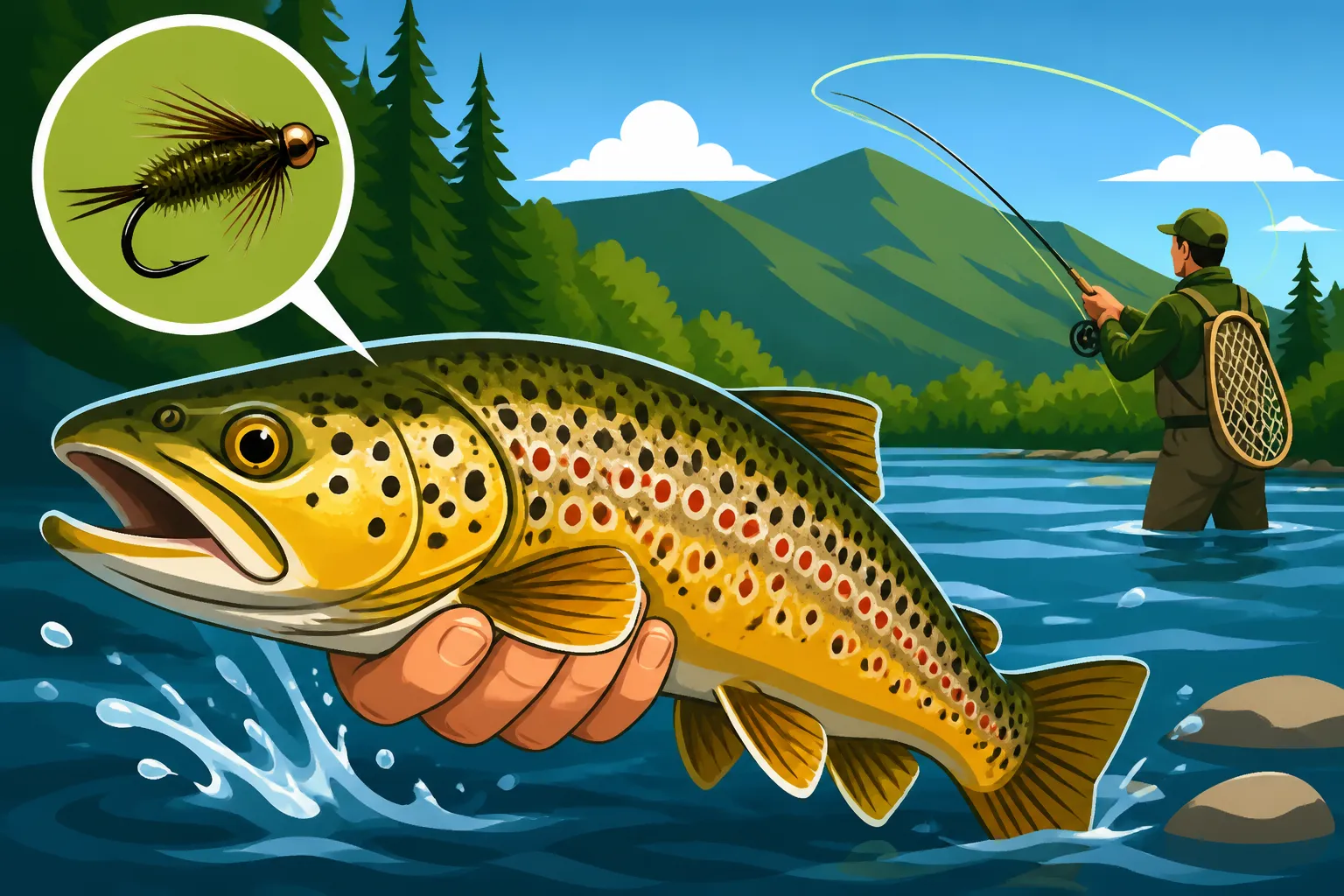
Fly fishermen will find the widest range of options. Nymphs that imitate common aquatic insects (Hare's Ear, Pheasant Tail, Prince Nymph) are almost always a good bet, fished dead-drift under an indicator or using Euro nymphing techniques. For rising fish, matching the hatch with dry flies (Caddis, Mayfly, Stonefly imitations) is paramount. Streamers, like a Wooly Bugger or Sculpin patterns, can be incredibly effective for larger holdovers looking for a bigger meal, especially in deeper pools or during periods of higher water. Learning How to fish a wooly bugger for trout is an excellent technique for these situations.
| Bait/Lure Type | Freshly Stocked Trout Approach | Holdover Trout Approach |
|---|---|---|
| PowerBait/Corn | Bright colors, large globs, often fished static on bottom | Generally ineffective; holdovers rarely bite |
| Worms | Larger pieces, fished with heavier sinkers | Smaller sections, light line, natural drift, minimal weight |
| Spinners | Bright, flashy colors, aggressive retrieve | Small (size 0-1), natural colors, subtle, upstream cast, controlled drift |
| Spoons | Medium-sized, fast retrieve | Small, fluttering, slow retrieve, natural finishes |
| Jigs | Colorful marabou jigs | Micro-jigs, natural plastics, subtle twitches |
| Dry Flies | Less critical, can be opportunistic | Match the hatch, delicate presentation, small sizes |
| Nymphs | Standard patterns, can be heavier | Realistic patterns, smaller sizes, light tippet, perfect dead-drift |
| Streamers | Aggressive strips | Deeper presentations, slow swings, imitate baitfish |
Accessories for Stealth and Success
Beyond your core rod and reel setup, a few key accessories can significantly improve your chances of catching holdover trout.
First, a good pair of polarized sunglasses is non-negotiable. They cut through the glare on the water, allowing you to spot fish, identify structure, and even see subtle takes underwater. This advantage can't be overstated when dealing with wary fish.
Second, appropriate waders and wading boots are essential for accessing prime spots without spooking fish. Chest waders allow you to navigate deeper sections, while good wading boots provide traction on slippery rocks. Investing in quality gear here, perhaps through a reputable retailer like Amazon, will make your time on the water safer and more comfortable. If you spend a lot of time in streams, consider referring to Best Waders for Vermont Trout Streams for more specific advice.
Finally, a rubber-mesh landing net is crucial for catch-and-release. Holdovers are often larger and stronger, and a net helps land them quickly, minimizing stress. The rubber mesh is gentler on their scales and slime coat, promoting their survival. Always carry a pair of forceps or pliers for easy hook removal, especially if you're using barbless hooks.
Advanced Techniques for Tricky Holdovers
Catching holdover trout is as much about strategy and finesse as it is about the right gear. These fish are perceptive, and your approach can make or break your day. It’s about being observant, patient, and precise.
Approaching the Water with Caution
Holdover trout, having survived previous encounters, are incredibly sensitive to their surroundings. Loud noises, sudden movements, and even your shadow can send them darting for cover.
Stealth is paramount. When approaching a likely spot, move slowly and deliberately. Keep a low profile, especially if you're bank fishing. Avoid crunching leaves or scraping boots on rocks. If the sun is high, be mindful of your shadow and cast it away from the water you intend to fish. Imagine you're stalking a deer; every movement should be calculated to avoid detection. Sometimes, a slow, upstream approach is best, allowing you to cast to fish that haven't yet seen you.
Reading the water becomes an art form when targeting holdovers. Look for subtle changes in current, seams where fast water meets slow, eddies behind boulders, and areas where water depth suddenly drops off. These are the natural highways and resting spots for trout. Pay attention to any signs of feeding activity – a subtle rise, a flash of silver, or even baitfish darting frantically. Understanding how trout position themselves in different currents to conserve energy and ambush food is a skill that develops over time, but it's crucial for holdover success. Take your time, observe for a few minutes, and formulate a plan before making your first cast. You can also gain valuable insight by reviewing articles like Reading the Vermont Fishing Regulations Guide which often have maps or descriptions of specific water bodies.
Casting precision and presentation are equally important. You don't just want to land your lure or fly in the water; you want it to land naturally in the precise feeding lane or holding lie without splashing or creating unnatural disturbances. Overhanging branches, currents, and wind can all make this challenging, but practice makes perfect. The goal is for your offering to appear as a seamless part of the natural environment, drifting or swimming as if it were truly alive.
Mastering Natural Presentations
Holdovers are wary because they've learned to distinguish between food and a threat. Your presentation needs to be as natural as possible, mimicking the behavior of actual prey.
If you're using natural baits, the key is a "dead drift." This means your bait should move at the exact same speed as the current, without any drag from your line. Use just enough weight to get your bait down to where the fish are, but not so much that it causes an unnatural plunge or snags frequently. Often, a tiny split shot or two placed a foot or more above your hook is all you need. For example, if you're fishing a small worm, let it tumble along the bottom as if it naturally fell into the water.
For lure fishing, think subtle movements rather than aggressive jerks. Tiny spinners should be retrieved just fast enough to get the blade turning, allowing the current to do most of the work. Small jerkbaits can be paused for several seconds after a twitch, imitating a stunned or dying baitfish. Varying your retrieve speed and adding pauses can often trigger a strike from a hesitant holdover. These fish are often looking for an easy meal, and a struggling baitfish can be too tempting to pass up. Again, finding a diverse selection of these specialized lures on Amazon can really expand your arsenal.
Fly fishing for holdovers is all about matching the hatch and achieving a perfect drift. Whether you're presenting a dry fly, a nymph, or a streamer, the goal is for it to move exactly like the natural insect or baitfish it's imitating. For dry flies, this means no drag on the surface. For nymphs, it's a "dead drift" through the water column, where the fly tumbles naturally. Streamers can be swung, stripped, or jigged to imitate fleeing or injured prey. Understanding Fly Fishing for Trout in Vermont principles will greatly assist you here, as well as specific techniques like How to fish a wooly bugger for trout for those larger holdovers.
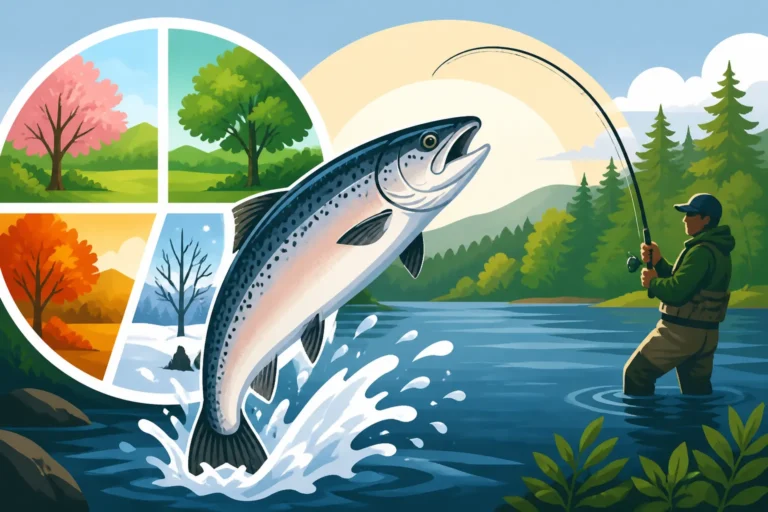
Seasonal Considerations for Holdover Trout
The behavior of holdover trout can change dramatically with the seasons, influenced by water temperature, food availability, and spawning cycles. Adapting your tactics to the time of year is crucial.
Spring: As the ice melts and temperatures rise, streams swell with runoff. This can be a challenging but rewarding time. Holdovers, especially brown trout and brook trout, will often be very active, feeding aggressively after a long winter. Higher, stained water means fish are less spooky, and larger nymphs and streamers can be effective. Concentrate on current seams, eddies, and the edges of flooded banks. This is a prime time for using Spring Trout Fishing Techniques for Vermont Streams.
Summer: Summer can be tough on trout, especially in warmer, shallower streams. Holdovers will seek out the coldest, most oxygenated water available. This means targeting deeper pools, areas around cold spring inflows, or the shaded, swift runs of larger rivers during the coolest parts of the day – early morning or late evening. In these clear, low-water conditions, maximum stealth, longer leaders, and very small, natural presentations become absolutely essential. Focus on terrestrial patterns (hoppers, ants, beetles) if fly fishing, or tiny, subtle lures for spinning gear.
Fall: As water temperatures cool and days shorten, fall offers some of the most exciting holdover fishing. Brown trout and brook trout begin their spawning migrations, becoming more aggressive and often moving into shallower, gravelly areas. This pre-spawn and spawn period can be a fantastic time for larger streamers or egg patterns (where legal and ethical). Landlocked salmon, if present in the system, will also begin their runs. Focus on the transitional zones between summer holding lies and winter deeper water. The fish are often fat and feisty, gorging themselves before winter.
Ethical Angling and Conservation for Holdovers
Catching holdover trout in Vermont is incredibly rewarding, but it comes with a responsibility to protect these valuable fish and their environment. These survivors are often bigger, older, and crucial to the natural ecosystem, so proper handling and adherence to regulations are essential.
Catch and Release Best Practices
Many anglers choose to practice catch and release, especially for holdovers. These fish represent a significant investment of time and resources (or just good luck for those truly wild ones!) and releasing them ensures they can continue to grow, spawn, and provide a challenge for future anglers.
Here are some best practices for handling holdover trout:
- Minimize Fight Time: Use appropriate tackle that allows you to land the fish quickly without completely exhausting it. A prolonged fight can build up lactic acid in their muscles, making recovery difficult.
- Keep the Fish in Water: If possible, unhook the fish while it's still in the water. If you must bring it out, do so only for a quick photo and return it immediately. The less time a fish spends out of its aquatic environment, the better its chances of survival.
- Wet Your Hands: Always wet your hands thoroughly before touching a fish. Dry hands can remove the protective slime coat, leaving the fish vulnerable to disease.
- Handle Gently: Support the fish horizontally, ideally by cradling it under the belly. Avoid squeezing its midsection or holding it vertically by the jaw or tail, which can damage internal organs or its spine.
- Use Barbless Hooks: Crimping down the barbs on your hooks makes removal much easier and causes less damage to the fish's mouth. Many anglers even switch to barbless hooks specifically for trout. You can easily find these hooks or tools to debard them on Amazon.
- Revive Carefully: If the fish seems sluggish, hold it gently in the current, facing upstream, until it regains its strength and swims away on its own. Don't vigorously pump it back and forth; this can actually force water the wrong way through its gills.
By following these simple steps, you significantly increase the chances that the holdover trout you catch today will be there to challenge another angler tomorrow.
Respecting Regulations and the Environment
Vermont has a rich angling tradition and a commitment to conservation. As responsible anglers, it's our duty to uphold these principles. This means more than just following the law; it means actively protecting the resources we enjoy.
First and foremost, always carry and be familiar with the current Vermont Fishing Regulations Explained. These regulations specify things like season dates, creel limits, length limits, and tackle restrictions for various species and specific waters. For example, some waters may have special "fly fishing only" or "catch and release only" designations, or specific limits for certain species like landlocked salmon. Understanding Vermont Daily Trout Limit and Vermont Trout Possession Limit is crucial for compliance. It's easy to overlook a rule, but ignorance is no excuse. Reviewing the official guide, which you can usually find online or at a license vendor, is a good habit.
Beyond regulations, embracing "Leave No Trace" principles is vital. This means packing out everything you pack in, and perhaps even a little more. Don't leave behind fishing line, bait containers, or any other trash. Respect private property, stay on designated access points, and avoid disturbing wildlife. Remember, we are guests in nature, and our actions reflect on the entire angling community.
By taking care of these beautiful waterways and the fish within them, we ensure that the challenge and joy of catching holdover trout will be available for generations to come.
Disclaimer
This article is for general informational purposes only and does not constitute professional advice. Laws, prices and regulations vary by location and change over time. Consult a qualified professional for guidance on your specific situation.