Vermont trout possession limit
It's a common head-scratcher for many anglers, even those who've been casting lines in the Green Mountain State for years: what exactly is the difference between a daily fishing limit and a possession limit when it comes to Vermont trout? The distinction is crucial, and misunderstanding it can quickly turn a fantastic day on the water into a frustrating encounter with a game warden. This guide will meticulously break down Vermont's trout possession limits, offer practical advice for multi-day trips, and ensure you're fully compliant with the Green Mountain State's thoughtful fishing regulations.
Demystifying Daily vs. Possession Limits for Vermont Trout
You've just wrapped up an incredible morning on the water, your creel is looking promising, and you're already envisioning tomorrow's first cast. But hold on a minute—how many fish are you actually allowed to have? This question often leads to confusion, blending the concepts of what you can catch in a single day versus what you can legally possess at any given moment. Let's get this crystal clear.
The "Daily Creel Limit" Explained
Think of the daily creel limit as your one-day fishing quota. This is the maximum number of fish of a specific species (or a combination of species) that you are allowed to catch and keep within a single 24-hour period, typically from midnight to midnight. Once you've successfully landed and kept that number of fish, your harvesting for that particular day is officially over.
For instance, if you're enjoying a peaceful day fishing the West River, and the daily creel limit for trout is set at six fish, then once you've kept six beautiful trout, you need to stop harvesting for the day. This applies even if you decide to release a few fish later, or move to a different section of the river. The regulation is strictly focused on controlling the immediate harvest pressure within a specific 24-hour timeframe, ensuring that enough fish remain in the system to sustain the population. It's a fundamental part of the broader Vermont Fishing Regulations Explained and is designed to provide fair access for all anglers while protecting the invaluable natural resource.
The Often-Misunderstood "Possession Limit"
Now, this is the regulation that consistently causes the most confusion, and it is absolutely vital for any angler in Vermont to understand. The possession limit refers to the total number of fish you can have on your person, in your cooler, in your vehicle, at your campsite, or in your home at any given time. Here's the critical point that often gets overlooked: unless explicitly stated otherwise for specific waters or species, Vermont's general rule is that the possession limit for fish is equal to the daily creel limit.
Let that sink in for a moment. This means if the daily limit for trout in the waters you're fishing is six, your possession limit is also six. You cannot, under any circumstances, possess more than six trout in total. This is the crucial distinction that impacts multi-day fishing trips. Many anglers mistakenly assume they can catch their daily limit on Monday, then catch another daily limit on Tuesday, resulting in two days' worth of fish (e.g., twelve trout) in their cooler. However, in Vermont, if both the daily and possession limits are six, that scenario is not allowed. If you catch six trout on Monday and those fish are still in your possession on Tuesday, you have already reached your possession limit. This means you cannot legally keep any additional trout on Tuesday, even though it's a "new" fishing day. To legally keep more, you would first need to consume, clean, or give away enough of Monday's catch to bring your total possession below the established limit.
It might seem straightforward on paper, but this particular rule is where many anglers, even those with years of experience, find themselves inadvertently out of compliance. The intent is not to create a complex trap for anglers, but rather to ensure a consistent and manageable harvest rate across all days, preventing the rapid accumulation of fish that could quickly diminish local populations.
Navigating Vermont's Statewide and Special Trout Possession Rules
While the general principle that the daily limit equals the possession limit simplifies things considerably, Vermont's diverse and rich waters necessitate some important nuances in the regulations. Not all trout are managed identically, and specific water bodies or individual species often come with their own tailored rules.
The General Statewide Trout Possession Limit
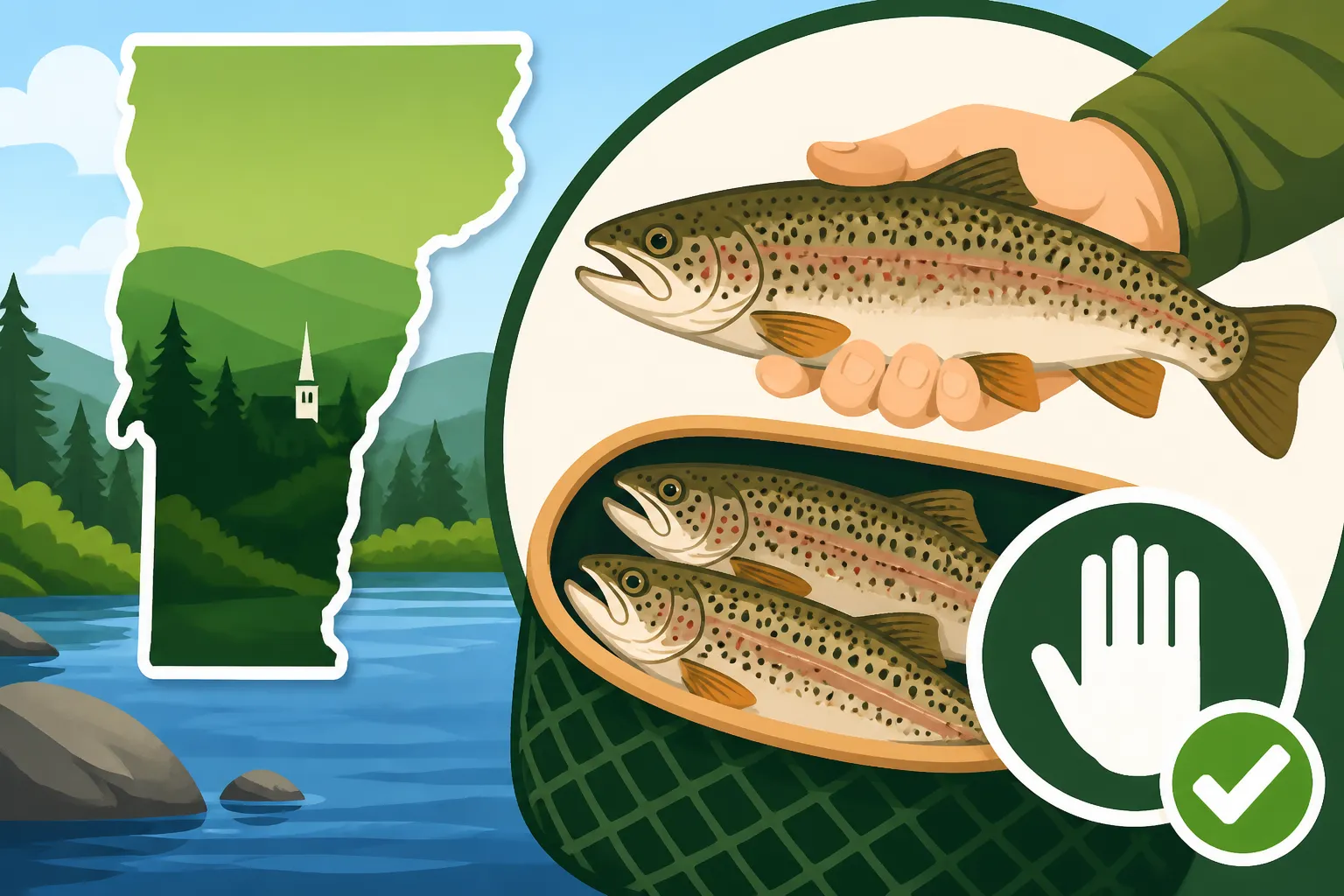
For the majority of common trout species found in Vermont—this includes brook trout, brown trout, and rainbow trout—the general aggregate daily creel and possession limit is 6 fish. This means you can possess a combination of these species, as long as the total number does not exceed six fish at any single moment. For example, if your cooler contains two brook trout, two brown trout, and two rainbow trout, you have reached your aggregate possession limit. Furthermore, for these general trout species, there is typically no minimum length limit, unless specific rules for a particular water body or special regulations dictate otherwise.
However, it's vital to remember that even within this general framework, specific exceptions exist. Certain waters, particularly those known for holding wild brook trout, may have different regulations concerning minimum length or even reduced daily and possession limits. These measures are put in place to protect these often more sensitive and unique populations. It is always, always in your best interest to consult the most current Vermont Fishing Regulations Explained for any specific water body you plan to fish, as these rules can be updated annually. Our guide on Reading the Vermont Fishing Regulations Guide offers comprehensive advice on how to effectively navigate and utilize these official resources.
Distinct Rules for Lake Champlain, Lake Memphremagog, and Trophy Waters
Vermont boasts an incredible array of fishing opportunities, and accompanying this diversity are specialized regulations designed to manage each unique fishery effectively. Major water bodies such as Lake Champlain and Lake Memphremagog are prime examples where trout-related possession limits often diverge from the general statewide aggregate rule.
On Lake Champlain, for instance, while brook, brown, and rainbow trout generally still fall under the 6-fish aggregate limit, other species like lake trout and landlocked salmon are managed under their own distinct regulations. Typically, for lake trout, the daily and possession limit is 2 fish with an 18-inch minimum length. For landlocked salmon, it's usually 3 fish with a 15-inch minimum length. This means that, hypothetically, you could have 6 brook trout, plus 2 lake trout, and 3 landlocked salmon in your possession if all these fish were caught on the same day and you hadn't already hit a species-specific limit. However, the critical "possession limit equals daily limit" rule still holds true for each of these individual categories. You cannot catch 2 lake trout on Friday, then another 2 on Saturday, and expect to have 4 lake trout in your cooler on Saturday, because the possession limit for lake trout is also 2. To understand all the nuances, be sure to check our comprehensive Vermont Lake Champlain Fishing Rules guide.
Similarly, Lake Memphremagog, which straddles the US-Canada border, also has its own set of unique regulations. These can sometimes be influenced by international agreements and affect various species, including trout and salmon. Always make sure to consult the specific regulations for this particular body of water before planning your trip.
Beyond these large lakes, there are also Trophy Trout Program Waters. These are specific areas where the Vermont Fish & Wildlife Department actively manages for larger, trophy-sized fish, often through targeted stocking efforts. These waters might feature reduced daily and possession limits, or mandate higher minimum length requirements, all designed to protect these larger fish and allow them ample opportunity to grow. Our guide on Vermont Trout Season and Stocking Rules offers more insights into where these special waters are located and how they are managed, including those designated as Vermont Trophy Trout Program Waters. It's worth noting that some of these special areas, particularly those listed as Special Regulation Waters in Vermont, might even be designated as "catch-and-release only," meaning the possession limit for trout in those specific locations is effectively zero.
It is absolutely paramount that you check the specific regulations for the exact body of water you intend to fish. A small mountain stream can have vastly different rules compared to a large, deep lake, and staying fully informed is the cornerstone of a smooth, compliant, and enjoyable fishing experience.
Essential Practices for Responsible Trout Angling in Vermont
Understanding the intricacies of fishing regulations is one thing; consistently applying them in practice, especially during extended fishing trips, requires thoughtful planning and consistent discipline. Adhering to possession limits isn't just about sidestepping a potential fine; it's about actively contributing to the preservation of Vermont's cherished natural resources.
Managing Your Catch on Multi-Day Excursions
This is the scenario where the concept of a possession limit truly comes into sharp focus, often causing the most confusion for anglers. Imagine you're enjoying a fantastic, multi-day camping trip at a beautiful location like Lake Bomoseen, a lake known for its excellent trout fishing. If the general trout possession limit in Vermont is 6 fish, and you successfully catch and keep your limit of six trout on Friday, that's a great start! However, if those six fish are still resting on ice in your cooler at your campsite on Saturday morning, you are already at your possession limit. This critically means that you cannot legally keep any additional trout on Saturday, even if you hook them, until you have reduced your current possession to below six.
So, how can you effectively manage your catch during these multi-day trips?
- Consume Your Catch: This is often the most delightful and straightforward solution! There's nothing quite like a meal of fresh, pan-fried trout enjoyed around a crackling campfire. If you eat, say, three trout from your Friday catch, you now only possess three fish, which then legally allows you to keep three more on Saturday, bringing your total possession back up to the limit of six.
- Process and Store Appropriately: If you have access to suitable facilities—like a cooler packed with ample ice, or a refrigerator/freezer at a nearby cabin or lodging—you can clean and fillet your fish. While filleted fish still count towards your possession limit based on the number of original fish, processing them often makes them easier to store, cook, and eventually consume. When you're planning for such extended excursions, investing in a high-quality, durable cooler, such as those from YETI or RTIC, which are readily available on Amazon, can be a game-changer. These coolers are designed to keep your catch fresh and safe over multiple days.
- Share with Non-Anglers: If you're fishing with family members or friends who are not actively fishing themselves (and therefore do not have their own individual possession limits), you can legally give them your fish. Just ensure they are aware of the fish and are actively taking possession, thus removing those fish from your personal possession count.
The fundamental key here is proactive management. Before you even contemplate heading out for your second or third day of fishing, take a moment to assess precisely how many trout you still possess from previous days. This simple, mindful check will prevent you from inadvertently exceeding the legal limit.
Transportation and Identification of Your Harvest
Once you've made the decision to keep your catch and have carefully ensured that you are well within the legal limits, proper transportation procedures become the next crucial step. Vermont's regulations are quite specific on this point, primarily to assist Fish & Wildlife wardens in their enforcement duties. The rule states: "Fish being transported must retain sufficient portions of the head or tail to permit species and length identification."
What does this regulation mean for you in practical terms?
- Keep Them Whole (or Mostly Whole): If you are fishing in waters that have specific length limits (for example, the 18-inch minimum for lake trout in Lake Champlain as discussed in our Vermont Lake Champlain Fishing Rules guide), it is always the safest practice to transport your fish whole, or at the very least, with the head and tail intact. This allows a warden to easily and quickly verify that your fish meet the legal size requirements. Even for general trout that don't have a specific minimum length, you still need to retain some part of the head or tail for proper species identification.
- Considerations for Filleting: While filleting your fish is certainly an option, you must ensure that fillets from different species are kept separate. If you choose to fillet your catch on the water or at your campsite, it's a good practice to leave a small portion of the skin on the fillet (often near the tail) or other identifying features that would enable a warden to confirm the species. It's also often wise to retain any carcasses until you are completely finished with your fishing activities for the day, just as a precautionary measure. Always err on the side of caution when it comes to identification. A high-quality fillet knife and a portable cutting board, both easily acquired from Amazon, can make this processing efficient and hygienic.
- Quantity Still Counts: Even if your fish have been filleted and are no longer in their whole form, the total number of original fish they came from still contributes directly to your possession limit. Be aware that wardens are experienced and adept at estimating original quantities from filleted fish. A reliable scale and measuring tape, also available on Amazon, can be helpful tools for keeping track.
Responsible anglers understand that being able to demonstrate compliance at any given moment is an inherent part of the fishing experience. It's always a good idea to keep a copy of the current regulations (either digital on your phone or a physical printout) readily accessible, and to be prepared for a polite and professional check by a Vermont Fish & Wildlife warden.
Why These Limits Matter: Conservation and Compliance
At times, it might feel as though fishing regulations are simply there to add layers of complexity to our favorite pastime. However, in the realm of fishing, every limit and rule serves a critically important purpose. Understanding the "why" behind the Vermont trout possession limit can significantly enhance our appreciation for its importance and help us evolve into more effective and ethical anglers.
The Ecological Rationale Behind Possession Limits
The Vermont Fish & Wildlife Department does not arbitrarily establish these numbers. These limits, which include the specific Vermont Trout Limit and Possession Rules and those pertaining to species like Vermont Landlocked Salmon Regulations, are meticulously determined based on a vast amount of scientific data. Biologists conduct extensive studies on fish populations, analyze spawning success rates, evaluate habitat health, monitor growth rates, and assess the overall pressure exerted by anglers.
Possession limits serve as a vital tool in conservation for several compelling reasons:
- Preventing Overfishing: Without these limits, it would be far too easy for even a small number of highly successful anglers to remove a disproportionately large quantity of fish from a localized area. This could quickly deplete the population faster than it is able to reproduce naturally. This risk is particularly high for popular and highly sought-after species such as trout, which attract a large number of anglers.
- Maintaining Sustainable Populations: By carefully controlling the maximum total number of fish that can be kept, regulations play a crucial role in ensuring that a sufficient breeding stock remains. This allows populations to sustain themselves healthily year after year, which translates into consistent and reliable fishing opportunities for everyone, rather than cycles of boom and bust.
- Promoting Fair Distribution: Limits help ensure that the harvest is distributed more equitably among all anglers. If everyone is restricted to possessing a certain amount, it prevents any single individual from monopolizing the natural resource.
- Protecting Vulnerable Species and Populations: In specific instances, specialized regulations for certain waters or species (such as protecting wild brook trout in delicate mountain streams, or the careful management demonstrated by the Vermont Bass Catch-and-Release Season, Explained) are specifically designed to offer additional protection to more sensitive or at-risk populations.
Ultimately, these possession limits are a direct investment in the long-term health and future of Vermont's fishing heritage. They provide a tangible way for us, as anglers, to actively contribute to the vitality and ecological well-being of the magnificent ecosystems we cherish and explore.
Understanding the Legal Ramifications
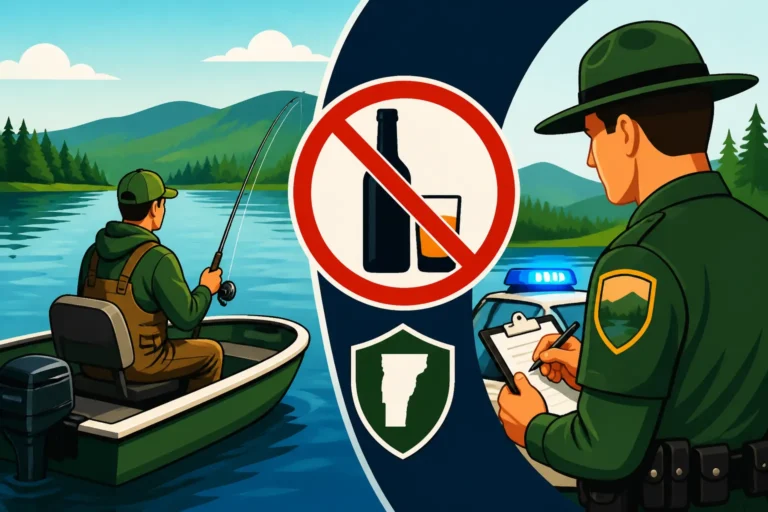
Choosing to ignore or simply misunderstanding the possession limits is not considered a minor oversight in Vermont. Fish and Wildlife wardens are highly trained professionals whose fundamental role is to enforce these regulations, thereby protecting the state's invaluable natural resources. They are actively present on the water, at public boat launches, and conducting checks at campsites to ensure consistent compliance.
The penalties for exceeding possession limits can be quite significant:
- Substantial Fines: You should anticipate facing considerable monetary fines for each fish found over the legal limit. These fines are not insignificant and can quickly accumulate, becoming a substantial financial burden.
- Confiscation of Gear: Wardens possess the legal authority to confiscate your fishing gear, which can include your rods, reels, and even your boat, depending on the severity and nature of the violation.
- License Suspension or Revocation: For more serious offenses, or for repeat violations, you could face the suspension or even the permanent revocation of your fishing license. This consequence means you would be legally prohibited from fishing in Vermont for a specified period, or potentially even indefinitely—a tough reality for any dedicated angler.
- Potential Criminal Charges: In the most egregious cases, knowingly exceeding limits by a significant margin could even lead to criminal charges, which carry far more severe long-term implications.
This serves as a stern reminder that "ignorance of the law is not an excuse." While a warden might show some understanding if you've genuinely miscounted by a single fish, knowingly or negligently possessing a large number of fish beyond the legal limit will undoubtedly be met with serious consequences. This is precisely why always carrying your valid Vermont Fishing License Guide for 2026 and maintaining a solid grasp of all applicable rules is absolutely paramount. Remember, the wardens are not on the water to disrupt your enjoyment; their primary mission is to safeguard the resource so that everyone can continue to relish fishing in Vermont for many generations to come.
Disclaimer
Please note that fishing regulations are subject to change. While this guide aims to provide accurate and up-to-date information regarding Vermont's trout possession limits, it is your responsibility to consult the most current Vermont Fish & Wildlife Department fishing regulations before heading out on the water. This guide is for informational purposes only and does not constitute legal advice.