Best Techniques for Winter Pickerel
The frozen landscapes of Vermont during winter might seem like a quiet time for fishing, but for those in the know, it’s prime season for a spirited fight with a chain pickerel. Many anglers get frustrated trying to coax a bite when the temperatures drop, thinking all fish activity shuts down. But pickerel are different; they stay active and hungry under the ice. This comprehensive guide will equip you with the best techniques and strategies to confidently target and catch these toothy, tenacious fish throughout Vermont's winter months.
Understanding Winter Pickerel Behavior and Habitats
Chain pickerel are often overlooked, but they're an incredibly fun and accessible species to target through the ice. Unlike some other fish that go into a deeper state of torpor, pickerel maintain a surprisingly active lifestyle even in the frigid waters of a Vermont winter. Knowing where they live and why they stay active is the first step to filling your bucket.
Where Pickerel Hide in Winter
Pickerel are ambush predators, and their winter haunts largely reflect this hunting style. They thrive in vegetated areas, even when that vegetation is dormant or decaying under the ice. As the ice thickens, you'll want to focus your efforts on shallower flats, coves, and the edges of submerged weed beds. Think about those areas that are 5 to 15 feet deep with remnants of summer weeds or slightly darker, mucky bottoms that might retain a little more warmth.
For instance, in some of Vermont's classic pickerel spots like Lake Bomoseen, Lake St. Catherine, or even shallower bays on Lake Champlain, anglers will find success by positioning their tip-ups along the outside edges of these weed lines. These zones offer both cover for the pickerel to hide and ambush prey, and a slightly warmer, more stable environment than open, deep water. They also tend to be close to where baitfish, like minnows and perch, might be seeking refuge. Don't be afraid to venture into areas that might seem too shallow for other species; pickerel are often right at home in just a few feet of water, especially during early and late ice periods.
Why Pickerel Remain Active in Cold Water
One of the most exciting aspects of targeting pickerel in winter is their continued willingness to bite. While many fish species, such as some bass or carp, become quite sluggish and difficult to catch once the water temperature plummets, pickerel have adapted to thrive in colder conditions. Their metabolism, while slowed compared to summer, still requires them to feed regularly. They are opportunistic predators, and a slow, easy meal is hard to pass up, even when it's freezing outside.
Their body shape and predatory instincts are perfectly suited for sudden bursts of speed from a concealed position. This means they don't need to expend a lot of energy constantly patrolling; they can conserve energy by lying in wait and then exploding on unsuspecting prey. This makes them excellent targets for both passive tip-up fishing and active jigging. Because they don't become completely dormant, you'll often get aggressive strikes, providing a thrilling experience on what might otherwise be a quiet day on the ice. Understanding this key behavioral trait is crucial for developing successful winter fishing strategies.
Impact of Ice Thickness and Snow Cover
The conditions on the ice above can significantly influence pickerel activity and, more importantly, angler safety. Early ice, when the ice is just thick enough to safely walk on (typically 4 inches or more, but always check local conditions!), often presents some of the best fishing opportunities. During this time, the water beneath is still relatively rich in oxygen, and pickerel haven't been pressured much. As winter progresses and snow accumulates, it can have a couple of effects.
Heavy snow cover reduces light penetration into the water, which can make pickerel less active, as their ambush hunting relies on sight. It can also lead to reduced oxygen levels in shallower, heavily vegetated areas, potentially pushing fish to slightly deeper or more open water. However, a blanket of snow also insulates the ice, keeping it thick and stable for longer. Always prioritize safety: never venture onto ice you're unsure about. Make sure to consult local conditions and guidelines like those found in "How thick ice needs to be for Vermont anglers to walk on it." Keep an eye on weather patterns; sudden thaws can quickly deteriorate ice conditions, making seemingly safe spots treacherous.
Essential Gear for Winter Pickerel Fishing in Vermont
Getting geared up for winter pickerel means having the right tools for the job, both for catching fish and staying safe and comfortable on the ice. While you don't need the most expensive equipment, a few key items will make your experience much more productive and enjoyable.
Rods, Reels, and Line for Ice Fishing
When actively jigging for pickerel, a dedicated ice fishing rod is a game-changer. These rods are much shorter than conventional rods, typically ranging from 24 to 36 inches, allowing for precise control in a small fishing shelter or when kneeling over a hole. Look for a medium-light to medium power rod with a sensitive tip. That sensitive tip is crucial for detecting the often subtle takes of a pickerel, especially in cold water when they might just mouth the bait rather than aggressively strike. A graphite composite rod like those often found on Amazon from brands like St. Croix or Fenwick will offer good sensitivity without breaking the bank.
Pair this with a small spinning reel (500 to 1000 size) spooled with 6 to 10-pound test monofilament or fluorocarbon line. Monofilament offers a bit of stretch, which can be forgiving when a pickerel makes a sudden lunge, while fluorocarbon is nearly invisible in water and has less stretch for better sensitivity. Many anglers prefer a braided main line (10-20 lb test) for its incredible sensitivity and strength, then tie on a 2-4 foot fluorocarbon leader (8-12 lb test) to provide that stealth and abrasion resistance against pickerel's sharp teeth. The leader is essential because pickerel have a mouth full of sharp teeth that can easily fray or cut through lighter lines.
Tip-Ups and Setting the Spread
Tip-ups are the quintessential tool for passive ice fishing, allowing you to cover more water and fish multiple holes simultaneously. A typical tip-up consists of a spool that sits below the ice, holding your line, and a flag mechanism that "tips up" when a fish takes the bait and pulls line off the spool. There's a wide range of styles available, from classic wooden cross-stick designs to more modern, insulated models. Look for ones with smooth-running spools and easily adjustable trigger mechanisms. You can find robust, reliable models on Amazon that will stand up to repeated use in freezing conditions.
Vermont regulations often allow anglers to use multiple lines, which means you can spread out several tip-ups, each with a live minnow, to increase your chances. The strategy here is to create a "spread" – perhaps setting some tip-ups near weed edges, others over slightly deeper drop-offs, and a few in shallow flats. This helps you quickly locate active fish. When setting a tip-up, ensure the bait is suspended at a depth where pickerel are likely to be cruising – usually just above the weed line or suspended in the middle of the water column in shallower areas. You want your bait to be visible and accessible to any passing pickerel.
Auger and Ice Safety Gear
An auger is, quite simply, your portal to the fish. Without it, you're just looking at a sheet of ice. For pickerel, you typically don't need massive holes, so an 8-inch auger is often sufficient, though a 6-inch is easier to cut and still provides plenty of room. Manual augers are great for short trips or early ice, offering a good workout and reliable performance. As the ice thickens later in the season, a gas-powered or electric battery-powered auger becomes a wise investment, saving you significant effort and time. Brands like Eskimo and ION are popular choices, and many models can be found through various outdoor retailers or online platforms like Amazon.
Beyond the auger, ice safety gear is non-negotiable. Always carry ice picks, which hang around your neck and can be used to pull yourself out if you fall through. A rope or throw bag is vital for rescuing others. A spud bar is excellent for testing ice thickness as you move, especially on new or unfamiliar ice. Dress in layers, wear waterproof outer clothing, and consider flotation suits or a life jacket for added safety, particularly if you're venturing out onto unfamiliar bodies of water or during early or late ice. For comprehensive guidelines on safe ice travel, you might want to review "Vermont Ice Fishing Season Dates" and other safety resources.
Top Baits and Lures for Winter Pickerel
Pickerel are not overly finicky, but presenting them with the right enticement can make all the difference, especially when their metabolism is running a little slower in the cold water. Both live bait and artificial lures have their time and place for winter pickerel.
Live Bait Tactics
When it comes to consistency, live bait, particularly minnows, is incredibly hard to beat for winter pickerel. The natural movement and scent of a lively minnow are often irresistible to these opportunistic predators. Shiners, suckers, or even small perch (if legal to use as bait in Vermont) are excellent choices. You want baitfish that are active and healthy, as their distress signals are what truly attract a pickerel. Keep your bait in a well-aerated bait bucket to ensure they stay lively.
For rigging, a simple single hook (size 4 or 2) through the dorsal fin or just below the mouth will keep the minnow alive and swimming naturally. For a more aggressive bite or to prevent short strikes, some anglers prefer a quick-strike rig, which involves two small treble hooks to ensure a solid hookset when the pickerel grabs the bait. These rigs are particularly effective for larger pickerel and are easily constructed or purchased pre-made. When using tip-ups, suspend your minnow just above any submerged vegetation or structure, or a foot or two off the bottom in shallower areas. The key is to present it in a way that allows it to swim freely, mimicking a struggling meal.
Artificial Lures for Active Angling
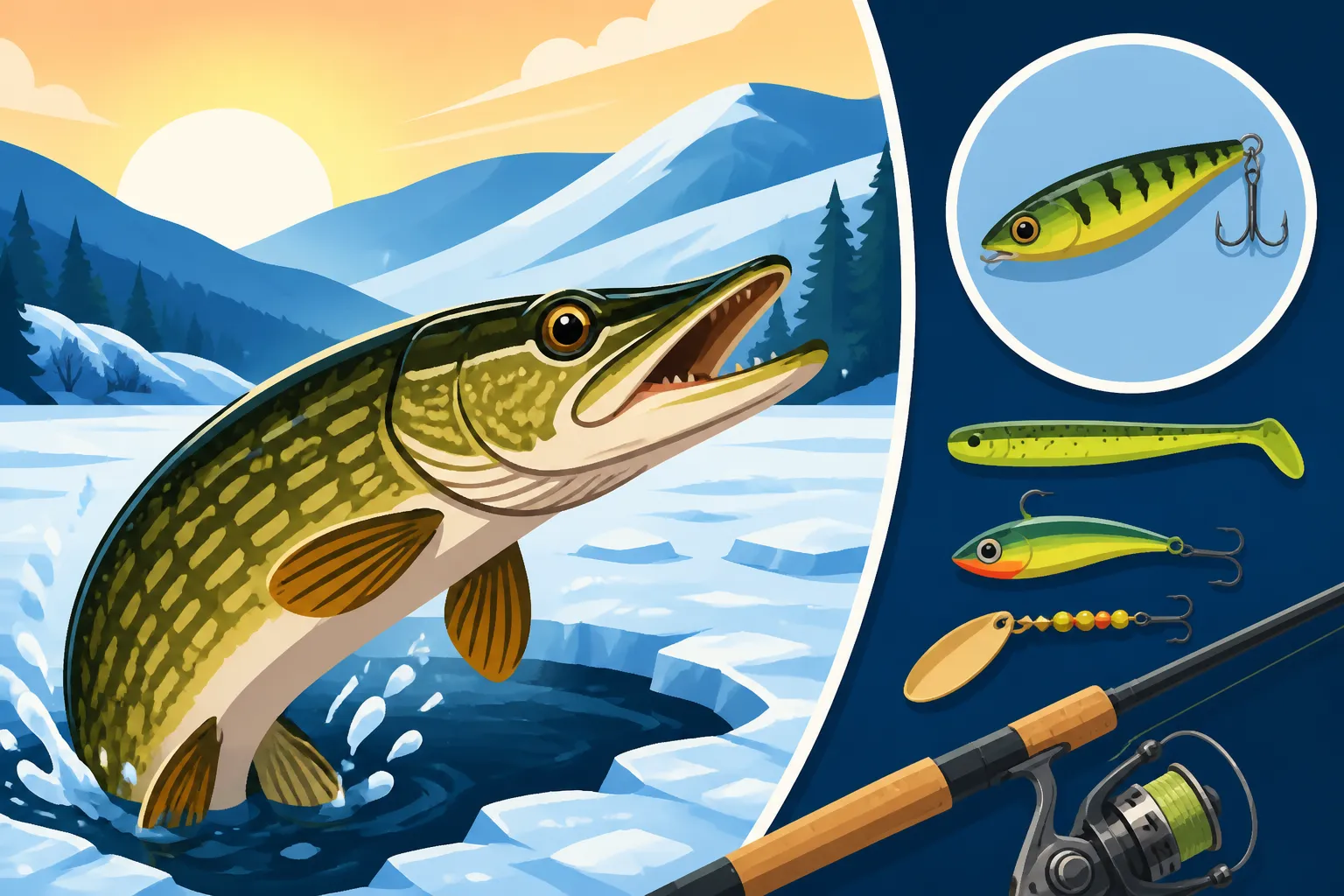
While live bait often shines with tip-ups, active jigging with artificial lures can be incredibly effective, especially if you're looking to cover water quickly or entice more aggressive fish. Jigging spoons are a classic choice for pickerel. Their flashy, erratic fall mimics a wounded baitfish, and the vibrations can be felt from a distance. Silver, gold, chartreuse, or perch-patterned spoons in 1/8 to 1/2 ounce sizes are great starting points. A technique often called "jigging for perch through the ice" can also draw in pickerel looking for an easy meal, as they frequently prey on perch.
Small swimbaits and soft plastics on a jig head can also be deadly. Look for paddle-tail swimbaits in the 2-4 inch range, mimicking small baitfish. The soft plastic offers a more subtle action than a spoon, which can be effective on slower days. Lipless crankbaits, when retrieved with a "rip-pause" action, can also trigger powerful strikes from aggressive pickerel that are actively hunting. Experiment with different colors and sizes. On an overcast day, brighter colors like chartreuse or orange might stand out more, while in clear water and sunny conditions, natural baitfish patterns could be better. The retrieve is critical: a sharp snap of the wrist followed by a pause often gets the fish's attention, then allows the lure to flutter enticingly.
Scent and Attractants
In the cold, sometimes murky waters beneath the ice, a fish's sense of smell can be just as important as sight or vibration. This is where scent attractants can give you an edge, particularly on slower days or when fish are less aggressive. Applying a fish attractant gel or spray to your artificial lures can mask human scent and add a natural-smelling plume that can draw in curious pickerel from a greater distance.
Many commercially available scents are formulated with fish oils, amino acids, and other compounds that pickerel find irresistible. You can find a wide selection of these products, including those from brands like Berkley or Pro-Cure, available for purchase on Amazon. While not a guaranteed fish-catcher, adding scent can sometimes be the subtle difference that turns a looker into a striker, especially when fish are lethargic or the water is cloudy. Reapply the scent every 15-20 minutes of active fishing or after catching a fish to maintain its effectiveness.
| Feature | Live Bait (Minnows) | Artificial Lures (Jigging Spoons, Swimbaits) |
|---|---|---|
| Pros | Natural movement & scent; highly effective for passive fishing; often triggers aggressive strikes; consistent producer. | Active fishing style; covers water quickly; versatile (jig, rip, retrieve); no need to keep bait alive; wide range of colors/actions. |
| Cons | Requires keeping bait alive (aerator, temperature); more expensive; can be messy; less effective for active searching. | Can be less effective on very slow days; requires active angler participation; "matching the hatch" can be challenging; might require more skill. |
| Best Use | Tip-ups, targeting less active fish, initial setup to find fish. | Active jigging, searching for aggressive fish, covering multiple holes. |
| Ideal Depth | Any depth where pickerel are active; suspended near structure. | Mid-water column, just above weeds, or near drop-offs. |
| Retrieval | Minimal; natural swimming motion; occasional small jig if on a rod. | Aggressive jigging, rip-pause, steady retrieves, varying speed and cadence. |
| Pickerel Teeth | Can still cut line; quick-strike rigs help. | Leader still crucial for abrasion resistance. |
Strategic Approaches for Maximizing Your Catch
Winter pickerel fishing isn't just about drilling holes and dropping a line; it's about strategy. Understanding how to locate fish, choose your fishing style, and account for external factors like weather will significantly improve your success rate.
Locating Promising Pickerel Hotspots
Finding pickerel beneath the ice is a combination of knowledge and exploration. Start by looking at bathymetric maps of your chosen Vermont lake or pond. Pickerel, as mentioned, love vegetation and structure. Identify areas with shallow flats adjacent to deeper water, submerged humps, points, and coves. These are the places where summer weeds would have grown, and even if dormant, the remaining stalks or the enriched bottom continue to attract baitfish, and thus, pickerel. For specific ideas, exploring pages like "Best Ice Fishing Lakes in Vermont" can provide great starting points.
Once on the ice, don't be afraid to drill a series of holes in a grid pattern across a promising area. This "pounding holes" strategy allows you to quickly test different depths and structures. A portable fish finder, even a basic flasher unit, can be invaluable here. It will show you the depth, bottom contours, and often, the presence of baitfish or even pickerel themselves. Look for subtle transitions – where a weed bed ends and a sandy bottom begins, or where a slight depth change occurs. Pickerel often stage along these edges, waiting to ambush prey. These transition zones are often found near inlets or outlets, which can also concentrate baitfish.
Active Jigging vs. Passive Tip-Up Fishing
The beauty of winter pickerel fishing is that you can effectively employ both active and passive techniques, often simultaneously.
Passive Tip-Up Fishing: This is the most popular method for pickerel and is incredibly effective for covering a wide area. With tip-ups, you set your bait (usually live minnows) at various depths and locations and wait for a flag to go up. It allows you to relax, enjoy the scenery, and socialize while the fish do the work. The advantage here is the natural presentation of the live bait, which can entice even less active fish. When a flag pops, the excitement is immediate, and you rush to the hole. The drawback is that it's reactive – you have to wait for the fish to come to you. You'll often find that after an initial rush of flags, activity can die down in an area, necessitating a move.
Active Jigging: This method involves using a short ice rod to jig artificial lures, constantly working the bait to attract fish. It's more engaging and allows you to experiment with different lures, depths, and retrieves until you find what triggers a bite. Jigging is excellent for actively searching out fish or when pickerel are particularly aggressive. It can also be very rewarding when you feel that solid strike on your rod. The downside is that you can only fish one hole effectively at a time, limiting your coverage. However, if you are struggling with tip-ups, switching to an active jigging strategy can sometimes jumpstart the bite. Many anglers will deploy several tip-ups and then actively jig a separate hole nearby, combining the best of both worlds.
Weather and Time of Day Considerations
Just like open water fishing, weather and time of day play a significant role in pickerel activity under the ice. While pickerel are active in cold water, they are still somewhat influenced by light and pressure changes.
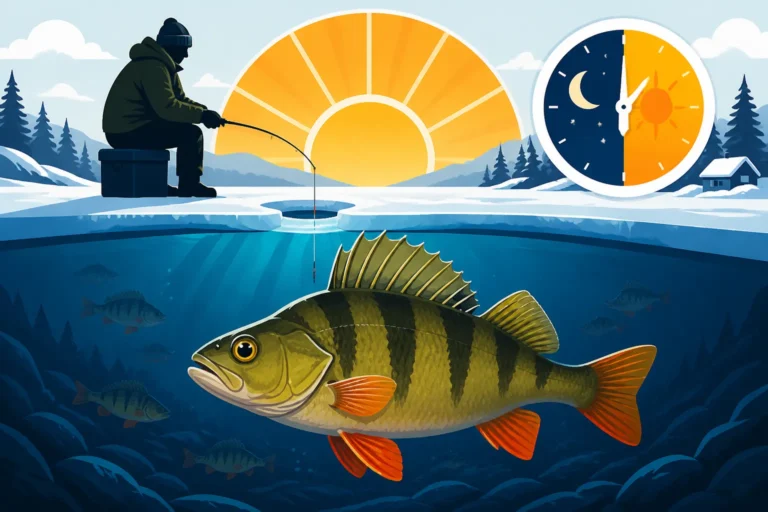
Time of Day: The low-light periods of dawn and dusk are often peak feeding times for pickerel. These are prime times to be on the ice, especially during early winter. However, pickerel can also be caught throughout the day, particularly during midday warm spells when the sun might slightly increase water temperatures in shallower areas. On bright, sunny days, sometimes a slightly deeper presentation or a lure with less flash can be more effective.
Weather: Stable weather patterns, especially a few days of consistent cold with little change in barometric pressure, generally lead to better fishing. A sudden cold front can often shut down the bite for a day or two, making fish more lethargic. Overcast days, surprisingly, can be excellent for pickerel. The diffused light often encourages them to be more active in shallower water throughout the day, as they don't have to contend with direct sunlight. Pay attention to fronts and choose your days wisely, but don't let less-than-perfect weather deter you entirely; a hungry pickerel can always surprise you.
Winter Pickerel Fishing Etiquette and Regulations
Being a responsible angler on the ice means more than just catching fish. It's about respecting the environment, fellow anglers, and adhering to the specific rules set forth by the state. The Vermont Fish and Wildlife Department has clear guidelines that help sustain the fishery for everyone.
Respecting Fellow Anglers and the Environment
The camaraderie on the ice is one of the best parts of winter fishing in Vermont. To keep it that way, a few common courtesies go a long way. When setting up, give other anglers ample space. Nobody likes an auger drilled right next to their tip-ups, especially if they've been there for hours. If you see someone has established a spread of tip-ups, politely choose another spot at a respectful distance. Avoid excessive noise or bright lights, especially during low-light hours when others might be trying to fish.
Beyond fellow anglers, respect the pristine Vermont environment. The "leave no trace" principle is paramount. This means taking everything you bring onto the ice back off with you, including bait containers, tangled line, coffee cups, and any other trash. Never leave litter on the ice or snow. Additionally, proper disposal of unused live bait is crucial; do not dump bait buckets into the lake, as this can introduce invasive species or diseases. Always ensure you're aware of and following the guidelines outlined in the "Vermont Fishing Regulations Explained" to help preserve our beautiful waters.
Vermont Specific Regulations
Before heading out, it's absolutely critical to familiarize yourself with the current Vermont fishing regulations. These rules are designed to manage fish populations and ensure sustainable fishing for generations to come. For pickerel, specifically, you'll need to know the daily limit and any minimum or maximum length limits. While pickerel regulations are generally quite liberal compared to other species like trout or bass, they can vary by water body. The number of lines or tip-ups you're allowed to use is also strictly enforced. Generally, Vermont allows up to two lines when ice fishing, which includes tip-ups. However, always double-check the latest guide, as regulations can change annually.
Also, be mindful of any special regulations on certain waters. Some lakes or ponds may have specific rules regarding bait use, closed areas, or unique length/bag limits for certain species. For example, some "Vermont Trophy Trout Program Waters" might have specific rules designed to protect larger fish. Having a valid Vermont fishing license is, of course, a requirement for anyone aged 15 and over. You can learn all about obtaining one in the "Vermont Fishing License Guide for 2026." Fishing without a license or violating bag limits can result in significant penalties.
Catch and Release Best Practices
While pickerel can be excellent table fare, many anglers practice catch and release, especially for larger fish, to help maintain healthy populations. If you choose to release pickerel, knowing how to do so safely will maximize the fish's chances of survival. Pickerel have sharp teeth and can thrash violently, so careful handling is key.
Always use long-nose pliers or a specialized hook remover to extract hooks. Avoid handling the fish by its gills or eyes. Support the fish horizontally, especially larger ones, to avoid damaging internal organs. If the fish is deeply hooked, it's sometimes better to cut the line as close to the hook as possible rather than tearing sensitive tissue. Quickly get the fish back into the water, and if it's sluggish, gently hold it upright in the water and move it back and forth to force water over its gills until it swims away under its own power. These practices, similar to those recommended for "Vermont Bass Catch-and-Release Season, Explained," ensure that these feisty fish can continue to provide thrilling battles for years to come.
Disclaimer
Please be aware that fishing regulations, conditions, and safety guidelines can change. Always consult the most current Vermont Fish and Wildlife Department regulations before heading out on the ice. Ice conditions can be unpredictable, and personal safety is paramount; never take unnecessary risks.