Topwater Fishing for Smallmouth Bass in Vermont
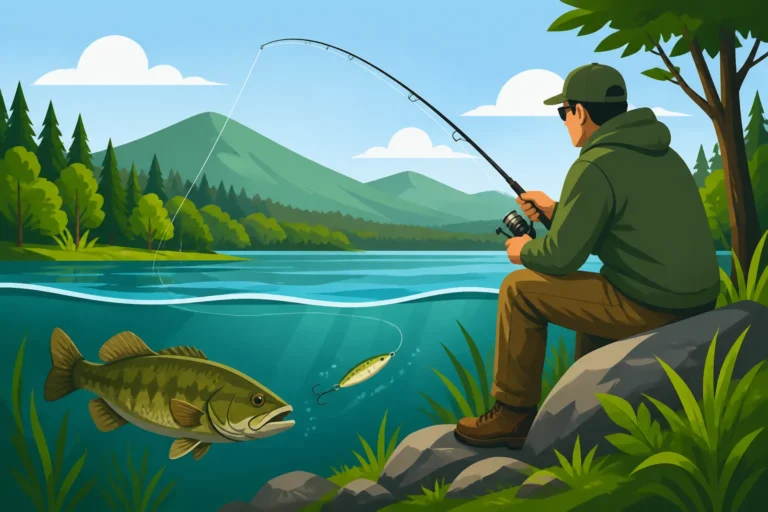
There's nothing quite like the heart-stopping explosion of a smallmouth bass blowing up on a topwater lure. It's exhilarating, it's visceral, and it often feels like you've truly outsmarted your quarry. But let's be honest, getting those bronze bombers to commit to the surface isn't always easy, especially in Vermont's diverse and often challenging waters. This comprehensive guide will equip you with the knowledge, techniques, and gear to consistently draw those unforgettable strikes and make your topwater smallmouth dreams a reality across the Green Mountain State.
Why Topwater Fishing for Vermont Smallmouth Bass is So Exciting
When you talk to any angler who's experienced it, the topwater strike is often cited as one of the most thrilling moments in fishing. It’s not just about catching a fish; it’s about the raw, explosive visual of a predator ambushing its prey right before your eyes. In Vermont, where smallmouth bass are abundant in many lakes and rivers, mastering topwater techniques adds an entirely new dimension to your angling adventures.
The Unforgettable Adrenaline Rush
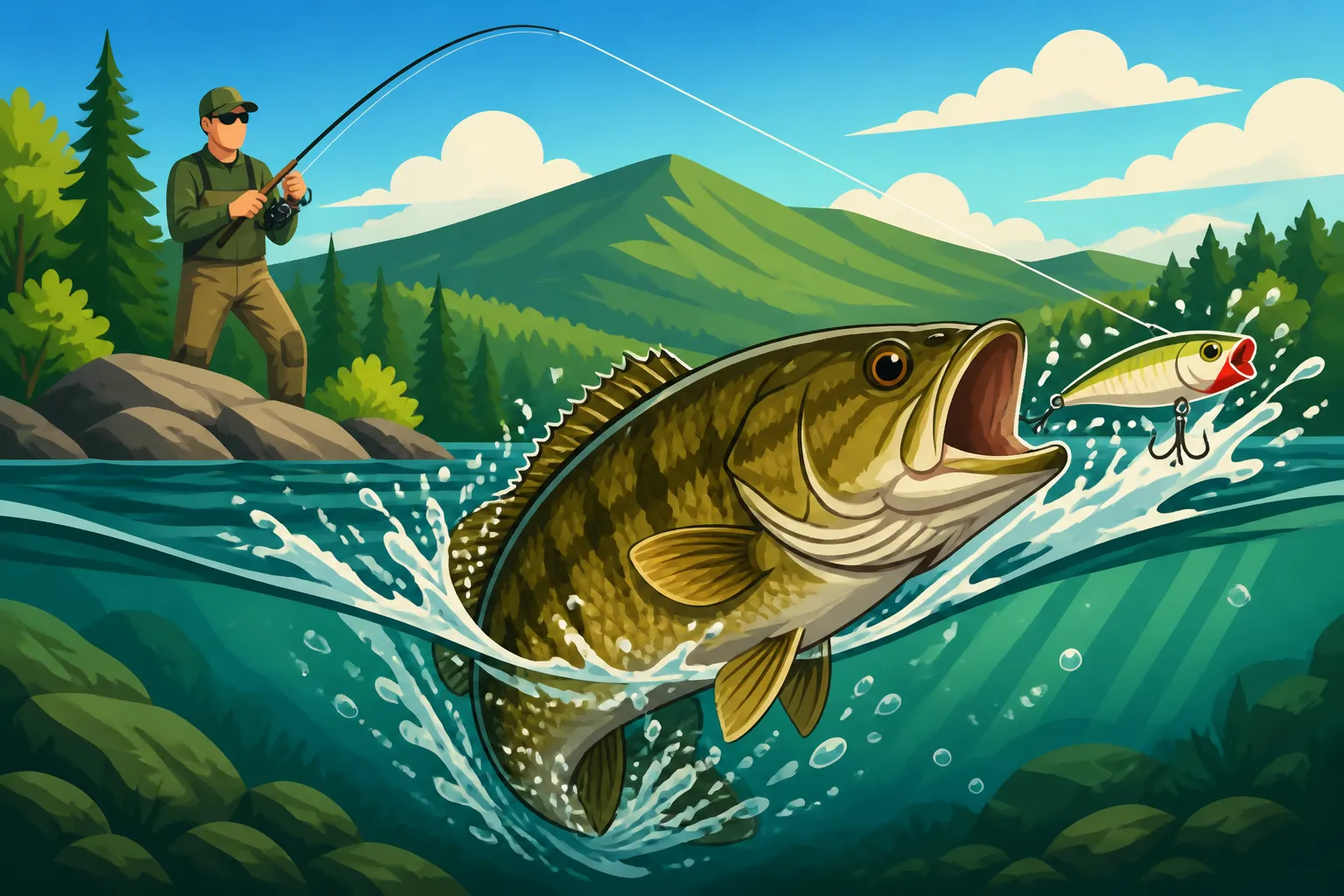
Imagine this: You cast your lure to a rocky point on Lake Champlain, let it sit for a moment, and then twitch it ever so slightly. Suddenly, the water erupts! A powerful smallmouth launches itself, engulfing your lure in a violent splash. The fight is on, and your heart is pounding. This isn't subtle bobber fishing; it's pure adrenaline. The sheer visual impact of a topwater strike is unmatched, making it incredibly addictive. Many anglers chase this feeling, knowing that even on slower days, that one explosive strike can make the entire trip worthwhile. It's a testament to the aggressive nature of smallmouth and the power of a well-presented surface bait.
Adapting to Vermont's Diverse Waters
Vermont offers a stunning variety of smallmouth habitats, from the vast expanses of Lake Champlain and Lake Memphremagog to smaller, clear inland lakes like Lake Bomoseen and winding rivers such as the Winooski. Each body of water presents its own challenges and opportunities for topwater fishing. What works in a shallow, weedy cove might be different from what excels on a deep, rocky shoal. Understanding these nuances and how to adjust your approach is key to consistent success. For instance, a popper might be perfect for targeting smallmouth tucked away under overhanging branches in a river, while a walking bait could be deadly when covering wide, open flats on a large lake. This adaptability makes topwater fishing in Vermont not just exciting, but also a constant learning experience. You'll find yourself constantly observing, experimenting, and refining your techniques to match the specific conditions and fish behavior you encounter.
Understanding Vermont Smallmouth Bass Behavior
To consistently fool smallmouth into striking topwater, you need to think like a smallmouth. Understanding their habitat preferences, feeding patterns, and seasonal movements in Vermont's waters is crucial. These are intelligent, opportunistic predators, and presenting a lure incorrectly or at the wrong time will often lead to frustrating refusals.
Seasonal Movements and Habitat Preferences
Smallmouth bass are creatures of structure. In Vermont, you'll typically find them congregating around rocky shorelines, boulder fields, points, humps, and submerged timber. During the spring, after the ice melts, they'll often move into shallower rocky areas to spawn, making them particularly vulnerable to topwater presentations as they guard their nests. As the water warms in summer, they might move deeper during the day, holding on ledges or drop-offs, but will often push up into shallower feeding zones during low-light hours or when there's chop on the water.
In the fall, as temperatures begin to drop, smallmouth will often move to deeper, offshore structures, staging before their winter dormancy. However, they can still be caught on topwater during warmer, sunny fall afternoons, especially if there's an abundance of baitfish near the surface. Knowing these general patterns for Smallmouth Bass Fishing in Vermont can help you pinpoint where to start your topwater assault. For instance, in early summer, I often find smallmouth cruising the rocky edges of Lake Willoughby, especially where there's a quick drop-off. Later in the season, they might be deeper, but that early morning bite can still be phenomenal closer to shore.
Forage and Feeding Habits That Trigger Surface Strikes
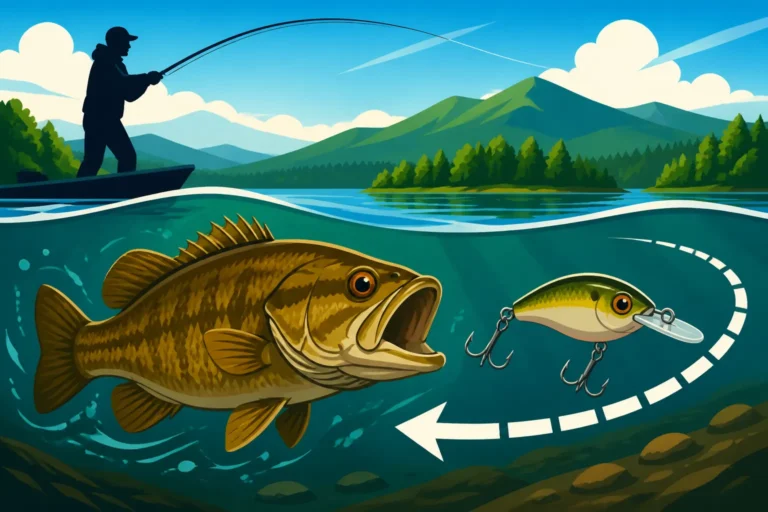
Smallmouth bass are primarily sight feeders and ambush predators. Their diet in Vermont waters is incredibly varied, including crayfish, minnows, juvenile perch, shiners, darters, and even insects. The key to successful topwater fishing is to imitate a struggling or fleeing prey item near the surface. When smallmouth are actively feeding on baitfish pushed against the surface, or when terrestrial insects like grasshoppers or cicadas are active, topwater lures become incredibly effective. They're often looking for an easy meal, something that appears injured or disoriented, making it an irresistible target.
During periods of low light, like dawn and dusk, smallmouth often feel more secure hunting in shallower water, where their vision gives them an advantage. This is when baitfish are also frequently active near the surface, creating the perfect storm for topwater action. Even during brighter parts of the day, if there's cloud cover or a choppy surface, smallmouth will venture shallower and be more willing to strike a surface lure. Observing what the fish are keying in on – whether it's minnows flickering or bugs buzzing – can help you select the most effective topwater presentation. For a comprehensive look at what these fish are after, understanding the Best Baits for Smallmouth Bass on Lake Champlain can give you a major advantage.
Essential Topwater Lures for Vermont Smallmouth
The world of topwater lures is vast and exciting, but for Vermont smallmouth, a few core types consistently outperform the rest. Having a selection of these in your tackle box, in various sizes and colors, will prepare you for almost any scenario. When you're searching for specific lure types or colors, reputable online retailers like Amazon can be a great place to explore different brands and models.
Classic Poppers and Chuggers
Poppers and chuggers are arguably the most iconic topwater lures, and for good reason: they work! These lures feature a concave face that "chugs" or "pops" water when retrieved, mimicking a struggling baitfish or a surface-feeding fish. They create a distinct disturbance and sound that attracts smallmouth from a distance.
Poppers are excellent for targeting specific pieces of structure, like a solitary rock, a dock pilings, or the edge of a weed line. Their ability to stay in one place and create commotion makes them perfect for enticing finicky fish. When using a popper, cast it out and let it sit until the ripples disappear. Then, give it a sharp twitch or two to make it "pop," followed by another pause. Experiment with the length of your pauses and the aggressiveness of your pops. Sometimes a subtle "bloop" is all it takes, while other times a loud "ker-plunk" is necessary to get a reaction. Colors like chrome, bone, and shad patterns are always solid choices.
Dynamic Walking Baits
Walking baits, often called "walk-the-dog" lures, are incredibly versatile and effective, especially when smallmouth are chasing baitfish in open water. Lures like the Heddon Super Spook or the Zara Spook are legendary for their ability to glide from side to side with a rhythmic retrieve, perfectly mimicking a wounded baitfish struggling on the surface. This side-to-side action can cover a lot of water and draw fish from surprisingly far away.
Mastering the "walk-the-dog" retrieve takes a bit of practice but is well worth the effort. Keep your rod tip pointed down towards the water and use short, rhythmic twitches of the rod while simultaneously reeling in slack. The lure should sashay back and forth in a zigzag pattern. Vary your retrieve speed and pause duration until you find what the fish prefer. On calm, clear mornings, a steady, subtle walk can be deadly, while on choppier water, a more aggressive, faster walk might be needed. Clear or translucent patterns often excel in clear Vermont lakes, while chrome or brighter colors can work well on overcast days.
Propeller Baits and Ploppers
Propeller baits, featuring one or two small propellers at either end, create a buzzing, sputtering commotion on the surface. These lures are fantastic when you need to create a lot of noise and splash to call fish up from deeper water or through thick cover. They are particularly effective when smallmouth are aggressive and reacting to noisy, fast-moving presentations.
Modern innovations like the Whopper Plopper have taken the propeller bait concept to another level. These lures feature a rotating soft plastic tail that creates a unique, gurgling sound and prop wash. They're incredibly easy to use – simply cast and retrieve at a steady pace. The sound and vibration are irresistible to smallmouth, often triggering vicious strikes. Whopper Ploppers are particularly effective in slightly stained water or when smallmouth are holding tight to cover and need a loud, obnoxious presentation to draw them out. Colors like loon, bone, or natural baitfish patterns are excellent starting points. When picking up a few for your next trip, you'll find a wide array of sizes and colors available on Amazon, ready for immediate delivery.
| Lure Type | Best Action | Ideal Conditions | Key Advantages |
|---|---|---|---|
| Popper/Chugger | "Pop," "bloop," or "chug" water | Calm to light chop, precise targeting | Attracts fish from stationary position, loud |
| Walking Bait | "Walk-the-dog" side-to-side glide | Calm to moderate chop, open water | Covers water, realistic wounded baitfish |
| Propeller Bait | Sputtering, buzzing, water disturbance | Calm to moderate chop, aggressive fish | High commotion, calls fish from afar |
| Whopper Plopper | Gurgling, plopping tail action | Calm to moderate chop, good for cover | Unique sound, easy retrieve, strong vibration |
| Hollow-Body Frog | Glides over weeds, subtle leg kicks | Heavy cover (lily pads, mats) | Weedless, imitates frogs/mice, good hookup |
Retrieving Your Topwater Lures Effectively
The secret to topwater success isn't just about the lure itself; it's how you present it. Smallmouth bass are notorious for being finicky, and the right retrieve can make all the difference between a frustrating morning and an epic fishing trip. Varying your retrieve is paramount, as fish preferences can change throughout the day and with different conditions.
Master the Pause: The Key to Triggering Strikes
If there’s one technique you absolutely must master in topwater fishing, it’s the pause. Many new anglers retrieve their lures too quickly and consistently. Smallmouth, like many predators, are often triggered by the sudden stop of a fleeing baitfish. That moment of vulnerability, when the "prey" appears to hesitate or become injured, is often when the bass decides to strike.
After you cast your lure, let it sit on the surface for a few seconds until the ripples dissipate. This initial pause often draws curious smallmouth to investigate. Then, start your retrieve with a twitch or a series of twitches, followed by another pause. Experiment with the duration of these pauses. Sometimes a short 1-second pause is enough, while other times, a 5-second, or even 10-second, dead stick is what it takes to tempt a wary bass. Often, the strike will come right as the lure begins to move again after a long pause, so be ready! This is particularly effective on calm days or in high-pressure situations where fish are less aggressive.
The Walk-the-Dog Rhythm: Cadence and Control
The "walk-the-dog" retrieve, as mentioned earlier with walking baits, is a rhythmic dance between your rod tip and your reel hand. It's about imparting a specific cadence that makes the lure sashay gracefully from side to side. To achieve this, keep your rod tip pointing down towards the water, around 8-10 o'clock. As you twitch the rod tip down and slightly to the side, simultaneously reel in the slack created by the rod movement.
The key is to find a rhythm that makes the lure glide smoothly. It's not a violent jerk, but a subtle, consistent series of twitches. Start slow to get the hang of it, then experiment with faster retrieves. Sometimes a wide, sweeping walk is best, while other times a tight, quick wobble is more effective. The goal is to make the lure look like a distressed baitfish, darting erratically just below the surface. A consistent cadence will help you cover water efficiently and make the lure look natural. Practice makes perfect, and once you get the hang of it, this retrieve can be incredibly productive for How to Catch Smallmouth Bass in Vermont Lakes.
Varying Your Retrieve: Speed, Twitches, and Subtlety
Smallmouth bass can be unpredictable, so it’s essential to be adaptable with your retrieve. What works one hour might not work the next. Start by observing the conditions: Is it sunny or cloudy? Is the water choppy or slick calm? Are baitfish active?
Begin with a standard retrieve for your chosen lure (e.g., a medium "walk" for a walking bait, or a pop-pause for a popper). If you're not getting bites, start experimenting. Try speeding up your retrieve, making the lure frantic and fleeing. Then slow it down, incorporating longer pauses. Change the aggressiveness of your twitches – from subtle wrist flicks to stronger rod sweeps. Sometimes a rapid series of pops with no pause will trigger a reaction, while other times, a single, soft "bloop" followed by a very long pause is the ticket. Don't be afraid to try something completely different. The smallmouth will tell you what they want, but only if you're willing to listen through experimentation. This ability to adapt your presentation is what separates good topwater anglers from great ones.
Prime Conditions for Topwater Success in Vermont
While you can technically catch smallmouth on topwater anytime they're active, certain conditions in Vermont truly set the stage for explosive surface action. Understanding these prime windows will help you maximize your success and plan your fishing trips more effectively.
Early Morning and Evening Bites
This is classic topwater time for a reason! As the sun begins to rise or set, the light levels are low, providing a natural camouflage for smallmouth to hunt in shallower water. The surface calm often found during these hours also makes it easier for fish to track and ambush surface lures. Baitfish tend to be more active near the surface during these periods as well, further enticing smallmouth to look up for their meals.
During the summer months, especially on lakes like Lake Champlain or Lake Bomoseen, the early morning bite can be absolutely phenomenal. Cast your topwater lures along rocky shorelines, over submerged humps, or near weed edges as the first rays of light hit the water. Similarly, the hour before sunset and into twilight can produce incredible action, particularly if there's been a calm, warm day. This is often when the biggest smallmouth will venture out of their deeper haunts to feed aggressively on the surface. Being on the water during these low-light periods significantly increases your chances of a memorable topwater experience.
Overcast Skies and Choppy Water
While calm conditions during low light are ideal, don't write off topwater when the sun is high, especially if there's some cloud cover or a little chop on the water. Overcast skies diffuse the sunlight, making fish less skittish and more willing to stay in shallower water throughout the day. The reduced visibility also makes it harder for smallmouth to scrutinize your lure, often leading to more committed strikes.
Choppy water, caused by wind, creates a "broken surface" effect that can work wonders for topwater fishing. The ripples and waves help to mask your line and the artificiality of your lure, making it appear more natural. The disturbance on the surface also makes the fish less cautious, allowing you to use louder, more aggressive topwater presentations like Whopper Ploppers or noisy poppers. On a breezy day on Lake Memphremagog, I've had incredible success walking a topwater bait right into the wind-blown points and catching big smallmouth that were actively feeding in the chop. This can be one of the best times to target Trophy Trout Program Waters, if they overlap with smallmouth habitats, as the fish feel secure under the disturbed surface.
Stable Weather and Post-Front Activity
Smallmouth bass are often sensitive to sudden changes in weather, particularly cold fronts. After a strong cold front passes through, fish can become lethargic and less willing to chase. However, once the weather stabilizes for a day or two – even if it's cooler and clearer – the bite can pick back up, and topwater can once again be effective, especially during prime low-light hours.
Stable weather patterns, where temperatures and barometric pressure remain consistent for several days, generally lead to more predictable and aggressive smallmouth behavior. They feel comfortable and are more likely to be actively feeding. While pre-front conditions can also be fantastic as fish feed up before a change, a few days of stable, pleasant weather often allows them to settle into a more consistent feeding pattern. Understanding Best Time of Year to Fish in Vermont for smallmouth bass will give you an even clearer picture of these seasonal patterns. Remember, smallmouth fishing is often a game of patience and timing, and hitting these ideal windows can drastically improve your results.
Targeting Key Smallmouth Structures with Topwater
Smallmouth bass are incredibly structure-oriented. They relate to anything that offers cover, ambush points, or access to deeper water. When fishing topwater, understanding these key structures in Vermont's lakes and rivers is paramount to putting your lure in front of fish.
Rocky Bottoms, Ledges, and Points
Vermont's geology lends itself perfectly to smallmouth bass habitat. Many of our lakes, including Lake Champlain Fishing Guide and even smaller lakes like Lake Dunmore, are characterized by rocky bottoms, submerged ledges, and prominent points that jut out into deeper water. These areas are magnets for smallmouth for several reasons: they offer ambush points, shelter from current or wave action, and often hold an abundance of crayfish and baitfish.
When approaching rocky points or ledges with topwater, cast your lure beyond the structure and retrieve it right over the top or along the edges. Smallmouth will often stage on the deeper side of a point or ledge and then move up to ambush prey that passes over the shallower sections. Fan-casting these areas, working your way around the point, is a great strategy. Pay close attention to subtle changes in depth or bottom composition, as these "sweet spots" can hold multiple fish. A walking bait or a popper can be exceptionally effective here, allowing you to work the lure slowly and methodically over the most promising sections.
Submerged Cover and Weed Lines
While smallmouth prefer rock, they will absolutely use submerged cover like timber, brush piles, and the edges of weed lines, especially for ambush and during the warmer months. In some Vermont lakes, you might find distinct weed beds or patches of lily pads that hold smallmouth, particularly if they are near deeper water or a rocky transition.
When targeting weed lines, cast your topwater lure right along the outside edge of the vegetation. Smallmouth will often hide in the weeds, darting out to strike anything that swims by. If there are pockets or sparse areas within the weeds, cast directly into them. For heavy cover, a weedless topwater frog imitation or a soft plastic toad rigged weedless can be incredibly effective, allowing you to literally walk your lure over the densest mats without snagging. The key is to get your lure into those high-percentage ambush zones where smallmouth feel secure but are ready to attack. Just be ready for an explosive strike as your lure clears the edge!
Docks and Man-Made Structure
Don't overlook man-made structures, especially in developed lakes. Docks, boat lifts, piers, and even anchored boats can provide excellent cover and shade for smallmouth bass. These structures often attract baitfish, creating a perfect feeding ground for opportunistic bass.
When fishing docks with topwater, make precise casts that land your lure as close to the pilings or under the dock as possible. Often, smallmouth will be tucked tight against the shade or structure, waiting for an unsuspecting meal to pass by. A popper is often a go-to choice here because you can make it sit and twitch in a very confined area, enticing strikes from fish that might not chase a fast-moving lure. Work your lure slowly, with plenty of pauses, right along the edges of the structure. Remember to work every side of the dock and the surrounding area, as smallmouth can move around based on sun angle and boat traffic. On popular lakes like Lake St Catherine, where docks are plentiful, this approach can lead to consistent action.
Necessary Gear for Topwater Smallmouth Fishing
Having the right gear makes a huge difference in your success and enjoyment when topwater fishing for smallmouth. It's not just about the lure; your rod, reel, line, and even your terminal tackle all play a role in effective presentations and successful hooksets. A visit to online stores like Amazon can help you find quality gear for your specific needs.
Rod and Reel Combos
For most topwater smallmouth applications, a medium to medium-heavy power spinning or baitcasting rod, typically between 6'6" and 7'6" in length, will serve you well. A faster action rod (meaning it bends mostly in the tip) is generally preferred as it provides the sensitivity needed to work topwater lures effectively and has enough backbone for a quick, powerful hookset.
- Spinning Gear: A medium-power spinning rod (e.g., 6'9" to 7'2") with a fast action, paired with a 2500 or 3000 series reel, is a versatile setup. This is excellent for lighter topwater lures, longer casts, and can be easier for beginners to manage. It's particularly good for working poppers or smaller walking baits where subtlety is key.
- Baitcasting Gear: A medium-heavy power baitcasting rod (e.g., 7' to 7'6") with a fast action, matched with a high-speed baitcasting reel (7.1:1 gear ratio or higher), is ideal for heavier topwater lures like Whopper Ploppers or larger walking baits. This setup provides more power for casting heavier lures, fighting bigger fish, and quickly picking up slack after a strike. If you're looking for a solid all-around rod, checking out Best Fishing Rods for Vermont Lakes might give you some great options.
Fishing Line and Leaders
Your choice of fishing line is critical for topwater success. Unlike subsurface presentations where invisibility is often key, for topwater, you need line that floats and has minimal stretch for better lure control and hooksets.
- Braided Line: This is often the top choice for topwater. Braided line floats, has virtually no stretch, and is incredibly strong for its diameter. The lack of stretch means every twitch of your rod is directly transferred to the lure, resulting in better action. Its strength also helps you pull fish out of cover. Use 20-30 lb braided line.
- Monofilament Leader (Optional but Recommended): While braid is great, it can be visible in clear water. Tying a short 12-18 inch fluorocarbon leader (10-15 lb test) to your braided main line can offer some invisibility right at the lure, especially in Vermont's clearer lakes. However, some anglers prefer to tie their topwater lures directly to braid, especially when fishing heavy cover, as it eliminates a knot that could potentially fail. If you're struggling with line visibility, consider a transparent monofilament line, as it floats and has some stretch, which can prevent hooks from tearing out of a fish's mouth on a violent strike.
Terminal Tackle and Accessories
Beyond the main rod, reel, and line, a few other items will round out your topwater arsenal.
- Hooks: Many topwater lures come with quality treble hooks, but it's not a bad idea to upgrade them, especially if you're targeting larger smallmouth. Sharper, stronger treble hooks (like those from Gamakatsu or Owner) will increase your hook-up ratio and ensure fish stay pinned.
- Split Rings: Check the split rings on your lures. If they seem flimsy, replace them with stronger, stainless steel split rings to prevent fish from bending them open.
- Pliers/Forceps: Always carry a good pair of long-nosed pliers or forceps for easy and safe hook removal, especially with treble hooks. This is crucial for both the fish's safety and your own.
- Landing Net: A good, rubberized landing net is invaluable for quickly and safely landing smallmouth, especially bigger ones caught on trebles. The rubber coating protects the fish's slime coat. For more general recommendations, checking out Best Tackle for Vermont Smallmouth Bass can offer valuable insights.
Navigating Vermont's Waters for Smallmouth
Vermont's waterways offer incredible smallmouth bass fishing, but knowing where to focus your efforts can make a big difference in your topwater success. From expansive lakes to winding rivers, each presents unique topwater opportunities.
Top Smallmouth Lakes in Vermont
Vermont is home to several fantastic smallmouth bass lakes that regularly produce excellent topwater action.
- Lake Champlain: The undisputed king for smallmouth in Vermont. Its vastness offers endless opportunities, with abundant rocky points, shoals, and islands where smallmouth thrive. Areas like the Malletts Bay, Missisquoi Bay, and the Grand Isle region are renowned for their smallmouth populations. Early mornings and evenings along rocky shorelines or over shallow humps are prime for topwater. For comprehensive information, check out the Lake Champlain Smallmouth Bass Fishing guide.
- Lake Memphremagog: Located in the Northeast Kingdom, this large, deep lake shared with Quebec also holds an impressive population of smallmouth. Look for them on rocky points and ledges, particularly on the Vermont side near Newport. The deep, clear water here often means smallmouth might be deeper during the day but will come up to feed aggressively during low light.
- Lake Bomoseen: A popular recreational lake near Rutland, Lake Bomoseen offers excellent smallmouth fishing. Its diverse bottom structure, including rocky areas and some weed beds, makes it a great spot for topwater. Focus on points and areas with submerged rock piles.
- Lake Willoughby: Known for its incredible depth and crystal-clear water, Willoughby holds robust populations of smallmouth. While often known for salmon and lake trout, its rocky shorelines and shallow ledges can produce fantastic topwater bites, especially on overcast days or during the "magic hour" of dawn and dusk.
These are just a few examples; many other smaller Vermont lakes and ponds also hold respectable smallmouth populations that will readily hit a topwater lure. Exploring Best Fishing Lakes in Vermont can guide you to even more hidden gems.
Rivers and Flowages: Different Approaches
While lakes often dominate the smallmouth conversation, Vermont's rivers and flowages offer fantastic, and often less pressured, topwater opportunities. Rivers like the Winooski, Lamoille, and Otter Creek all hold good numbers of smallmouth.
- Current-Seams and Eddies: In rivers, smallmouth will position themselves out of the main current, often in current seams, eddies, or behind large rocks, waiting to ambush prey. These are prime targets for topwater. Cast your lure upstream of these spots and let the current bring it down, twitching it as it enters the strike zone.
- Fallen Timber and Bank Cover: Rivers often have an abundance of fallen trees, log jams, and overhanging bank vegetation. These provide excellent shade and cover for smallmouth. Skip your topwater lure under overhanging branches or cast it right next to submerged logs. A weedless frog or a small popper can be perfect for these tight, snaggy spots.
- Wade Fishing: Many of Vermont's smallmouth rivers are perfect for wade fishing. This allows you to stealthily approach prime spots and present your topwater lures with precision. Just be mindful of slippery rocks and strong currents. If you're considering a more mobile approach, learning about Best Kayak Fishing Spots in Vermont could open up new possibilities for river smallmouth. Remember, river smallmouth often face more consistent current than lake fish, so they tend to be incredibly strong fighters, making topwater strikes even more thrilling!
Disclaimer
Fishing involves inherent risks, and conditions can change rapidly. Always prioritize safety on the water. Be aware of weather conditions, water currents, and personal limitations. It is your responsibility to understand and adhere to all current Vermont fishing regulations, including licensing, seasons, and bag limits. The information provided in this guide is for informational purposes only and should not be considered a substitute for official regulations or professional advice.