Best time to nymph for trout on Green Mountain streams
It can be incredibly frustrating to stand knee-deep in a pristine Green Mountain stream, meticulously drifting your nymphs, only to feel like you're fishing a dead river. You know nymphing is often the most productive way to catch trout, but pinpointing the absolute best time to present those subsurface treats in Vermont's dynamic waterways? That's a whole different challenge. This comprehensive guide will strip away the guesswork, helping you understand the seasonal nuances, daily windows, and environmental cues that signal prime nymphing opportunities for trout in our beautiful Vermont streams.
Understanding the Trout's World: When Nymphs are on the Menu
To truly master nymphing in Vermont, you have to think like a trout. These finicky eaters spend a vast majority of their lives feeding below the surface, where aquatic insects in their larval and pupal stages are a constant, reliable food source. It's not just about what's hatching; it's about what's living down there all the time.
The Lifecycle of Aquatic Insects and Trout Feeding Habits
Our Green Mountain streams are teeming with life, much of it invisible to the casual observer. Caddisflies, mayflies, and stoneflies all spend the bulk of their existence as nymphs or larvae, clinging to rocks, burrowing in sediment, or drifting freely in the current. These are the primary menu items for trout, far more consistent than the sporadic dry fly hatches we anglers often dream of. Trout learn early on that these subsurface morsels are plentiful, easy calories, and they become adept at spotting them. They'll actively cruise holding lies, nose down, sifting through gravel or darting to intercept dislodged insects.
Consider a spring stonefly nymph. It might live for a year or more on the stream bottom before emerging. During that entire period, it's fair game. A trout patrolling a rocky run knows this. It's an opportunistic feeder, and if a good-sized stonefly tumbles by, that fish isn't going to pass up an easy meal. This constant availability of nymphs means that, in theory, you can nymph year-round. However, certain times dramatically increase your odds of success due to factors like insect activity, water conditions, and trout metabolism. Understanding the basic life cycles of these common insects – when they're growing, when they're preparing to emerge, and when they're most vulnerable – is the foundation of effective nymphing.
Reading the Water for Nymph Activity
The stream itself often gives away the best nymphing windows. Water temperature, flow, and clarity are your primary indicators. When water temperatures begin to rise in spring or cool in fall, aquatic insect metabolism increases, leading to more movement and a higher likelihood of nymphs being dislodged from the substrate. This also coincides with increased trout activity as their metabolism picks up. Conversely, during periods of extreme cold in winter, insect activity slows, and trout become lethargic, holding tight to the bottom and expending minimal energy.
Flow is another critical factor. After a heavy rain, when stream levels rise and the water carries a slight tint, countless nymphs are dislodged. This is a trout's buffet, and they'll move into shallower, more accessible lies to take advantage of the easy pickings. On the flip side, extremely low, clear water in mid-summer can make trout incredibly wary. They'll still eat nymphs, but your presentation needs to be impeccable, and you might have to target deeper, shaded runs. Always observe the water. Are there leaves or debris tumbling in the current, indicating dislodged material? Are small eddies collecting foam, which sometimes carries emerging insects? Look for subtle flashes or quick darts from fish that might be picking off nymphs in the drift. These visual cues, combined with a good understanding of the insect life cycle, will guide your subsurface strategy.
Prime Seasons for Nymphing Green Mountain Streams
Vermont's distinct four seasons each offer unique nymphing opportunities and challenges. While nymphs are always present, the best time to nymph changes dramatically with the calendar.
Spring: High Water and Abundant Food
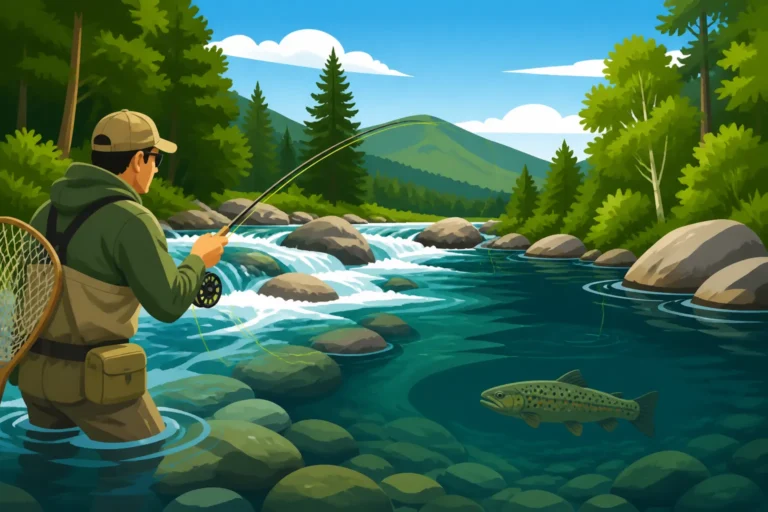
Spring is, without a doubt, one of the most exciting times to nymph in Vermont. As the snow melts and winter's chill gives way to warmer temperatures, the Green Mountain streams awaken. This is when the water often carries a little extra flow and a slight stain, making trout feel more secure and less likely to spook. The key here is to hit the post-runoff window, usually from late April through May, after the initial high, turbid water has receded but before the summer low flows. During this time, the rising water temperatures trigger a surge in aquatic insect activity. Many species, particularly large stoneflies and caddis, are growing rapidly and preparing for their late spring and early summer emergences.
Trout are also shaking off their winter lethargy and feeding aggressively to regain lost weight from the lean months. They'll often move out of their deep winter lies and into shallower runs and riffles, particularly along current seams and structure. This is an ideal time for indicator nymphing with heavier setups, allowing you to get your flies down quickly in the faster currents. You'll want robust patterns that imitate larger stoneflies (like a Pat's Rubber Legs or Kaufmann's Stone), caddis larvae, and even early season large mayfly nymphs. Fishing during these cooler, often overcast days can be incredibly productive. For more insights on this period, check out our guide on Spring Trout Fishing Techniques for Vermont Streams.
Summer: The Subtle Art of Stealth Nymphing
Summer nymphing in Vermont, especially during the dog days of July and August, demands a more refined approach. Water levels typically drop, and the streams become clearer, making trout more wary and easily spooked. Furthermore, as water temperatures rise, especially in smaller, lower-elevation streams, trout can become stressed. It's crucial to pay attention to water temperature. When stream temperatures approach the upper 60s Fahrenheit, it's often best to give the trout a break and consider fishing for warm-water species or exploring higher-elevation, colder streams. Our post on When Vermont trout streams get too warm to fish provides more detailed guidance on this.
However, if temperatures are stable and safe, summer nymphing can still be productive. The best times are usually early mornings, late evenings, or during overcast days when light levels are lower. Focus on targeting deeper runs, shady pockets, and undercut banks where trout seek refuge from the sun and predators. Smaller, more imitative nymph patterns are often key, matching the delicate mayflies and midges that are active in summer. You might also incorporate terrestrial patterns like ant or beetle nymphs if you suspect them falling into the water. Euro Nymphing techniques, which reduce drag and allow for a precise, sensitive presentation, truly shine in these conditions. This is where a long, light leader and sensitive rod allow you to feel even the most subtle takes. If you're looking to dive deep into this technique, our guide on Euro Nymphing Vermont Trout Streams is a fantastic resource.
Fall: Pre-Winter Feasting
As autumn leaves paint the Green Mountains in fiery hues, Vermont's streams undergo another transformation, making fall one of the absolute best times to nymph. Water temperatures begin to cool, rejuvenating trout and triggering a pre-winter feeding frenzy. Fish are actively packing on weight in preparation for the lean winter months. This period, generally from late September through October, offers a fantastic blend of active trout and often agreeable weather. The water levels might still be lower and clearer than spring, but the cooling temperatures make trout much less spooky and more willing to chase a well-presented nymph.
During the fall, many larger aquatic insects complete their life cycles, leading to significant nymphal drifts as they prepare to emerge or succumb to changing conditions. Additionally, brown trout, in particular, begin their spawning rituals. While it's vital to avoid disturbing spawning fish on their redds (spawning beds), egg patterns can be incredibly effective when drifted naturally below active spawning areas or in proximity to staging fish. This isn't snagging; it's imitating a natural food source that other fish will readily consume. Stonefly nymphs, caddis larvae, and attractor patterns are all excellent choices. Look for deeper pools and the tails of runs where fish might be staging or actively feeding.
Winter: Deep, Slow, and Strategic
Nymphing in the dead of winter in Vermont is not for the faint of heart, but it can be incredibly rewarding for those willing to brave the cold. Once ice forms on many stillwaters, the focus shifts to open rivers and streams that remain unfrozen. Trout are lethargic, their metabolism slowed to a crawl. They conserve energy, holding in the deepest, slowest pools and runs, often hugging the bottom tight to structure. They won't move far for a meal, so your nymph needs to drift right into their strike zone, almost touching their nose.
Smaller, subtle nymph patterns are often best, imitating the sparse midge larvae and tiny mayfly nymphs that are still active. Think tiny Pheasant Tails, midges, and small Baetis imitations. Presentation is paramount: a perfect, drag-free drift is more important than pattern. Use minimal weight to achieve a slow, natural sink rate, and be incredibly patient. Takes will be extremely subtle – often just a slight hesitation or twitch of your indicator. Focus on fishing during the warmest parts of the day, usually mid-afternoon, when water temperatures are at their peak. While challenging, landing a stout winter trout on a nymph can be one of the most satisfying experiences on a Green Mountain stream.
Essential Nymphing Techniques and Gear for Green Mountain Streams
Successful nymphing isn't just about knowing when to go; it's also about having the right tools and knowing how to use them effectively. Vermont's diverse stream environments demand adaptability in both your rigging and presentation.
Rigging Up: Indicators, Weights, and Leaders
When it comes to nymphing, your setup is crucial. There are generally two main approaches: traditional indicator nymphing and more modern tight-line (or Euro) nymphing.
Traditional Indicator Nymphing involves a strike indicator (a small bobber-like device) placed on your leader. This helps suspend your nymphs at the desired depth and, critically, signals subtle takes. For Green Mountain streams, especially in spring with higher flows, a brightly colored New Zealand strike indicator or a larger foam indicator can be highly effective. Below the indicator, you'll want a tapered leader, followed by a section of fluorocarbon tippet. The length of your tippet and the amount of weight (split shot or lead putty) you add will depend entirely on the water depth and current speed. You generally want your nymphs to tick the bottom occasionally without dragging. For average conditions, a 9-foot leader tapering to 4x or 5x, with 12-24 inches of 5x or 6x fluorocarbon tippet and a couple of small split shot, is a good starting point. Having a range of Best tippet size for stocked trout will make you ready for various situations.
Tight-Line (Euro) Nymphing foregoes the traditional indicator for direct contact with your flies. This method utilizes specialized long, sensitive rods (often 10-11 feet), a specialized leader (often a long, level piece of monofilament or a sighter material), and typically two or three weighted nymphs. The advantage here is incredible sensitivity; you feel every bump and subtle take directly through the line. It's particularly effective in pocket water, riffles, and in low, clear conditions where a buoyant indicator might spook fish. For detailed guidance on this, our Best nymph rig for high mountain streams post offers comprehensive advice. Many anglers find excellent Euro Nymphing leaders and specialized components on Amazon, which offers a wide selection from various brands.
Fly Selection for Vermont's Waters
Having the right nymph patterns is half the battle. While "matching the hatch" can be important for subsurface emergences, often a generalist approach with reliable attractor patterns will serve you well. Here are some staples for Vermont trout:
- Pheasant Tail Nymph: A classic for a reason. This pattern imitates a wide variety of small mayfly nymphs and is effective in all seasons. Have them in sizes #12-20.
- Hare's Ear Nymph: Another versatile pattern, mimicking many mayfly and caddisfly nymphs. Effective in sizes #10-18.
- Prince Nymph: A great attractor pattern that fish simply can't resist, often imitating stoneflies or large mayflies. Good in sizes #8-14.
- Caddis Larva (e.g., Caddis Pupa, Peeking Caddis): Caddis are incredibly abundant in Green Mountain streams. Have both weighted and unweighted versions in olive, tan, and brown, sizes #10-16.
- Stonefly Nymphs (e.g., Pat's Rubber Legs, Kaufmann's Stone, Girdle Bug): Crucial for spring and fall, especially in larger streams. These imitate the largest protein source for trout. Sizes #4-12.
- Midge Larva/Pupa (e.g., Zebra Midge, Blood Midge): Essential for winter and year-round in slow, deep water. Often fished as droppers or on their own. Sizes #18-24.
- Egg Patterns: Particularly effective in fall when brown trout are spawning. Orange, pink, or chartreuse "glo-bugs" in sizes #10-16 can be deadly when fished upstream of redds.
Remember to vary your sizes and colors based on water conditions and observations. Sometimes a subtle change in hue or a slightly smaller profile makes all the difference. For specific recommendations, delve into our guide on Best flies for Green Mountain brook trout. You can find an incredible array of these patterns and related fly tying materials on Amazon.
Reading the Currents and Presentation
Vermont's streams are rarely uniform; they're a mosaic of riffles, runs, pools, and pockets. Understanding how to read these currents and present your nymphs naturally is the hallmark of a skilled angler.
- Target Seams: The most productive areas are often current seams – where fast water meets slow water. Trout sit in the slower water, conserving energy, waiting for food to be delivered by the faster current. Drift your nymphs right along this seam.
- Pocket Water: Many Green Mountain streams are classic "pocket water," characterized by a series of small, turbulent pools separated by rapids. Each pocket is a potential trout lie. Use a quick, precise cast to drop your nymphs into the head of the pocket, allowing them to tumble naturally through it. Our guide on How to fish a plunge pool offers specific techniques for these areas.
- Runs and Pools: In longer runs, identify subsurface structure like large rocks or logs. In pools, focus on the deeper sections, especially where the current enters and exits. For a comprehensive strategy, refer to How to fish a run and pool trout stream.
- Mending: This is the art of controlling your line to achieve a drag-free drift. When your line bows in the current, it pulls your nymphs unnaturally. Mending involves flipping a loop of line upstream to counteract the current's pull, allowing your nymphs to drift at the same speed as the water around them. This is crucial for deceiving wary trout.
- High-Sticking: A technique often associated with Euro Nymphing, where you hold your rod tip high, keeping most of your fly line off the water. This minimizes drag and provides superior feel and control, especially in fast or turbulent water.
Practice these techniques, and you'll soon develop an intuitive understanding of how your flies are drifting and what a subtle take feels like.
Overcoming Nymphing Challenges in Vermont's Unique Environment
Vermont's fishing can be incredibly rewarding, but it's rarely easy. The streams here present distinct challenges that require adaptability and careful planning.
Dealing with Variable Water Conditions
One day you might find a stream running high and off-color after a spring rain; the next, it's crystal clear and low during a summer drought. Being prepared for these variations is key to consistent nymphing success.
High Water: When streams are running high, trout will often move out of the main current and seek refuge in eddies, slower seams, and flooded banks. Focus your nymphing efforts in these areas. You'll need heavier nymphs or more split shot to get your flies down to the fish in the faster currents, and perhaps a larger, more buoyant indicator. Don't be afraid to fish closer to the bank, as fish will move into newly flooded vegetation to feed. Remember that safety is paramount when dealing with high water. If the current is too strong, or the water is too turbid to see where you're stepping, it's better to choose another spot or wait for conditions to improve.
Low, Clear Water: As mentioned with summer nymphing, low, clear water demands stealth and precision. Use longer, finer leaders and tippets (6x or 7x fluorocarbon is often necessary). Approach your fishing spots carefully, staying low and out of the trout's line of sight. Longer casts can help keep you hidden, but a precise, short-range Euro Nymphing approach can also be devastatingly effective if you can get close without spooking fish. Smaller, more imitative nymphs are typically the ticket here. Fish early or late in the day when the light is lower, and trout are less wary.
Cold Water: In winter or early spring, water temperatures are frigid. Trout's metabolism is slowed, and they are less willing to chase food. Your nymphs need to be presented slowly and precisely, often in the deepest, slowest pools. Smaller, sparse patterns mimicking midges are often best. Don't over-fish a spot; once you make your drifts, move on to the next likely holding lie. Patience is your greatest ally in cold water.
Navigating Access and Terrain
Vermont's Green Mountain streams, while beautiful, are often characterized by steep banks, rocky bottoms, and dense riparian vegetation. This can make access challenging and wading tricky.
Wading Safety: Many of Vermont's trout streams have slippery, algae-covered rocks, especially after a period of rain. Always wear good quality wading boots, preferably with felt or sticky rubber soles, and consider using a wading staff for added stability. Move slowly and deliberately, testing each step before committing your weight. A good pair of Wading Techniques for Vermont Trout Streams will keep you safe and comfortable. Our article How to wade the Battenkill safely offers specific tips for tackling rocky riverbeds.
Stream Access: Public access points can vary widely. Sometimes you'll find designated Vermont Fish & Wildlife access areas, while other times you might be relying on road bridges or informal pull-offs. Always be respectful of private property, and if in doubt, choose another spot. Many streams run through dense woods, requiring a bit of bushwhacking to reach prime fishing spots. A good pair of polarized sunglasses will help you spot submerged obstacles and potential trout lies, making your approach safer and more effective. You can find many reliable polarized sunglasses for fishing on Amazon.
Stealth: Because many of these streams are smaller and clearer, stealth is crucial. Avoid heavy footsteps on the bank or splashing loudly in the water. Cast from a kneeling or crouching position if possible, especially when fishing clear, low water. Your shadow, if cast over the water, can spook fish from a considerable distance. By being mindful of your movements and approach, you significantly increase your chances of getting your nymph into a fish's feeding lane unnoticed.
Remember, every day on a Green Mountain stream is a learning experience. Pay attention to the conditions, observe the water, and adapt your nymphing strategy, and you'll soon discover the joy of consistent subsurface success.
Vermont Nymphing Season & Strategy Overview
| Season | Typical Water Conditions | Trout Behavior | Recommended Nymph Types | Key Strategy |
|---|---|---|---|---|
| Spring | Higher flow, cool to moderate temps, often slightly turbid | Actively feeding, moving into shallower runs | Large Stoneflies, Caddis Larvae, larger Mayflies (e.g., Prince, Pat's Rubber Legs, March Brown) | Heavier rigs, indicator nymphing, target current seams |
| Summer | Lower flow, clear to moderate temps (watch for high temps) | Wary, holding in deeper, shaded areas | Smaller Mayflies, Midges, small Caddis, Terrestrials (e.g., Pheasant Tail, Zebra Midge, small Hare's Ear) | Stealth, fine tippet, Euro Nymphing, early/late fishing |
| Fall | Moderate to low flow, cooling temps, often clear | Aggressive feeding, pre-spawn activity | Stoneflies, Caddis, larger Mayflies, Egg Patterns (e.g., Prince, Pheasant Tail, Glo-Bug, Girdle Bug) | Cover water, target deeper pools and staging areas, focus on aggressive takes |
| Winter | Very low flow, cold temps, clear | Lethargic, holding tight to bottom in slowest pools | Tiny Midges, small Mayflies (e.g., Zebra Midge, small Pheasant Tail) | Precise, subtle drifts, minimal weight, fish deep and slow, extreme patience |
Disclaimer
Please remember that fishing regulations in Vermont can change. Always consult the most current Vermont Fish & Wildlife Department regulations guide before heading out on the water. This information is for general guidance only.