How to wade the Battenkill safely
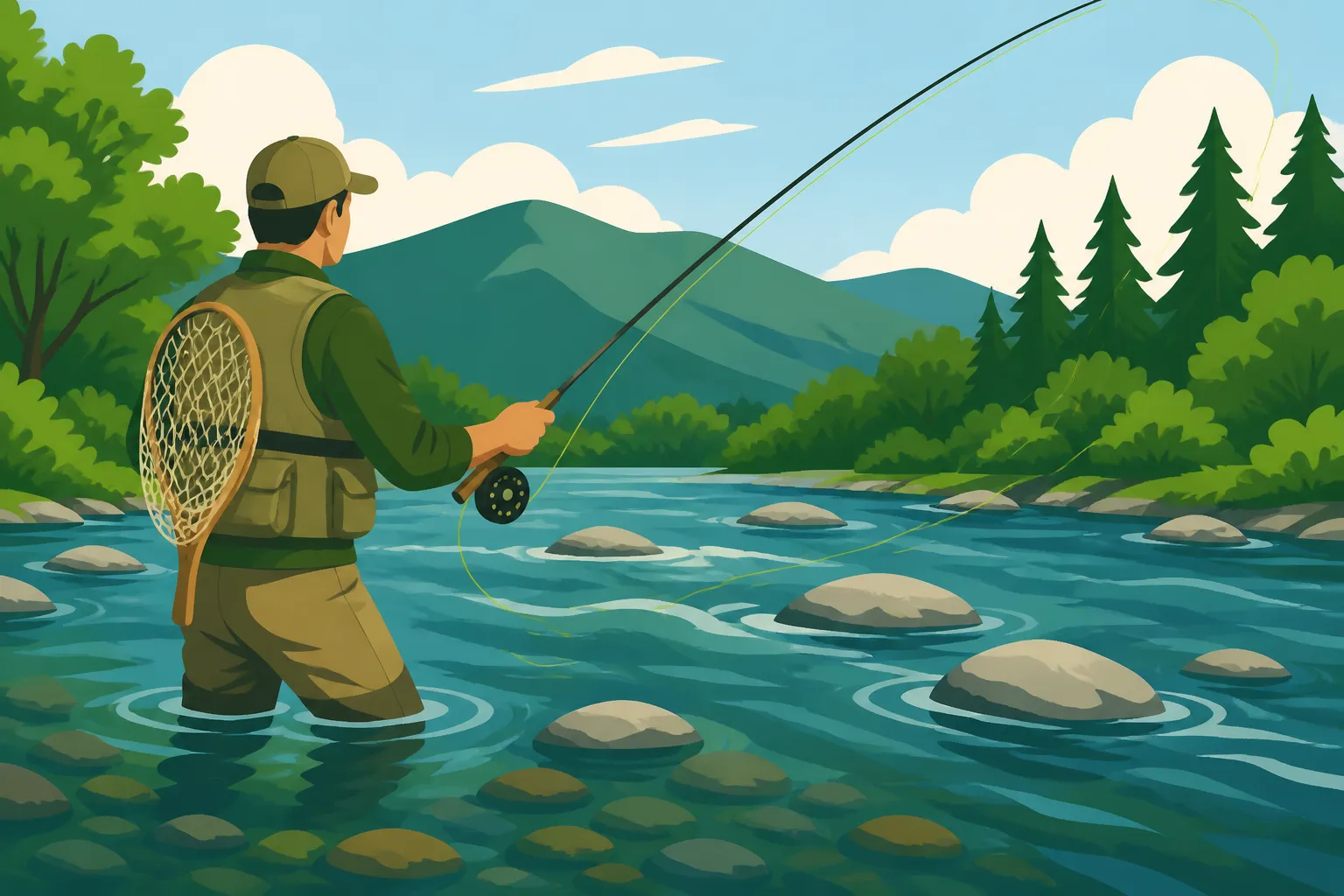
There's nothing quite like the feeling of stepping into the cool, clear waters of the Battenkill River, rod in hand, ready for a day of trout fishing. But let's be honest, the Battenkill, for all its beauty and legendary fishing, can be a real challenge to wade safely. The slick, rocky bottom and deceptively strong currents can turn a peaceful outing into a precarious balancing act in a heartbeat. This guide is here to walk you through everything you need to know to navigate the Battenkill's unique terrain with confidence and, most importantly, safely.
Understanding the Battenkill's Unique Challenges for Wading
The Battenkill is not your average trout stream. Its geology, water flow, and surrounding environment all contribute to a wading experience that demands respect and preparation. Many anglers, even experienced ones, underestimate its complexities, leading to slips, falls, and sometimes more serious situations. Knowing what you're up against is the first step to a safe and enjoyable day on the water.
Riverbed Composition and Current Strength
One of the Battenkill's most notorious features is its riverbed. You'll encounter a mix of gravel, loose rocks, and larger boulders, many of which are coated in a slick, dark algae or moss that feels like ball bearings underfoot. This limestone bedrock, while contributing to the river's rich ecosystem, is incredibly treacherous. It's not uncommon to feel stable one moment and be sliding the next, even in seemingly calm stretches.
Beyond the slipperiness, the Battenkill's current can be surprisingly powerful, especially after rainfall or during spring runoff. While it might appear gentle from the bank, the sheer volume of water moving downstream can exert immense pressure, capable of knocking you off balance. Deeper sections or constricted areas can accelerate the current, creating unseen hazards that can quickly become dangerous if you're not paying attention. Always be aware of the "push" of the water against your legs.
The river's character also changes significantly along its length. Upstream sections might be narrower and faster, with more pronounced riffles and runs, while wider, slower pools might hide deeper, slicker rock formations. Understanding these variations is key to adjusting your wading strategy. Never assume one section will be like the last; constantly assess the riverbed and current as you move.
Water Depth and Fluctuations
The Battenkill's water depth is far from uniform. What looks like a shallow riffle from afar can quickly drop off into a waist-deep or even chest-deep pool. These sudden changes in depth are often hidden by the river's typically clear water, making them visually deceptive. Stepping into one of these unexpected drop-offs, particularly in a strong current, can easily lead to a loss of balance and a potentially dangerous dunking.
Furthermore, the river's depth and flow are highly susceptible to weather conditions. A heavy rainstorm in the mountains upstream can transform a placid river into a raging torrent in a matter of hours. Even a steady, overnight rain can significantly increase water levels and current strength, making previously safe wading spots impassable. Always check local weather forecasts and river gauges before heading out. Websites like the USGS often provide real-time flow data, which can be invaluable for determining if the river is safe for wading.
This variability means that while one day might offer ideal wading conditions, the next could be completely different. It's crucial not to rely solely on past experiences. A spot you waded easily last week might be too deep or too fast this week. Always approach the river with a fresh assessment and be prepared to change your plans if conditions aren't safe. For more general insights into how conditions impact fishing, check out this guide on Fishing after a heavy rain on Vermont rivers.
Bank Access and Obstacles
Gaining access to the Battenkill isn't always straightforward. Many sections are flanked by steep, slippery banks, dense undergrowth, or private property. Finding a safe, gradual entry and exit point is essential, as scrambling down a muddy bank with your gear can be just as hazardous as wading the river itself. Always scout your entry and exit points carefully before committing to the water.
Once you're in the water, you'll encounter various submerged and emergent obstacles. Fallen trees, known as "strainers," are particularly dangerous. The current can push you into them, trapping you or your gear, and making it extremely difficult to extricate yourself. Always identify these hazards and give them a wide berth. Rocks, logs, and even old fences can create eddies or sudden changes in current direction, further complicating your wading path.
Respecting private property boundaries is also paramount on the Battenkill. Much of the riverfront is privately owned, and trespassing can lead to legal issues and damage relationships with landowners. Always be aware of posted signs and stick to designated public access points or areas where you have explicit permission to enter. Understanding Vermont Fishing Regulations Explained will provide crucial details on where you can legally access and fish.
Essential Gear for a Secure Stance and Protection
While skill and awareness are vital, having the right equipment significantly enhances your safety and comfort while wading the Battenkill. Skimping on quality gear, especially footwear and a wading staff, is a common mistake that can have serious consequences on this particular river. Invest wisely; your safety is worth it.
Waders and Boots: Grip and Protection
Your choice of waders and, more critically, wading boots, will be the cornerstone of your Battenkill wading safety. Breathable chest waders are generally recommended, even in warmer months, as they offer more protection if you do take a tumble, especially given the typically cold water temperatures. For excellent options, consider consulting a guide like Best Waders for Vermont Trout Streams or specific recommendations like Best breathable waders for summer fishing if you're fishing in warmer weather.
When it comes to wading boots, the sole type is paramount. Felt soles have long been a favorite for their superior grip on slick, algae-covered rocks, which are abundant in the Battenkill. However, felt can transfer invasive species, so some areas have restrictions. Rubber soles are more versatile for hiking to and from the river but generally offer less grip on wet, slick surfaces unless they are specifically designed with aggressive, sticky rubber compounds. Many modern rubber soles also feature studs or allow for studding, which can dramatically improve traction. You can find a wide selection of wading boots, often with customer reviews highlighting their grip on various riverbeds, on platforms like Amazon.
No matter the sole type, ensuring your boots fit properly over your wader booties is crucial. Boots that are too loose can cause your feet to slide around inside, leading to instability. Conversely, boots that are too tight can restrict blood flow and cause discomfort. Some anglers opt for additional studded inserts or choose boots that come with factory-installed studs for maximum grip on the Battenkill's challenging bottom. For a deeper dive into this, refer to Best Wading Boots for Rocky Streams.
Wading Staff: Your Third Leg
A sturdy wading staff is not optional; it's an essential piece of safety equipment for the Battenkill. Think of it as your third leg, providing crucial stability and allowing you to probe the riverbed before committing your weight. Many experienced anglers, even those who rarely use a staff elsewhere, rely heavily on one for the Battenkill's treacherous conditions.
There are various types of wading staffs, from collapsible models that easily stow away to fixed-length staffs. Regardless of the style, ensure it's strong, lightweight, and has a comfortable grip with a lanyard to prevent loss if you drop it. Using a staff correctly means planting it firmly upstream and slightly to the side of where you intend to step next, feeling for stable footing and assessing depth before moving your foot. This "tripod" method of always having two points of contact (two feet and the staff, or one foot and the staff while moving the other) is a game-changer for safety.
The staff also serves as a crucial depth gauge, allowing you to identify sudden drop-offs or deeper channels without stepping into them unexpectedly. In a swift current, it can provide leverage and help brace against the force of the water. This piece of gear can literally be a lifesaver, providing that extra point of balance when you encounter the Battenkill's famously slick rocks. Don't leave home without one; consider a specialized guide like Best Wading Staff for Fast Current to help you choose.
Personal Flotation Devices PFDs: An Often Overlooked Safety Net
While many anglers consider PFDs (Personal Flotation Devices) primarily for boating, they are an incredibly smart safety addition for wading the Battenkill, especially in high water or when fishing alone. The river's cold temperatures, even in summer, mean that a sudden fall can quickly lead to hypothermia, impairing your ability to self-rescue. A PFD provides invaluable buoyancy, keeping your head above water and conserving energy if you find yourself in an unexpected swim.
Modern PFDs come in various styles, including inflatable vests that are lightweight and low-profile, often barely noticeable while casting. These vests can be manually inflated or automatically deploy upon immersion, offering a level of safety that far outweighs any minor inconvenience. If you're fishing areas with stronger currents or deeper pools, or if you're a less experienced wader, wearing a PFD is a simple, effective way to mitigate risk.
Even if you're an experienced swimmer, the combination of cold water, heavy waders filling with water, and strong currents can quickly overwhelm you. A PFD gives you precious seconds to collect yourself, orient downstream, and work your way to safety. Think of it as affordable insurance for your life; you can find various models suitable for fishing on Amazon, including lightweight options designed not to impede casting.
Mastering Safe Wading Techniques on the Battenkill
Having the right gear is only half the battle; knowing how to use it and how to move through the water effectively is equally important. The Battenkill demands a mindful and methodical approach to wading, requiring constant awareness of your surroundings and careful execution of each step.
Reading the Water Before You Step In
Before you even think about putting a foot in the water, take a moment to "read the water." This means observing the currents, identifying potential hazards, and mapping out your intended path. Look for sections where the current appears slower, indicating shallower water or less obstruction. Areas with broken, turbulent water often conceal unseen rocks and strong currents, while smoother, darker sections might indicate deeper, faster flows.
Try to identify a clear path that minimizes crossing the main current. If possible, stick to the edges or slower seams where the water pushes less forcefully. Look for "eddy lines," where the current slows or reverses, as these can provide brief moments of respite and easier wading. Always assume the worst: that every rock is slick, and every deep section hides a drop-off. This cautious mindset will prevent many mishaps. For more on navigating different water types, consider reading Wading Techniques for Vermont Trout Streams.
Pay attention to where the river's force is directed. Are there obvious channels where the water is funneling, creating a stronger push? Are there large boulders creating protected areas that could offer safer passage? Spend a few minutes on the bank, watching leaves or debris float downstream, to get a sense of the current's true speed and direction. This reconnaissance will give you a mental map and boost your confidence before you enter the chilly waters.
The Shuffle and The Tripod Method
When you do begin to wade, adopt a slow, deliberate approach. The "shuffle" method is key: slide your feet forward, rather than lifting them high, maintaining contact with the riverbed at all times. This reduces the chance of catching your toe on an unseen rock or stepping into a sudden depression. Keep your knees slightly bent to maintain a lower center of gravity, which helps with balance against the current.
The "tripod" method, as mentioned with the wading staff, is your best friend. Always maintain three points of contact: two feet and your staff, or one foot and your staff while you move the other foot. Before moving a foot, plant your staff firmly downstream and slightly to the side of where you intend to place your foot. Use the staff to test the depth and stability of the riverbed. Once you're confident, shift your weight, move your foot to the new spot, ensure it's stable, and then reposition your staff.
Never rush. Each step should be deliberate and confident. If you feel unsteady, stop, regain your balance, and reassess. Moving too quickly is a primary cause of falls. When fishing the Battenkill, the pace of your wading should always be slower than your fishing. This methodical approach might feel slow at first, but it quickly becomes second nature and drastically improves your safety.
Crossing Strong Currents and Deep Pools
There will be times when you need to cross a section of stronger current or a deeper pool. When doing so, always face slightly upstream and angle your body across the current, rather than trying to walk straight across. This angle allows the current to push against a larger surface area of your body, creating stability, much like a keel on a boat. The force of the water will actually help brace you rather than knock you over.
Take short, deliberate steps, always employing the tripod method with your wading staff. Avoid looking down at your feet, which can throw off your balance; instead, keep your eyes focused on a point on the opposite bank or just ahead of your intended path. If you're wading with a partner, you can use a "buddy system" where you stand abreast, slightly offset, with one angler upstream of the other, providing mutual support against the current.
If you encounter a spot that feels too deep or too fast, don't hesitate to turn back. There's no shame in admitting a section is beyond your comfort or skill level. It's far better to retrace your steps and find a safer crossing or simply fish from the bank than to risk a dangerous situation. Remember, the Battenkill is full of fantastic fishing spots, including the famous Battenkill River Trout Fishing sections, so there’s always another spot to explore if one seems too risky.
Beyond the Gear: Environmental Awareness and Preparedness
Wading safely on the Battenkill isn't just about what you wear or how you move; it's also about being attuned to your environment and preparing for the unexpected. Mother Nature can be unpredictable, and being ready for sudden changes or emergencies is crucial for a truly safe outing.
Monitoring Weather and Water Levels
The weather in Vermont, especially in the Green Mountains, can change rapidly. A sunny morning can quickly turn into an afternoon thunderstorm, dramatically impacting river levels and clarity. Always check the forecast before you leave home and keep an eye on the sky while you're on the water. Darkening clouds or distant thunder should prompt you to start thinking about exiting the river.
As mentioned earlier, monitoring water levels is critical. Use online resources like the USGS stream gauges (e.g., Battenkill River at Arlington, VT) to get real-time flow data. Look for trends: has the river been rising or falling? A rapidly rising river is a clear sign to get out immediately. Pay attention to water clarity too; clear water can hide depth, but very murky water can indicate high flow and make seeing the bottom impossible.
Remember, trout fishing in Vermont has various seasons and rules, and sometimes these align with unpredictable weather. For example, Vermont Trout Season and Stocking Rules outlines prime fishing times, but these don't override safety precautions for high water. If you're planning to fish during peak times, like Vermont Trout Opening Day Traditions, be extra vigilant about conditions, as high turnout can sometimes lead to peer pressure to fish in unsafe conditions.
What to Do if You Fall
Even with the best preparation and technique, a fall can happen. If you lose your footing, the most important thing is to stay calm. Panic is your biggest enemy. Immediately orient your body so your feet are pointing downstream, allowing you to absorb impacts with your feet and legs rather than your head or torso. Keep your butt downstream as well, riding the current with your back facing the direction of travel.
Do your best to keep your head up and try to steer yourself towards slower water or the nearest bank using your arms. If you're wearing a PFD, it will do most of the work to keep you afloat. If not, conserve energy by floating and trying to paddle only when necessary to avoid obstacles. Don't fight the current; use it to your advantage to get to a safer spot.
As for your gear, if your rod is secured by a lanyard, great. If not, let it go. Your safety is far more important than a lost rod. If your waders fill with water, they will become heavy, but they won't drag you down if you stay calm and allow yourself to float. Modern waders are designed to hold air initially, providing buoyancy, and even once filled, the water inside acts as a ballast, allowing you to float. Focus on reaching safety first, then worry about retrieving any lost items.
Fishing with a Buddy and Communication
Wading with a partner is one of the most effective safety measures you can take, especially on a river like the Battenkill. A buddy can provide assistance if you fall, help you navigate tricky sections, and simply be there to share the experience. You can also utilize the buddy system for crossing difficult currents, as described earlier.
Before you head out, communicate your plans. Let someone know where you're going, your estimated return time, and have a plan for checking in. Even if you're alone, carrying a fully charged cell phone in a waterproof case is a wise precaution. However, don't rely solely on cell service, as many remote areas of Vermont, including some Battenkill sections, have spotty reception.
Always know your limits. Don't push yourself to wade through water that feels too deep, too fast, or too cold. The enjoyment of fishing isn't worth risking your safety. Acknowledge when conditions are beyond your comfort zone and be prepared to fish from the bank, find a different spot, or simply call it a day. There's always tomorrow, and the Battenkill will be there, waiting for you.
| Wading Boot Sole Type | Primary Advantage | Primary Disadvantage | Best For | Considerations |
|---|---|---|---|---|
| Felt | Superior grip on slick, algae-covered rocks | Can transfer invasive species; poor grip on mud/snow/dry ground | Extremely slick riverbeds (like the Battenkill) | Check local regulations for felt bans; requires thorough cleaning |
| Rubber | Versatile for hiking & wading; better on mud/dry ground | Less grip on very slick, algae-covered rocks than felt | Mixed terrain; where felt is banned | Look for aggressive tread, "sticky" rubber compounds; consider studs |
| Rubber with Studs | Excellent grip on slick rocks and mixed terrain | Can damage boat floors; potentially noisy; studs wear down | Best overall for challenging, varied riverbeds | Regularly check/replace studs; heavier than unstudded boots |
Disclaimer
The information provided in this guide is for general informational purposes only. Wading in rivers carries inherent risks, and conditions can change rapidly. Always exercise caution, use common sense, and prioritize your safety. The author and publisher are not responsible for any accidents, injuries, or losses incurred while following the advice provided. Consult official Vermont Fish & Wildlife Department resources for the most up-to-date regulations and safety guidelines.