Best fly size for Vermont trout streams in spring
Spring fishing in Vermont's trout streams can be absolutely magical, but it often comes with a perplexing challenge: choosing the right fly size. Anglers often find themselves staring at their fly boxes, wondering if that tiny Baetis imitation is too small, or if a larger Stonefly pattern will spook wary trout. This comprehensive guide is here to demystify the art of selecting the best fly sizes for Vermont's dynamic spring trout streams, helping you match the hatch and increase your chances of a memorable catch.
The Unique Dynamics of Vermont's Spring Trout Streams
Before we even talk about individual flies, it's crucial to grasp the overarching conditions that define spring fishing in Vermont. Unlike the more predictable patterns of summer, spring is a season of rapid change, where water levels, temperatures, and insect activity can fluctuate wildly, sometimes within a single day. These variables directly influence what trout are willing to eat and, by extension, what fly sizes you should be reaching for.
Understanding Water Conditions and Temperature Swings
Early spring in Vermont means dealing with the tail end of winter's chill. Water temperatures are often in the 30s and 40s Fahrenheit, which makes trout lethargic. Their metabolism is slow, and they're not going to expend a lot of energy chasing down a meal. As the season progresses, and especially as April gives way to May, temperatures gradually rise. Every degree counts for trout activity. When the water is colder, say below 45°F, trout are often hugging the bottom, looking for easy calories. This usually means smaller, subtler offerings are more effective, as a large, flashy fly might simply go ignored or even scare them. As temperatures creep into the 50s, trout become more active, moving higher in the water column and willing to chase larger, more robust patterns. Keeping a close eye on a stream thermometer is one of the most important tools in your arsenal for Best Time of Year to Fish in Vermont.
Impact of Snowmelt and Runoff
Vermont is famous for its winter snows, and spring is when all that accumulated moisture has to go somewhere. Snowmelt and spring rains lead to increased runoff, which can significantly raise stream levels and often color the water with a murky tint. High, off-color water presents its own set of challenges and opportunities for fly size selection. When the water is high and turbid, trout's visibility is reduced. They rely more on scent and the vibration of passing food. This is often when larger, more visible flies come into play. A bulkier fly, perhaps a size 8 or 10, will create more displacement in the water, making it easier for a trout to detect in the reduced visibility. Conversely, in low, clear water conditions, which can occur during dry spells even in spring, trout become incredibly wary, and you'll need to scale down your fly sizes significantly, sometimes to tiny #20s or #22s.
Early Spring vs. Late Spring Microclimates
Vermont's varied topography means that "spring" isn't a monolithic entity. You might find open, lower-elevation rivers warming up and seeing hatches in early April, while higher-elevation Green Mountain streams are still frozen solid or experiencing intense snowmelt well into May. This creates distinct microclimates. Early spring in southern Vermont rivers like the Battenkill or the White River might mean small midges and early Blue-Winged Olives, while a few weeks later in the Northeast Kingdom, you could be dealing with bigger stoneflies as things finally thaw. Always consider the specific stream's elevation and geography. The general rule is: the colder the water, the smaller and more subtle your offerings should be, whether you're fishing a nymph or trying to tempt a trout to the surface. Understanding these nuances is key to mastering Spring Trout Fishing Techniques for Vermont Streams.
Decoding the Spring Hatch: Key Insects and Their Corresponding Fly Sizes
The heart of fly fishing is often "matching the hatch"—imitating the insects that trout are actively feeding on. Spring in Vermont sees a succession of different insect emergences, each requiring specific fly sizes to accurately represent them.
Early Spring Stalwarts: Midges and Blue-Winged Olives (Baetis)
As soon as the ice melts and water temperatures start to tick up into the low 40s, two insect groups become incredibly important: midges and early season Blue-Winged Olives (BWO).
-
Midges: These tiny insects are often the very first food source available to trout in significant numbers. They are present year-round but become particularly vital in early spring when other insects are scarce. Trout will often sip midge adults off the surface or feed heavily on their pupae just under the film.
- Fly Sizes: Midges are tiny. We're talking sizes #20, #22, and even #24. For pupa imitations, think #18-#22.
- Real-Life Scenario: You're on a sunny, calm stretch of the Winooski River in early April, and you see faint dimples on the water. No obvious large insects are flying around. This is a classic midge scenario. Tie on a Griffith's Gnat in a #20 or a tiny zebra midge nymph in #22. Don't be afraid to go smaller than you think you need; the trout's vision is incredible, and a slight mismatch in size can mean rejection.
-
Blue-Winged Olives (Baetis): These small mayflies are a gift to early spring anglers, often emerging on cloudy, damp days. Their hatches can be prolific and provide some of the first consistent dry fly action of the year.
- Fly Sizes: BWOs are generally small, ranging from #18 to #22. Emergers and nymphs will be in the same size range.
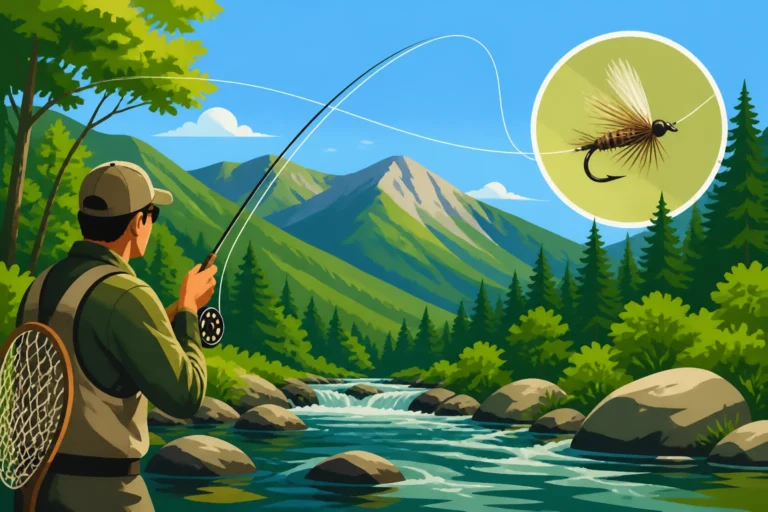
- Real-Life Scenario: It's a drizzly afternoon on the Lamoille River, and you start seeing small, dark-winged mayflies drifting on the surface, with trout rising steadily. This is prime BWO time. A Parachute Adams or a BWO CDC Comparadun in a #18 or #20 would be a perfect choice. For subsurface feeding, a Pheasant Tail Nymph in a #20 can be deadly. If you need to stock up, you can find a huge selection of these specific patterns and sizes on Amazon.
Mid-Spring Movers: Stoneflies and Caddis
As water temperatures continue to climb into the mid-40s and 50s, typically from mid-April through May, larger insects like stoneflies and caddis become prominent.
-
Stoneflies: These insects are important trout food, especially in their nymphal stage. Many species crawl out of the water to hatch, so adult imitations are less frequently used, but large stonefly nymphs are a staple.
- Fly Sizes: Stonefly nymphs are robust. Think #6 to #12, with some of the larger species like Golden Stones or Giant Stones requiring even larger #4 or #2 patterns.
- Real-Life Scenario: You're fishing a faster, rocky section of the Black River with some depth, and the water is still a bit cold and stained from runoff. Trout are likely holding close to the bottom, and a large, dark stonefly nymph (like a Pat's Rubber Legs in #8) drifted along the bottom is exactly what they're looking for. The larger size makes it visible and enticing in the murkier water.
-
Caddisflies: Caddis hatches can be explosive in the spring, especially on warmer days. They dart around on the surface, making them a fun challenge to imitate. Their larvae and pupae are also hugely important.
- Fly Sizes: Caddis can vary quite a bit, but for spring hatches, sizes #14 to #18 are common. Larval and pupal forms (like soft hackles) will be in a similar range.
- Real-Life Scenario: You're on Otter Creek in late April, and suddenly, you see dozens of caddis skittering across the surface. Trout are slashing at them aggressively. A Tan Elk Hair Caddis in a #16 or #14 would be your go-to. If the trout are hitting subsurface, try a Hare's Ear Nymph or a LaFontaine's Emergent Sparkle Pupa in the same size. For more specific patterns, check out the Fly Patterns for Vermont Trout Streams guide.
Anticipating Later Spring Hatches: March Browns and Hendrickson Mayflies
As late spring approaches, typically from late April into May, some of the most exciting mayfly hatches occur, bringing with them larger-bodied insects that can really get trout looking up.
-
March Browns: These medium-to-large mayflies offer some of the first truly substantial dry fly opportunities of the season. They're often seen on warmer, overcast days.
- Fly Sizes: March Browns typically range from #12 to #14. Their nymphs are robust, usually #10 to #14.
- Real-Life Scenario: It's a sunny, pleasant day in mid-May on a classic Vermont trout stream like the Battenkill, and you start seeing large, mottled-brown mayflies struggling on the surface. Trout are rising deliberately. A March Brown Comparadun or a classic March Brown dry fly in #12 or #14 is essential. For subsurface action, a Hare's Ear Nymph in #12 or #14 can represent the nymphal stage.
-
Hendrickson Mayflies: Arguably one of the most anticipated hatches of the spring, Hendricksons bring large, beautiful mayflies to the surface, often prompting some of the year's best dry fly fishing.
- Fly Sizes: Hendricksons are typically #12 or #14. Their emergers and nymphs are also in this size class.
- Real-Life Scenario: You're on the White River in early to mid-May, and a dense hatch of pinkish-brown mayflies starts to come off. Trout are feeding eagerly, often with splashy rises. A Hendrickson Parachute or a Compara-dun in #12 is the ticket. These hatches are often short-lived but incredibly productive.
Table: Common Spring Hatches and Recommended Fly Sizes for Vermont Trout Streams
| Insect Category | Life Stage | Common Fly Patterns | Recommended Spring Sizes | Peak Season (Approx.) |
|---|---|---|---|---|
| Midges | Adult | Griffith's Gnat, Adult Midge | #20 – #24 | Early Spring (March-May) |
| Pupa/Larva | Zebra Midge, Tungsten Midge | #18 – #24 | Early Spring (March-May) | |
| Blue-Winged Olives | Adult | Parachute BWO, CDC Comparadun | #18 – #22 | Early/Mid Spring (April-May) |
| (Baetis) | Nymph | Pheasant Tail Nymph | #18 – #22 | Early/Mid Spring (April-May) |
| Stoneflies | Nymph | Pat's Rubber Legs, Girdle Bug | #6 – #12 | Early/Mid Spring (April-May) |
| Caddisflies | Adult | Elk Hair Caddis, CDC Caddis | #14 – #18 | Mid/Late Spring (April-June) |
| Pupa/Larva | LaFontaine's Sparkle Pupa | #14 – #18 | Mid/Late Spring (April-June) | |
| March Browns | Adult | March Brown Comparadun | #12 – #14 | Mid/Late Spring (May-Early June) |
| Nymph | Hare's Ear Nymph | #10 – #14 | Mid/Late Spring (May-Early June) | |
| Hendrickson Mayflies | Adult | Hendrickson Parachute | #12 – #14 | Mid Spring (Late April-May) |
| Nymph | Hendrickson Nymph | #12 – #14 | Mid Spring (Late April-May) |
Beyond the "Match": Versatile Searcher Flies for Spring Success
Sometimes, trout aren't keying in on a specific hatch, or perhaps there's no visible hatch at all. This is where "searcher" patterns come into play. These flies aren't designed to perfectly imitate a specific insect but rather to suggest a general food source or provoke a strike out of instinct. They are invaluable for Fly Fishing for Trout in Vermont.
Subsurface Staples: Nymphs and Wet Flies
Nymphs and wet flies are arguably the most consistently effective flies in spring, especially when water is cold or high. Trout spend most of their lives feeding subsurface, and spring is no exception.
-
General Nymphs: Patterns like the Hare's Ear Nymph, Prince Nymph, and Copper John are fantastic all-around imitations for a variety of aquatic insects. Their buggy profiles and often weighted bodies get them down to where trout are feeding.
- Fly Sizes: For spring, a range of #12 to #18 is generally good. You might go larger (#8-#10) for heavier water or smaller (#20) for particularly finicky trout in clear conditions.
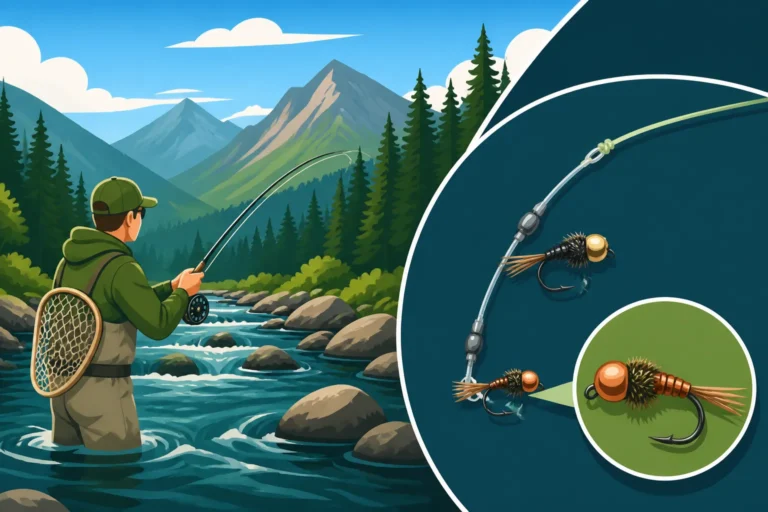
- Real-Life Scenario: You arrive at a deep run on the New Haven River, and you're not seeing any surface activity. A two-nymph rig with a heavier Prince Nymph in #12 followed by a smaller Copper John in #16 will cover multiple bases and depths. The key is to get them down to the strike zone, so make sure you're using enough weight, whether it's built into the fly or added with split shot. For ideas on setup, consider reading about Best Strike Indicator for Nymph Fishing.
-
Wet Flies: These traditional flies often imitate drowned insects, emergers, or larvae. They fish a bit higher in the water column than weighted nymphs and can be very effective during sparse hatches or when trout are looking for something easy to grab.
- Fly Sizes: Sizes #10 to #16 are typical for spring wet flies.
- Real-Life Scenario: It's a calm evening on a pocket water section of a smaller stream, and you're seeing occasional swirls, but no consistent rises. A soft-hackle wet fly, like a Partridge and Orange in #14, swung through the current, can often elicit strikes from trout that are casually looking for emerging insects.
The Allure of Streamers
Streamers are your ticket to catching bigger, more aggressive trout, especially in high, off-color water or when targeting fish that are preying on baitfish. Think of them as imitating sculpins, dace, or even larger aquatic insects.
- Common Streamers: Woolly Buggers (olive, black, brown), Clouser Minnows, and other baitfish patterns are excellent choices.
- Fly Sizes: Streamers run larger, typically from #2 to #10.
- Real-Life Scenario: You're on a larger Vermont river, like the Poultney River, after a spring rain. The water is high and murky. A large, olive Woolly Bugger in #4 or #6, stripped aggressively through deeper pools or swung through current seams, can trigger aggressive strikes from brown trout that are hunting. These flies are also fantastic for fishing during Best Techniques for Early Spring Trout when fish are still lethargic but opportunistic. You can grab excellent value multi-packs of Woolly Buggers on Amazon.
Dry Fly Opportunities When Nothing is Hatching
Even when there's no obvious hatch, a well-chosen dry fly can still bring a trout to the surface, especially later in the spring as temperatures warm. These are typically "attractor" patterns.
- Attractor Dry Flies: Patterns like the Adams, Royal Wulff, or Stimulator don't perfectly match a specific insect but generally suggest a tasty meal.
- Fly Sizes: #12 to #16 are good general sizes for attractor dries in spring.
- Real-Life Scenario: It's a pleasant, slightly breezy afternoon, and you're fishing a riffle section of the Missisquoi River. No hatches are apparent, but you want to try for a surface strike. A classic Royal Wulff in #14, floated over promising lies, can often fool an opportunistic trout. The larger profile makes it easy for the trout to see and often instigates a rise, even if they aren't actively feeding on something specific.
Practical Strategies for Fly Size Selection and Presentation
Choosing the right fly size is only half the battle; how you present it, and with what tackle, is equally important.
The Importance of Tippet Size and Stealth
Matching your tippet size to your fly size is critical for both natural presentation and successful hook-ups. A tippet that's too heavy for a tiny fly will kill its action and make it appear unnatural. Conversely, a tippet that's too light for a large streamer might snap.
- General Guidelines:
- Small Flies (#18-#24): Use 6X or 7X tippet.
- Medium Flies (#12-#16): Use 4X or 5X tippet.
- Large Flies (#2-#10): Use 0X, 1X, 2X, or 3X tippet.
- Real-Life Scenario: You've identified that tiny BWOs in #20 are hatching, and trout are sipping them delicately from a flat pool on the New Haven River. Using a 5X tippet, which might be fine for a #16 dry fly, will look like a rope to these wary trout. Stepping down to a 6X or even 7X tippet for those #20 flies will give you a much more natural drift and a better chance at a hook-up. Remember that for particularly spooky fish, Best Tippet Material for Tiny Mountain Stream Trout is often fluorocarbon due to its low visibility.
Adjusting to Different Water Depths and Currents
The depth and speed of the water greatly influence what size and type of fly you should choose, particularly for subsurface presentations.
- Deep, Fast Water: Here, you need flies that get down quickly. This means weighted nymphs (bead-head, tungsten-bead) in larger sizes (#10-#14) to cut through the current. You might also need to add split shot to your leader. The larger size of the fly also helps trout see it in the tumultuous water.
- Shallow, Slow Water: In these conditions, trout have more time to inspect your fly. You'll generally want smaller, more natural-looking nymphs (#16-#20) or dry flies, presented with utmost stealth. A heavy nymph or a large streamer would likely spook them.
- Real-Life Scenario: You're fishing the classic runs and pools of the White River. In the fast, deep head of a run, you might start with a large, weighted Pat's Rubber Legs in #8. As you transition to the shallower, slower tailout of the pool, you'd switch to a smaller, unweighted Pheasant Tail Nymph in #16 or even a dry fly if you see surface activity. This adaptability is key to success on a diverse river. Knowing How to Fish a Run and Pool Trout Stream will enhance this approach.
Carrying a Diverse Fly Box
Given the unpredictable nature of spring in Vermont, carrying a well-stocked and diverse fly box is not just helpful, it's essential. You never know when conditions will change, or when a new hatch will begin.
- Must-Have Variety: Include a range of sizes for your key spring patterns:
- Nymphs: Pheasant Tail (14-20), Hare's Ear (12-18), Prince Nymph (10-16), Copper John (12-18), Pat's Rubber Legs (6-12).
- Dry Flies: Parachute Adams (12-22), Elk Hair Caddis (14-18), BWO Comparadun (18-22), March Brown (12-14), Hendrickson (12-14), Griffith's Gnat (20-24).
- Streamers: Woolly Buggers (4-10) in olive, black, and brown.
- Real-Life Scenario: Imagine you start your day on the Mettawee River hoping for a BWO hatch, so you're rigged with small dry flies. Suddenly, a cold front rolls through, water levels rise due to a quick shower, and the surface activity shuts down. If your fly box only contains tiny dry flies, you're out of luck. But if you have larger stonefly nymphs and woolly buggers, you can quickly adapt to the subsurface conditions and keep fishing effectively. For carrying all these flies, having a few dedicated Best Fly Boxes for Trout Streams is really helpful. When purchasing new flies for your box, browsing Amazon can give you a wide selection of patterns and sizes to fill any gaps.
Ultimately, choosing the best fly size for Vermont trout streams in spring is a dynamic process of observation, adaptation, and a bit of educated guesswork. Pay attention to the water, watch for insects, and don't be afraid to change your fly often until you crack the code!
Disclaimer
Fishing regulations and conditions can change. Always consult the latest Vermont Fish and Wildlife Department regulations before heading out on your fishing trip. Stay safe and be mindful of private property.