Float Fishing the Battenkill
The Battenkill River, a legendary name whispered among trout anglers, presents both an irresistible draw and a perplexing challenge. Its clear, often spooky waters, and the notoriously selective wild brown and brook trout that call it home, can humble even the most seasoned angler. If you've found yourself staring at its beautiful but seemingly empty runs, wondering how to present a fly naturally enough to entice a bite, you're not alone. This comprehensive guide is here to demystify float fishing on the Battenkill, offering practical advice and techniques to help you unlock the river's secrets and successfully target its wily trout.
Understanding the Battenkill's Unique Character for Float Fishing
Before you even tie on a fly, it's crucial to appreciate what makes the Battenkill, particularly its Vermont stretch, such a special and often demanding river. It's not just a body of water; it's an ecosystem with its own rhythms and challenges that directly influence how you should approach float fishing.
The River's Temperament and Flow Dynamics
Unlike many large, boisterous freestone rivers that tumble down mountainsides, the Battenkill has a more subtle, deliberate flow, especially in its lower sections. It's largely spring-fed, with a significant limestone influence that contributes to its famed clear waters and rich insect life. This clarity, while beautiful, is often the source of angler frustration because it means the trout have an exceptional view of everything – including you and any unnatural drift. High water can obscure this clarity somewhat, offering a brief window where trout might be less wary, but it also increases current speed and makes wading tougher.
During typical summer flows, the river can feel deceptively slow, yet hidden currents and eddies can snatch your line and create drag faster than you can blink. After a significant rain event, the river swells, becoming more powerful and often stained with runoff, which can temporarily turn the fish on, or off, depending on its severity. Keeping an eye on USGS flow gauges (like the one near Arlington, Vermont) is an absolute must before heading out. A river flow of anything above 600 cubic feet per second (cfs) can make wading dangerous and fishing difficult for many, while flows between 200-400 cfs are often considered ideal for wade and float fishing. Learning to read these daily fluctuations is paramount to knowing when and where to focus your efforts.
Habitat and Trout Lies
The Battenkill's bottom is a mosaic of gravel, smooth stones, and larger rocks, interspersed with patches of sand and aquatic vegetation. This varied substrate, combined with a winding course and often steep, wooded banks, creates an abundance of prime trout habitat. You'll find deep pools carved by years of current, shallow riffles where oxygenated water gurgles over rocks, and long, slow runs that look placid but often hold surprisingly large fish.
Undercut banks, formed by the river eroding the soil beneath the root systems of streamside trees and shrubs, are classic trout lies on the Battenkill. These hidden caverns provide shelter from predators, strong currents, and bright sunlight, making them irresistible to larger, more cautious trout. Fallen logs, submerged branches, and large boulders also act as current breaks and ambush points. When float fishing, these are the target zones where you want your fly to drift as naturally as possible, mimicking the movement of dislodged insects. While brown trout are the dominant species, especially the wild, self-sustaining population that makes the Battenkill famous, you'll also encounter wild brook trout in colder tributaries and even some rainbow trout, particularly in stocked sections or as holdovers from previous stockings. The river’s unique character supports a healthy population of these wary fish, making it a true wild trout fishery.
Essential Gear for Successful Battenkill Float Fishing
To effectively float fish the Battenkill, you need more than just a rod and reel; you need a thoughtful selection of tackle that allows for delicate presentations and precise control in its often challenging currents. This isn't a place for heavy, clunky gear.
Rod and Reel Selection
For fly anglers looking to float fish (often synonymously with indicator nymphing or high-stick nymphing), an ideal rod choice is typically a 9 to 10-foot rod in a 3- to 5-weight. The longer length is incredibly beneficial for several reasons: it helps with line control, allowing you to easily mend line upstream or downstream to maintain a drag-free drift, and it provides better reach over complex currents, getting your flies into tight pockets and under bankside cover without spooking fish. A medium-fast to fast action rod will give you the backbone to cast weighted rigs and manage larger fish, while still having enough sensitivity to detect subtle takes. Many anglers even prefer specialized nymphing rods, like those designed for Euro nymphing, which are often longer (10-11 feet) and very light, designed for direct contact and sensitivity.
If you're leaning towards spinning gear for float fishing, a light to medium-light rod, 7 to 8 feet in length, paired with a small spinning reel (size 1000 or 2000), is an excellent choice. This setup allows for precise casts of small floats and light jigs or bait, giving you the delicacy needed for the Battenkill's clear water and spooky fish. The longer spinning rod helps with line control and hook sets, much like its fly fishing counterpart. For reels, a smooth drag system is non-negotiable, especially when you hook into one of the Battenkill's surprising wild browns. You can find a wide range of quality options on online retailers like Amazon, from beginner-friendly combos to more advanced setups.
Line, Leader, and Tippet Considerations
For fly anglers, your fly line choice can make a real difference. A weight-forward floating line is standard for indicator nymphing, but some anglers opt for specialized nymphing lines that have a thinner diameter or a different taper to help with casting weighted rigs and cutting through the air. For Euro nymphing, a monofilament or specialized thin diameter nymphing line is used without a traditional fly line, focusing solely on direct contact. A brightly colored sighter or indicator leader, often in chartreuse or pink, is typically knotted into the leader to help detect the faintest bite, even before your actual indicator moves.
The leader setup for float fishing on the Battenkill is critical. Generally, you'll want a longer leader, perhaps 9 to 12 feet, tapered down to a fine tippet. This extended length helps to separate your fly line from your flies, increasing stealth and allowing for a more natural drift. Many Battenkill anglers will craft their own custom leaders, incorporating sections of stout monofilament for the butt section, tapering down to a several-foot section of 4x, 5x, or even 6x fluorocarbon tippet. Fluorocarbon is often preferred for nymphing because it sinks faster than monofilament and is nearly invisible underwater, a huge advantage in the Battenkill's clear conditions. Ensure your leader has enough strength to handle your chosen weights and fish, but delicate enough for presentation. You can learn more about specific setups in a guide on Float Fishing the Battenkill.
Indicators, Weights, and Crucial Accessories
When it comes to indicators, the market offers a dizzying array of options, and each has its pros and cons for the Battenkill. Yarn indicators are highly sensitive and easy to adjust but can absorb water and sag. Foam indicators, like the popular Air-Lock Strike Indicator, are buoyant and durable but sometimes less sensitive to subtle takes. A small, subtle indicator is often better on the Battenkill, especially in slower, clearer water, as large, brightly colored indicators can spook fish. Some advanced nymphing techniques forgo traditional indicators entirely, relying on a colored sighter built into the leader and watching the line itself for any twitch or hesitation.
For weighting your flies, split shot is the traditional choice, but tungsten putty or lead-free alternatives are gaining popularity. Tungsten putty can be molded directly onto your leader, allowing for precise weight distribution and minimal disturbance. Whatever you choose, ensure it's easily adjustable so you can quickly change depth as conditions demand. Remember, the goal is to get your flies down to the fish's feeding zone without hindering their natural drift. Besides your primary tackle, never forget crucial accessories. A good pair of forceps for hook removal, sharp nippers for trimming line, and a quality Landing Net for Trout are indispensable. A net with a soft, rubberized mesh is highly recommended for catch-and-release, as it minimizes harm to the fish's protective slime coat.
Mastering Float Fishing Techniques on the Battenkill
Float fishing on the Battenkill isn't just about lobbing a fly out and waiting; it's a dynamic, hands-on technique that requires constant attention to detail and a keen understanding of how water moves. The trout here are masters of their domain, and any unnatural presentation will typically be met with indifference.
The Art of the Dead Drift
On the Battenkill, achieving a perfect, drag-free dead drift is not just a technique; it's an obsession. The fish here are highly accustomed to insects drifting naturally with the current, and any deviation – even a slight pull on your line caused by conflicting currents – will instantly put them off. Imagine a real insect floating down the river; it doesn't zip sideways or suddenly speed up. Your fly needs to mimic this precise, unhindered journey. This is where your long rod, careful line management, and reading the water become critical.
To achieve this, you'll need to master the art of mending. Mending involves repositioning your fly line on the water to account for different current speeds between your indicator and your rod tip. If the current nearest you is faster, you'll mend upstream, throwing a loop of line upstream to give your flies more time to drift naturally before the faster current catches up to your line. Conversely, if the current is slower near you, you might mend downstream. It’s a continuous process, often requiring multiple subtle mends throughout a single drift. Furthermore, learning to read the subtle current seams where slower water meets faster water is key. Trout often hold in these transition zones, conserving energy while waiting for food to be swept by. Placing your float just upstream of these seams and maintaining a drag-free drift through them significantly increases your chances of a take.
Nymphing Strategies with a Float
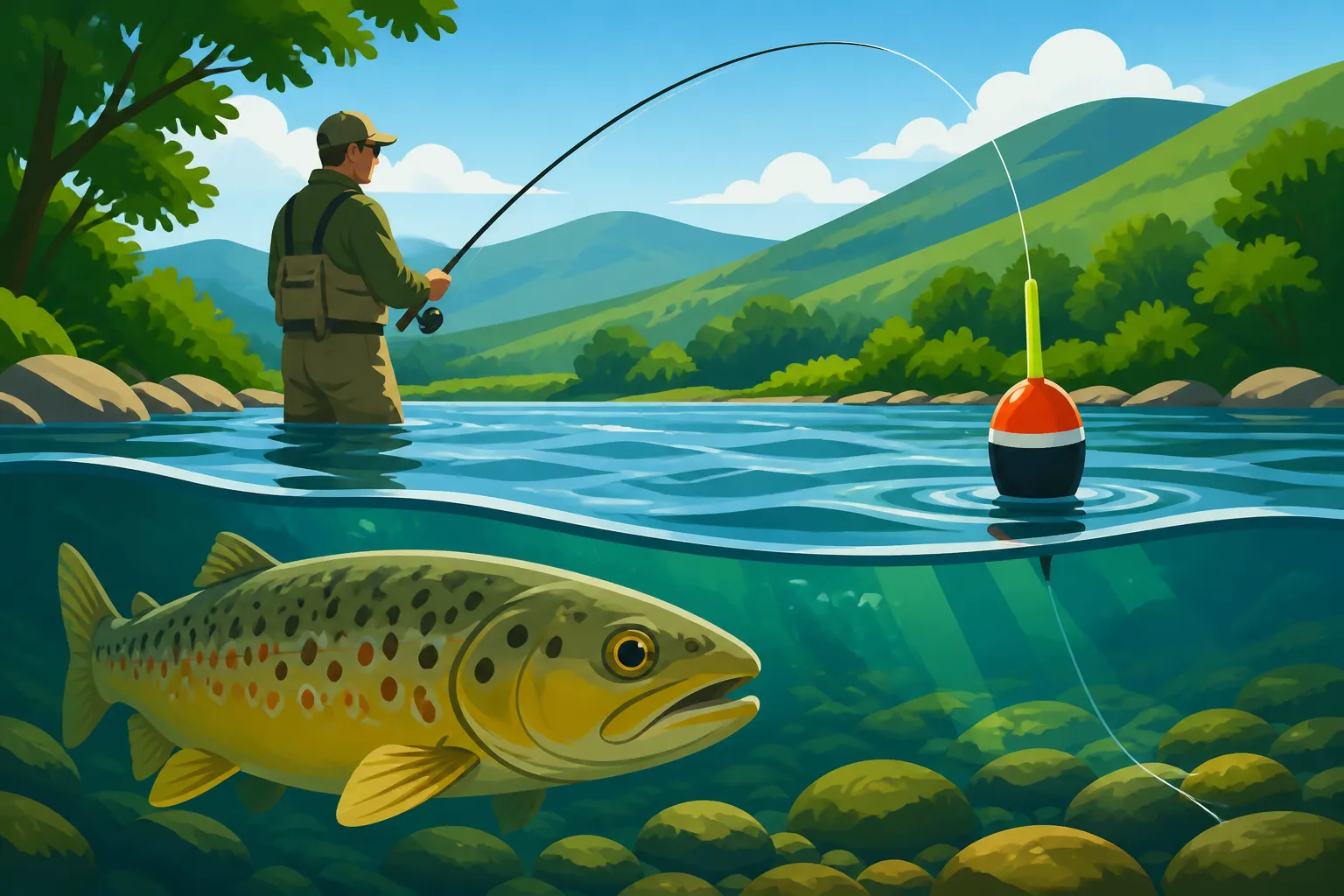
When most anglers talk about float fishing with flies, they're often referring to what's known as "suspension nymphing" or indicator nymphing. This involves using a strike indicator to suspend one or more weighted nymphs at a specific depth. The beauty of this method on the Battenkill is its versatility; you can adjust the depth of your flies to target fish feeding near the bottom, in the middle of the water column, or even suspended just below the surface. A simple rig usually consists of your leader, a strike indicator, split shot (or tungsten putty) above a swivel, and then 1-2 nymphs tied to a length of tippet.
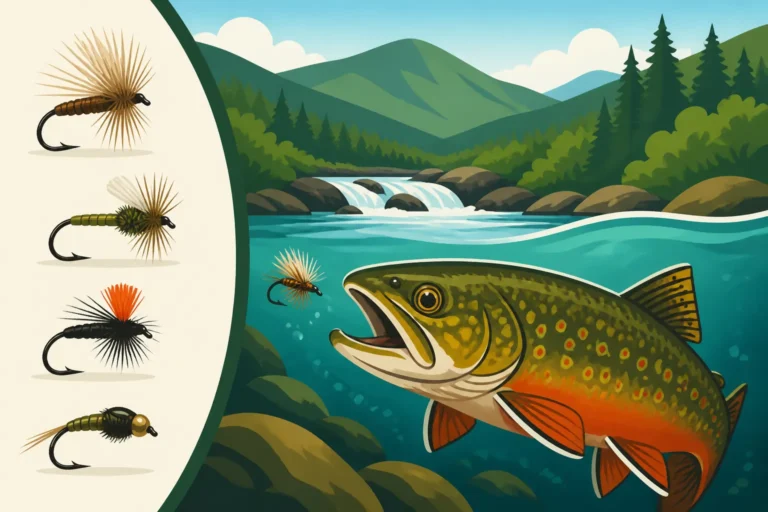
Popular Battenkill nymph patterns are typically imitations of the aquatic insects that call this river home. Think classic patterns like the Pheasant Tail Nymph, Hare's Ear Nymph, and Prince Nymph, often in sizes 16-20. Caddis larvae and pupae patterns are also incredibly effective, as are small scud and sowbug imitations, given the river's limestone influence. The key is to experiment with both pattern and size until you find what the fish are keying on. Adjusting your depth is paramount: if you're not occasionally tickling the bottom, your flies might be too shallow. If you're constantly snagging, you might be too deep or using too much weight. This iterative process of adjusting depth and weight is fundamental to successful nymphing on the Battenkill.
Dry-Dropper and Streamer Applications
While nymphing is often the bread and butter of Battenkill float fishing, there are times when a dry-dropper rig can be incredibly effective and frankly, a lot more fun to fish! A dry-dropper setup uses a buoyant dry fly as your "indicator" to suspend a smaller nymph or emerger below it. This method shines when there are sporadic surface rises, or when you suspect fish are looking up but also feeding subsurface. The dry fly, perhaps a well-tied Parachute Adams or a stimulator pattern, acts as both an attractor and your strike indicator. A short length of tippet (12-24 inches) is then tied from the bend of the dry fly hook to your subsurface offering.
While traditional float fishing usually focuses on nymphs, don't completely discount streamers, especially during certain conditions. While you wouldn't typically use a traditional strike indicator with a streamer, a common technique involves using a large, buoyant dry fly to "float" a small, lightly weighted streamer or wet fly. This allows you to present a larger offering in a subtle way, letting it swing naturally with the current, much like a wounded baitfish or a larger insect. This can be particularly effective during overcast days, after a rain when the water has a slight tint, or when targeting larger, more aggressive brown trout that are looking for a bigger meal. Even with a float, you can still impart subtle twitches to the streamer, adding an element of life to your presentation that can trigger a strike. For more detailed information, consider exploring Fly Fishing for Trout in Vermont.
Navigating the Battenkill: Access, Wading, and Safety
The allure of the Battenkill is undeniable, but actually getting into and fishing this renowned river requires careful planning, respect for private land, and an understanding of its unique regulations.
Public Access Points and Wading Challenges
The Vermont stretch of the Battenkill offers several well-known public access points, making it a favorite for many anglers. Popular spots include areas around Arlington, especially near the West Arlington covered bridge, and various bridge crossings downstream towards the New York border. The Vermont Fish & Wildlife Department maintains designated fishing access areas, which are often clearly marked with parking. For example, the Fishing Access Area on River Road in Arlington provides decent parking and access to a beautiful stretch of water. Further downstream, closer to the New York border, the section near the village of Shushan also offers walk-in opportunities. Checking the latest Vermont Fish & Wildlife river access maps before you go is always a smart move, as things can change.
However, once you're on the river, the reality of wading sets in quickly. The Battenkill's bottom is famously slick, covered in algae-coated rocks that can make even seemingly gentle currents feel treacherous. This isn't a river where you can casually stroll across. Strong currents, particularly after rain or in deeper sections, can easily sweep an unprepared angler off their feet. This is why investing in proper gear is essential. A sturdy Best Wading Staff for Fast Current isn't just a suggestion; it's a safety tool that provides an invaluable third point of contact, helping you maintain balance. Your Best Wading Boots for Rocky Streams should have excellent grip, with felt soles often preferred by many for their superior traction on slippery rocks, though rubber soles with studs can also perform well. Always scout your crossing points, consider the water depth and speed, and know your limits. It's far better to walk around a challenging section than to risk a fall and a potentially dangerous situation. You can find more comprehensive advice in our guide on Wading Techniques for Vermont Trout Streams.
Understanding Special Regulations
Perhaps one of the most critical aspects of fishing the Battenkill is understanding and adhering to its specific, and often unique, regulations. The Battenkill is not a "one size fits all" fishery when it comes to rules. Portions of the river, particularly those known for wild trout, are designated as "catch and release only" or even "fly fishing only" waters. These special regulations are in place to protect the fragile wild trout populations that make the Battenkill so famous, ensuring that future generations can enjoy this incredible resource.
Before casting a line, you absolutely must consult the most current Vermont Fish & Wildlife Fishing Guide. This free guide, available online and at license vendors, details all regulations, including specific rules for the Battenkill. You'll find sections outlining Vermont Trout Season and Stocking Rules and crucially, which stretches are Vermont Catch and Release Fly Fishing Only Waters. Ignoring these rules is not only illegal but also detrimental to the conservation efforts that keep the Battenkill thriving. For instance, in a "fly fishing only" section, using spinning gear with a float and bait would be a clear violation. Always be aware of which section of the river you are on and adjust your gear and techniques accordingly. Knowledge of these rules is as important as knowing what fly to tie on.
Ethical Angling and Conservation
Fishing the Battenkill, especially its wild trout sections, comes with a responsibility to practice ethical angling and conservation. The delicate nature of wild trout means that catch-and-release best practices are paramount. Minimize handling of fish; if you must handle them, do so with wet hands, keeping the fish in the water as much as possible. Avoid dragging fish onto dry banks, which can strip their protective slime coat, making them susceptible to disease. Quickly remove the hook with forceps, and if the fish is exhausted, hold it gently in the current until it swims away under its own power.
Beyond fish handling, practicing "Leave No Trace" principles is essential. Pack out everything you pack in, including all discarded fishing line, tippet, and any trash. Respect private property by staying within public access areas and designated easements. Avoid trampling streamside vegetation, which helps prevent erosion and provides crucial cover for insects and small fish. The Battenkill is a treasure, and its continued health relies on the collective efforts of anglers who understand the importance of stewardship. By following these guidelines, you contribute to the river's legacy and ensure its wild trout populations continue to thrive for years to come.
| Indicator Type | Pros | Cons | Best for Battenkill Use |
|---|---|---|---|
| Yarn Indicators | Highly sensitive, soft landing, adjustable, visible. | Can absorb water and sag, less durable, can tangle on casts. | Delicate presentations, wary fish, slow to medium currents. |
| Foam Indicators | Very buoyant, durable, easy to cast, visible, quick depth adjustment. | Can be less sensitive, harder landing (may spook fish), larger profile. | Faster currents, deeper water, windy conditions, less wary fish. |
| Air-Lock Indicators | Durable, very buoyant, easily adjustable, secure on leader. | Can be bulky, less sensitive than yarn for subtle takes, harder landing. | General nymphing, when buoyancy is key, good visibility. |
| Sighter Material (Euro Nymphing) | Max sensitivity (direct contact), no drag from external indicator, stealthy. | Requires advanced technique, harder to see at a distance, limited depth control. | Technical water, short-range nymphing, spooky fish, subtle takes. |
Disclaimer
Please note that fishing regulations, access points, and environmental conditions can change. Always consult the most current Vermont Fish & Wildlife Department regulations and local advisories before planning your fishing trip to the Battenkill River. This guide is for informational purposes only and does not supersede official regulations. Stay safe and fish responsibly.