How barometric pressure affects Vermont bass fishing
Ever had one of those days on a beautiful Vermont lake where the weather felt perfect, but the bass just wouldn't cooperate? You cast your favorite lure into prime spots, move from cove to cove, and still, nothing. It's incredibly frustrating, and often, the invisible culprit is something called barometric pressure. Understanding how these atmospheric shifts influence bass behavior can dramatically change your fishing success, and this guide is here to unravel that mystery for you.
Understanding Barometric Pressure and How It Works
It might sound like something out of a science class, but barometric pressure is a fundamental force that dictates so much of what happens in nature, including how fish feed and move. Ignoring it means missing a huge piece of the puzzle, especially when you’re out on the water.
What Exactly is Barometric Pressure?
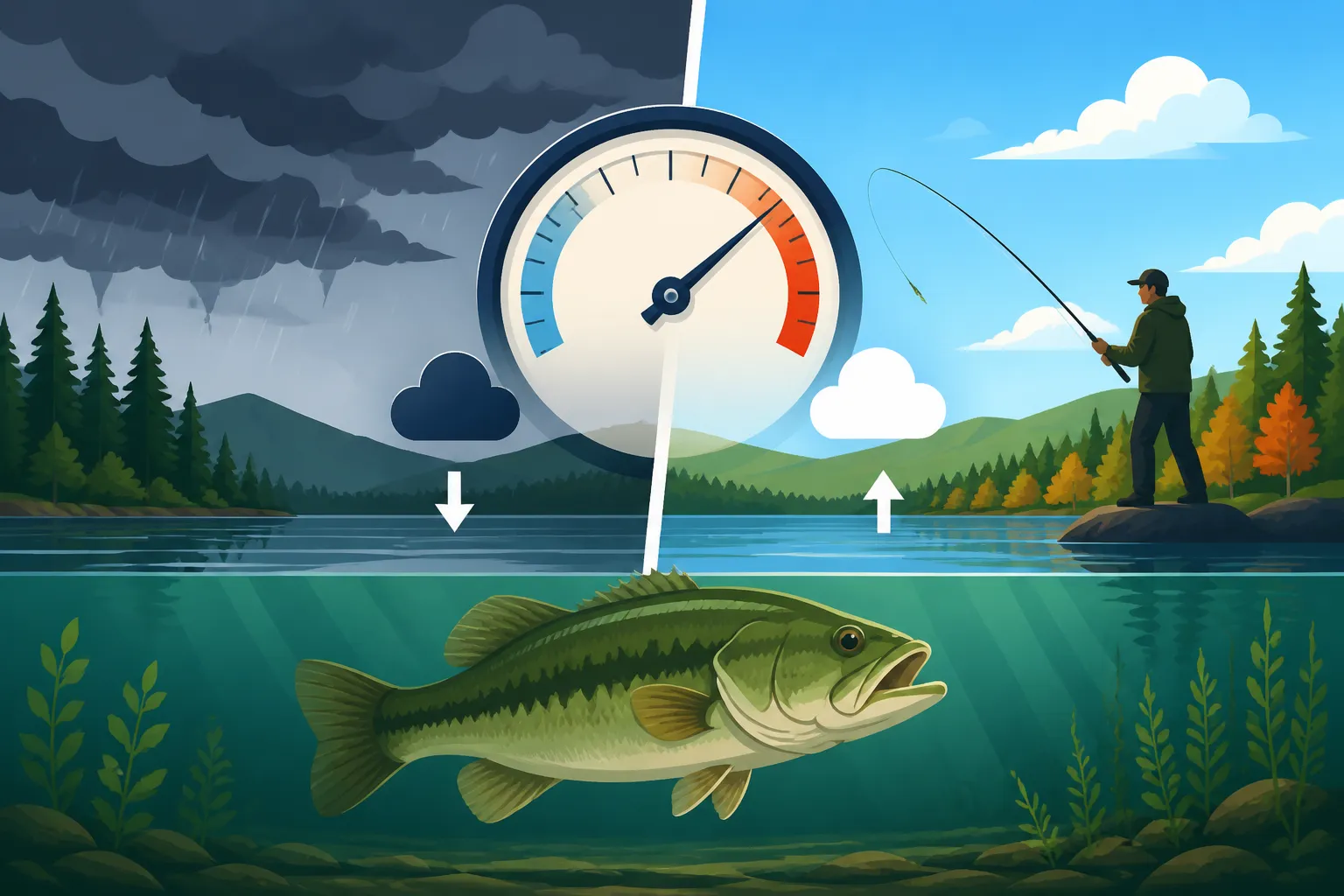
Think of barometric pressure as the weight of the air pressing down on everything, including our beautiful Vermont lakes and rivers. This weight isn't constant; it changes with weather patterns. When a high-pressure system moves in, the air is heavier, pressing down harder on the water. Conversely, a low-pressure system means lighter air, and less pressure on the water. These changes, often subtle to us, can be profound for a bass living underwater.
We typically measure barometric pressure in inches of mercury (inHg) or millibars (mb). A standard pressure day might hover around 29.92 inHg. When it climbs above 30 inHg, you're in a high-pressure scenario. If it dips below 29.80 inHg, you're looking at low pressure. Many anglers, myself included, keep a close eye on the weather forecast, but specifically looking at the barometric reading can give you a real edge. You can even find small, portable barometers, some of which you can easily purchase on Amazon, that will give you real-time readings right on the boat.
How Fish Sense Pressure Changes
Fish, particularly bass, are incredibly sensitive to these pressure shifts because their bodies are designed to equalize with the surrounding water pressure. Their swim bladder, a gas-filled organ, is the key player here. It helps them maintain buoyancy at different depths. When the external pressure changes, their swim bladder expands or contracts, which can cause discomfort.
Imagine you're driving up a mountain, and your ears pop due to the change in atmospheric pressure. Now imagine that feeling magnified and constant, and you start to understand what fish experience. When pressure drops rapidly, their swim bladders might expand, making them feel "bloated" or uncomfortable, often causing them to seek deeper water or denser cover where the pressure is more stable. Conversely, when pressure is steady and comfortable, they feel more inclined to roam and feed actively.
The Impact of Pressure on Vermont Bass Behavior
Now that we know what barometric pressure is and how bass feel it, let's talk about the practical implications for your fishing trips. This isn't just theory; these are patterns you can observe time and time again in Vermont's waters, from Lake Champlain to the smaller, picturesque ponds.
High Pressure Systems: Clear Skies, Tough Fishing
When a high-pressure system settles in, it often brings those gorgeous, clear, sunny days we all love. The kind of day where the sky is brilliant blue, and you can see for miles across the lake. Unfortunately, these conditions often mean tougher fishing for bass. The increased atmospheric pressure pushes down on the water, compressing the fish's swim bladders. This discomfort, combined with the often bright sunlight and clear water that comes with high pressure, tends to make bass less active and more reluctant to feed.
During these periods, bass often move deeper, seeking refuge where the pressure is less intense or where cover provides a sense of security from predators. They might hug tight to bottom structure, hide in dense weed beds, or hold under docks. They're still there, but they're not actively hunting. Your approach needs to be more finessed. Slower presentations, smaller baits, and targeting deeper structure become key. This is a time when understanding How to Catch Largemouth Bass in Vermont requires patience and a subtle touch, perhaps using a drop shot or a Carolina rig near known deep water structure.
Falling Pressure: The Pre-Front Feast
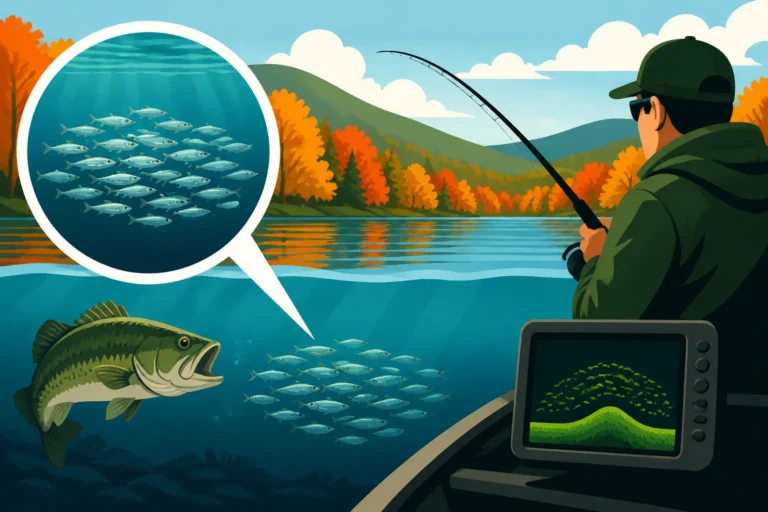
This is the golden ticket for many bass anglers! When the barometric pressure starts to drop, often signaling an approaching storm, bass tend to go on a feeding frenzy. Their swim bladders feel a sense of relief as the pressure lessens, and it often triggers an aggressive bite. They know a storm is coming, and instinct tells them to gorge themselves while the going is good. This is when you can really hit it big on lakes like Bomoseen or Dunmore.
You'll often notice this bite intensifying a few hours before a rainstorm or a significant weather front rolls in. Bass become more active, moving out of cover, and aggressively chasing down baitfish. Topwater lures can be incredibly effective during these times, as bass are willing to come up and strike. This is prime time to experiment with larger, more active baits, and you might find the bass are less particular about your presentation. Being aware of the forecast, especially a day or two before a predicted cold front, can help you plan your trip to capitalize on this peak feeding window. For more insights, consider checking out our article on Cold Front Fishing Tactics for Vermont Bass.
Low Pressure Systems: Post-Front Blues
After a cold front or a major storm has passed, the barometric pressure stabilizes at a low point. While the falling pressure beforehand was fantastic, the stable low pressure that follows can often be just as challenging as high-pressure days, if not more so. The fish are often scattered, lethargic, and simply not interested in feeding. The rapid changes they just experienced, coupled with potentially cold, clear post-front conditions, put them in a funk.
During these post-front lulls, bass might remain deep or buried in heavy cover, recovering from the pressure changes and the turbulent weather. Their metabolism slows, and they become incredibly wary. This is a time when the fish are truly hard to tempt. Again, a slow, finesse approach is usually best. Think soft plastics, small jigs, and working your baits painstakingly slowly. You might also find them in very specific, often tight, spots – like the darkest part of a dock's shadow or deep within a brush pile. Understanding How to Fish a Jerkbait for Early Spring Bass might be key here, as their erratic action can sometimes trigger a reactionary bite even from hesitant fish.
Reading the Forecast and Adapting Your Bass Fishing Strategy
Knowing about barometric pressure is one thing; putting that knowledge into action on the water is another. It's about combining your weather app with your intuition and making smart choices that increase your odds of success.
Gear Adjustments for Different Pressures
Your tackle box isn't just a collection of pretty lures; it's a strategic arsenal. Matching your gear to the prevailing barometric pressure can be a game-changer. For instance, during periods of stable high pressure, when bass are sluggish and deep, you'll want to lean heavily on finesse presentations. This means lighter line, perhaps a fluorocarbon leader (many good options available on Amazon), and smaller baits like shaky head jigs, Ned rigs, or unweighted soft plastics. A sensitive spinning rod is crucial to detect those subtle bites.
Conversely, when pressure is falling and bass are aggressive, you can tie on those power fishing baits you love. Think spinnerbaits, crankbaits, swim jigs, and topwater lures like poppers or walking baits. Heavier line and a baitcasting setup will allow you to present these baits effectively and handle stronger strikes. If you're wondering about specific recommendations, our guide on the Best Tackle for Vermont Smallmouth Bass offers some excellent starting points.
Locating Bass in Changing Pressure Conditions
Knowing where to find the bass when the pressure changes is just as important as knowing what to throw. When high pressure settles in, bass often retreat to their comfort zones. Look for them holding tight to vertical cover such as dock pilings, submerged timber, or deep rock piles. The deeper edges of weed lines can also be productive. They're seeking refuge from both the pressure and the bright light.
During falling pressure, bass will often move shallower and become more spread out, actively pursuing baitfish. Focus on points, humps, grass flats, and areas where baitfish are likely to congregate. This is when they're willing to chase, so covering water efficiently becomes important. After a cold front, during stable low pressure, bass might revert to deep cover, but often in more isolated areas. They're still seeking stability, but they might be more scattered. Focus on transition zones, areas where shallow water drops off quickly into deeper water, or very specific, dense cover. Being able to read the sonar effectively can help immensely in these situations, guiding you to areas like deep structure where fish might be hunkered down.
Beyond Barometric Pressure: Other Factors at Play
While barometric pressure is a powerful influence, it's never the only factor. Fishing is a complex dance between many variables, and truly successful anglers learn to consider them all. Vermont offers such a diverse fishing experience that no single factor will always hold true.
Water Temperature and Oxygen Levels
Water temperature is arguably one of the most critical factors influencing bass behavior in Vermont. Bass are cold-blooded, and their metabolism is directly tied to water temperature. There are optimal temperature ranges for feeding, spawning, and general activity. Even if the barometric pressure is perfect, if the water is too cold (say, during the late fall or early spring) or too hot (mid-summer in shallow ponds), the bass might still be sluggish.
Furthermore, oxygen levels play a huge role. Warm water holds less oxygen than cold water. During hot summer spells, especially after a prolonged period of stable high pressure, shallow, stagnant water can become depleted of oxygen, forcing bass to seek out areas with better circulation, like near springs, creek mouths, or deeper thermoclines. A rising barometric pressure combined with rapidly dropping water temperatures, such as after a severe thunderstorm, can send bass into a deep funk, overriding the positive effects of a stable pressure system. For more on seasonal changes, our article Best Time of Year to Fish in Vermont goes into more detail.
Seasonal Influences and Forage Availability
The time of year dictates so much about where bass are and what they're doing. In spring, post-ice out, bass are often staging for the spawn, making them more predictable. As the waters warm into summer, they move into their summer patterns, often relating to deeper structure or dense vegetation. Fall sees them gorging themselves in preparation for winter. Each of these seasonal phases influences how bass react to barometric pressure.
Forage availability is also paramount. If there's an abundance of baitfish like alewives or perch, bass might be more willing to feed even under less-than-ideal pressure conditions. Conversely, if forage is scarce, they might be more selective and less active, requiring you to really nail your presentation and choice of lure. For example, during the Vermont Bass Catch-and-Release Season, Explained in late spring, bass are often focused on spawning and protecting their nests, making them less susceptible to subtle pressure changes and more reactive to intruders. Always consider the full picture, not just one piece of the puzzle, when planning your Vermont bass fishing adventures.
Disclaimer
This article is for general informational purposes only and does not constitute professional advice. Laws, prices and regulations vary by location and change over time. Consult a qualified professional for guidance on your specific situation.