Best tube jig color for smallmouth bass
Picking the perfect tube jig color for smallmouth bass can feel like staring into a kaleidoscope of options, leaving you wondering if you’re making the right choice or just guessing. It’s a common frustration, especially when those bronzebacks are being picky! This guide will cut through the clutter, helping you understand how different colors perform in various Vermont fishing conditions and empowering you to select the best tube jig color for smallmouth bass to entice those hard-fighting fish.
Understanding Smallmouth Bass Vision and Forage
Before we dive into the rainbow of tube jig colors, it’s really helpful to understand how a smallmouth bass sees its underwater world and what it typically eats. These insights are key to making informed decisions that go beyond just a "pretty" color and actually get bites.
How Bass See Color in Different Water Conditions
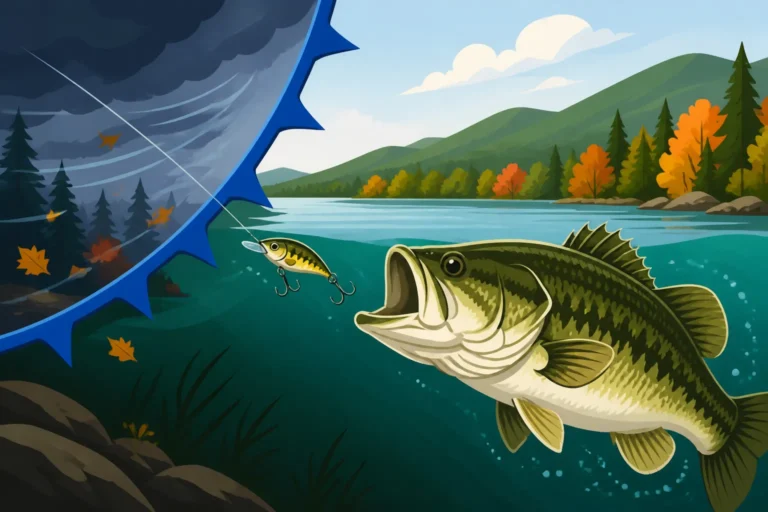
It’s easy to think that fish see colors exactly like we do, but that’s just not the case. Water clarity and depth drastically alter how light penetrates and how colors appear. In clear, shallow water, bass can distinguish a wide spectrum of colors quite well. This means that subtle differences between shades of green or brown can make a big impact. However, as you go deeper or into stained water, the light spectrum changes. Reds are often the first to disappear, appearing brownish or even black. Oranges and yellows follow, eventually leaving only blues and greens visible in deeper or very murky conditions. This optical illusion means that a vibrant chartreuse jig in your hand might look like a muted olive green to a bass lurking in 15 feet of water on a cloudy day.
Imagine yourself snorkeling in Lake Champlain. On a sunny day, near the surface, you see every rock and weed in its true color. Now, go deeper, or try looking on an overcast afternoon after a heavy rain. Suddenly, things look monochrome, and colors are muted or simply gone. Smallmouth bass experience something very similar. Their eyes are built to detect movement and contrast, especially in low light, but color perception is always relative to the available light. That's why considering the ambient light and water clarity is paramount when choosing your tube jig. Understanding How the Vermont mentored fishing weekend works can help you learn from experienced anglers who intuitively know these conditions.
Mimicking Natural Prey and Forage
Smallmouth bass are opportunistic predators, but they have their preferred meals. In Vermont's lakes and rivers, their diet often consists of crayfish, various baitfish like smelt and minnows, and even smaller panfish. When choosing a tube jig color, your goal is often to "match the hatch" – to imitate what the bass are naturally feeding on.
Crayfish are a primary food source for smallmouth, especially in rocky habitats found throughout Lake Champlain and other Vermont lakes. These crustaceans come in shades of brown, olive, and even reddish-orange, especially after molting. A tube jig designed to look like a fleeing crayfish is often irresistible. Baitfish, on the other hand, can range from silvery shiners to greenish perch or darker darters. Matching these subtle color patterns can trick even the most wary bass. Think about the specific body of water you're fishing. Are there a lot of emerald shiners? Then a silver or pearl tube might be the ticket. Is it a rocky bottom with plenty of crayfish? Then a brown or green pumpkin might be your best bet. The more closely your tube jig resembles the natural forage in that particular body of water, the higher your chances of success. For broader information, consider checking out Best Baits for Smallmouth Bass on Lake Champlain.
Top Tube Jig Colors and When to Use Them
When it comes to tube jigs for smallmouth, certain colors consistently outperform others across a range of conditions. These are the workhorses, the colors you absolutely need in your tackle box.
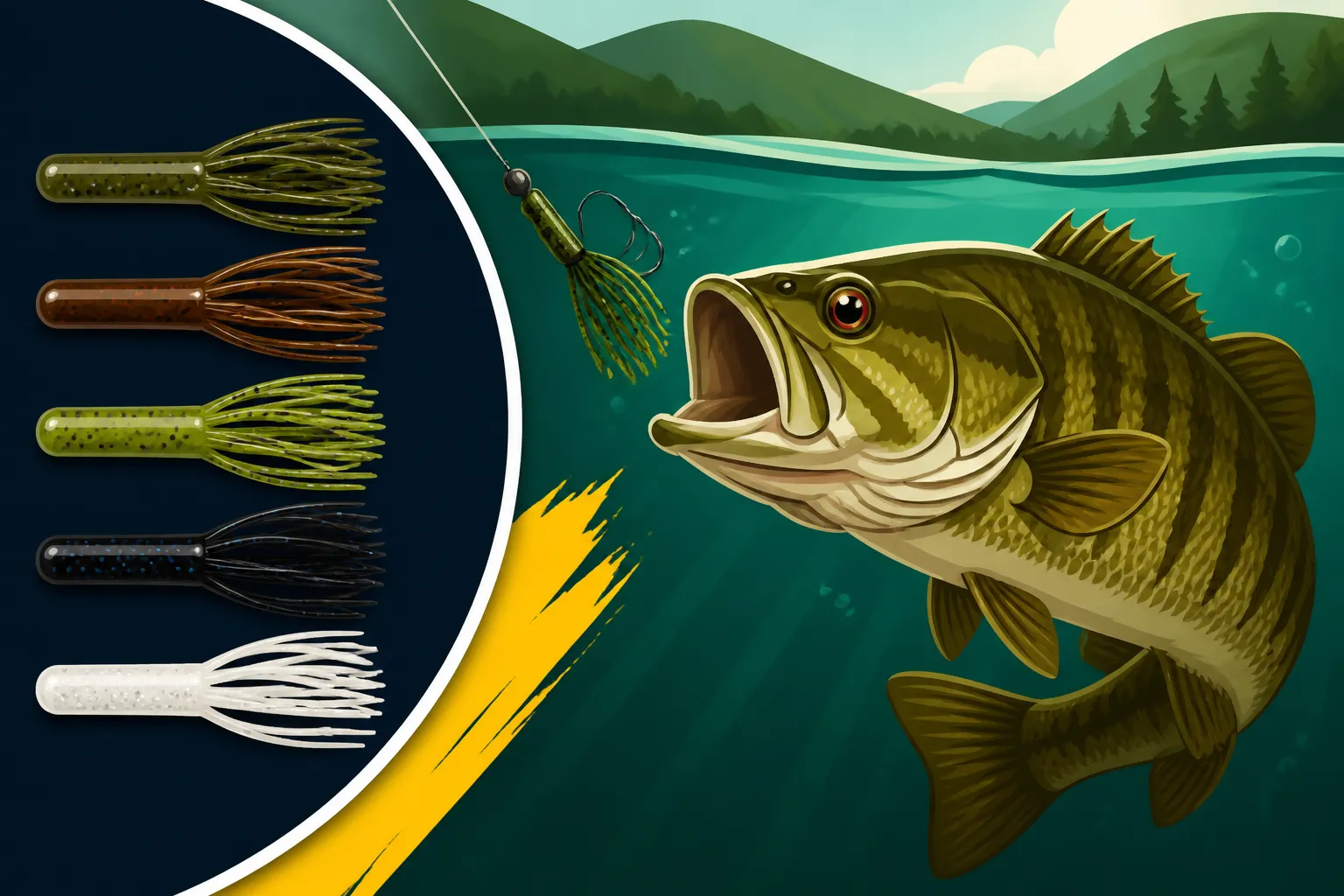
Green Pumpkin and Watermelon Seed: The Versatile Naturals
These two colors are absolute staples for smallmouth anglers, and for good reason. Green pumpkin is a blend of green and brown, often with subtle flakes, making it incredibly versatile. Watermelon seed is similar, typically a translucent green with black flakes.
Why they work: Both green pumpkin and watermelon seed excel at imitating crayfish, which, as we discussed, are a favorite meal of smallmouth bass. Their natural, subdued tones blend seamlessly into most aquatic environments, from clear rocky bottoms to areas with moderate vegetation. The flecks mimic the subtle patterns and textures of natural forage, adding to their realism. When bass are being finicky, or when the water is relatively clear, these natural shades are often the first choice. They don't scream "artificial," but rather whisper "easy meal." You can fish them confidently in bright sunshine or on slightly overcast days without worrying about them looking too flashy.
When to use them: These colors truly shine in clear to lightly stained water, particularly when fishing around rocky points, ledges, or submerged wood. They are fantastic for mimicking crayfish scurrying along the bottom. If you're targeting smallmouth in places like Lake Dunmore or even the clearer sections of the Connecticut River, these should be your go-to options. They're also excellent choices when the bass are pressured or during post-frontal conditions when fish tend to be less aggressive. I've had countless days where a green pumpkin tube outfished everything else, simply because it looked so natural. You can easily find a great selection of these versatile tube jigs on Amazon, making it simple to stock up for your next trip.
Smoke and Pearl/White: Clear Water and Baitfish Imitations
Smoke-colored tubes are typically translucent gray, often with black or silver flecks. Pearl or pure white tubes are exactly what they sound like – bright and opaque.
Why they work: Smoke is an outstanding imitation for small baitfish like shiners or even young-of-the-year perch, especially in clear water. The translucency allows some light to pass through, creating a very natural, almost ghostly, appearance that perfectly mimics a nervous minnow. Pearl or white, on the other hand, provides maximum contrast and visibility. It often imitates dying or injured baitfish, or it can simply be a "reaction strike" color, triggering aggressive bites when fish are actively feeding. The bright flash of white can be irresistible, especially when jigged sharply.
When to use them: Smoke is a fantastic choice in extremely clear water, such as some of the high-elevation trout streams that also hold smallmouth, or crystal-clear lakes where bass rely heavily on sight to hunt. It's subtle enough not to spook wary fish but visible enough to get their attention. Pearl and white are excellent for targeting smallmouth actively feeding on baitfish near the surface or in the middle of the water column. They are also highly effective on bright, sunny days when the light penetration is strong, allowing the color to really pop. If you're trying to replicate a school of shimmering baitfish, these are your best friends. Think about fishing for smallmouth in the open waters of Lake Champlain on a calm summer morning – a pearl tube jig could be just the ticket. Check out Best Kayak for Lake Champlain if you're planning to target these spots.
Black and Blue: Dark Water and Contrast
Black and blue is a classic bass fishing color combination, and for tube jigs, it’s no different. This usually involves a solid black body with blue flecks or a black tube with a blue laminate.
Why they work: This combination provides incredible contrast, making it highly visible in dark, murky, or stained water. In low light conditions, such as early morning, late evening, or on heavily overcast days, the dark silhouette of the black against the water creates a strong profile that bass can easily detect. The blue adds a subtle flash or an alluring secondary color that can mimic a dark-colored crayfish or even some bottom-dwelling baitfish. It's less about matching natural colors perfectly and more about creating a powerful visual presence that stands out against a subdued background.
When to use them: Black and blue shines in low-light conditions, heavily stained water (think rivers after a rain event, or murky sections of a lake), or on dark, cloudy days. It’s also a top choice for fishing deep water where light penetration is minimal. When the water clarity is poor, bass rely heavily on contrast and vibration to locate prey, and black and blue tubes excel at both. If you're fishing a river with a strong current and limited visibility, or even targeting smallmouth on a heavily overcast day on Lake Memphremagog, give black and blue a try. This color can also be particularly effective in cooler water temperatures, as fish may be less active and need a more pronounced target. This could be a game-changer for your Best time of year for trophy brook trout in Vermont adventures, even if it's typically for smallmouth.
Matching the Hatch: Situational Color Choices
Beyond the core colors, there are specific situations where certain tube jig hues can be incredibly effective. It's all about observing your environment and making smart adjustments.
Muddy or Stained Water: High Contrast is Key
When the water is churned up and visibility is low, your tube jig needs to be seen. Forget subtle, natural presentations; you need something that screams "here I am!"
Best colors: Black and blue (as discussed), chartreuse, or even a pure black tube without any flecks. Orange and red can also be surprisingly effective, especially if there's any available light to let their color pop before it fades. The key here is maximum contrast.
Why they work: In muddy water, light penetrates very poorly, and fish rely almost entirely on their lateral line (to detect vibrations) and their ability to see strong silhouettes. A black or dark-colored tube creates a stark profile against the murky backdrop, making it easier for bass to spot. Chartreuse, being an incredibly vibrant and almost iridescent color, holds its visibility well in stained conditions. The goal isn't to perfectly imitate forage, but rather to create a strong, noticeable presence that triggers a reaction strike. Think of it like shouting in a crowded room – you need to be loud to be heard. Many anglers find great deals on these brighter, high-contrast tubes when browsing fishing gear on Amazon. If you want to learn more about picking lures in these tough conditions, check out Best Lure Color for Muddy Water Bass Fishing.
Tactical tips: When using these colors in muddy water, consider upsizing your tube jig slightly and using a heavier jig head to ensure it gets down and stays in the strike zone. Slow your retrieve, too, allowing the fish more time to react to the more visible, but less detailed, presentation. Pay attention to any current, as muddy water often means increased flow, which can push fish into eddies and current breaks.
Clear Water and Bright Sunshine: Subtle and Natural
When the sun is high and the water is crystal clear, bass can be incredibly wary. They'll scrutinize your offering, and anything that looks unnatural will likely be ignored.
Best colors: Green pumpkin, watermelon seed, smoke, translucent browns, or even natural crayfish patterns with mottled greens and oranges. Sometimes a "ghost" or clear tube with silver flecks can be phenomenal.
Why they work: In these conditions, bass have excellent visibility and can easily discern flaws in your presentation. Subtle, natural colors that perfectly mimic their forage are essential. Translucent colors allow light to pass through, creating a more realistic, ethereal appearance that mimics the light refracting off actual baitfish or crayfish. The absence of bold, unnatural colors helps trick the bass into thinking your tube is the real deal. It's about blending in, not standing out.
Tactical tips: When fishing clear water, lighter fluorocarbon line is often preferred for its near-invisibility. Fluorocarbon also sinks, helping your tube jig get down to depth quickly and maintain contact. A sensitive Best Spinning Rods for Smallmouth Bass will help you detect the often subtle bites of wary fish. Make your presentations soft and natural; avoid aggressive jerks that can spook fish in clear conditions. Focus on accuracy, casting to specific pieces of cover or structure where smallmouth might be ambushing prey. For tips on line, check out Best Fluorocarbon Line for Clear Lake Water.
Overcast Days or Low Light: Muted but Visible
Overcast skies, dawn, and dusk present a middle ground in terms of light conditions. The water might still be clear, but the ambient light is diminished.
Best colors: Green pumpkin, smoke, natural browns, or even a dark olive green. Sometimes a pearl with a slight translucent quality can also work well.
Why they work: On overcast days, the light is diffused, and shadows are less pronounced. Bass still rely on sight, but they appreciate a color that has enough presence to be seen without being overly flashy. Muted natural tones offer a good balance of visibility and realism. They provide enough contrast to be detected, but they don't appear garish or unnatural in the softer light. The flecks in many of these tubes can catch the subtle light and create a lifelike shimmer.
Tactical tips: Focus on retrieve speed and action. With less light, the fish might be more willing to chase, so experimenting with a slightly faster retrieve or more aggressive snaps can pay off. Consider fishing shallower than you might on a bright, sunny day, as bass might be more active in the low light, hunting closer to cover. This is also a good time to consider targeting areas with patchy weeds or scattered rock, as these areas often hold active fish during low-light periods. Remember, Smallmouth Bass Habits on Lake Champlain can vary greatly with light conditions, so adapt your approach.
Tips for Maximizing Your Tube Jig Success
Choosing the right color is a huge step, but it's only one piece of the puzzle. How you rig and fish your tube jig can make all the difference between a frustrating day and a memorable catch.
Proper Rigging and Jig Head Selection
The way you rig your tube jig and the type of jig head you use are just as important as the color.
Internal vs. External Jig Heads:
- Internal Jig Heads: These are by far the most popular choice for tube jigs. The jig head is inserted inside the hollow body of the tube, creating a seamless, natural profile. This rigging makes the tube incredibly weedless and snag-resistant, as the hook point can be Texas-rigged through the side of the tube, or often left exposed but tucked tight to the body. This is ideal for fishing around heavy cover like rocks, wood, or dense weeds, common in many Vermont lakes. The internal weight also gives the tube a fantastic spiraling descent, which is a key trigger for smallmouth.
- External Jig Heads: While less common for tubes, external jig heads (like a traditional ball head or mushroom head jig) can be used. The tube is threaded onto the hook like a soft plastic grub. This rigging is more exposed to snags but can offer a different action, especially if you want a more pronounced "head" on your bait. It’s generally better for open water or sparse cover.
Weight Selection: The weight of your jig head should always match the depth you're fishing and the rate of fall you want to achieve.
- Lighter Weights (1/8 oz to 1/4 oz): Excellent for shallow water (under 10 feet), slow presentations, or when fish are lethargic. A lighter weight allows the tube to fall slowly and naturally, giving fish more time to react. This is often crucial for finesse presentations in clear water.
- Medium Weights (3/8 oz to 1/2 oz): Your workhorse weights for moderate depths (10-25 feet) and general all-around fishing. They provide a good balance of casting distance, rate of fall, and bottom contact.
- Heavier Weights (3/4 oz+): Best for deep water (over 25 feet), strong currents, or windy conditions when you need to maintain bottom contact. Just remember, a heavier jig head will fall faster and can sometimes be less natural, so use it when necessary. You can pick up a variety of jig heads on Amazon, ensuring you have the right weight for any situation.
Action and Presentation Techniques
The beauty of a tube jig lies in its versatility. You can impart a wide range of actions to entice bites.
Dragging and Hopping: This is perhaps the most common and effective technique for tube jigs. Cast your tube out, let it sink to the bottom, and then slowly drag it along the bottom with your rod tip. Every few feet, give it a subtle hop or two by lifting your rod tip, then let it fall back down. This mimics a crayfish scuttling and then pausing, or a baitfish darting and resting. Most bites will occur on the fall, so pay close attention!
Snapping and Stroking: For more aggressive fish or in stained water, try snapping or stroking your tube jig. Cast it out, let it sink, then aggressively snap your rod tip upwards, pulling the tube several feet off the bottom, then let it fall on a semi-slack line. The tube will spiral wildly on the fall, often triggering a violent reaction strike. This is a great technique when smallmouth are actively feeding on baitfish.
Shaking and Deadsticking: When fish are lethargic or spooky, a subtle approach can be deadly. Cast your tube, let it sink, and then simply shake your rod tip lightly while maintaining bottom contact. This makes the tentacles of the tube quiver without moving the bait much. You can also "deadstick" it, letting it sit perfectly still on the bottom for extended periods. Sometimes, the mere presence of a natural-looking tube is enough to tempt a curious bass. This can be especially effective when fishing Best Kayak Fishing Spots in Vermont in calm, clear conditions.
Considering Water Temperature and Time of Year
Smallmouth bass behavior and preferences are heavily influenced by water temperature and the time of year.
Early Spring/Cold Water: In cooler waters, smallmouth are often lethargic and less willing to chase. This is when slow, deliberate presentations with natural colors (green pumpkin, black and blue, smoke) shine. They’re often hunkered down near structure.
Summer/Warm Water: As water temperatures rise, smallmouth become more active and aggressive. They’ll chase faster retrieves and brighter colors. You can experiment with pearl, white, or even chartreuse, especially if they are keying on baitfish. Try snapping and stroking techniques. This is also when you'll find bass in deeper main lake basins, or near current breaks in rivers. Learn more about Best Time of Year to Fish in Vermont for smallmouth.
Fall/Cooling Water: Fall can be phenomenal for tube jigs as bass gorge themselves for winter. They often move shallower to feed. Again, natural colors are strong, but don't shy away from black and blue for contrast in potentially murky, late-season waters. Fish might be more active than in early spring, but still appreciate a good meal slowly presented.
By understanding these seasonal patterns and adapting your color and presentation, you'll significantly increase your chances of success.
Putting It All Together: A Summary Table for Tube Jig Colors
To help you quickly reference the best tube jig colors for smallmouth bass based on common Vermont fishing scenarios, here's a handy table:
| Condition | Primary Tube Jig Colors | Secondary/Alternative Colors | Best Technique Focus | Why It Works |
|---|---|---|---|---|
| Clear Water / Bright Sun | Green Pumpkin, Watermelon Seed, Smoke | Translucent Brown, Ghost/Clear w/ flecks | Dragging, Hopping, Deadsticking | Mimics natural crayfish/baitfish, subtle, not spooky |
| Clear Water / Overcast | Green Pumpkin, Smoke, Olive | Pearl, Natural Brown | Hopping, Shaking, Slow Dragging | Visible but not flashy, good contrast in low light |
| Stained Water / Low Light | Black & Blue, Chartreuse, Black | Dark Purple, Junebug | Snapping, Stroking, Aggressive Hops | High contrast, strong silhouette, triggers reaction |
| Muddy Water | Black & Blue, Black, Chartreuse | Dark Green Pumpkin | Slow Dragging, Heavy Jig, Strong Hops | Maximum contrast and silhouette for poor visibility |
| Crayfish Forage | Green Pumpkin, Watermelon Seed, Brown, Orange/Red (molting) | Olive, Pumpkin w/ Green Flakes | Dragging, Hopping, Bottom Bouncing | Mimics the primary food source and its coloration |
| Baitfish Forage | Smoke, Pearl, White, Silver w/ flecks | Green/Chartreuse (perch imitations) | Snapping, Hopping, Swimming | Mimics darting or injured baitfish species |
| Deep Water | Black & Blue, Dark Green Pumpkin | Smoke, Dark Browns | Slow Dragging, Vertical Jigging | Good visibility and profile in limited light |
Remember, this table offers a starting point. The best anglers are those who experiment, observe, and aren't afraid to try something different. Sometimes, the "wrong" color at the "wrong" time can trigger an unexpected bite.
Experimentation is key, but having a solid understanding of these principles will give you a massive advantage on the water. Now go out there and catch some of those feisty Vermont smallmouth!
Disclaimer
This article is for general informational purposes only and does not constitute professional advice. Laws, prices and regulations vary by location and change over time. Consult a qualified professional for guidance on your specific situation.