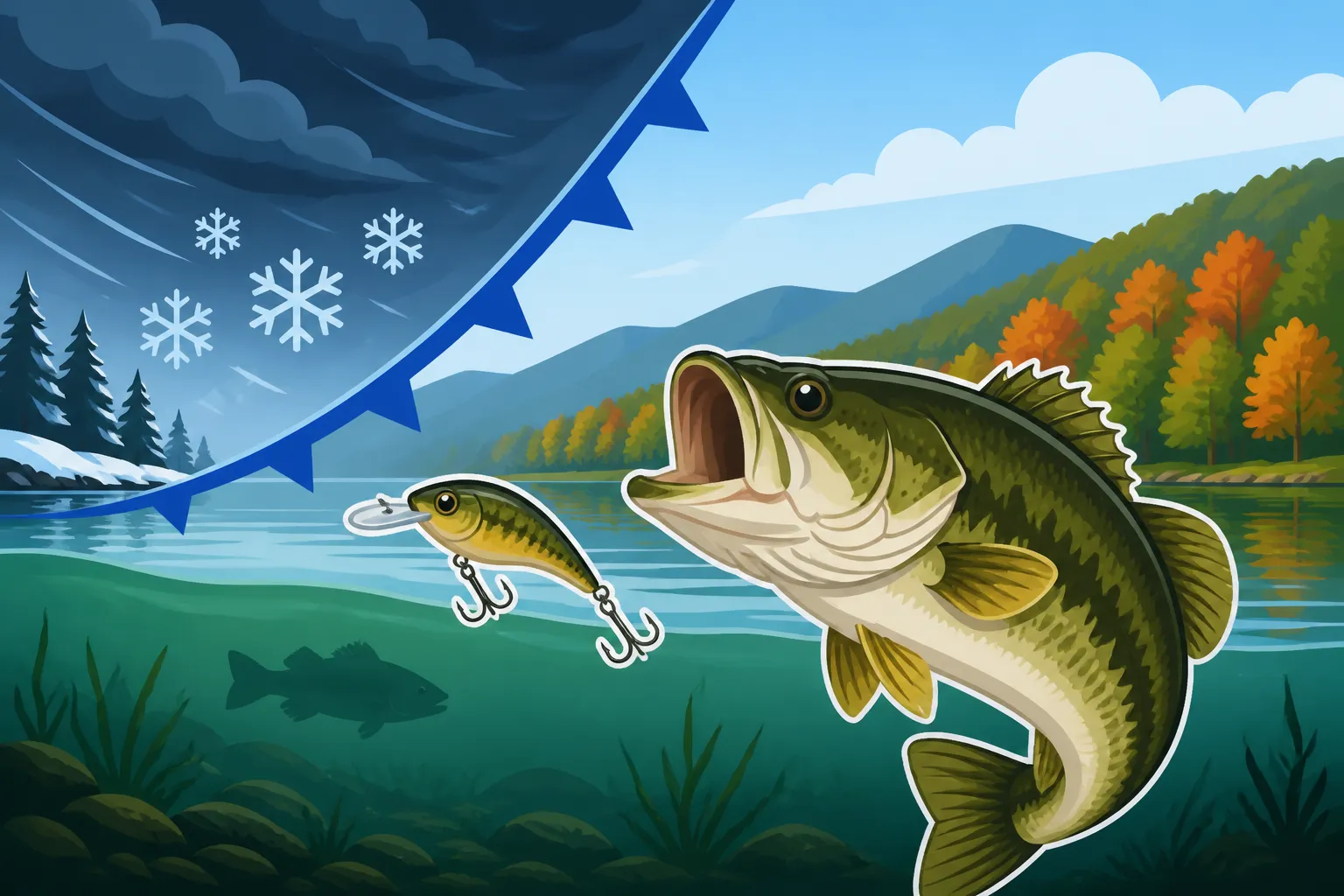
How to catch bass during a cold front in Vermont
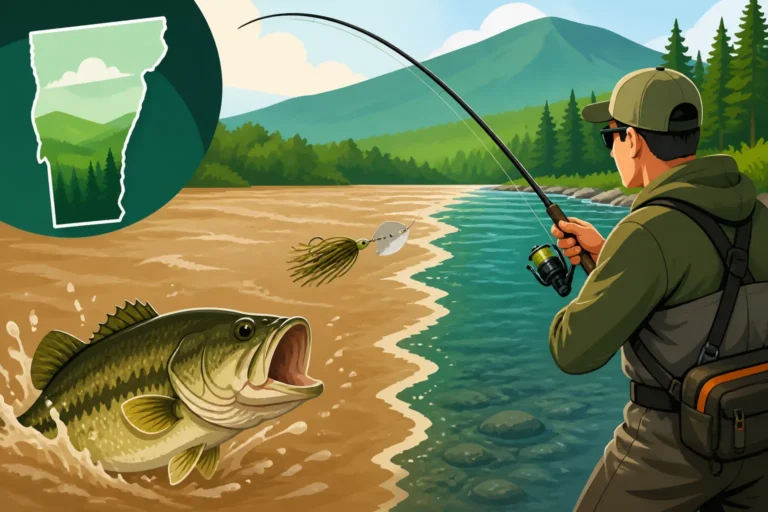
There’s nothing quite as deflating for a Vermont angler as waking up to a beautiful, clear blue sky after a sharp drop in overnight temperatures. What looks like a perfect day on the water often signals the dreaded cold front, turning once-aggressive bass into stubborn, uncooperative statues. This guide will walk you through understanding why bass react the way they do to these weather shifts and, more importantly, equip you with the specific strategies and techniques to still find success when the bite gets tough in Vermont.
Understanding How Cold Fronts Impact Vermont Bass
A cold front isn't just a simple temperature drop; it's a cascade of atmospheric changes that can drastically alter the behavior of bass in Vermont's lakes and ponds. When that high-pressure system rolls in, bringing clear skies and calm winds after a period of warm, stable weather or a low-pressure system, it sends a distinct signal to the fish. They don't just feel the cold; they feel the pressure changes, the increased light penetration, and the sudden shift in their environment, triggering a survival instinct that often makes them less active and much harder to catch.
The Science Behind the Shut Down
For bass, especially the robust populations of smallmouth in Lake Champlain or largemouth in many of Vermont's smaller, weedier ponds, stability is key. They thrive in consistent conditions. When a cold front hits, several biological and environmental factors conspire against the angler. Firstly, the increased barometric pressure pushes down on the water, which fish can feel through their lateral lines and swim bladders. This often makes them seek deeper water or denser cover where the pressure might be more stable or at least less perceptible.
Secondly, the sudden drop in water temperature, especially in the shallower zones where bass often feed, makes them lethargic. Their metabolism slows down, reducing their need to actively hunt for food. They're cold-blooded creatures, so their body temperature mirrors the water around them. If the water gets chilly fast, they slow down everything, from digestion to movement. Finally, the clear skies and increased light penetration can make them more wary. Bass are often ambush predators, and bright, sunny conditions can make them feel exposed, sending them scurrying into shadows or thick vegetation. This combination of factors explains why your tried-and-true topwater or fast-moving crankbait patterns suddenly become ineffective.
Distinguishing Between Cold Front Types
Not all cold fronts are created equal, and understanding the nuance can make a big difference in your approach. A mild cold front might only drop temperatures by a few degrees and pass quickly, leading to a short "funk" period for the bass before they resume more normal activity. You might see them simply move a bit deeper or closer to cover, still willing to bite, but requiring a slightly slower presentation.
On the other hand, a severe cold front, often characterized by a significant temperature plunge (10-20 degrees or more overnight), strong winds transitioning to dead calm, and prolonged clear skies, can shut bass down for days. These are the fronts that send bass scattering to the deepest, densest cover they can find, making them incredibly difficult to entice. In these situations, you'll need to employ extreme finesse and patience. It's also worth noting that the time of year plays a huge role; a cold front in spring or fall, when bass are already transitioning, can be even more impactful than one in the stable warmth of summer. For more insights into how fish react to these conditions, you might want to read up on some general Cold Front Fishing Tactics for Vermont Bass.
Tactical Adjustments for Post-Front Bass Fishing
When a cold front descends upon Vermont, your usual aggressive tactics need to be reeled in. Bass become skittish, lethargic, and generally uninterested in chasing down a fast meal. This is where patience, precision, and a willingness to embrace finesse become your greatest assets. Forget about speed and flash; think slow, subtle, and irresistible.
Slowing Down Your Presentation
The biggest mistake anglers make during a cold front is continuing to fish at their normal pace. Bass simply aren't in a chasing mood. Their metabolism has slowed, and they're conserving energy. Your baits need to reflect this lethargy. Think about baits that mimic an injured or easy meal, something they don't have to expend much energy to catch.
This means putting away those high-speed crankbaits and buzzing topwaters. Instead, reach for things like Texas-rigged worms, Carolina rigs, shaky heads, or jig-and-trailer combinations. The key is to work these baits excruciatingly slowly. Let a Texas-rigged worm sit on the bottom for 10-15 seconds before moving it just a few inches. A jig should be dragged or barely hopped, imitating a crawfish scuttling along the bottom. The takes will often be incredibly subtle – a slight tick, a spongy feeling, or simply the line moving sideways. You might even want to try a drop shot rig, allowing you to suspend a small bait right in their face without much movement at all. When you are looking for new gear, checking out options for Best Tackle for Vermont Smallmouth Bass can be beneficial, and sites like Amazon often have great deals on finesse setups.
Downsizing Baits and Line
Another crucial adjustment is to downsize your offerings. Just as bass are less aggressive, they also become more selective and often prefer smaller, less intrusive baits. A large, bulky lure might seem like too much effort or too much of a threat.
Opt for smaller soft plastics: a 3-inch tube, a 4-inch finesse worm, or a tiny creature bait. Instead of a 1/2-ounce jig, go for a 1/4-ounce or even an 1/8-ounce. Pair these smaller baits with lighter line, typically 6-10 lb fluorocarbon. Fluorocarbon is an excellent choice because it's nearly invisible underwater, which is vital in the clear post-front conditions, and it has less stretch, allowing you to feel those incredibly subtle bites. Remember, bass are often "inspecting" baits rather than aggressively striking them. For specific recommendations, exploring articles on the Best Fluorocarbon Line for Clear Lake Water can give you an edge. The clearer the water and the brighter the sun, the more critical this stealthy approach becomes.
Key Locations for Cold Front Bass in Vermont
When the barometer rises and the temperatures drop, bass don't just disappear; they simply relocate to areas where they feel more comfortable and secure. Finding these cold-front havens is half the battle, and in Vermont, understanding the typical bass habitats can give you a significant advantage, whether you're targeting smallmouth on Lake Champlain or largemouth in a secluded pond.
Deep Water Access and Hard Structure
One of the most reliable places to find bass after a cold front is near deep water access combined with hard structure. This could mean deep points, steep drop-offs, rock piles, or ledges. Bass will often move to the deeper zones because the water temperature is more stable there, and the increased water pressure provides a sense of security from the high atmospheric pressure above.
On Lake Champlain, for example, look for rocky points that jut out into deep water, especially those with immediate access to 20-30 feet or more. These structures offer cover, ambush points, and a thermal refuge. Smallmouth bass on Champlain, which you can learn more about in guides like How to Catch Smallmouth Bass in Vermont Lakes, often stack up on the downwind side of these structures, facing away from the current or disturbance, seeking shelter. Similarly, in smaller, deeper lakes like Lake Willoughby or even Lake Bomoseen, underwater humps or sudden depth changes can concentrate bass. Focus your efforts on the transition zones between shallow and deep, slowly working a jig or a drop shot rig.
Dense Cover and Shade
While deep water is key, dense cover also offers a sanctuary for cold-front bass, particularly largemouth. They seek refuge from the bright sun and clear water, often burying themselves deep within vegetation or tight against hard cover. This could be thick weed beds, lily pad fields, laydowns, submerged timber, or even dock pilings.
For largemouth bass, which thrive in waters like those found in Lake Dunmore or many of the smaller, private ponds throughout the state, the densest part of a weed line or the deepest part of a brush pile becomes prime real estate. They won't be actively cruising; instead, they'll be hunkered down, waiting for an easy meal to swim by. You'll need to pitch or flip jigs or Texas-rigged plastics right into the heart of this cover. Think about targeting the shadiest spots, especially during the brightest part of the day. Overhanging trees, docks, or even large boulders can create crucial shadows that attract wary bass. Understanding How to Catch Largemouth Bass in Vermont will further inform your approach to these specific hiding spots.
Bait Choices and Rigging for Cold Front Success
During a cold front, your bait selection becomes paramount. Bass are not going to hit just anything; they need something that appeals to their lethargic, cautious state. This means moving away from flashy, aggressive presentations and embracing the subtle, natural offerings that are both easy to catch and less threatening.
Finesse Soft Plastics
Finesse soft plastics are arguably your most potent weapon against cold-front bass. These baits are designed to be worked slowly and subtly, mimicking an easy, injured, or unsuspecting meal. They offer minimal resistance, allowing for a natural fall and gentle movement, which can often be the trigger for a lethargic bass.
- Shaky Head Jigs: A shaky head is incredibly effective. Pair a 1/8 to 3/16 ounce shaky head jig with a 4- to 6-inch finesse worm or straight-tail worm. The jig head allows the worm to stand upright on the bottom, giving it a subtle, tempting quiver with minimal rod movement. You can just let it sit, lightly shake your rod tip, and then drag it a foot or so. This subtle action often annoys or entices reluctant bass into biting. Many anglers find great selections of these specialized worms and jigs on Amazon.
- Drop Shot Rigs: The drop shot is a phenomenal technique for suspended bass or those holding tightly to structure. It allows you to present a small plastic worm, creature bait, or minnow imitation at a precise depth, keeping it off the bottom and in the fish's strike zone. A 3- to 4-inch soft plastic minnow or a small straight-tail worm rigged nose-hooked on a small hook (size 1 or 2) is perfect. The key is to simply let the bait sit, with very subtle twitches to give it life.
- Ned Rigs: Originating from the Midwest, the Ned rig has become a national favorite for tough conditions. It consists of a small mushroom-style jig head (1/16 to 1/8 ounce) paired with a short, buoyant soft plastic stick bait. The bait stands straight up off the bottom, presenting a very small, natural profile. It's often hopped or dragged slowly, and its buoyancy gives it a unique, tempting action that cold-front bass find hard to resist. Consider reading about the Best Ned Rig Setup for Finesse Fishing for more in-depth advice.
Jigs and Craw Imitations
While soft plastics are versatile, jigs and craw imitations are another fantastic choice, particularly for bass that are relating to rocky structure or dense cover. These baits mimic crawfish, a primary food source for bass in many Vermont waters, and can be worked deliberately and slowly.
- Football Jigs: For smallmouth bass hugging rocky bottom in Lake Champlain, a football jig in a darker color (like black and blue or green pumpkin) paired with a small craw trailer can be deadly. The football head helps it maintain bottom contact and resist snagging in rocks. Work it with a slow drag or short hops, letting it pause for extended periods.
- Flipping and Pitching Jigs: For largemouth buried in thick weeds or wood cover, a compact jig (1/4 to 3/8 ounce) with a matching craw or creature trailer is ideal. You need to get this bait into the tightest cover you can find. Once it hits the bottom, let it sit, then shake it subtly before moving it to the next pocket. The key is presenting it gently and allowing it to penetrate the cover without spooking the fish. Colors like black, blue, green pumpkin, and brown are excellent choices, especially when fishing for bass that are focused on crawfish. You can also refer to articles about Best Crankbait Retrieve for Champlain Smallmouth to understand the contrasting approach needed for these slower jig methods.
Essential Cold Front Bass Fishing Gear
Having the right tools for the job can make a world of difference when you're battling finicky bass after a cold front. This isn't about having the most expensive gear, but rather the right gear that allows for the precise, subtle presentations necessary to entice a bite.
Rod and Reel Setup for Finesse
When fishing finesse techniques, your rod and reel setup needs to be sensitive and capable of handling light lines and subtle takes.
- Spinning Gear is King: For most cold-front finesse fishing, spinning gear is the undisputed champion. A medium-light to medium power spinning rod, typically 6'6" to 7'2" in length, with a fast or extra-fast action, is ideal. The fast tip allows you to feel those faint bites and provides the necessary sensitivity for delicate presentations, while the backbone provides enough power to set the hook and fight a good-sized bass.
- Sensitive Rods: Look for rods with high-modulus graphite blanks, which transmit vibrations incredibly well. Brands like St. Croix, G. Loomis, or even more affordable options from Fenwick or Shimano offer excellent sensitivity. Many anglers find a good selection of quality spinning rods and reels on Amazon.
- Matching Reel: Pair your rod with a lightweight spinning reel in the 2000 or 2500 size. These reels offer a smooth drag system, which is crucial when fighting fish on light line, and a comfortable retrieve. Spool it with 8-10 lb braided line as your main line, and then attach a 6-10 lb fluorocarbon leader using an FG or double uni knot. The braid provides extreme sensitivity and strength, while the fluorocarbon leader maintains stealth. You can find more specific advice on Best Spinning Rods for Smallmouth Bass that are well-suited for these conditions.
Essential Terminal Tackle and Accessories
Beyond your rod and reel, a few key terminal tackle items and accessories will ensure you're fully prepared for a cold front.
- Hooks: Invest in high-quality, sharp hooks. For shaky heads and Texas rigs, extra wide gap (EWG) hooks are popular. For drop shot rigs, specialized drop shot hooks are critical, often a size 1 or 2, allowing for a nose-hooked bait. Sharpness is paramount, as you'll often be setting hooks on subtle bites with lighter line.
- Weights: Have a selection of tungsten weights in various sizes. Tungsten is denser than lead, meaning a smaller weight can achieve the same sink rate, creating a more compact and less intrusive presentation. It also transmits bottom composition and subtle bites much better than lead. Carry sizes from 1/8 ounce up to 3/8 ounce for different depths and wind conditions.
- Soft Plastics: As mentioned, a variety of finesse soft plastics is crucial. Stock up on finesse worms, straight-tail worms, small creature baits, tubes, and Ned rig plastics in natural colors like green pumpkin, brown, black, and watermelon.
- Polarized Sunglasses: In the clear conditions that often follow a cold front, polarized sunglasses are invaluable. They cut glare, allowing you to see subtle line movement, underwater structure, and even cruising bass that might otherwise be invisible.
- Forceps or Pliers: With bass often inhaling smaller baits, a good pair of long-nose pliers or forceps is essential for safe and quick hook removal, ensuring the fish can be released unharmed. Always remember Vermont's Vermont Bass Catch-and-Release Season, Explained guidelines.
No matter the severity of the cold front, these strategic adjustments in understanding bass behavior, location, bait choice, and gear will help you unlock those tough bites and still enjoy a productive day of bass fishing in Vermont.
| Cold Front Condition | Bass Behavior | Recommended Technique | Best Lure Type |
|---|---|---|---|
| High Pressure, Clear Skies | Lethargic, holding tight to cover, reluctant to chase | Slow, deliberate retrieve, long pauses | Finesse worm (shaky head, drop shot), Ned rig, compact jig |
| Water Temp Drop | Metabolism slows, seeking stable temperatures | Deep water access, dense cover, shade | Soft plastic creature bait (Texas/Carolina rig), jig-and-trailer |
| Increased Light | Skittish, seeking shadows, wary | Stealthy approach, small profile baits | Small tube jig, small grub, light line, natural colors |
| Calm Winds | Bass more sensitive to noise/movement | Quiet boat approach, minimal disturbance | Weightless worm, subtle twitching, long casts |
Disclaimer
Fishing conditions and regulations in Vermont can change. Always consult the latest Vermont Fish and Wildlife Department regulations before heading out on the water. This guide provides general information and recommendations. Ensure your safety by checking weather forecasts and exercising caution, especially around cold water or during fluctuating conditions.