Best ned rig setup for finesse fishing
There are those days on the water, aren't there? When the fish are just off. The big crankbaits get no love, your trusty jig goes untouched, and even live bait seems to be ignored. It's frustrating, especially on those crystal-clear Vermont lakes and rivers where the fish seem to have seen it all. That's precisely when a finesse technique like the Ned rig can turn a silent day into a successful one. This guide will walk you through setting up and effectively fishing the Ned rig, a technique specifically designed to coax bites out of even the most finicky Vermont fish.
The Magic of the Ned Rig: Why It Excels in Vermont's Waters
The Ned rig isn't just another lure; it's a philosophy, a subtle art born from the need to catch fish when all else fails. It's truly a game-changer for many anglers. The beauty of it lies in its simplicity and its incredible ability to mimic small forage, making it irresistible to hesitant fish. Vermont's waters, with their varying clarity and often pressured fish populations, provide the perfect proving ground for this minimalist approach.
Understanding the Ned Rig Basics for Vermont Anglers
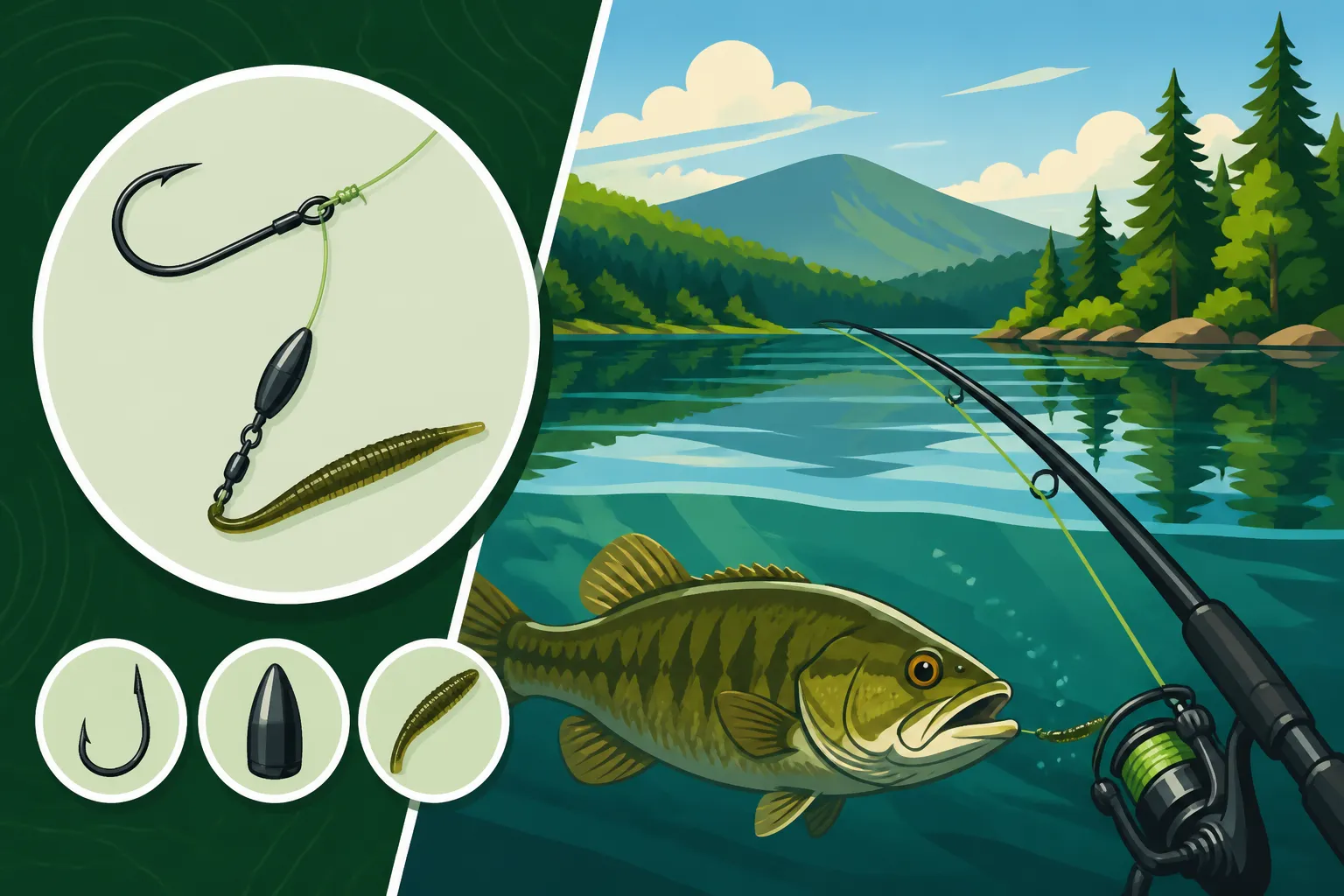
At its core, a Ned rig consists of a lightweight mushroom-shaped jig head paired with a small, buoyant soft plastic bait, typically 2.5 to 3 inches long. The magic happens because the buoyant plastic stands straight up off the bottom when at rest, perfectly imitating a foraging baitfish, a crayfish in a defensive posture, or even a small injured minnow. This upright presentation, combined with the slow, almost imperceptible retrieve, drives wary fish absolutely wild. It doesn't look like much out of the water, but in the fish's world, it's a struggling meal they can't ignore. For anglers dealing with highly selective bass in places like Lake Champlain or cautious trout in larger rivers, this subtle offering is often the only thing that gets a strike. It's not about flash or vibration; it's about pure, unadulterated realism.
When and Where to Deploy the Ned Rig in Vermont
The Ned rig shines brightest in specific scenarios where other tactics fall short. Think of those post-front days when the bite is notoriously tough, or during the doldrums of summer when fish are deep and lethargic. It's also incredibly effective in clear water environments, which Vermont has in abundance. When you're fishing a clear-water lake like Lake Willoughby for smallmouth bass or even trying to entice a holdover trout in a larger pool, the Ned rig's subtle profile and action don't spook fish. It's also a fantastic choice for targeting pressured fish around docks, rock piles, or transition areas where smallmouth bass often lurk. I've personally had incredible success fishing Ned rigs around the rocky points and humps on Lake Bomoseen when the bite was slow, picking off smallmouth that wouldn't touch anything else. It’s also surprisingly good for panfish like yellow perch and crappie, especially if you scale down the plastic size even further. Don't be afraid to experiment with it in areas you typically fish with larger baits; you might be surprised by the results.
Assembling Your Perfect Ned Rig Setup: Rod, Reel, and Line
Getting the right equipment isn't about spending a fortune, but rather understanding how each component contributes to the finesse nature of the Ned rig. Sensitivity is key, as bites are often incredibly subtle, sometimes feeling like nothing more than a slight "tick" or added weight. A balanced setup will allow you to cast those tiny rigs, detect those faint strikes, and still have enough power to land a good-sized smallmouth.
Choosing the Right Rod for Subtle Bites
For Ned rig fishing, a spinning rod is almost universally preferred due to its ability to handle light lines and small baits. You'll want a rod that falls into the "light" to "medium-light" power category, typically ranging from 6 feet 6 inches to 7 feet 3 inches in length. The key characteristic is a fast or extra-fast action tip. This means the tip of the rod is very flexible and sensitive, allowing you to feel even the most minuscule vibrations or subtle changes in your bait's contact with the bottom. However, the backbone of the rod should quickly transition to something stiffer to provide leverage for setting the hook and fighting fish. This delicate balance ensures you can cast those feather-light jigs, detect those barely-there bites, and still have control over a feisty smallmouth. Think about how many times you've lost a fish because your rod was too stiff to absorb the shock of a sudden run, or too soft to get a solid hookset. This specific rod action helps mitigate those issues, making it a critical choice for finesse fishing. For deeper dives on specific options, you might look into Best Spinning Rods for Smallmouth Bass.
Pairing Your Rod with a Finesse-Friendly Reel
A high-quality spinning reel that complements your finesse rod is non-negotiable for effective Ned rig fishing. You're looking for a smaller reel size, typically a 1000 or 2000 series, which keeps the overall setup lightweight and balanced. Smooth drag performance is paramount, as you'll be using light line and want to prevent break-offs when a larger fish surges. A good retrieve ratio helps with line management and keeping consistent contact with your bait, even during the slowest retrieves. Don't overlook the importance of a precise and consistent retrieve, as erratic movements can often deter a cautious fish, especially in clear water. A reel that prevents line twist is also a huge bonus when dealing with lighter lines, as kinks and loops can quickly ruin your fishing experience. Investing in a reel from a reputable brand available at Bass Pro Shops or Amazon will ensure longevity and consistent performance, which is exactly what you need when a tournament or a personal best is on the line.
The Critical Role of Line Selection
When it comes to Ned rigging, your line is your lifeline – literally. Light line is crucial for achieving that natural, subtle presentation and for maximizing sensitivity. Most anglers opt for a main line of 6 to 10 lb test braided line, often paired with a fluorocarbon leader of 4 to 8 lb test. The braid offers incredible sensitivity, zero stretch for solid hooksets, and excellent casting distance with those light lures. It acts as your direct connection to the subtle movements of your bait and any investigating fish.
The fluorocarbon leader, on the other hand, provides invisibility in clear water, which is a huge advantage in Vermont's often transparent lakes and rivers. Its low stretch also contributes to sensitivity, and its abrasion resistance is vital when fishing around rocky bottom or submerged timber, which are common hangouts for smallmouth. The length of your leader can vary, but typically 3 to 6 feet is a good starting point. You'll need to know how to tie a strong knot, like an FG or Alberto knot, to connect your braid to fluorocarbon seamlessly. For specific advice on leaders, check out Best Fluorocarbon Line for Clear Lake Water. Using a high-quality line is one of the easiest ways to improve your Ned rig success, as it directly impacts your ability to feel bites and maintain control.
Ned Rig Baits and Hooks: Small Packages, Big Results
The effectiveness of the Ned rig lies heavily in its specific jig head design and the buoyancy of the soft plastic. This combination creates that irresistible upright presentation that makes it stand out from other finesse techniques. Don't be fooled by their small size; these little baits can entice some truly massive fish.
Selecting the Ideal Ned Rig Jig Heads
The jig head is the foundation of your Ned rig. You're looking for a mushroom-shaped head, which helps the bait stand upright on the bottom and allows for a subtle, natural presentation. The weight range is usually between 1/10 ounce and 1/4 ounce. In shallower water (under 10 feet) or when fish are highly pressured, a 1/10 or 1/15 ounce jig head might be ideal. For deeper water, windier conditions, or when you need to get your bait down faster, a 1/8 or 1/4 ounce head works better. The hook size is also important; generally, a #1 or #2 hook is appropriate for the smaller soft plastics. Some Ned rig jig heads come with a wire keeper to hold your plastic securely, which is a nice feature, especially when dealing with aggressive strikes.
Another crucial factor is the hook itself. You want a sharp, strong hook that can penetrate easily with minimal force. Many anglers prefer a jig head with a weedguard, especially when fishing around submerged grass or brush in places like Lake St Catherine, to minimize snags. These specialized jig heads are readily available at Bass Pro Shops and on Amazon, making it easy to stock up on a variety of weights to match different Vermont fishing scenarios.
Picking Your Plastic: Shapes, Sizes, and Colors
The soft plastic bait is where the Ned rig truly comes alive. The most common style is a simple stickbait, usually 2.5 to 3 inches long, made from a buoyant material like Z-Man's ElaZtech. This material is incredibly durable, stretches significantly, and most importantly, stands straight up off the bottom. However, don't limit yourself to just stickbaits; small creature baits, worms, or even tiny flukes can be effective.
The color choice often depends on water clarity and forage. In clear Vermont waters, natural colors like green pumpkin, brown, or black and blue are always a safe bet. When fishing stained water or on overcast days, brighter colors like chartreuse or white can sometimes trigger strikes. It's often helpful to match the hatch, if you know what the local forage looks like. Are there small crayfish? Go with brown or green pumpkin. Are there minnows? Consider a lighter, more shimmery color. Experimentation is key, and having a few different colors and shapes in your tackle box will prepare you for whatever the fish prefer on a given day.
Here's a quick reference table for Ned rig plastics:
| Plastic Type | Ideal Length (inches) | Key Feature | Best Used For | Common Colors (Vermont) |
|---|---|---|---|---|
| Straight Stickbait | 2.5 – 3 | Buoyancy, subtle wiggle | Finicky bass, clear water, slow retrieve | Green Pumpkin, Black & Blue, PB&J |
| Small Creature Bait | 2.5 – 3 | Mimics crayfish/bugs | Rocky bottoms, structural fishing, defensive fish | Brown, Green Pumpkin, Watermelon |
| Tiny Worm/Finesse Worm | 3 – 4 | Wiggling action, subtle | Open water, targeting suspended fish (slow fall) | Junebug, Green Pumpkin, Watermelon |
| Small Fluke/Minnow | 2 – 2.5 | Baitfish imitation | Clear water, active fish, subtle jerk/glide | Pearl, Smelt, Silver Shad |
Essential Soft Plastic Presentation Strategies
Beyond just choosing the right bait, how you rig and maintain your soft plastic is vital. Always ensure your plastic is threaded straight onto the jig head. Any kink or misalignment will cause it to spin or swim unnaturally, defeating the purpose of the finesse presentation. When you're fishing in Vermont's pristine waters, fish have keen eyesight, and an unnatural presentation will be immediately rejected. Using a small dab of super glue on the jig head shank before threading your plastic can help secure it and extend the life of your bait, especially if you're getting a lot of short strikes or fishing around cover. Given the buoyancy of some materials, it's not uncommon for one soft plastic to last through many fish, but it’s still important to check your bait regularly for tears or damage. A damaged bait won't present correctly and will significantly reduce your chances of a bite.
Mastering the Retrieve: Techniques for Vermont Success
The beauty of the Ned rig lies in its versatility, but its true power is unlocked through deliberate, slow, and often subtle retrieves. This isn't a power fishing technique; it's about patience and finesse. The goal is to keep the bait in the strike zone longer and tempt those reluctant fish with a "never say die" presentation.
The Classic "Hover and Drag" Retrieve
The most fundamental and often most effective Ned rig retrieve is the "hover and drag." After casting your rig to your target area—be it a rocky point on Lake Champlain or a deep pool in the Lamoille River—let it sink all the way to the bottom on a semi-slack line. Watch your line for any twitch or pause; sometimes fish will hit it on the fall. Once it's on the bottom, gently lift your rod tip a few inches, just enough to get the jig head off the bottom, then let it fall back down. This creates a small hop, simulating a fleeing or struggling bottom dweller. After the hop, let it settle, and then slowly drag it a foot or two along the bottom using your reel. Then pause, let it rest, and repeat the sequence.
The key here is the pause. That moment of rest, when the buoyant plastic stands upright, is often when a fish decides to commit. Many bites happen when the bait is completely motionless. This technique is deadly effective in clear, cool water where fish are often lethargic or wary. It gives them ample time to inspect the bait and then react without feeling pressured. This slower approach distinguishes it from more aggressive jigging or cranking, offering something different to fish accustomed to faster presentations.
Finesse Jigging and Detecting Strikes
While the hover and drag is a staple, variations of finesse jigging can also be highly productive, especially when fish are slightly more active or when targeting specific structures. Instead of a long drag, try shorter, sharper hops, letting the bait settle quickly between movements. This can mimic a nervous crayfish scurrying away or a minnow attempting to escape. When jigging, pay extreme attention to your line. Because the Ned rig is so light, strikes often won't feel like the jarring "thump" you get with heavier baits.
Instead, you might notice your line suddenly jumping or tightening slightly. Sometimes, it feels like the bait just gets "heavy" or "mushy." This is where a sensitive rod and braided mainline really pay off. As soon as you detect anything out of the ordinary, set the hook with a swift, upward sweep of the rod. Don't go for a giant, overhead hookset like you might with a Texas rig; a firm sweep is usually all it takes with those sharp, exposed hooks. Remember, detecting strikes is a skill that improves with practice and confidence in your gear. Patience and focus are your best friends here.
Advanced Ned Rig Tactics for Tricky Conditions
Even with the right setup and basic techniques, some days are just plain tough. That's when you need to dig into your bag of tricks. One effective advanced tactic for extremely clear water or highly pressured fish is to dead-stick the bait. Cast it out, let it sink, and then do absolutely nothing for an extended period – sometimes a full minute or even longer. Just let it sit there, gently nudged by current or slight boat movement. This incredibly passive presentation can often coax a bite from the most discerning fish.
Another tactic for fishing around heavier cover, like submerged brush piles or deep grass edges, is to use a weedless Ned rig jig head. This allows you to fish in areas where you might normally snag up, presenting the bait right where those big bass are hiding. Furthermore, varying your retrieve speed and pause duration can be critical. On some days, a slightly faster series of hops might trigger a reaction strike, while on others, the slowest possible drag with extended pauses is the only thing that works. Don't be afraid to experiment with different plastics and colors from your Bass Pro Shops or Amazon haul until you find what the fish are keying in on. The versatility of this tiny rig, from its effectiveness in various conditions to its appeal to diverse species, makes it an invaluable tool in any Vermont angler's arsenal.
| Aspect | Basic Retrieve (Hover & Drag) | Finesse Jigging (Hops) | Dead-Stick |
|---|---|---|---|
| Action | Gentle lift off bottom, slow drag, long pause | Series of short, sharp hops, quicker settles | No retrieve, let current/drift move bait or hold static |
| Imitation | Foraging bottom creature, injured baitfish | Fleeing crayfish, nervous minnow | Dying/dead bait, curiosity trigger |
| Conditions | Clear, cold water; post-front; lethargic fish; general searching | Slightly more active fish; targeting specific structure; reaction bite | Extremely pressured fish; highly clear water; calm conditions |
| Strike Detection | Subtle weight, line jump during pause or drag | Light tick, line jump, sometimes feel of bait being picked up | Line suddenly moves, gets heavy, or rod tip loads subtly |
| Ideal for | Wary smallmouth, picky trout | Actively feeding bass, covering small areas | Shut-down fish, highly observed areas |
Disclaimer
This article is for general informational purposes only and does not constitute professional advice. Laws, prices and regulations vary by location and change over time. Consult a qualified professional for guidance on your specific situation.