Best hair jig for cold water smallmouth
When the water temperatures plummet, and those feisty Vermont smallmouth bass start getting lockjaw, it can feel incredibly frustrating. You've tried everything – plastics, cranks, even live bait – and nothing seems to trigger a strike. It's a common dilemma for anglers here in the Green Mountain State, especially in the early spring or late fall when the fish are sluggish and hunkered down. This comprehensive guide is here to shed light on one of the most effective, yet often overlooked, lures for these challenging conditions: the hair jig, and why it's your secret weapon for cold water smallmouth bass.
Why Hair Jigs Excel for Cold Water Smallmouth
There's a reason why seasoned anglers often turn to hair jigs when the mercury dips. Unlike many modern lures that are designed for aggressive reactions, hair jigs are all about subtlety and mimicking nature in its slowest, most vulnerable state. In cold water, smallmouth bass aren't usually chasing down fast-moving prey. They're conserving energy, holding tight to structure, and looking for an easy meal. This is where the hair jig truly shines.
The Subtle Appeal: Mimicking Natural Prey
Imagine a small baitfish or a crayfish, chilled to the bone, barely moving along the bottom of a frigid lake like Lake Champlain or Lake Bomoseen. That's precisely the meal a hair jig imitates so perfectly. The natural hair, whether it's bucktail or marabou, has an incredibly lifelike action in the water, even with minimal movement from your rod. It breathes, pulses, and undulates with a life of its own, far more naturally than most synthetic plastics can manage in cold temperatures.
In cold water, the soft plastics that work so well in summer often stiffen up, losing their natural flutter and appeal. A hair jig, however, maintains its supple, flowing action, making it irresistible to a lethargic smallmouth. It's not about flash or vibration; it's about a subtle, almost imperceptible invitation that says, "Here's an easy meal, barely moving, just waiting for you." This understated presentation is critical when fishing for bass that are in a neutral or negative mood, which is often the case in the colder months. They don't want to expend much energy, and a struggling, cold baitfish looks like the perfect opportunity.
Vertical Presentation and Slow Fall
Smallmouth bass, like many cold-blooded species, will often seek out the warmest available water in the winter and early spring, or they'll hunker down on deeper structure where temperatures are more stable. This means they are often hugging the bottom, tucked into rock piles, or sitting on ledges and breaks. Trying to rip a crankbait through these areas might get you snagged, and often, the fish just aren't interested in moving up to strike.
This is where the hair jig's ability to be fished vertically and with an incredibly slow, controlled fall becomes paramount. You can drop a hair jig right into the strike zone, let it settle, and then impart subtle movements that keep it hovering or slowly crawling along the bottom. The sparse, natural hair doesn't create much drag, allowing for a slower descent and more time for the fish to react. This deliberate, methodical presentation puts the lure right in front of the fish's nose, minimizing the effort they need to expend for a meal. It's an approach that respects their cold-water lethargy, turning passive smallmouth into active biters because the food is presented perfectly, literally on a platter. This technique is especially effective when targeting deeper fish on large bodies of water like Lake Champlain, where smallmouth tend to congregate in deeper haunts during the colder periods. You'll want to make sure your presentation is slow enough that the bass doesn't have to work hard to inspect or strike the lure.
Key Features of an Effective Cold Water Hair Jig
Not all hair jigs are created equal, especially when you're specifically targeting finicky smallmouth in cold water. Understanding the nuances of material, weight, size, and color can make a significant difference in your success rate.
Material and Construction: Marabou vs. Bucktail
When it comes to the "hair" itself, you'll primarily be looking at two excellent options: marabou and bucktail. Both have their unique advantages for cold water.
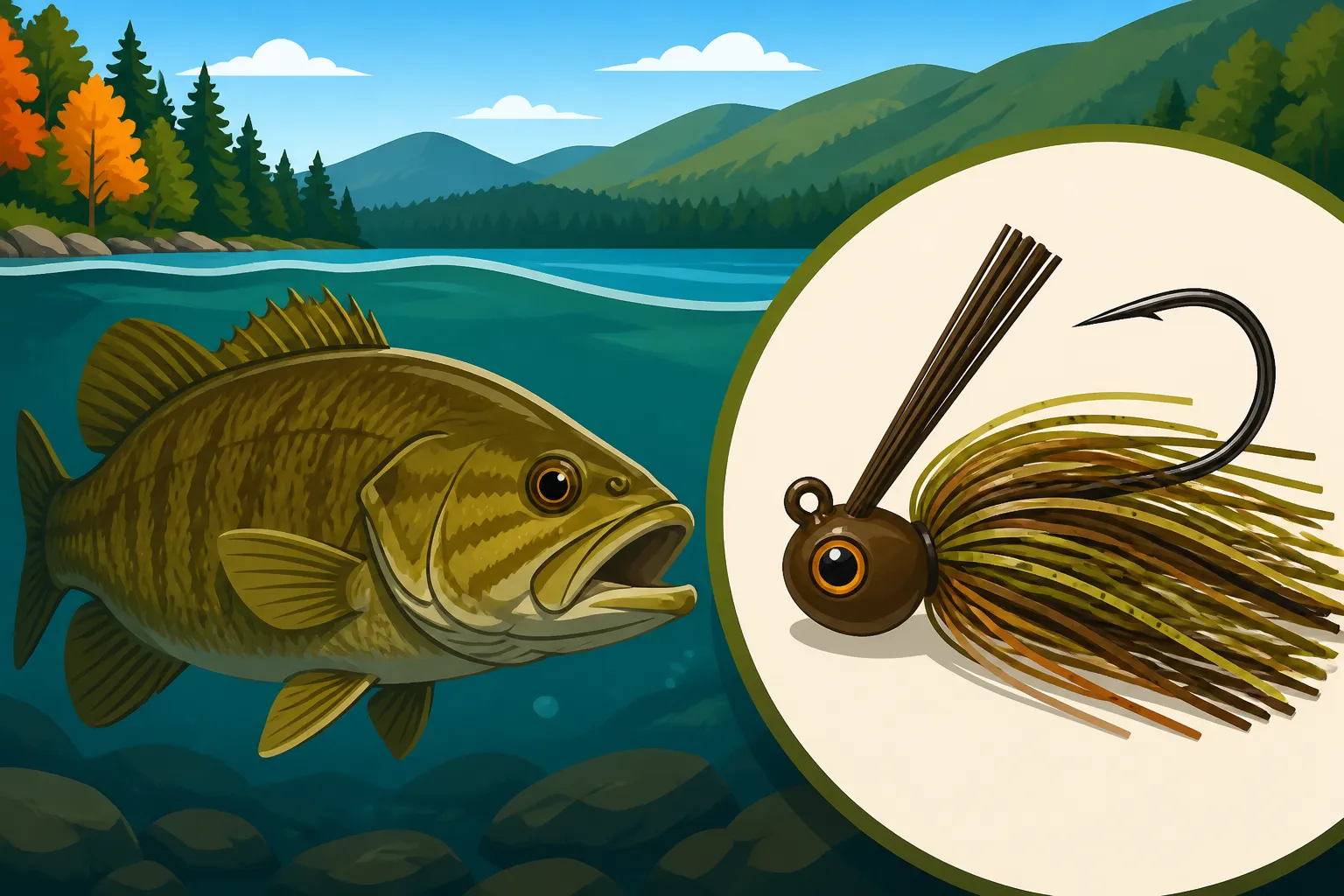
- Marabou Jigs: Marabou feathers are incredibly soft and fluffy, offering an unparalleled pulsating action in the water. Even the slightest twitch of the rod or the most subtle current will make a marabou jig come alive, breathing and expanding. This incredibly lifelike movement is often irresistible to smallmouth that are in a very neutral or negative mood, as it mimics a struggling baitfish perfectly. Marabou is generally best for the coldest water, when you need the most subtle and delicate presentation, and when fish are barely moving. However, marabou can be less durable than bucktail and can tangle more easily if fished aggressively or in heavy cover.
- Bucktail Jigs: Bucktail, derived from deer tails, is coarser than marabou but still offers a fantastic, natural flare. It's more durable and creates a slightly fuller profile than marabou. Bucktail jigs can be fished with a bit more aggression, and their hair flares out wonderfully on the fall and when twitched, mimicking a fleeing baitfish or even a defensive crawfish. They hold up better to repeated strikes and fishing around abrasive structure. Bucktail is a great choice when the water is cold but perhaps not absolutely frigid, or when you suspect the smallmouth might have a tiny bit more aggression in them, perhaps during a mild cold front period or on a sunny late winter day.
The jig head itself is also important. A round head is versatile, but a stand-up jig head can be fantastic for keeping the hook elevated off the bottom, presenting the hair upright like a feeding crawfish or baitfish. Always prioritize jigs with high-quality, super-sharp hooks. A sticky-sharp hook is non-negotiable for effectively hooking a smallmouth that might only mouth the bait delicately in cold water. You can find a good selection of both marabou and bucktail jigs with various head styles and hook qualities at reputable fishing tackle stores or online retailers like Bass Pro Shops or Amazon.
Weight and Size: Dialing it In for Depth and Current
Choosing the right weight and size is crucial for controlling your presentation. In cold water, smallmouth are often not willing to chase, so your jig needs to be presented directly in their strike zone, and it needs to stay there for a prolonged period.
- Weight: Common weights for cold water hair jigs range from 1/16 oz to 1/4 oz, though sometimes heavier (up to 3/8 oz) might be needed for very deep water or strong currents, such as in certain sections of the Connecticut River. The goal is to use the lightest possible jig that still allows you to maintain consistent bottom contact and feel those subtle bites. Too heavy, and your jig will fall too fast and won't have that desirable slow, lifelike flutter. Too light, and you won't be able to get it down to the fish or keep it on the bottom in current. It's often a balance you have to experiment with.
- Size: Smaller profiles are generally better in cold water. A 1/16 oz or 1/8 oz jig with a relatively sparse hair profile can be incredibly effective. Smallmouth in cold water are looking for an easy, small meal, not a feast. A compact, subtle presentation is key. Don't be afraid to go with a jig that looks "too small" – often, it's just right. The smaller size also means less resistance, enhancing the natural fall and allowing for a more delicate feel on your line.
Color Selection: Keeping It Natural and Understated
When it comes to color, simplicity and natural tones are usually your best bet for cold water smallmouth. Remember, they're not typically in an aggressive mood, so loud, flashy colors can often deter rather than attract.
- Natural Tones: Colors like black, dark brown, green pumpkin, olive, and white/cream are staples. These mimic common cold-water forage like crawfish, sculpins, shiners, or other small baitfish. Black and blue can also be effective, especially in slightly stained water or on overcast days. A black jig often creates a strong silhouette against a lighter sky, making it easy for a fish to spot.
- Understated Flash: Some hair jigs incorporate a small amount of flashabou or tinsel. A minimal amount can sometimes add a subtle shimmer that mimics fish scales without being overpowering. However, avoid anything overly flashy or vibrant unless you are fishing in very specific, highly stained water conditions where visibility is extremely low.
- When to Deviate: While natural is the rule, there are rare instances where a pop of color might work. If the water is unusually stained or muddy (perhaps after heavy spring runoff), a brighter color like chartreuse or orange on the jig head might help with visibility, but keep the hair itself in natural tones. For the most part, stick to muted, natural colors to match the cold, often clear waters of Vermont's lakes and rivers.
Essential Techniques for Fishing Hair Jigs in Cold Water
Fishing hair jigs effectively in cold water is more about finesse and patience than power. It requires a different mindset, one focused on feel and subtle presentation.
The Slow Retrieve and Lift-Fall Presentation
This is the bread and butter of cold water hair jig fishing. Smallmouth in cold water aren't going to chase, so you need to bring the lure to them and keep it in their face.
- Cast and Sink: Make a controlled cast to your target structure (a rocky point, a deep drop-off, a submerged boulder field). Let the jig sink on a semi-slack line, but keep enough tension to feel the jig hit the bottom. This initial fall is crucial, as many bites occur on the descent.
- Bottom Contact: Once it hits the bottom, let it rest for a few seconds. This mimics a struggling or resting baitfish.
- The Lift: Slowly lift your rod tip a few inches to a foot, just enough to gently move the jig off the bottom. Don't rip it; think of it as a gentle nudge.
- The Fall (Key Moment): Immediately lower your rod tip, allowing the jig to fall back to the bottom on a controlled slack line. Watch your line like a hawk. Many bites will happen on this fall, often feeling like a slight "tick," a spongy weight, or simply your line going slack or moving sideways. This is where a highly sensitive rod and line setup pays dividends.
- Repeat: Let it rest again, then repeat the lift-fall motion. Work the jig painstakingly slowly, covering every inch of the structure. Think of it as painting the bottom with your jig.
In a hypothetical scenario on Lake Champlain, fishing a hair jig might involve positioning your boat over a 25-foot deep rocky ledge. You'd cast your 1/8 oz bucktail jig past the ledge, let it sink, then slowly hop and drag it down the face of the rock, allowing it to pause in pockets and crevices. The key is to feel everything – every rock, every twig, and most importantly, every subtle "thump" that indicates a smallmouth has inhaled your offering. The slow pace is absolutely critical, as smallmouth can be incredibly lethargic. You might even find success with an extremely slow drag, barely lifting the jig off the bottom, just enough for the hair to pulse tantalizingly. For more details on catching these fish, check out How to Catch Smallmouth Bass in Vermont Lakes.
Targeting Key Cold Water Structures
Knowing where to present your hair jig is just as important as how. Smallmouth bass follow predictable patterns in cold water, seeking out areas that offer stability, cover, and access to forage.
- Deeper Breaks and Ledges: Smallmouth will often hold on the edges of deep drop-offs and ledges. These areas provide quick access to deeper, more stable water, and they act as ambush points. Look for transitions where a flat shelf drops sharply into deeper water.
- Rocky Points and Humps: Submerged rock piles, humps, and extended points that taper into deep water are classic cold water smallmouth haunts. These structures attract baitfish and provide excellent cover. Fish both the top and the sides of these features.
- Hard Bottom Areas: Smallmouth prefer hard bottom (rock, gravel, sand) over soft, silty areas, especially in cold water. Their forage, like crawfish, also favor these bottoms.
- Transition Areas: Look for spots where different types of cover or depth abruptly change. A transition from a flat, shallow bay to a deeper channel, or where a rock bottom meets a sandy flat, can be highly productive. The deeper, offshore humps in Lake Memphremagog or the deeper sections of Lake Bomoseen are prime examples of places where smallmouth will congregate on such structures in the colder months. These fish might not be actively chasing, but a hair jig presented right in front of them can be irresistible. You can learn more about these fish in Smallmouth Bass Habits on Lake Champlain.
Pairing Your Hair Jig with the Right Gear
To truly master hair jig fishing in cold water, your equipment needs to be dialed in for maximum sensitivity and control.
- Rod: A light to medium-light power spinning rod, typically 6'6" to 7'3" in length, is ideal. The most important feature is a fast or extra-fast action tip. This sensitive tip will allow you to feel the most subtle bites and detect when your jig makes contact with the bottom. The backbone of the rod should still be sufficient to drive the hook home, but the sensitivity is paramount.
- Reel: A quality spinning reel in the 1000 to 2500 size range is perfect. Smooth drag is essential for fighting cold-water smallmouth, which can still put up a surprising fight. A good quality reel will also allow for precise casting of light jigs.
- Line: This is perhaps the most critical component for sensitivity.
- Fluorocarbon: Many anglers prefer straight fluorocarbon line (6-8 lb test) for hair jigs. Fluorocarbon is nearly invisible underwater, has very little stretch (enhancing sensitivity), and sinks, helping your jig get down faster and stay on the bottom. Its abrasion resistance is also a plus around rocky structure.
- Braid with Fluorocarbon Leader: Another excellent option is a thin braided line (8-10 lb test) for the main line, tied to a 6-10 foot fluorocarbon leader (6-8 lb test). Braid offers unparalleled sensitivity because it has absolutely no stretch, allowing you to feel every bump and tick. The fluorocarbon leader maintains the stealth necessary for clear, cold water. Using a quality braid and leader will help you detect those incredibly faint bites that often accompany cold water fishing. For further information on line choices, consider reading Best Fluorocarbon Line for Clear Lake Water.
By optimizing your gear, you transform your setup into an extension of your senses, allowing you to truly "feel" what's happening hundreds of feet away, beneath the cold surface.
Choosing Your Hair Jigs: Brands and Tips
When you're ready to stock up on hair jigs, knowing what to look for and where to find them can save you time and money. While the core concept of a hair jig is simple, the quality of materials and construction can vary greatly.
What to Look For When Buying
Don't just grab any hair jig off the shelf. Take a moment to inspect a few key elements:
- Hook Quality: As mentioned, a super-sharp hook is non-negotiable. Look for jigs with premium hooks from reputable manufacturers. A sharp hook means better penetration on delicate bites, and in cold water, you're not going to get a second chance often. Many jigs specify hook brands; if not, test them with your thumbnail.
- Hair Tie-In: Inspect how the hair is tied onto the jig head. Is it secure? Does it look like it will hold up to repeated casts and fish? Poorly tied jigs will shed hair, diminishing their action and appeal. The hair should be evenly distributed for a balanced presentation.
- Variety of Weights and Colors: Start building an arsenal that covers your bases. You'll want a range of weights (1/16 oz, 1/8 oz, 3/16 oz, 1/4 oz) to adapt to different depths and current conditions. And, of course, a selection of natural colors like black, brown, olive, and white.
- Jig Head Finish: While not as critical as hook and hair, some jig heads have subtle finishes or paint jobs that can add to the attraction, particularly in clear water. A simple, matte finish is often fine.
You can often find excellent quality hair jigs at your local Vermont tackle shop, where the staff can offer insights on what works best for specific local waters. Alternatively, larger retailers like Bass Pro Shops offer a wide selection, and online stores such as Amazon provide convenience and a vast array of options from various manufacturers. Don't be afraid to try a few different brands to find what you like best and what the smallmouth in your favorite Vermont waters seem to prefer.
Building Your Cold Water Hair Jig Arsenal
You don't need dozens of jigs, but having a thoughtful selection will prepare you for varying conditions. Here's a quick guide to building a solid cold water smallmouth hair jig kit:
| Jig Type | Weight Range | Primary Color(s) | Ideal Conditions |
|---|---|---|---|
| Marabou | 1/16 oz – 1/8 oz | Black, White, Olive | Super cold water, very finicky fish, minimal current |
| Bucktail | 1/8 oz – 1/4 oz | Brown, Black, Green Pumpkin | Cold water, slightly more aggressive fish, light current, around structure |
| Stand-up Head | 1/8 oz – 3/16 oz | Natural tones | Bottom hopping, mimicking crawfish, rocky bottom |
| Round Head | 1/16 oz – 1/4 oz | All natural tones | Versatile, good for slow drag and subtle lift-fall |
Start with a few jigs in each of these categories and then expand as you gain confidence and learn what works best on your particular fishing spots. You'll likely find that a specific weight or color becomes your go-to, but having options is key to adapting to daily changes in water temperature, clarity, and fish mood. Always remember that the beauty of the hair jig lies in its simplicity and natural effectiveness. It's a classic for a reason, and in the challenging world of cold water smallmouth fishing, it's an undeniable game-changer. For more general advice on fishing for smallmouth, explore Best Bass Fishing Techniques for Lake Champlain.
Disclaimer
This article is for general informational purposes only and does not constitute professional advice. Laws, prices and regulations vary by location and change over time. Consult a qualified professional for guidance on your specific situation.