Best ultralight rod for panfish
Panfishing in Vermont offers some of the most accessible and genuinely fun angling experiences, but too many of us hobble our enjoyment by using gear that's simply too heavy. This guide is all about shedding that unnecessary weight and embracing the nimble grace of an ultralight rod, transforming every bluegill, crappie, and perch into a true adversary and every subtle bite into a clear signal.
Why Go Ultralight for Vermont Panfish?
If you've ever felt a tug from a decent panfish on a medium-action bass rod, you know it's okay. But it's just that: okay. The real magic happens when you scale down your gear. An ultralight rod isn't just a niche tool; it's a game-changer that redefines the joy of chasing smaller species across Vermont's beautiful lakes and ponds. It's about magnifying the experience, making every encounter memorable, and connecting you more intimately with the fish.
The Thrill of the Fight, Magnified
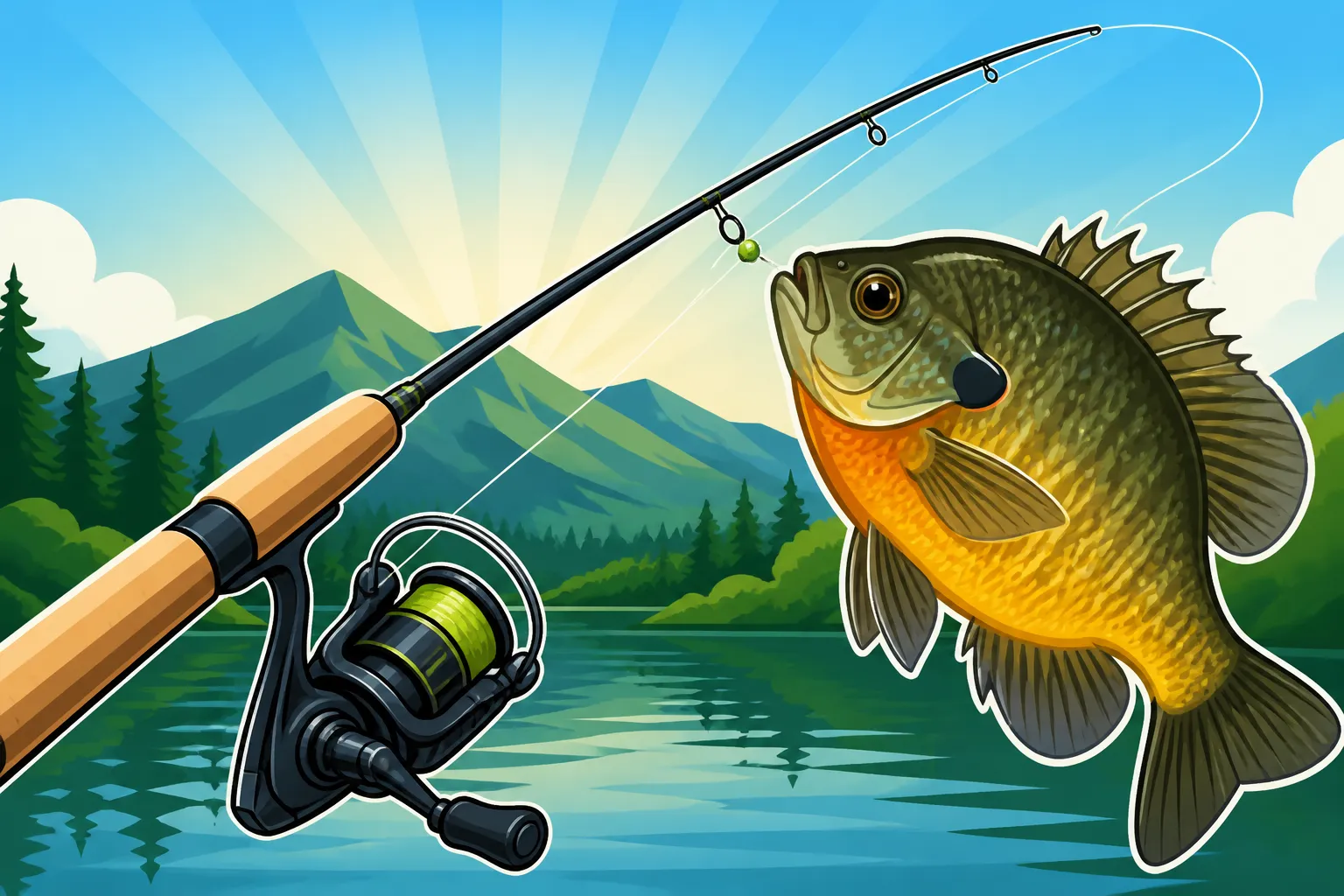
Imagine a feisty eight-inch bluegill, typically a quick tug and reel-in affair on standard tackle. Now, picture that same bluegill bending an ultralight rod into a glorious arc, the rod tip dancing and throbbing with every head shake and dart. That's the difference an ultralight setup makes. It turns what might be a mundane catch into an exciting mini-battle, forcing you to use proper technique, manage line, and enjoy every moment of the struggle.
This heightened sense of engagement is truly addictive. You're not just pulling a fish in; you're fighting it, feeling its strength and determination through the lightweight blank. It transforms a simple fishing trip into an active, invigorating challenge, perfect for those days when the bigger game fish aren't biting, or when you just want pure, unadulterated fun on the water with a steady stream of action.
It's a complete shift in perspective. Instead of overpowering the fish, you're meeting them on more even terms, allowing their natural fighting spirit to truly shine. Whether you're casting small jigs into lily pads for aggressive crappie or dapping tiny worms beneath a bobber for wary bluegill, the sensitivity and flexibility of an ultralight rod ensure that even the smallest catch provides disproportionately large thrills.
Unrivaled Sensitivity for Finicky Bites
Panfish, especially in cooler water or during pressured conditions, can be incredibly subtle eaters. Sometimes, a bite isn't a definitive thump but merely a slight hesitation in your line, a subtle "tick" at the rod tip, or even just a feeling of spongy weight. Missing these delicate takes means missing fish, pure and simple.
This is where the ultralight rod truly shines. Its lightweight construction and flexible tip are designed to transmit every single vibration and subtle movement directly to your hand. You'll feel bites you never knew existed with heavier tackle. This enhanced sensitivity dramatically increases your hook-up ratio, especially when fish are merely "mouthing" the bait rather than aggressively striking it.
Imagine jigging a tiny panfish lure in 20 feet of water. With an ultralight, you can distinctly feel the lure ticking along the bottom, identifying structure, and then, that faint, almost imperceptible tap-tap that signals a fish. It gives you the immediate feedback needed to set the hook precisely and quickly. To really hone your touch, check out our guide on Best Techniques for Panfish in Vermont.
Versatility Across Vermont's Panfish Species
Vermont's waters teem with a wonderful variety of panfish, from the hard-fighting yellow perch of Lake Champlain to the sun-drenched bluegill of a small farm pond, and the schooling black crappie hiding in submerged brush. The beauty of an ultralight rod is its incredible versatility across these different species and their habitats.
Whether you're targeting chunky Yellow Perch in Vermont Lakes with small jigging spoons, enticing Black Crappie in Vermont Waters with tiny tubes, or casting micro poppers for topwater Bluegill Habits in Vermont Ponds, an ultralight rod is perfectly suited. Its ability to cast light lures with accuracy and handle delicate baits makes it the ideal tool for virtually any panfish scenario you might encounter.
This adaptability means you don't need a different rod for every species or technique. A single, well-chosen ultralight rod can cover the vast majority of your panfishing needs throughout the year, from open water casting to ice fishing. It's truly a multi-tasker that excels at making the most of Vermont's diverse panfish opportunities.
Decoding Ultralight Rod Features for Optimal Performance
Choosing the right ultralight rod isn't just about picking the lightest one on the rack. It involves understanding a few key characteristics that dictate how the rod performs, how it feels in your hand, and ultimately, how successful you'll be on the water. Paying attention to length, action, power rating, and even handle design can make a world of difference.
Length and Action: Finding Your Sweet Spot
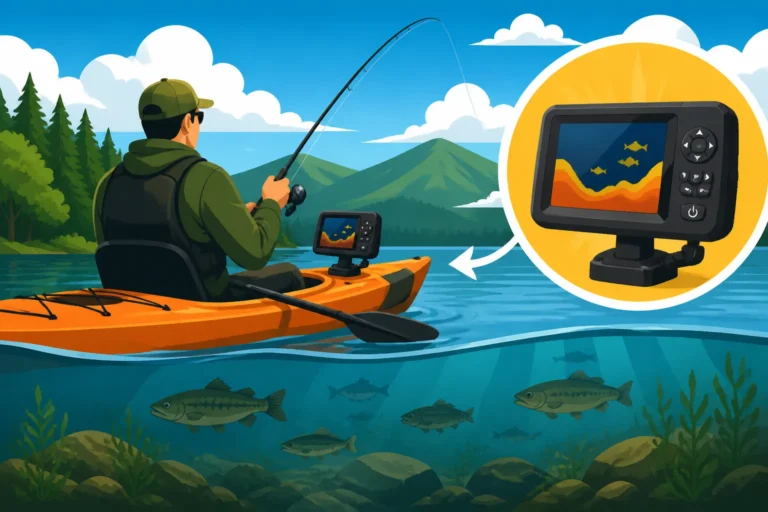
For panfish, ultralight rods typically range from 5 to 6.5 feet in length. Shorter rods (5 to 5.5 feet) are fantastic for tight casting conditions, like fishing from a canoe in a brushy cove or when you're perched on an ice bucket in a shanty. They offer excellent maneuverability and pinpoint accuracy for short casts. Longer rods (6 to 6.5 feet) provide increased casting distance, better line control, and often a bit more leverage for fighting fish, making them great for open water shore fishing or kayak angling.
Rod action refers to where the rod bends. An "Extra-Fast" action bends mostly at the tip, offering superb sensitivity and quick hook-sets, ideal for feeling those subtle bites. A "Fast" action bends in the top third, providing a good balance of sensitivity and forgiveness. A "Moderate" action bends more deeply, through the top half of the rod, which is excellent for softer presentations, protecting light lines, and preventing tiny hooks from pulling free.
Your preferred fishing style should guide your choice. If you're primarily jigging tiny lures and need maximum feel, an extra-fast tip is probably your best bet. If you're casting small spinners or bobber fishing, a fast or moderate action might offer a more enjoyable bend and better cushion when a fish surges. For general advice on rod characteristics, you might find our insights on Best Spinning Rods for Smallmouth Bass helpful, as many principles apply.
Power Rating and Lure Weight: Understanding "Ultralight"
The "power" of a fishing rod refers to its lifting strength and how much force it takes to bend the blank. "Ultralight" rods, as the name suggests, are at the lowest end of this spectrum. They are designed to load and cast extremely lightweight lures, typically ranging from 1/32 ounce up to about 1/8 ounce, though some might handle slightly heavier up to 1/4 ounce. Their intended line weight is also very light, usually between 2 and 6-pound test.
Using a rod with an ultralight power rating for these tiny baits is crucial. A heavier rod simply won't load properly, making it impossible to cast those small jigs and spinners any meaningful distance. Furthermore, the delicate tips of ultralight rods are perfectly suited to detect the faint resistance of a panfish taking a small offering. Trying to use a heavier lure than the rod is rated for will not only hinder casting performance but could also risk damaging the rod over time.
When selecting an ultralight rod, always check its specified lure weight and line rating, which are usually printed on the rod blank near the handle. This ensures you're pairing your rod with appropriate tackle for optimal casting, sensitivity, and fish-fighting capabilities. This attention to detail is key to maximizing your success when targeting panfish, and we delve deeper into specific options in our guide to Best Tackle for Panfish.
Ergonomics and Components: Comfort for Long Days
Panfishing often involves countless casts and retrieves, sometimes for hours on end. This makes the ergonomics of your ultralight rod incredibly important. The handle material and design significantly impact comfort and fatigue. Cork handles are classic, lightweight, and provide excellent grip even when wet. EVA foam handles are also popular, offering durability and a comfortable feel. Choose a handle length that feels balanced and allows for comfortable two-handed casting if desired.
The reel seat, where your reel attaches to the rod, should be lightweight, secure, and allow good contact between your hand and the rod blank. Many ultralight rods feature skeletonized reel seats or expose parts of the blank to enhance sensitivity, allowing you to feel even more of what's happening at the end of your line. A loose or poorly designed reel seat can quickly become annoying and even compromise the overall feel of the setup.
Finally, don't overlook the quality of the rod guides. Lightweight, smooth guides, often made with stainless steel frames and ceramic inserts, reduce friction on your light line, allowing for longer, smoother casts and protecting your line from wear. High-quality guides also help maintain the rod's intended action and sensitivity. These small details collectively contribute to a rod that's not only effective but also a joy to fish with all day long.
Perfect Pairings: Reels, Line, and Balance for Your Ultralight Setup
An ultralight rod is only half the equation. To truly unlock its potential and enjoy the exquisite sensitivity and fighting power it offers, you need to pair it with a reel and line that are equally well-matched. The right combination creates a harmonious system that feels like an extension of your arm, making every cast and retrieve a fluid, enjoyable experience.
Matching Your Ultralight Rod with a Featherlight Reel
For ultralight panfishing, small spinning reels are almost universally the choice. Look for reels in the 500 to 1000 size range. These reels are designed to hold the light lines suitable for ultralight rods and are themselves incredibly lightweight, which is crucial for maintaining the overall balance of your setup. A heavy reel on an ultralight rod will make the entire combo feel tip-heavy and uncomfortable.
Beyond size and weight, focus on a reel with a smooth, reliable drag system. Even though you're targeting smaller fish, you'll be using very light line. A surprisingly large bass or even a decent sized trout might decide to inhale your panfish offering. A sticky or jerky drag can easily snap your delicate line, leading to disappointment. Brands like Shimano, Daiwa, or Pflueger offer excellent ultralight spinning reels that are widely available, including at major retailers like Bass Pro Shops.
The feel of the reel's retrieve is also important. A reel with minimal wobble and a smooth, consistent retrieve reduces fatigue and allows you to feel the subtle action of your small lures. When you're constantly casting and retrieving, a high-quality, perfectly matched reel makes a world of difference in your enjoyment and overall effectiveness.
Choosing the Right Line: Strength Meets Sensitivity
Selecting the correct line for your ultralight panfish setup is paramount. You're typically looking at lines in the 2 to 6-pound test range. Each line type has its advantages:
- Monofilament: This classic choice offers stretch, which acts as a shock absorber, helping to prevent hooks from tearing out of a fish's mouth and providing some forgiveness on aggressive hooksets. It's also relatively inexpensive and easy to tie knots with.
- Fluorocarbon: Known for its low visibility underwater, fluorocarbon is a great choice for clear Vermont waters where fish can be spooky. It has less stretch than mono, offering increased sensitivity, and sinks, which can be beneficial for getting small lures down quickly. Consider Best Fluorocarbon Line for Clear Lake Water for more details.
- Braided Line: Braid offers almost no stretch, providing incredible sensitivity and excellent casting distance with tiny lures. Its thin diameter for its breaking strength is also a huge advantage. However, it's highly visible, so most anglers will tie a short fluorocarbon or monofilament leader to the end of their braid for stealth.
Going heavier than 6-pound test usually defeats the purpose of an ultralight rod, hindering casting distance and reducing the exhilarating fight. The ideal line weight matches the rod's specifications and your target species, ensuring you get the most out of your ultralight experience.
The Art of Balance: A Harmonious Setup
A truly great ultralight panfish combo feels perfectly balanced in your hand. When you hold the rod with the reel attached, it shouldn't feel tip-heavy, making your wrist work harder, nor should it feel butt-heavy. The ideal balance point is usually just forward of where your hand naturally grips the rod, creating a neutral feel that minimizes fatigue during long fishing sessions.
Proper balance translates directly to improved casting accuracy and increased sensitivity. A balanced setup becomes an extension of your arm, allowing you to feel every subtle movement of your lure and every gentle tap from a fish. It's often overlooked, but taking the time to match a reel to your rod to achieve this balance will significantly enhance your overall fishing experience.
When you're shopping for a new ultralight rod, try to pair it with a reel of a similar size and weight to what you'll be using. Hold the combo in your hand, close your eyes, and feel how it balances. A truly balanced setup will make you forget you're even holding a rod, allowing you to focus entirely on the water and the fish. For those just starting out, a balanced Best Rod and Reel Combo for Beginners can be a fantastic entry point into the world of ultralight fishing.
Getting Your Hands on the Ideal Ultralight Setup in Vermont
Once you have a good idea of what you're looking for in an ultralight panfish rod, the next step is actually finding it. While the internet offers convenience, there's something to be said for the hands-on experience and local expertise you can find right here in Vermont.
Exploring Your Options: Local vs. Online
Shopping for fishing gear these days gives you a few distinct avenues. Visiting your local tackle shop in Vermont offers unparalleled advantages. You can physically hold different rods, feel their action, and get personalized advice from seasoned anglers who know the local waters and what works best for panfish here. These shops are often community hubs, full of insights and stories, and supporting them keeps valuable local expertise available to everyone.
On the other hand, online retailers like Amazon and Bass Pro Shops provide an incredibly vast selection, often with competitive pricing and detailed customer reviews. You can browse countless models, compare specifications side-by-side, and have your chosen gear delivered right to your door. This is particularly convenient if you have very specific requirements or are looking for a brand that might not be carried by every local shop. However, the downside is the inability to physically "feel" the rod before you buy it.
Many anglers find a hybrid approach works best: research extensively online to narrow down your choices, read reviews, and understand the technical specifications. Then, if possible, visit a local shop or a larger retailer like Bass Pro Shops to physically handle some of your top contenders. Even if you ultimately purchase online, that hands-on experience is invaluable. You can also ask local shop owners about specific brands or models that perform well in Vermont's unique conditions, especially for panfish. For those interested in where to find fishing gear and licenses, our Vermont fishing license vendors near me guide has useful information.
The Test Drive: Why Feeling the Rod Matters
You wouldn't buy a car without a test drive, right? While a fishing rod isn't quite the same investment, the principle holds true. Specifications on paper (or a screen) only tell part of the story. The true feel of a rod – its balance, its sensitivity, its comfortable grip – is something you can only appreciate by holding it in your hands.
When you get a chance to hold a rod, wave it gently, feeling its flex and taper. Imagine casting a tiny jig or setting the hook on a scrappy yellow perch. Does the handle fit comfortably in your hand? Does it feel tip-heavy or well-balanced with a reel attached? Pay attention to the materials, the smoothness of the reel seat, and how easily you can picture yourself fishing with it for several hours. This tactile experience is especially important for ultralight rods, where sensitivity and a lightweight feel are paramount.
Even if you're a seasoned angler, picking up a new ultralight rod should involve this "test drive." It's about finding that perfect extension of your arm, the tool that disappears in your hand, allowing you to focus entirely on the delicate art of panfishing. Whether you're upgrading your current setup or looking for Best Ice Fishing Gear for Vermont for those hard-water panfish opportunities, never underestimate the power of simply feeling the rod.
With the right ultralight rod in hand, you'll discover a whole new dimension to fishing for bluegill, crappie, and perch in Vermont. It's about maximizing the fun, feeling every single subtle take, and experiencing the incredible fight these small fish offer when you're geared appropriately. So, go ahead, lighten your load, and embrace the joy of ultralight panfishing!
Disclaimer
This article is for general informational purposes only and does not constitute professional advice. Laws, prices and regulations vary by location and change over time. Consult a qualified professional for guidance on your specific situation.