Best headlamp for night walleye fishing
Fumbling around in the dark trying to tie a knot or unhook a feisty walleye after sunset can turn a promising fishing trip into a frustrating mess. Night fishing for walleye, especially on big waters like Lake Champlain, demands good visibility for safety and efficiency. This guide will help you understand what makes a great headlamp for those nighttime angling adventures and how to pick the best one to light up your Vermont fishing experience.
Why a Headlamp is Essential for Night Walleye Fishing
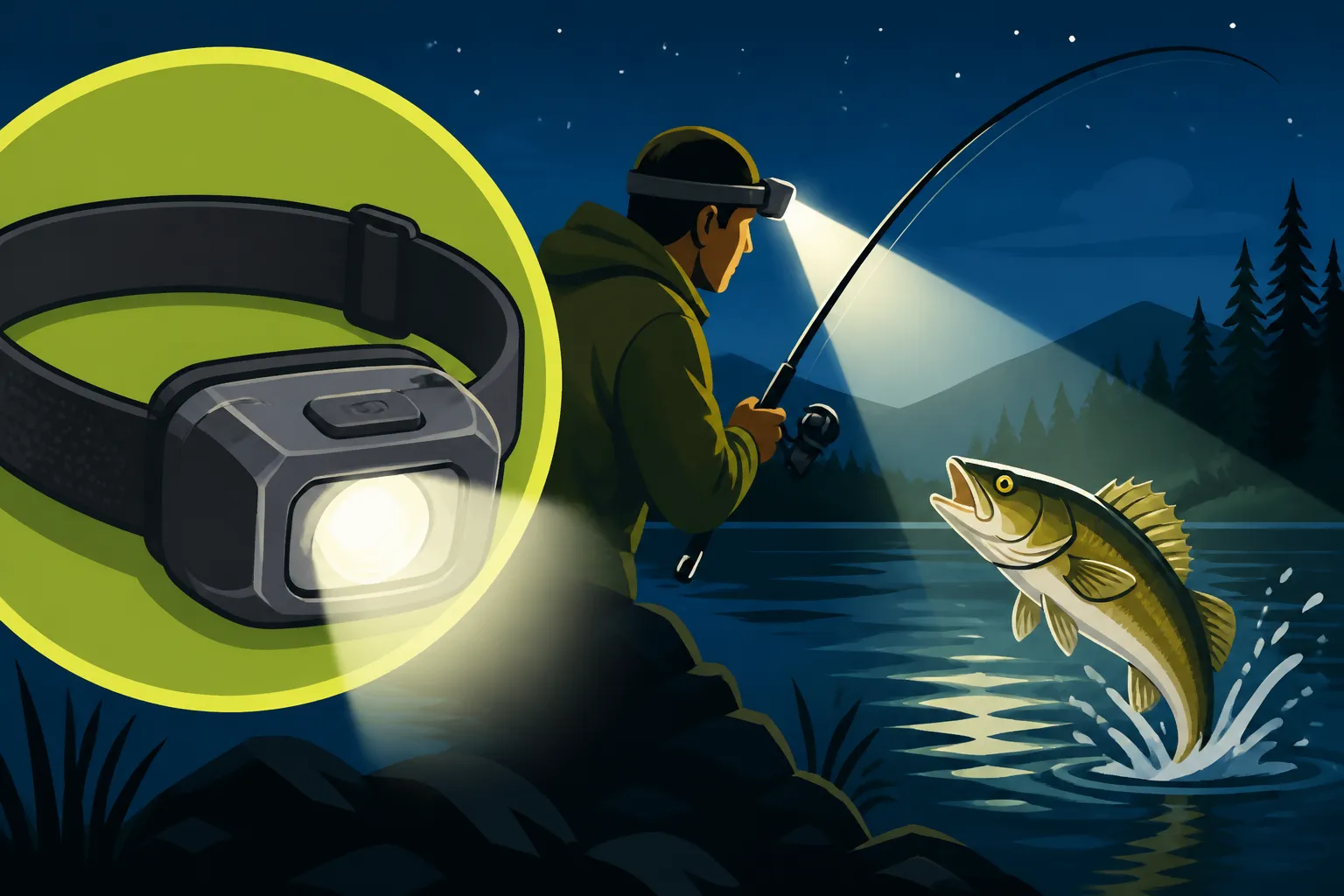
There’s a unique thrill to being out on the water when the sun dips below the horizon, and the walleye start to get active. But that magic quickly fades when you can't see what you're doing. A reliable headlamp isn't just a convenience; it's a critical piece of gear for anyone serious about targeting walleye under the stars. It brings a whole new level of safety and operational ease to what can otherwise be a challenging environment.
Safety First on Dark Waters
Picture this: you're on a boat, or even wading a shallow point, long after dusk, and suddenly a wave sloshes over the bow, or you stumble on an unseen rock. Without proper lighting, these minor incidents can quickly escalate into something more serious. A headlamp keeps your hands free to brace yourself, grip your rod, or manage your boat, all while illuminating your immediate surroundings. This is especially crucial when navigating back to shore or dealing with unexpected equipment issues. Whether you're untangling lines, securing loose gear, or simply walking from your vehicle to your chosen spot on the bank, a clear view of your path and potential hazards is non-negotiable. Knowing you can always see where you're stepping or what's ahead of you provides immense peace of mind, allowing you to focus on the fishing, not the fumbling.
Efficiency and Convenience in Low Light
Beyond safety, a good headlamp dramatically improves your fishing efficiency. Imagine hooking into a big walleye, only to struggle with a flashlight clenched in your teeth while trying to land it, unhook it, and get it in the livewell. It’s an awkward dance we’ve all done, and it’s totally avoidable. With a headlamp, both hands are free to operate your reel, net the fish, and carefully remove the hook. Tying on a new lure, re-rigging after a snag, or even baiting a hook becomes a simple task instead of a frustrating ordeal. You can easily find that specific crankbait in your tackle box or locate your pliers without having to put your rod down. This hands-free illumination lets you maintain a steady rhythm, ensuring you spend more time fishing and less time wrestling with your gear in the dark. It truly makes a difference when you’re trying to capitalize on a hot bite during the prime night hours.
Key Features to Look for in a Night Walleye Fishing Headlamp
Not all headlamps are created equal, especially when it comes to the specific demands of night walleye fishing. You need something more robust and feature-rich than what you might use for a casual stroll. Focusing on a few key characteristics will ensure you pick a headlamp that truly serves you well on the water. Consider these factors before making your purchase to get the most out of your night fishing excursions.
Lumens and Beam Type: Striking the Right Balance
When it comes to brightness, more isn't always better for night fishing. While a high lumen count sounds impressive, blasting 1000 lumens across the water can actually hurt your night vision and potentially spook fish. The sweet spot is a headlamp that offers adjustable brightness settings, allowing you to choose between a lower, softer glow for up-close tasks like tying knots, and a brighter beam for navigating or spotting distant markers. Look for a headlamp with a maximum output of around 200-500 lumens for most situations.
Beyond sheer brightness, consider the beam type. Many quality headlamps offer both a focused spot beam for distance and a wider flood beam for illuminating your immediate workspace. Being able to switch between these two modes is incredibly useful. A spot beam helps you see that far buoy or navigate your boat, while a flood beam is perfect for unhooking a fish or rummaging through your tackle box. Some even have a hybrid mode that combines both. This versatility ensures you have the right light for every situation without overdoing it.
Red Light Mode: Protecting Your Night Vision and Not Spooking Fish
This is arguably the most important feature for a night fishing headlamp, and it's often overlooked by beginners. White light, especially bright white light, causes your pupils to constrict, effectively destroying your natural night vision. It takes a significant amount of time for your eyes to re-adapt to the darkness once exposed to white light, leaving you temporarily blind when you switch it off. Red light, however, does not have this effect. It allows you to see what you're doing without compromising your ability to perceive shapes and movement in the surrounding darkness.
Moreover, fish are highly sensitive to sudden changes in light. Flashing a bright white beam directly onto the water or your fishing line can easily send walleye scattering, putting an end to your bite. Red light is far less intrusive and significantly less likely to spook fish. Many experienced anglers won’t even consider a headlamp for night fishing that lacks a dedicated, easily accessible red light mode. This feature alone can make the difference between a successful night of catching Walleye Fishing on Lake Champlain and going home empty-handed. Always prioritize a headlamp with a strong, usable red light option.
Battery Life and Power Source
The last thing you want is your headlamp dying on you when you're miles offshore or deep into a remote fishing spot. Pay close attention to the advertised battery life, especially on different lumen settings and for the red light mode. Many headlamps will list a maximum run time for their lowest setting, which can be misleading. Look for ratings on medium or high settings, which you'll likely use more often.
You'll generally find headlamps that use either disposable AA/AAA batteries or rechargeable lithium-ion battery packs. Disposable batteries offer the convenience of quick swaps if you carry spares, and they don't lose their charge sitting unused for months quite as fast. Rechargeable options, on the other hand, are more environmentally friendly and cost-effective in the long run. Some premium models even feature removable rechargeable packs, allowing you to carry charged spares. Cold Vermont nights can significantly reduce battery performance, so if you're fishing in colder conditions, always factor in extra battery capacity or carry spare sets. Planning ahead for power ensures you're never left in the dark when the Night Fishing for Walleye on Lake Champlain is at its best.
Durability and Water Resistance
Fishing environments are inherently tough on gear. Your headlamp will be exposed to splashes, rain, humidity, and the occasional bump or drop. Therefore, durability and water resistance are paramount. Look for an IPX rating, which indicates how well a device is protected against solids and liquids. For fishing, an IPX4 rating (resistant to splashing water from any direction) is a minimum, but an IPX7 or IPX8 rating (submersible for a certain depth and duration) offers much greater peace of mind, especially if you're prone to accidental drops into the water.
Beyond water resistance, consider the overall construction. Headlamps made with robust plastics or aluminum alloys will stand up better to the inevitable knocks and bumps that come with active fishing. Sealed buttons and battery compartments are also indicators of good quality and protection against the elements. A flimsy headlamp won't last long when faced with the rigors of a multi-hour night fishing trip, so invest in one that can take a beating and keep on shining.
Comfort and Adjustability
You'll be wearing this device on your head for hours, so comfort is not a luxury—it's a necessity. A lightweight design is key to preventing neck strain or discomfort, especially during extended sessions. The headband itself should be adjustable, preferably with a soft, breathable fabric that won't chafe or become itchy when wet. Some headbands offer a top strap for added stability, which can be useful if you're moving around a lot in a boat or hiking to a remote Best fishing spots within an hour of Burlington.
Equally important is the ability to easily adjust the angle of the light beam. Most good fishing headlamps feature a tilt mechanism that allows you to direct the light exactly where you need it—down at your hands, straight ahead for walking, or slightly upward for scanning the area. This adjustability prevents you from having to constantly crane your neck or take the headlamp off to aim the beam, making your night fishing experience much smoother and more enjoyable.
Practical Headlamp Recommendations for Vermont Walleye Anglers
Choosing the right headlamp depends a lot on your specific needs, how often you fish at night, and your budget. Whether you're a casual angler or a dedicated night owl chasing trophy walleye, there are excellent options available. Remember, the goal is reliable, hands-free light, with a strong emphasis on a red light mode.
Budget-Friendly Options for Occasional Anglers
If you're just dipping your toes into night fishing or only go out a few times a season, you don't need to break the bank. Many entry-level headlamps offer solid performance for their price. These models might have slightly less robust construction or shorter battery life, but they can certainly get the job done. You’ll often find these types of headlamps online at places like Amazon, or in the sporting goods section of larger retailers. Look for basic features like multiple white light settings and, crucially, a red light mode. Brands like Energizer or some of the more affordable options available through Bass Pro Shops often have models that fit this description. They are excellent for those nights when you're just out for a quick Best time to fish for walleye at dusk and don't anticipate extreme conditions. Just be sure to double-check their water resistance rating.
Mid-Range Workhorses for Regular Use
For the angler who finds themselves out on the water after dark quite often, investing a bit more in a mid-range headlamp is a smart move. These models typically offer better durability, longer battery life, and more advanced features. You might find brighter white light options, more sophisticated beam patterns, and often a more user-friendly interface for switching between modes, especially the all-important red light. Look for brands known for outdoor gear, which often translates to better weather sealing and more reliable electronics. These headlamps usually strike an excellent balance between cost and performance, making them ideal for regular excursions chasing How to Catch Walleye on Lake Champlain. They’re built to withstand more consistent use and the occasional bump or splash without giving up the ghost.
Premium Picks for the Dedicated Night Fisherman
If night walleye fishing is your passion, and you spend countless hours targeting them, a premium headlamp is a worthy investment. These are the workhorses designed for extreme conditions, maximum reliability, and peak performance. Expect features like extended battery life, smart battery indicators, incredibly durable and waterproof casings (often IPX8 rated), and highly refined beam patterns. Many premium headlamps also offer a wider range of lumen outputs, more comfortable headbands, and intuitive controls that are easy to operate even with cold, wet hands. Brands like Petzl or Fenix often come up in this category. You'll definitely find these high-end options at dedicated outdoor retailers and well-stocked fishing stores like Bass Pro Shops. These headlamps are built to last for many seasons of serious Night Fishing for Walleye on Lake Champlain and will quickly become one of your most trusted pieces of gear, allowing you to focus on the subtleties of the bite and the fight.
Here’s a quick overview of what to look for:
| Feature | Budget-Friendly | Mid-Range | Premium |
|---|---|---|---|
| Lumens (Max) | 100-250 | 250-500 | 500+ (with multiple, easily accessible settings) |
| Red Light Mode | Basic (often single setting) | Dedicated, multiple settings | Highly refined, often with dimming options |
| Battery Type | AAA/AA disposable | Rechargeable with decent run time or AA/AAA | High-capacity rechargeable (often replaceable packs) |
| Water Resistance | IPX4 (splash resistant) | IPX5-IPX7 (rain/some immersion) | IPX7-IPX8 (submersible, highly durable) |
| Durability | Basic plastic, can feel a bit flimsy | More robust plastic, better seal | High-grade plastic/aluminum, impact resistant, fully sealed |
| Comfort | Standard elastic band, can be heavy for power | Comfortable, adjustable, good weight distribution | Ergonomic, lightweight, premium band, often with top strap |
| Beam Options | Often single beam, or basic spot/flood | Adjustable spot/flood, often with memory | Multiple, highly adjustable spot/flood, intelligent modes |
| Price Point | Lower end | Moderate | Higher end |
Ultimately, the best headlamp for your night walleye fishing adventures is the one that fits your budget, meets your safety and visibility needs, and reliably performs every time you hit the water. Prioritize red light, decent battery life, and a level of durability that matches how you plan to use it. A well-chosen headlamp will illuminate your way to countless memorable nights chasing those elusive Vermont walleye. Remember to check out stores like Amazon or Bass Pro Shops for current models and deals that might fit your specific requirements.
Disclaimer
This article is for general informational purposes only and does not constitute professional advice. Laws, prices and regulations vary by location and change over time. Consult a qualified professional for guidance on your specific situation.