Best chatterbait for early spring bass
Ah, early spring bass fishing in Vermont. It’s a time of year that can test even the most patient angler, right? The ice has just pulled back, the water is stubbornly cold, and those beautiful largemouth and smallmouth bass are often sluggish, still shaking off winter's chill and making you work for every bite. But don't despair! One of the most consistently effective lures for coaxing these finicky fish into striking during this transitional period is the chatterbait. This guide will dive deep into why chatterbaits are so good in the early spring, how to pick the perfect one for Vermont's waters, and the best ways to fish them to maximize your success.
Understanding Early Spring Bass Behavior in Vermont Waters
Before we can even think about tying on a lure, it’s crucial to understand what those bass are doing after the long Vermont winter. They're not chasing fast-moving baits across open water just yet; their metabolism is still slowed by the cold. This means their priorities are often warmth, cover, and an easy meal.
Water Temperature: The Ultimate Bass Indicator
In early spring, especially right after ice-out, water temperatures are the biggest factor dictating bass behavior. We're talking about those critical low 40s to mid-50s Fahrenheit, which can feel downright frigid to us but signals a slow awakening for bass. When the water is in the low 40s, bass are typically hunkered down in deeper pockets, often near points, rock piles, or submerged timber, looking for stable temperatures. As the water creeps into the high 40s and low 50s, especially in shallower areas exposed to direct sunlight, they'll start to venture out. These sun-drenched shallow flats, dark bottom areas, or sheltered coves often warm up first, attracting baitfish and, consequently, hungry bass. This is when the bass begin to stage, moving shallower to feed before the pre-spawn truly kicks in. You'll find many of them still clinging to structure, trying to conserve energy. What Water Temperature Smallmouth Bass Prefer provides excellent insights into their comfort zones.
Seeking Out Cover and Structure
Vermont's lakes and rivers offer a diverse range of cover and structure, and bass will utilize all of it in early spring. Look for submerged wood, rock piles, docks, and even remnants of last year's vegetation. In lakes like Champlain, you'll often find smallmouth holding tight to rocky points and deeper humps, while largemouth might be tucked into coves with fallen trees or old lily pad stems. These areas provide not only sanctuary but also ambush points for lethargic bass to strike at passing prey without expending too much energy. The northern sections of Lake Champlain, for example, often have warmer, shallower bays that become bass magnets early on.
The Search for an Easy Meal
With their metabolism still low, early spring bass aren't usually in hot pursuit mode. They're looking for an easy, substantial meal that doesn't require a lot of chasing. This often means slow-moving baitfish like smelt or shiners, or even opportunistic meals like crawfish that are starting to become active. A lure that mimics these slow-moving, vulnerable prey items is going to be your most effective tool. This is where the unique action of a chatterbait truly shines, presenting an enticing vibration and profile that can trigger a reaction strike even from a sluggish fish. Best Baits for Smallmouth Bass on Lake Champlain can offer more ideas for natural prey.
Why Chatterbaits Excel in Cold Water for Vermont Bass
So, why a chatterbait, specifically, when the mercury is still struggling to climb? It's all about the unique combination of vibration, flash, and profile that this bait offers, perfectly catering to the mood of early spring bass.
Irresistible Vibration and Movement
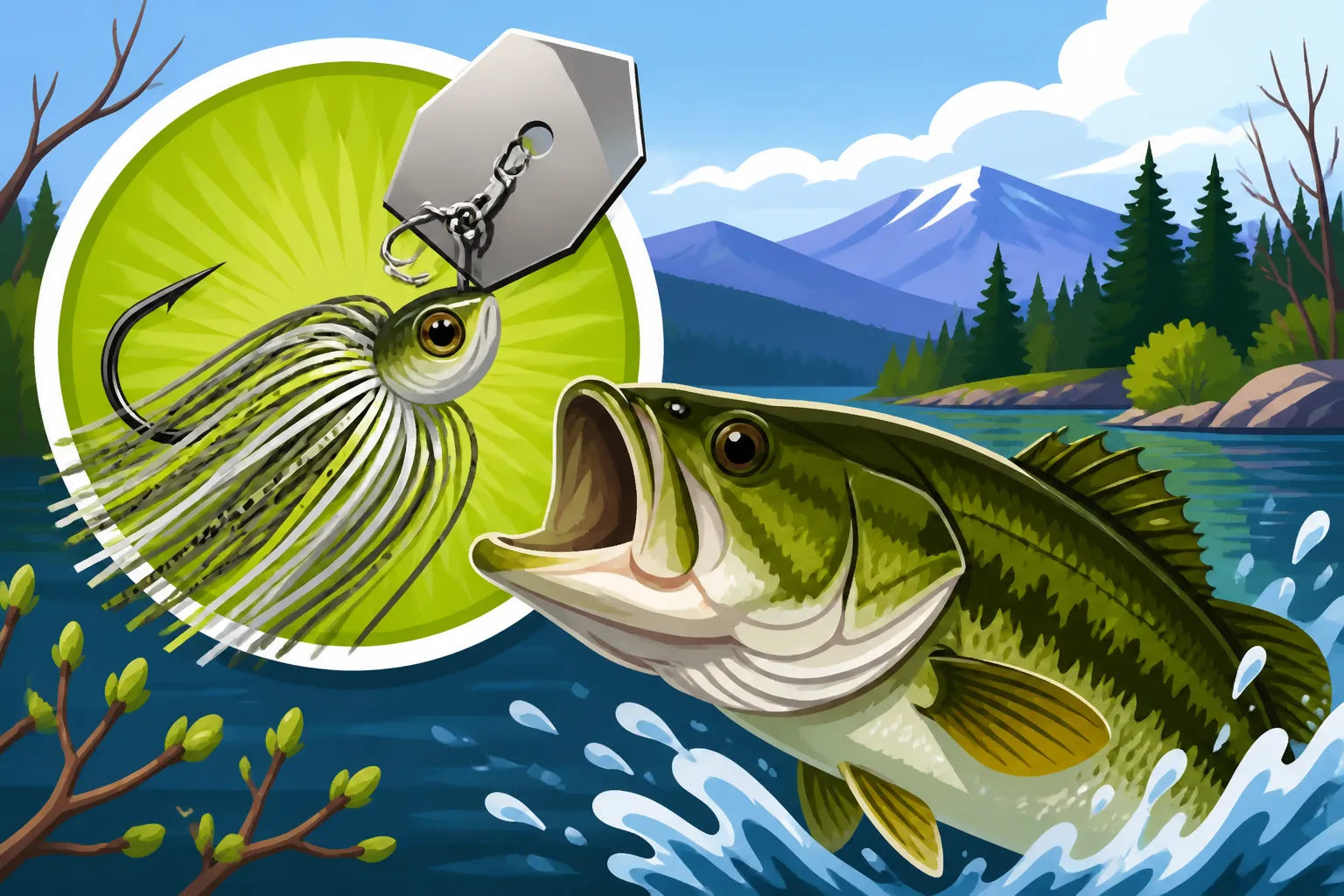
The most distinctive feature of a chatterbait is its bladed jig head, which creates an intense, erratic vibration as it moves through the water. This isn't just a subtle wobble; it's a pronounced thumping and shaking that bass can detect with their lateral lines from a significant distance, even in stained or murky water common in early spring runoff. This strong vibration mimics a struggling baitfish or a crawfish scuttling across the bottom, signaling an easy meal. For bass that are hesitant to chase, that strong, almost offensive vibration can be enough to trigger a defensive or opportunistic strike. It’s a call they simply can’t ignore, making it fantastic for covering water and locating fish that aren't actively feeding.
Flash and Profile: A One-Two Punch
Beyond the vibration, chatterbaits also offer an enticing visual presentation. The vibrating blade creates flashes of light, especially on brighter days or in clearer water, mimicking the scales of a fleeing baitfish. Coupled with a skirt that pulses and breathes in the water, and an optional soft plastic trailer, the chatterbait presents a very lifelike profile. This combination of intense vibration, flash, and a natural profile can make a bass commit to a strike when other lures might fail. The profile can be bulked up with a larger trailer to imitate a bigger meal or streamlined with a smaller one for a more subtle approach, giving you versatility depending on what the bass are keying in on.
Versatility in Depth and Cover
One of the unsung heroes of the chatterbait is its ability to be fished effectively in a wide range of depths and through various types of cover without getting constantly snagged. The angled blade and design of the head often allow it to deflect off wood, rocks, and even sparse vegetation, making it an excellent "search bait" for finding those early spring bass hiding in tricky spots. You can slow-roll it near the bottom in deeper pockets, rip it through emerging weed growth, or even fish it around docks and laydowns. This ability to navigate obstacles while still maintaining its unique action is invaluable when bass are tightly associated with cover. This versatility makes it a go-to choice when you're still trying to figure out where the fish are holding in a new area or after a cold front. Cold Front Fishing Tactics for Vermont Bass can give you more ideas on how to approach these challenging conditions.
Choosing the Right Chatterbait for Vermont's Spring Waters
Alright, so we know why chatterbaits work. Now, let’s talk about which chatterbait to tie on. It’s not a one-size-fits-all situation, especially with the varying conditions you’ll encounter across Vermont’s diverse fisheries, from the rocky shores of Lake Champlain to the smaller, muddier rivers.
Weight and Presentation Depth
The weight of your chatterbait is crucial for controlling depth and presentation speed. In early spring, bass are often shallower than you might think, especially in those sun-warmed coves, but they might also be staging deeper.
- 1/4 to 3/8 ounce: These lighter weights are perfect for fishing shallow flats, coves, or river sections that are 2-6 feet deep. They allow for a slower fall and a more subtle presentation, which can be key when bass are still very lethargic. You can keep them hovering just above the bottom or slowly retrieve them through sparse cover. These are excellent for those calm, sunny days when bass might be sunning themselves just under the surface.
- 1/2 ounce: This is often the sweet spot for many early spring scenarios. It's heavy enough to cast well, reach depths of 5-12 feet effectively, and maintain good bottom contact, but not so heavy that it sinks too quickly or requires a fast retrieve. This weight is great for working along drop-offs, deeper points, or around submerged timber in moderate depths.
- 3/4 ounce or heavier: While generally less common for early spring, a heavier chatterbait can be useful if you're targeting deeper structure (10-20+ feet) or fishing in strong currents, which you might encounter in some of Vermont's larger rivers. The added weight helps maintain contact with the bottom and prevents the bait from being swept away too quickly.
Consider the depth of the water you're fishing and how fast you want your retrieve. A lighter bait will stay in the strike zone longer on a slow retrieve in shallow water, while a heavier bait will get down quicker and stay down in deeper or faster moving water.
Blade Style and Material
The blade is the heart of the chatterbait, responsible for its signature vibration and flash. While most chatterbaits feature a hexagonal blade, there are variations that can impact performance.
- Hexagonal Blade (Standard): This is what you'll find on most classic chatterbaits. It creates a robust, aggressive vibration that's highly effective for attracting attention. For early spring, this strong vibration is often preferred because it helps fish locate the bait in cold, potentially murky water.
- Blade Material/Finish: Most blades are made of stainless steel. The finish can vary from polished chrome (for maximum flash in clear water) to matte finishes or painted blades (for more subtle flash or to match specific baitfish colors in stained water). In Vermont's often clear but sometimes tea-stained waters, having both options can be beneficial. A gold blade might imitate a shiner, while a silver blade could be a smelt.
Skirt Colors and Trailers
This is where you can truly dial in your presentation to match local forage and water conditions.
Skirt Colors: Matching the Hatch (or the Mood)
- Natural Baitfish Colors: In clearer waters, or when bass are feeding on specific baitfish, colors like white, pearl, or light gray are excellent choices. These imitate shiners, minnows, or smelt. If you’re fishing a lake known for a strong smelt population, like Lake Willoughby, a silver-flaked white or gray skirt can be deadly.
- Crawfish/Darker Colors: As temperatures rise slightly and crawfish become more active, or in stained/murky water, darker colors like black and blue, brown, green pumpkin, or dark purples can be highly effective. These colors create a strong silhouette and often resemble crawfish or bottom-dwelling prey. Many Vermont rivers will have crawfish, making these a solid choice.
- Chartreuse/Bright Colors: While not always the first choice for early spring, a touch of chartreuse can be a fantastic "reaction" color, especially in heavily stained or muddy water, or on cloudy days. Sometimes that bright flash is just what a lethargic bass needs to decide it's going to hit. Best Lure Color for Muddy Water Bass Fishing goes into more detail about these situations.
Choosing the Right Trailer: Enhancing the Appeal
The trailer you attach to your chatterbait's hook significantly impacts its action, profile, and appeal. Don't skip this step!
- Paddle Tail Swimbait: This is arguably the most popular choice for a chatterbait trailer. A 3-4 inch paddle tail swimbait (like a Z-Man MinnowZ or a Keitech Swing Impact Fat) adds a subtle swimming action and bulk, perfectly imitating a fleeing baitfish. Its tail kicks and wiggles, complementing the chatterbait's vibration. This is a great all-around option.
- Crawfish Imitation: When bass are feeding on crawfish, or you're fishing near rocky bottoms, a crawfish-style trailer (such as a Strike King Rage Craw or a Netbait Paca Craw) can be incredibly effective. It adds bulk and a more defensive profile, making the bait look like a crawfish scuttling away. The claws will flap and pulse with the chatterbait's action.
- Grub Tail: A simple grub tail (like a single-tail or double-tail grub) can add a more subtle, undulating action. It's often a good choice when fish are shy or when you want a smaller profile.
- Fluke-style Bait: For a darting, erratic action, a fluke-style soft plastic can be effective. It provides a more horizontal glide and can be retrieved with twitches to make it look like a truly panicked baitfish.
Experimentation is key! Sometimes bass want a big, bulky profile; other times, a more subtle, streamlined look is what triggers bites. You can find a wide array of options at larger outdoor retailers like Bass Pro Shops, or browse online platforms such as Amazon for specific colors or hard-to-find models.
| Early Spring Chatterbait Scenarios | Recommended Weight | Blade Color | Skirt Color | Trailer Type | Presentation Notes |
|---|---|---|---|---|---|
| Shallow, Sunny Coves (2-6 ft) | 1/4 – 3/8 oz | Silver/Gold | White/Pearl/Light Grey | Paddle Tail Swimbait | Slow, steady retrieve; occasional pause near cover. |
| Rocky Points/Drop-offs (5-12 ft) | 3/8 – 1/2 oz | Silver/Gold | Green Pumpkin/Brown/Black & Blue | Crawfish/Paddle Tail | Bottom contact, slow roll; let it "crawl" over rocks. |
| Stained/Murky Water (Any Depth) | 3/8 – 1/2 oz | Silver/Gold | Chartreuse/Dark Green/Black & Blue | Paddle Tail/Crawfish | Slower retrieve for maximum vibration detection. |
| Around Submerged Wood/Docks (4-10 ft) | 3/8 – 1/2 oz | Silver | Green Pumpkin/Black & Blue/White | Paddle Tail/Crawfish | Work close to cover, allow deflection, pause after. |
Mastering the Retrieval: Techniques for Success in Early Spring
Having the right chatterbait is only half the battle. How you present it to those cold-water bass is equally, if not more, important. Remember, their metabolism is slow, so they're not usually chasing down fast-moving prey.
The Slow Roll: Bottom Contact is Key
For early spring bass, a slow, steady retrieve where the chatterbait just barely ticks the bottom or glides over cover is incredibly effective. Think of it like a crawfish scuttling along or a stunned baitfish struggling.
- Cast and Let Sink: Make your cast and let the chatterbait sink until you feel it hit the bottom or reach your desired depth. If you’re targeting shallow flats, it might be almost immediate.
- Slow and Steady: Begin a very slow, consistent retrieve, just fast enough to keep the blade vibrating and the bait moving. You should feel that characteristic thumping through your rod.
- Maintain Contact: The goal is to keep the bait in the strike zone, whether that's right on the bottom or just above it. If you hit an obstacle (like a rock or branch), don't panic. Often, letting the bait deflect off it and then continuing your retrieve can trigger a reaction strike. That sudden change in direction or speed can mimic a startled prey item.
- Feel for the Bite: Sometimes, the bite will be a crushing thump. Other times, especially in cold water, it might just feel like a subtle "mushy" feeling or a sudden increase in weight. Set the hook!
This technique is fantastic for covering ground in those warming shallow areas, along the edges of drop-offs, or through sparse vegetation. It’s about giving the bass an easy target without making them work too hard.
Stop-and-Go and the Pause: Triggering Reaction Strikes
While a slow roll is often the go-to, adding pauses or a "stop-and-go" retrieve can be incredibly effective, especially when bass are reluctant to commit.
- Retrieve, Then Pause: Cast out and begin your slow retrieve. After a few feet, pause for 1-3 seconds, allowing the chatterbait to flutter or "die" for a moment. This is often when a strike occurs as the bait looks vulnerable.
- Lift and Drop: Instead of a full stop, you can also incorporate a slight lift of the rod tip followed by a drop. This makes the chatterbait rise and then fall, mimicking a baitfish trying to escape or a crawfish darting away.
- Short Hops: In areas with more open bottom, you can also use short hops, reeling down quickly for a few cranks, then pausing, letting the bait settle, and repeating. This creates an erratic, almost fleeing action.
These pauses and changes in cadence can be exactly what a hesitant bass needs to decide to strike. It creates an erratic action that cold-water bass often react to. This is a technique I use frequently when fishing specific pieces of cover like submerged stumps or isolated rock piles.
Gear for Optimal Chatterbait Presentation
To get the most out of your chatterbait, a balanced rod and reel setup is crucial.
- Rod: A medium-heavy to heavy power casting rod, typically 7 to 7.6 feet in length, with a moderate-fast to fast action is ideal. The longer length helps with casting distance and managing fish, while the medium-heavy power provides the backbone to throw the bait and effectively set the hook. The moderate action helps prevent the bait from blowing out of the water on the retrieve and absorbs some of the fish's initial surges. You'll find excellent options at outdoor stores, but many anglers swear by brands like St. Croix or Fenwick for their sensitivity and power. Best Spinning Rods for Smallmouth Bass can give you an idea of good rod choices, though for chatterbaits, you'll generally want a baitcasting setup.
- Reel: A baitcasting reel with a gear ratio between 6.3:1 and 7.1:1 is a good starting point. The mid-range gear ratio allows for versatile retrieves – slow enough for the slow roll, but fast enough to quickly pick up slack or work the bait through snags.
- Line: Fluorocarbon line between 12-20 lb test is often preferred for chatterbaits. Its low stretch provides excellent sensitivity for feeling those subtle cold-water bites, and its invisibility underwater can be an advantage in clear Vermont lakes. Monofilament can also be used, especially if you want a little more stretch. Braid can be an option if you need maximum sensitivity and strength, but you’ll want to tie on a fluorocarbon leader for stealth. Best Fluorocarbon Leader for Clear Lake Bass provides more details on this.
Remember, practice makes perfect! Head out to your favorite early spring bass spots, whether it's a sheltered bay on Lake Champlain, a small pond, or a slow-moving river section. Experiment with different weights, colors, and retrieval speeds until you find what those Vermont bass are biting on. Best Time of Year to Fish in Vermont can give you an overview of when to hit the water for various species.
Specific Early Spring Considerations for Vermont Anglers
Fishing early spring in Vermont offers its own unique set of challenges and opportunities. Keeping a few local factors in mind can significantly boost your success.
Dealing with Runoff and Water Clarity
Early spring often brings snowmelt and rain, leading to increased runoff into lakes and rivers. This can cause water levels to rise and, more importantly, water clarity to decrease.
- Adjusting to Stained Water: In stained or muddy water, the strong vibration of a chatterbait becomes even more critical for fish to locate your lure. Opt for darker skirt colors like black and blue, green pumpkin, or even a solid chartreuse that creates a strong silhouette and visibility. You might also find a gold blade adds a bit more flash than silver in these conditions. The key is to make the bait as easy to find as possible.
- Targeting Transition Lines: Bass will often position themselves on the edges of dirty water, where it meets cleaner water. These "transition lines" are ambush points where bass can sit in the murk and dart out to grab prey that ventures into the clearer zone. Casting your chatterbait along these lines can be incredibly effective.
Post-Ice-Out and Pre-Spawn Staging
Right after ice-out, bass are in recovery mode. They've been relatively inactive all winter and are now looking to replenish energy stores before the spawn.
- Shallow, Warming Areas: Focus your efforts on the shallowest, darkest-bottomed coves and bays that receive the most direct sunlight. These areas will warm up first and attract baitfish, which in turn attract bass. Think about areas sheltered from the wind.
- Slow, Deliberate Fishing: As mentioned, your retrieval needs to be slow. These bass aren't going to chase a fast-moving bait far. They need a lure presented right in front of them, looking like an easy meal. This is where the subtle-but-strong vibration of a chatterbait is invaluable.
- Understanding the Spawn: While chatterbaits are great for early spring, as you get closer to the spawn, bass behavior will shift again. When Smallmouth Bass Spawn in Vermont can help you understand these seasonal changes, which are important for adapting your tactics throughout spring.
Fishing Vermont's Diverse Waters
Whether you're fishing a vast expanse like Lake Champlain or a smaller, more intimate river, the chatterbait can be adapted.
- Lake Champlain: On Lake Champlain, focus on protected bays, rocky points that warm up, and shallower flats with sparse vegetation. The sheer size of the lake means you might need to cover a lot of water to find concentrations of bass. Don’t be afraid to experiment with different depths around structure. Best Bass Fishing Techniques for Lake Champlain provides a good foundation for tackling this iconic lake.
- Inland Lakes and Ponds: Many of Vermont’s smaller inland lakes and ponds can be fantastic early spring destinations. Look for similar features: shallow, dark-bottomed coves, laydowns, and old lily pad lines. These waters often warm quicker than Lake Champlain due to their size.
- Rivers: For Vermont's rivers, focus on slower pools, eddies, and current seams where bass can escape the main flow and find refuge. Cast your chatterbait upstream and let it swing through these calmer sections, working it slowly back with the current. This can be deadly for river smallmouth.
By paying close attention to these Vermont-specific factors, from water clarity to the specific features of your chosen fishing spot, you can fine-tune your chatterbait approach and increase your chances of a successful early spring bass outing. It's all about matching your presentation to the conditions and the mood of the fish.
Disclaimer
This article is for general informational purposes only and does not constitute professional advice. Laws, prices and regulations vary by location and change over time. Consult a qualified professional for guidance on your specific situation.